Pregnant Breasts: A Complete Clinical Guide for Patients

Breast tenderness, fullness, and size changes are common and often begin early in pregnancy. Hormonal shifts increase blood flow and milk-producing tissue, which explains many breast symptoms.
Key Takeaways
- Breast tenderness, fullness, and size changes are common and often begin early in pregnancy.
- Hormonal shifts increase blood flow and milk-producing tissue, which explains many breast symptoms.
- Most changes are normal, but a new lump, redness, fever, or one-sided severe pain should be checked by a doctor.
- Supportive bras, skin care, and simple comfort measures can help manage symptoms safely.
- Breast changes vary widely from person to person and do not predict milk supply or pregnancy health on their own.
Pregnant boobs are breast changes that happen as hormone levels rise in pregnancy. For many people, this includes tenderness, swelling, darker nipples, visible veins, and gradual growth as the body prepares for feeding a baby.
Overview: what “pregnant boobs” means
“Pregnant boobs” is a common, informal way to describe the breast changes that happen during pregnancy. In medical terms, these changes are a normal response to rising hormones, increased blood flow, and growth of the milk-producing glands. Many people notice them in the first trimester, sometimes even before a missed period or positive pregnancy test.
The breasts may feel sore, heavy, fuller, or more sensitive than usual. The nipples and areolas can become darker and larger, and veins may look more visible under the skin. These changes are usually expected and reflect the body preparing for possible breastfeeding after birth.
Symptoms can differ greatly. Some pregnant people have pronounced tenderness and rapid growth, while others notice only mild changes or none at all. Breast symptoms alone cannot confirm whether a pregnancy is progressing normally, but they are a very common part of early pregnancy.
What changes are common during pregnancy?
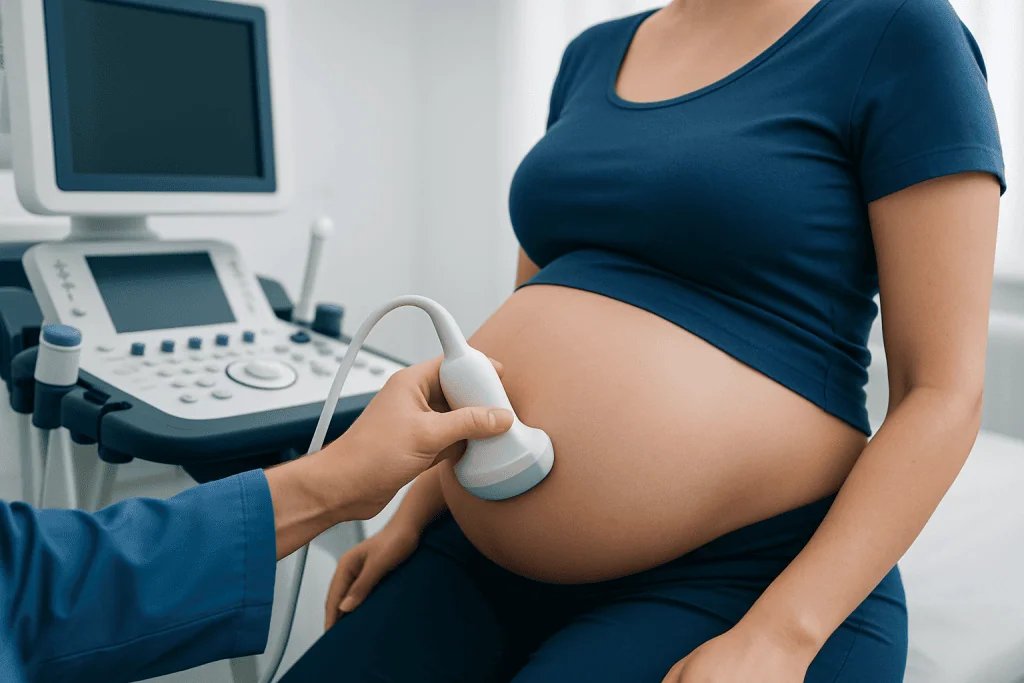
Breast changes in pregnancy can affect size, shape, sensation, and appearance. Tenderness is especially common in the first trimester, when hormonal shifts are strongest. Some people describe a tingling or stretching sensation, while others mainly notice heaviness or sensitivity when touched.
Other common changes include enlargement of the areola, darkening of the nipple area, and small bumps on the areola called Montgomery glands becoming more noticeable. The breasts may also feel lumpy or denser than usual because glandular tissue is developing. Mild itching can occur as the skin stretches.
Visible blue veins are another normal finding because blood supply to the breasts increases. Later in pregnancy, some people notice drops of yellowish fluid called colostrum leaking from the nipples. This is the first form of breast milk and is usually not a cause for concern.
- Fullness or swelling
- Breast tenderness or soreness
- Nipple sensitivity
- Darker, larger areolas
- More visible veins
- Mild lumpiness from gland growth
- Colostrum leakage later in pregnancy
Why pregnant boobs happen: hormones and body changes

Pregnancy hormones are the main reason the breasts change. Estrogen helps the milk ducts grow, while progesterone supports the development of glandular tissue. Prolactin, a hormone linked to milk production, also rises during pregnancy and helps prepare the breasts for lactation.
At the same time, blood volume increases and more blood flows to breast tissue. This can make the breasts feel warm, heavy, and more sensitive. The skin may stretch as the breasts enlarge, which can contribute to itching or discomfort.
These changes are part of a broader pattern of hormonal adaptation during pregnancy. They may happen alongside fatigue, nausea, bloating, and other symptoms. In some cases, pregnant boobs can overlap with other breast conditions, so a doctor may evaluate unusual findings to rule out issues such as infection or breast cancer when symptoms are not typical.
What is normal, and what is not?
It is generally normal for both breasts to become larger, tender, and somewhat uneven, since perfect symmetry is uncommon even before pregnancy. Mild discomfort, sensitivity to cold or touch, occasional sharp fleeting pains, and gradual skin stretching can all be expected. A feeling of increased density or bumpiness can also occur because the breast tissue is changing.
However, not every breast symptom in pregnancy should be assumed to be harmless. A new hard lump that does not go away, skin dimpling, nipple changes limited to one side, spontaneous bloody nipple discharge, or a persistent area of redness and warmth deserves medical attention. Breast infections are less common during pregnancy than during breastfeeding, but they can still happen.
It can also be hard to tell the difference between normal glandular tissue and a concerning lump by self-exam alone. If a person is unsure whether a finding is normal, evaluation by a clinician is the safest approach. Doctors may use a physical exam and, when needed, breast ultrasound to assess breast symptoms during pregnancy.
How doctors evaluate breast symptoms in pregnancy
Assessment starts with the medical history and a clinical breast exam. A doctor may ask when symptoms began, whether they affect one or both breasts, whether there is fever or redness, and whether any discharge is present. The pattern of the symptoms often helps separate expected pregnancy changes from problems that need treatment.
If imaging is needed, ultrasound is commonly the first test because it does not use ionizing radiation and is useful for evaluating lumps, cysts, or blocked areas. In selected cases, additional imaging may be appropriate based on the person’s symptoms and stage of pregnancy. Clinicians choose tests carefully to balance diagnostic value and safety.
When there is a suspicious mass or an area that does not resolve, a specialist may recommend further evaluation, including biopsy. If symptoms are part of a larger pregnancy concern, the care team may also coordinate with obstetric specialists. Depending on the broader situation, patients may already be receiving care through services such as pregnancy follow-up and delivery.
Relief and self-care for breast discomfort
Most pregnancy-related breast discomfort can be managed with simple supportive measures. A well-fitting, non-restrictive bra is often the most helpful step. Some people prefer a soft support bra during the day and a sleep bra at night if movement causes soreness.
Warm or cool compresses may provide relief depending on what feels better. Gentle skin care, avoiding heavily fragranced products on irritated skin, and using moisturizers can help if stretching leads to itching. If nipples are very sensitive, soft fabrics and seamless bras may reduce friction.
Pain medicines should only be used as advised by a qualified clinician during pregnancy. It is also reasonable to discuss breast symptoms during routine prenatal visits, especially if discomfort is interfering with sleep or daily activities. If additional breast-related treatment is needed after examination, a clinician may refer the patient to a breast health service for coordinated care.
- Choose supportive bras with a comfortable band and wider straps
- Use cool or warm compresses for short periods
- Moisturize stretched skin if it feels dry or itchy
- Avoid squeezing the nipples to check for discharge
- Report persistent or one-sided symptoms to a doctor
When to seek medical care
Most pregnant boobs are normal, but certain symptoms should be assessed promptly. Medical care is important if there is breast redness with fever, severe one-sided pain, a painful hot area, or rapid swelling that seems unusual. These can suggest infection or another condition that needs treatment.
A doctor should also evaluate a new lump that feels fixed, a lump that remains after a menstrual-like pattern of swelling would normally pass, bloody discharge, skin dimpling, or nipple inversion that is new. Although serious causes are uncommon, pregnancy should not delay breast assessment.
Patients should seek urgent care for chest pain, shortness of breath, or symptoms that are clearly not limited to the breasts. Near the end of pregnancy or after delivery, breast symptoms may also overlap with postpartum conditions, and a clinician can help determine the cause. Acibadem International’s multidisciplinary specialists at JCI-accredited hospitals evaluate and treat breast and pregnancy-related conditions for international patients when further assessment is needed.
How breast changes evolve through pregnancy and after birth
In the first trimester, tenderness and sensitivity are often most noticeable. During the second trimester, the breasts may continue to grow, the areolas may darken further, and veins can become more visible. In the third trimester, heaviness and occasional colostrum leakage may become more apparent as the body gets closer to birth.
After delivery, breast changes continue. Milk production increases over the first several days, which can lead to fullness or engorgement. These postpartum changes are different from the earlier pregnancy-related changes, although some symptoms overlap.
Importantly, the amount of breast growth in pregnancy does not predict how successful breastfeeding will be. People with minimal changes can still breastfeed, and those with large changes may still need support. If concerns about breast development, discomfort, or feeding arise, discussing them early with an obstetric clinician or lactation professional can be helpful.
Frequently asked questions
Are pregnant boobs an early sign of pregnancy?
They can be. Breast tenderness, fullness, and nipple sensitivity are common early pregnancy symptoms caused by hormonal changes. However, these symptoms can also happen before a menstrual period, so they are not a definite way to diagnose pregnancy.
How early do breasts start changing in pregnancy?
Some people notice changes within the first few weeks of pregnancy. For others, the changes develop gradually over the first trimester. The timing and intensity vary from person to person.
Is it normal for only one breast to hurt more during pregnancy?
Mild differences between breasts can be normal because breast tissue is not perfectly symmetrical. Still, clearly one-sided pain, a new lump, redness, or swelling should be checked by a doctor. Persistent asymmetry with other symptoms deserves evaluation.
Do pregnant boobs mean breastfeeding will be easier?
Not necessarily. Breast growth and tenderness do not reliably predict milk supply or breastfeeding success. Many factors affect feeding after birth, and support from a qualified professional can make a difference.
Can breasts leak during pregnancy?
Yes. Some pregnant people notice small amounts of yellowish fluid called colostrum, especially later in pregnancy. This is usually normal, but bloody discharge or discharge from only one breast should be assessed.
What helps relieve sore breasts during pregnancy?
A well-fitting supportive bra is often the most helpful measure. Cool or warm compresses, soft clothing, and gentle skin care may also improve comfort. Any medication use during pregnancy should be discussed with a doctor.
References
- American College of Obstetricians and Gynecologists
- Centers for Disease Control and Prevention
- National Health Service
- World Health Organization
This article is for general information only and is not a substitute for professional medical advice. Please consult a qualified doctor about your individual situation.
Explore treatments in Turkey — costs, top hospitals & a free quote
JCI-accredited · board-certified surgeons · reply within 24h
Add us as a Preferred Source to see more of our trusted health content across Google Search, AI Overviews and Discover.

More from the Health Library



Related Specialists

Dr. Üzeyir Tırmık
Orthopedic Surgery & Traumatology
Dr. Hande Kaytancı
Otorhinolaryngology
Prof. Dr. Mehmet Akif Sargin
Gynecology & Obstetrics
Prof. Dr. Uğur Özbek
Medical Genetics