Hibiscus Tree: A Complete Medical Overview

The term hibiscus tree usually refers to shrub-like or small tree forms of hibiscus grown for their large flowers. Some hibiscus species are used in tea and herbal products, but not every hibiscus plant is meant for consumption.
Key Takeaways
- The term hibiscus tree usually refers to shrub-like or small tree forms of hibiscus grown for their large flowers.
- Some hibiscus species are used in tea and herbal products, but not every hibiscus plant is meant for consumption.
- Hibiscus may modestly affect blood pressure and blood sugar, which can matter for people taking medications.
- Possible side effects include stomach upset and herb-drug interactions, especially with diabetes or blood pressure treatment.
- Anyone with persistent symptoms, pregnancy concerns, or chronic illness should ask a qualified doctor before using hibiscus medicinally.
The hibiscus tree is best known as an ornamental flowering plant, but some hibiscus species are also used in teas, foods, and herbal products. From a medical perspective, hibiscus may have mild effects on blood pressure, blood sugar, and digestion, yet it should be used carefully and never as a substitute for professional care.
Overview: what the hibiscus tree means in health discussions
The phrase hibiscus tree usually describes ornamental hibiscus plants that grow as woody shrubs or small trees. In everyday use, people may use the term for tropical hibiscus or related varieties with large, colorful flowers. Medically, the main point is that hibiscus is better understood as a plant group rather than a single treatment, and its health effects depend on the exact species and preparation.
Some hibiscus species, especially those used for tea or extracts, have been studied for possible effects on blood pressure, cholesterol, blood sugar, and digestion. These effects appear to be mild to moderate at most, and research quality varies. Hibiscus is not considered a replacement for standard medical care for chronic diseases such as high blood pressure or diabetes.
It is also important to separate ornamental gardening from medicinal use. A plant growing in a home garden may have been treated with pesticides or may not be the species commonly used in food products. For that reason, people should avoid eating flowers, leaves, or homemade preparations unless they are certain the plant is edible and safe for use.
Potential health effects of hibiscus
Hibiscus tea and extracts are most often discussed for their possible effects on heart and metabolic health. Some studies suggest they may help support healthy blood pressure levels and may have antioxidant properties. Antioxidants are compounds that help protect cells from damage caused by normal metabolism and environmental stress.
There is also limited evidence that hibiscus may have a mild role in supporting cholesterol balance, liver health, and digestion. Some people use hibiscus tea as a caffeine-free drink that can fit into a generally healthy lifestyle. However, natural products can vary in strength, and benefits seen in studies do not mean the same results will occur in every person.
When hibiscus is considered as part of a medical plan, it should be viewed as a complementary option rather than a primary treatment. People who already receive care for heart, metabolic, or kidney conditions should speak with a doctor before adding herbal products. In some situations, a clinician may recommend formal assessment such as a medical check-up to review symptoms, current medicines, and overall risks.
How hibiscus is used: tea, extracts, and food preparations
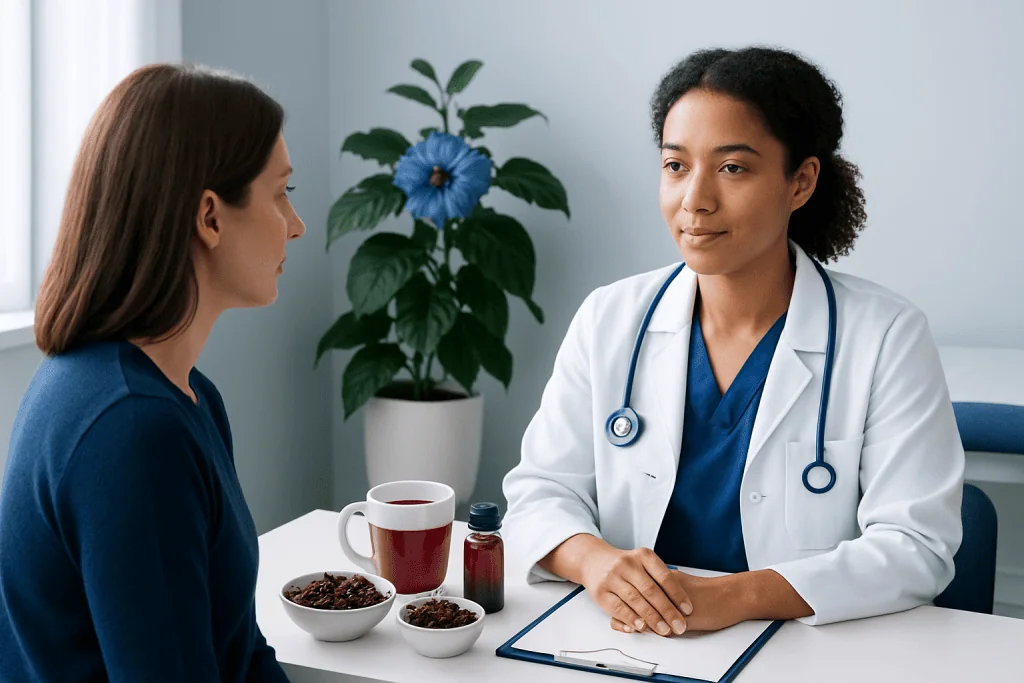
Hibiscus is commonly consumed as herbal tea, dried calyx preparations, capsules, or liquid extracts. In many cultures, hibiscus drinks are valued for their tart flavor and deep red color. Food and beverage use is very different from concentrated supplements, which may contain higher amounts of active compounds.
Commercial preparations are generally safer than using parts of an unidentified garden plant. A product intended for consumption should be clearly labeled, ideally with the botanical name, ingredients, and directions. This matters because not all hibiscus products are standardized, and some may include mixtures of herbs that increase the chance of side effects.
People should also remember that “natural” does not automatically mean harmless. A concentrated extract may interact with medicines more strongly than a cup of tea. If someone wants to use hibiscus regularly for wellness purposes, it is sensible to choose reputable products and mention them during routine medical visits.
Safety, side effects, and who should be cautious
For many healthy adults, hibiscus tea in moderate amounts is generally well tolerated. Still, some people may experience stomach upset, nausea, dizziness, or changes in urination. Allergic reactions are uncommon but possible, particularly in people with sensitivities to plants or herbal products.
People taking medicines for blood pressure or diabetes should be especially cautious. Because hibiscus may modestly lower blood pressure or affect blood sugar, combining it with medication could sometimes increase the risk of readings becoming too low. This does not happen in everyone, but it is an important reason to ask a doctor or pharmacist before regular use.
Pregnant or breastfeeding individuals should use extra caution because safety data are limited. Children, older adults with multiple health conditions, and people with liver or kidney disease should also avoid self-treating with concentrated herbal products without medical advice. Anyone with a diagnosed condition such as diabetes should continue prescribed treatment and monitoring rather than relying on herbal remedies alone.
- Use caution with blood pressure medicines
- Use caution with diabetes medicines or insulin
- Avoid consuming unknown garden plants
- Stop use and seek advice if new symptoms appear
Medical considerations: interactions and evidence limits
One of the most important medical questions about the hibiscus tree is not whether the plant is attractive, but whether hibiscus products are appropriate for a particular person’s health needs. Herbs can interact with prescription medicines, over-the-counter drugs, and supplements. These interactions may alter how a medicine works or increase side effects.
Research on hibiscus is promising in some areas, but it has limits. Studies may involve small groups, short follow-up periods, or different formulations that are hard to compare. This means results should be interpreted carefully, especially when people are deciding about treatment for chronic illness.
If a person has symptoms such as headaches, dizziness, fatigue, swelling, or abnormal blood pressure readings, the safest step is medical evaluation rather than self-treatment. Depending on the concern, a doctor may recommend lab testing, blood pressure monitoring, or specialist assessment. For ongoing cardiovascular concerns, patients may be guided toward services such as cardiology evaluation to look for causes and discuss evidence-based care.
Prevention and self-care: using hibiscus sensibly
For people who enjoy hibiscus as a beverage, the safest approach is moderation and awareness. Hibiscus tea can be part of a balanced lifestyle that includes healthy eating, physical activity, stress management, and regular medical follow-up. It should not be expected to offset poor sleep, smoking, heavy alcohol use, or untreated disease.
Self-care starts with careful product selection. Choose products from reliable manufacturers, avoid mixing several herbal supplements at once, and keep a list of all supplements for medical appointments. If a person checks blood pressure or blood sugar at home, it can be useful to watch for changes after starting any new herbal product.
People with persistent wellness concerns should focus on underlying causes rather than supplements alone. Diet quality, hydration, exercise, weight management, and medication review are often more important than any single plant product. In some cases, doctors may advise a broader plan that includes nutrition support or internal medicine evaluation to assess fatigue, digestive symptoms, or metabolic risk factors.
When to seek medical care
Medical advice is recommended if someone develops symptoms after using hibiscus, especially dizziness, fainting, severe stomach pain, rash, swelling, or difficulty breathing. Care is also important if blood pressure readings become unusually low or high, or if blood sugar readings change unexpectedly after starting an herbal product.
People should also seek care if they are pregnant, breastfeeding, preparing for surgery, or managing a chronic illness and are considering regular hibiscus use. A doctor can help decide whether hibiscus is reasonable, whether monitoring is needed, and whether there are safer alternatives. If symptoms suggest dehydration, infection, or a medication reaction, prompt assessment is best.
Near the end of a patient’s care pathway, specialist input may be helpful when herbal use overlaps with existing disease management. Acibadem International’s multidisciplinary specialists and JCI-accredited hospitals diagnose and treat related medical conditions for international patients, including evaluation of symptoms that may overlap with heart, endocrine, or digestive concerns.
Frequently asked questions
Is the hibiscus tree edible?
Some hibiscus species are used in foods and teas, but not every hibiscus plant is intended for consumption. Garden plants may also be treated with chemicals, so people should not eat hibiscus unless they know the exact species and that it is food-safe.
Can hibiscus lower blood pressure?
Hibiscus may have a mild blood pressure-lowering effect in some people, particularly when used as tea or extract. It should not replace prescribed treatment, and anyone taking blood pressure medication should ask a doctor before regular use.
Is hibiscus tea safe every day?
Many healthy adults can drink hibiscus tea in moderation without problems. Daily use may not be suitable for everyone, especially those with low blood pressure, diabetes, kidney or liver disease, pregnancy, or multiple medications.
Does hibiscus help with diabetes?
Research is limited, but hibiscus may affect blood sugar in some people. It is not a treatment for diabetes, and anyone with diabetes should continue medical care, monitoring, and prescribed medication.
What are the side effects of hibiscus?
Possible side effects include stomach upset, nausea, dizziness, and allergic reactions. Interactions with blood pressure or diabetes medicines are an important concern, so patients should mention hibiscus use to their healthcare team.
When should someone avoid hibiscus products?
Hibiscus should be used carefully or avoided during pregnancy and breastfeeding unless a clinician advises otherwise. It may also be unsuitable for people with chronic illness, upcoming surgery, unstable blood pressure, or uncertain plant identification.
This article is for general information only and is not a substitute for professional medical advice. Please consult a qualified doctor about your individual situation.
Explore treatments in Turkey — costs, top hospitals & a free quote
JCI-accredited · board-certified surgeons · reply within 24h
Add us as a Preferred Source to see more of our trusted health content across Google Search, AI Overviews and Discover.
Check your numbers in seconds
BMI, calories, due date, blood pressure and 30+ more clinical calculators — free, instant, doctor-reviewed ranges.

More from the Health Library

Shakeology: A Complete Medical Overview

Pili Multigemini: What Patients Need to Know

Fresh Cranberries: A Complete Medical Overview

Eczema on Lips — Explained by Medical Evidence, Not Myths

Xy Dysgenesis: A Complete Medical Overview