Scolipain: An Evidence-Based Guide for Patients
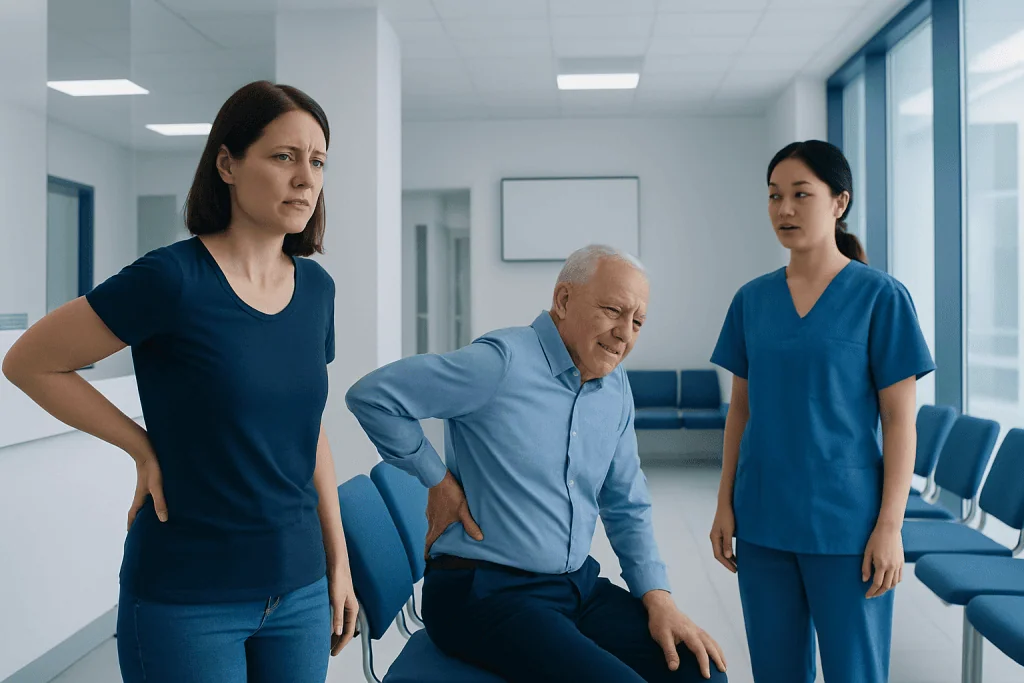
Scolipain commonly describes pain related to scoliosis rather than a separate disease. Pain may come from muscle strain, spinal imbalance, joint stress, or age-related degeneration.
Key Takeaways
- Scolipain commonly describes pain related to scoliosis rather than a separate disease.
- Pain may come from muscle strain, spinal imbalance, joint stress, or age-related degeneration.
- Diagnosis often includes a physical exam, posture assessment, and imaging such as X-rays.
- Treatment depends on the cause and may include exercise, physical therapy, pain relief strategies, bracing, or surgery in selected cases.
- New, severe, or progressive pain should be assessed by a qualified doctor, especially if weakness, numbness, or breathing problems occur.
Scolipain usually refers to pain associated with scoliosis, a sideways curvature of the spine that can affect posture, muscles, joints, and daily comfort. While many people with scoliosis have little or no pain, others develop ongoing back discomfort, stiffness, or fatigue that benefits from medical evaluation and individualized care.
What scolipain means
Scolipain generally means pain related to scoliosis. Scoliosis is a condition in which the spine curves sideways and may also rotate, changing how the back, shoulders, hips, and muscles align. The term is commonly used by patients searching for answers about discomfort that seems connected to spinal curvature.
Not everyone with scoliosis has pain. Many children and teenagers are diagnosed during growth spurts and feel no symptoms at all. In adults, however, scoliosis is more likely to be associated with back pain because years of spinal imbalance, muscle overuse, disc wear, and joint strain can gradually affect comfort and mobility.
Pain can range from mild aching after activity to more persistent stiffness, muscle fatigue, or pain that spreads into the buttocks or legs. Understanding the source of pain matters, because treatment is usually aimed not just at the curve itself but also at the muscles, joints, discs, and nerves affected by it.
How scoliosis can cause pain
Scoliosis changes the way weight is distributed through the spine. When one side of the back works harder to keep the body upright, muscles may become tense and tired. Over time, this imbalance can lead to soreness, spasms, and a feeling of uneven pressure across the shoulders, rib cage, lower back, or hips.
In some people, pain comes from the small joints between the vertebrae, from worn spinal discs, or from inflammation in surrounding soft tissues. Adults with degenerative changes may develop narrowing around the nerves, which can add leg pain, tingling, or numbness to the back symptoms. This is one reason scoliosis-related pain can feel different from one person to another.
Body mechanics also play a role. Standing for long periods, sitting without support, lifting, or repetitive bending can aggravate symptoms. If the curve affects balance or posture significantly, everyday activities may require more energy, leading to fatigue and discomfort by the end of the day.
Symptoms often linked with scolipain
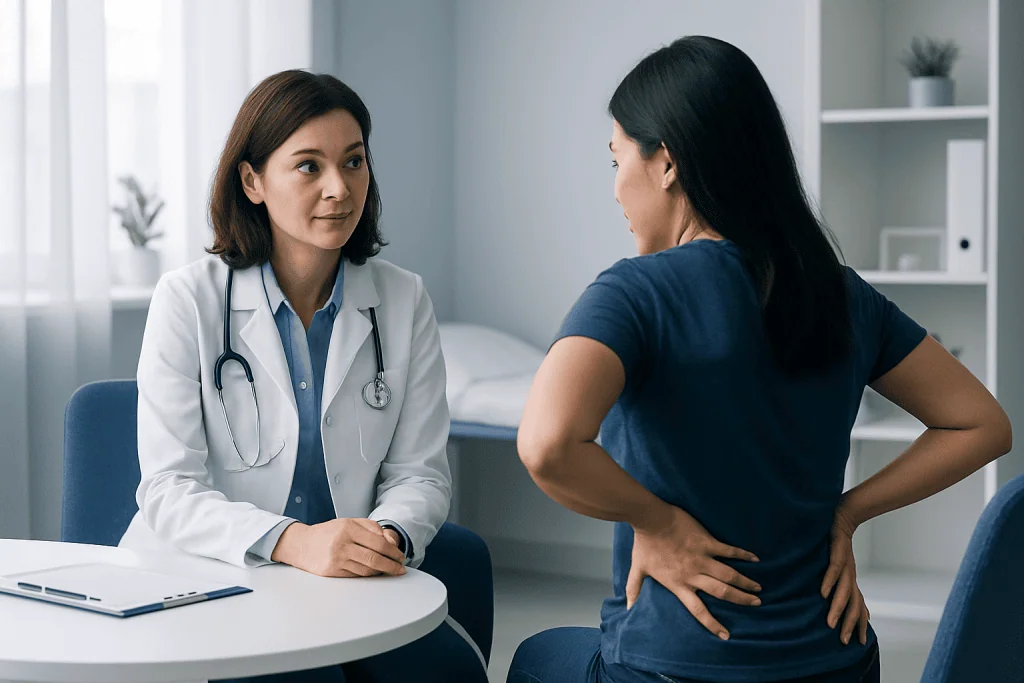
Scolipain is most often described as aching, stiffness, or a deep tired feeling in the back. Some people notice one shoulder sitting higher than the other, a visible curve, uneven hips, or clothes fitting unevenly. Others first become aware of the issue because of persistent back discomfort that does not improve with usual rest.
Symptoms may be mild and intermittent, or they may become more noticeable with age. Adults are more likely than children to report pain, especially in the lower back. In more advanced cases, symptoms can include pain down the leg, reduced walking tolerance, or trouble finding a comfortable sleeping position.
- Back pain or muscle tightness
- Uneven shoulders, waist, or hips
- Fatigue after standing or walking
- Reduced flexibility or stiffness
- Rib prominence or a visible spinal curve
- Leg pain, tingling, or numbness if nerves are affected
When symptoms involve nerve irritation, it is important to look beyond the curve alone. Conditions such as disc problems or spinal narrowing can exist alongside scoliosis and influence the treatment plan.
Causes and risk factors
The causes of scoliosis vary by age group. In children and teenagers, the most common form is idiopathic scoliosis, meaning no single clear cause is identified. In adults, scoliosis may be the continuation of a curve that began earlier in life, or it may develop later because of age-related wear in the discs and joints of the spine.
Risk factors for scolipain include a larger or progressive curve, poor muscular support, degenerative spine disease, osteoporosis, long hours of sitting or standing, and reduced physical conditioning. Pain may also be more likely if a person has a significant imbalance of the shoulders or pelvis, because the muscles and joints must work harder to compensate.
Sometimes scoliosis-related pain overlaps with other spinal conditions. Degenerative disc disease, spinal osteoarthritis, and nerve compression may all contribute. For patients exploring related spinal problems, a doctor may also evaluate for scoliosis itself or for conditions such as a herniated disc when symptoms suggest nerve involvement.
How doctors diagnose scolipain
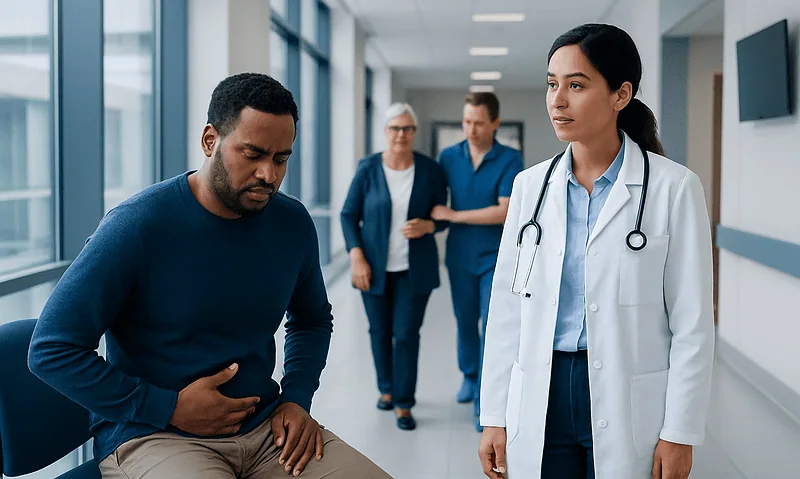
Diagnosis starts with a detailed medical history and physical examination. The doctor asks when the pain began, what makes it better or worse, whether it affects sleep or walking, and whether there are warning signs such as weakness, numbness, fever, or unintended weight loss. Posture, shoulder height, waist symmetry, gait, flexibility, and signs of nerve irritation are also assessed.
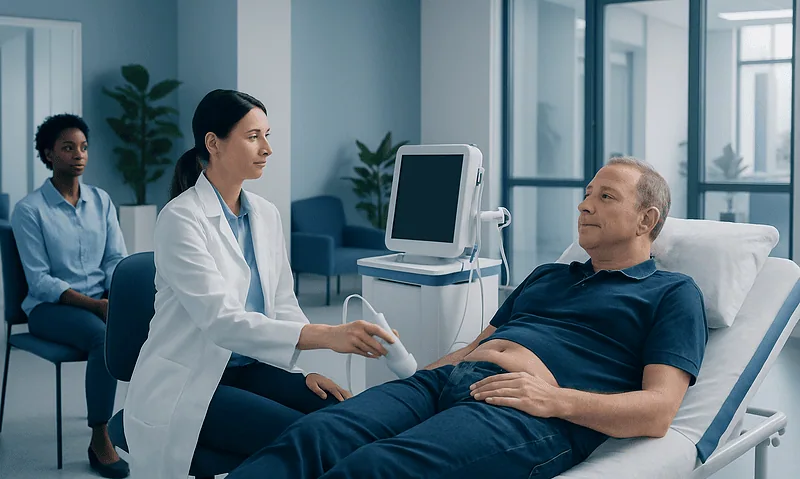
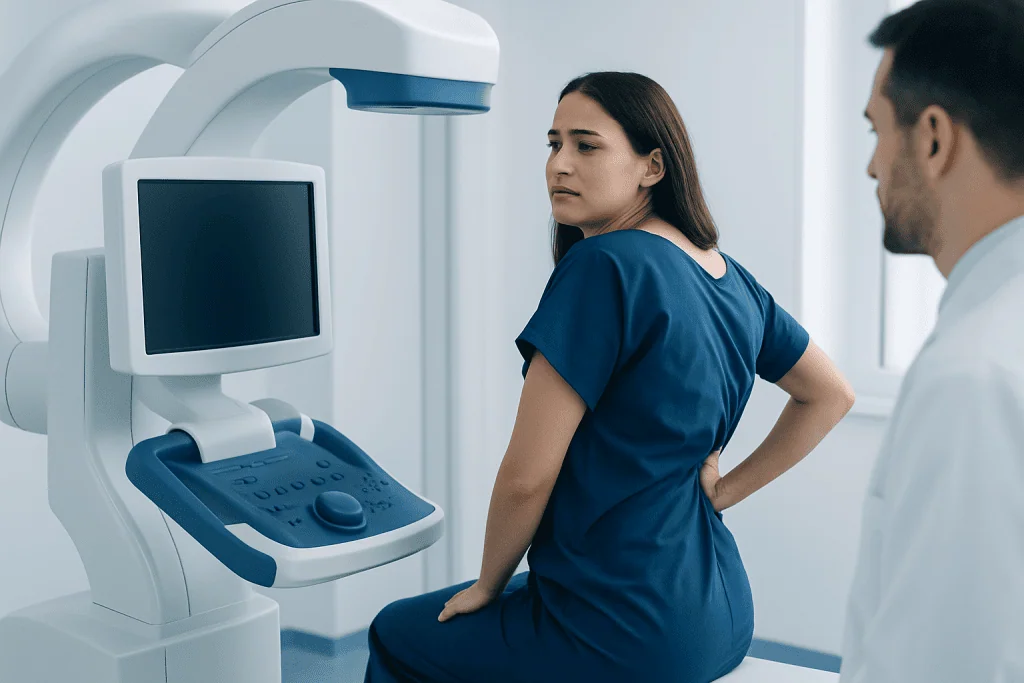
X-rays are commonly used to confirm scoliosis, measure the spinal curve, and compare changes over time. In some cases, additional imaging such as MRI or CT may be recommended, especially if pain is severe, symptoms suggest nerve compression, or surgery is being considered. These tests help identify discs, joints, spinal canal narrowing, or other causes that may be contributing to discomfort.
Diagnosis is not only about measuring the curve. The more useful question is why this person is in pain now. A careful evaluation helps distinguish muscular pain from structural or nerve-related pain, which supports a more targeted treatment plan and avoids unnecessary interventions.
Treatment options for scolipain
Treatment depends on the person’s age, the size and type of the spinal curve, the source of pain, and how much symptoms affect daily life. Many people improve with nonsurgical care. This often includes posture education, activity modification, pain-relief strategies, and a structured exercise or physiotherapy program designed to strengthen core and back muscles, improve flexibility, and support balance.
Doctors may suggest supervised rehabilitation, especially when pain is recurring or movement patterns have changed. For some patients, physical therapy and rehabilitation can help reduce muscle strain and improve function. Medications may sometimes be used for short-term symptom control, but they are typically only one part of a broader plan.
Bracing may be considered in selected growing children and teenagers to help prevent curve progression, though it is not usually used to treat pain alone. In adults, targeted injections or other interventions may be considered when specific joints or nerves are involved. If symptoms are severe, the curve is progressive, or nerve compression is causing significant functional problems, a specialist may discuss scoliosis surgery or other spine surgery options.
Surgery is usually reserved for carefully selected cases, not for every person with pain. The goal is generally to improve stability, correct significant deformity when appropriate, relieve nerve pressure, and support quality of life after a thorough assessment of risks and benefits.
Self-care, daily habits, and prevention
Although scoliosis itself cannot always be prevented, many aspects of scolipain can be managed through healthy daily habits. Gentle regular movement, core strengthening, stretching, and avoiding long periods in one position may reduce muscle fatigue and stiffness. A physical therapist can recommend exercises that match the person’s curve pattern, age, and activity level.
Helpful self-care often includes attention to workstation setup, supportive seating, safe lifting technique, and pacing of activities. Weight management, bone health, and general fitness may also reduce the mechanical load on the spine. For adults with osteoporosis risk, discussing bone-strengthening strategies with a doctor can be especially important.
It is usually better to stay reasonably active than to rest completely for long periods, unless a clinician advises otherwise. Pain that flares with overexertion often improves with a balanced routine that includes movement, recovery time, and gradual progression rather than sudden high-intensity exercise.
When to seek medical care
Medical assessment is appropriate if back pain persists, limits daily activities, or seems to be getting worse. It is also important to seek care if a spinal curve becomes more noticeable, posture changes, or a child or teenager develops asymmetry of the shoulders, waist, or rib cage. Early evaluation can help clarify whether observation, therapy, or another approach is most suitable.
Prompt medical attention is recommended if pain is severe, follows an injury, or comes with numbness, weakness, leg pain, bowel or bladder changes, unexplained fever, or unexplained weight loss. These symptoms do not always mean a serious problem, but they should be reviewed by a qualified doctor without delay.
For people seeking specialist evaluation, Acibadem International’s multidisciplinary teams in JCI-accredited hospitals diagnose and treat scoliosis and related spinal conditions for international patients. A structured review by orthopedics, spine surgery, rehabilitation, and imaging specialists can help identify the main cause of pain and the most appropriate next steps.
Frequently asked questions
Is scolipain a medical diagnosis?
Scolipain is not usually a formal medical diagnosis. It is a term people use to describe pain associated with scoliosis or spinal imbalance. A doctor will usually look for the specific source of the pain, such as muscles, joints, discs, or nerves.
Can scoliosis cause pain even if the curve is mild?
Yes, some people with mild curves still experience pain, while others with larger curves may have little discomfort. Pain depends on several factors, including muscle strain, posture, disc changes, activity level, and age. This is why symptoms do not always match the curve size exactly.
Does scolipain always mean surgery is needed?
No, most people with scoliosis-related pain do not need surgery. Many improve with exercise, physical therapy, posture changes, and other nonsurgical treatments. Surgery is usually considered only when symptoms are severe, the curve progresses, or there is important nerve compression or functional limitation.
What kind of doctor treats scolipain?
Evaluation may begin with a primary care doctor, pediatrician, or physiotherapist, depending on the person's age and symptoms. Orthopedic spine specialists, neurosurgeons, rehabilitation physicians, and pain specialists may also be involved. The best choice depends on whether the pain seems muscular, structural, or nerve-related.
Can exercise help scolipain?
In many cases, yes. A personalized program can improve core strength, flexibility, posture awareness, and overall endurance, which may reduce pain. Exercises should ideally be guided by a qualified professional, especially when symptoms are persistent or the curve is significant.
When is scoliosis pain an emergency?
Scoliosis-related pain is not usually an emergency, but urgent care is needed if there is sudden severe pain, weakness, numbness, difficulty walking, bowel or bladder changes, or pain after trauma. Fever or unexplained weight loss should also be assessed promptly. These symptoms can point to problems beyond routine scoliosis discomfort.
References
- World Health Organization
- National Institute of Arthritis and Musculoskeletal and Skin Diseases
- American Academy of Orthopaedic Surgeons
- Scoliosis Research Society
- National Institute for Health and Care Excellence
This article is for general information only and is not a substitute for professional medical advice. Please consult a qualified doctor about your individual situation.
Joint and spine care in Turkey — expert assessment & treatment
JCI-accredited · board-certified surgeons · reply within 24h