Definition for Homophobic: An Evidence-Based Guide for Patients
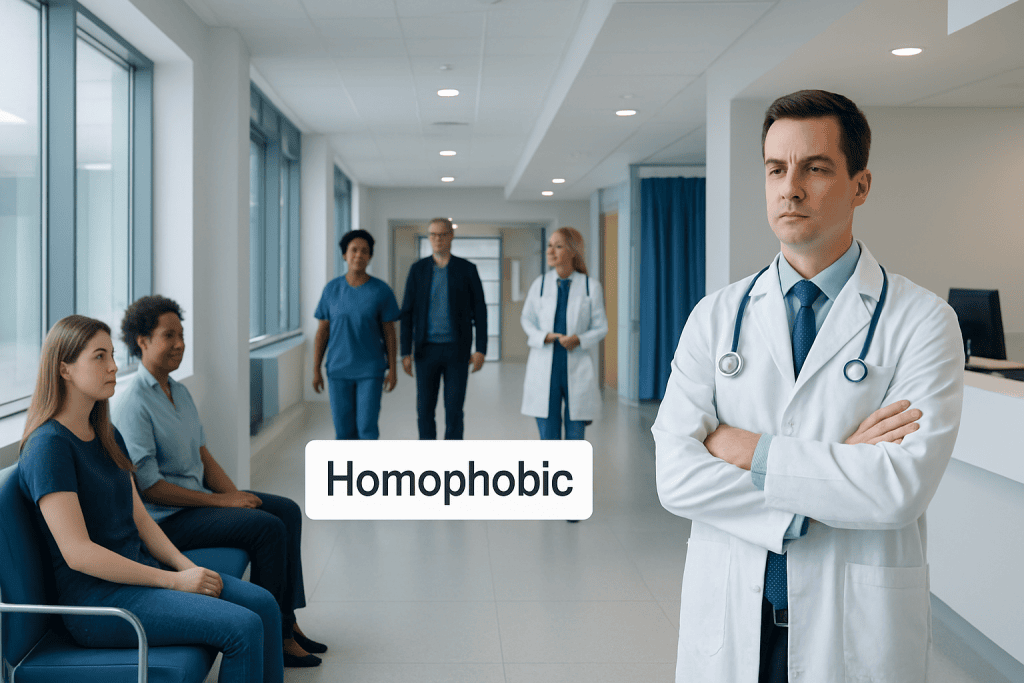
Homophobic describes biased, fearful, or hostile attitudes and actions toward LGBTQ+ people. Homophobia can be obvious or subtle, including jokes, exclusion, discrimination, or unequal treatment.
Key Takeaways
- Homophobic describes biased, fearful, or hostile attitudes and actions toward LGBTQ+ people.
- Homophobia can be obvious or subtle, including jokes, exclusion, discrimination, or unequal treatment.
- Experiencing homophobia can affect mental health, stress, sleep, and willingness to seek medical care.
- Supportive relationships, safe reporting, and professional mental health care can help reduce harm.
- Immediate medical or emergency help is important if there is self-harm risk, panic, trauma, or physical injury.
The definition for homophobic is showing prejudice, discomfort, fear, or hostility toward people who are lesbian, gay, bisexual, or otherwise part of sexual minority groups. In health settings, understanding this term matters because homophobic attitudes and behavior can affect emotional well-being, stress levels, safety, and access to care.
Overview: the definition for homophobic
The definition for homophobic is showing prejudice, fear, dislike, or hostility toward people who are lesbian, gay, bisexual, or otherwise perceived to be part of a sexual minority. The term may describe beliefs, language, behavior, policies, or treatment that devalues or excludes someone because of sexual orientation. In everyday use, it can also apply to actions directed at people who are assumed to be LGBTQ+, even when that assumption is incorrect.
Homophobia is not a medical diagnosis. It is a social and behavioral concept that matters in healthcare because discrimination and stigma can affect a person’s emotional health, stress response, and access to care. A patient may encounter homophobia in family life, school, work, public spaces, or healthcare settings, and these experiences can have real health consequences.
Homophobic behavior can be direct, such as insults or threats, or indirect, such as dismissive comments, exclusion, or treating someone unfairly. Some people use the term broadly to include subtle bias, while others reserve it for more openly hostile behavior. In clinical and public health discussions, the focus is usually on how prejudice and discrimination affect safety and well-being.
What homophobia can look like in daily life
Homophobia does not always look the same. It may appear as name-calling, bullying, social rejection, harassment, controlling behavior in relationships, workplace discrimination, or refusal of services. It can also take quieter forms, such as assuming everyone is heterosexual, making jokes about sexual orientation, or dismissing a person’s relationships as less valid.
Healthcare professionals may also discuss related concepts such as internalized homophobia, which describes negative beliefs a person may absorb about their own sexual orientation because of stigma around them. This can contribute to shame, secrecy, self-criticism, and delayed help-seeking. Internalized stigma is not a character flaw; it can develop when a person lives for years in invalidating or hostile environments.
Examples of homophobic behavior may include:
- Using slurs or threatening language
- Excluding someone from family, school, work, or community activities
- Mocking or questioning a person’s identity or relationship
- Pressuring someone to hide their orientation
- Unequal treatment in housing, employment, education, or healthcare
- Physical intimidation or violence
Why this matters for health

Repeated exposure to prejudice can place a person under chronic stress. This is sometimes described in public health as minority stress, meaning the added strain that comes from stigma, concealment, discrimination, or fear of rejection. Over time, this stress can contribute to anxiety, low mood, sleep problems, difficulty concentrating, irritability, and physical symptoms such as headaches or stomach upset.
Homophobia can also affect healthcare access. A person who expects judgment may delay routine visits, avoid discussing important symptoms, or skip preventive care. This can influence sexual health, mental health support, and management of other conditions that depend on honest communication with clinicians. For example, some people may postpone support for anxiety or depression, including evaluation for related concerns such as depression.
Supportive environments can reduce harm. Feeling respected by family, friends, schools, workplaces, and healthcare teams is linked with better emotional well-being and more consistent use of health services. When concerns such as panic, prolonged stress, or mood changes are present, professional care can help. Depending on symptoms, a clinician may recommend counseling, psychiatric evaluation, or structured psychotherapy as part of a care plan.
Common emotional and physical effects
The effects of homophobia vary from person to person. Some people feel hurt or angry after isolated incidents and recover with support. Others experience repeated discrimination that leads to persistent distress. Emotional effects may include sadness, fear, shame, loneliness, hypervigilance, or feeling unsafe in social situations.
Physical symptoms can happen because stress affects the whole body. People may notice sleep difficulty, fatigue, muscle tension, appetite changes, headaches, palpitations, or digestive discomfort. These symptoms are real and deserve medical attention, especially if they are severe, frequent, or interfering with daily life.
When symptoms continue, clinicians may assess for conditions such as anxiety disorders, trauma-related stress, or depression. Care is tailored to the person and may include coping strategies, supportive counseling, family education, and treatment for coexisting issues. In some situations, specialists may evaluate panic symptoms or severe stress reactions within broader psychiatric care.
How healthcare professionals assess the situation
There is no blood test or scan for homophobia itself, because it is not a disease. Instead, healthcare professionals assess its impact on health by listening carefully to a patient’s experiences, symptoms, safety concerns, and support system. A doctor, psychologist, or mental health professional may ask about mood, sleep, stress, social functioning, work or school difficulties, and any experiences of bullying, discrimination, or violence.
If needed, the clinician may screen for related health conditions such as anxiety, depression, substance misuse, trauma symptoms, or self-harm risk. They may also check for physical injuries or stress-related complaints. The goal is not to label the patient, but to understand what they are going through and what kind of support would be most helpful.
Assessment often works best in a respectful, confidential setting. Patients can expect person-centered care that uses their preferred language and avoids assumptions. If a patient feels dismissed or unsafe, seeking a second opinion or a more supportive clinic may be appropriate.
Support, treatment, and practical coping steps
Support focuses on reducing harm, improving safety, and treating any emotional or physical effects. Helpful steps may include talking with a trusted friend or family member, connecting with affirming community groups, limiting exposure to hostile environments when possible, and documenting discriminatory incidents if reporting is needed. In workplaces or schools, formal policies and support services may also be useful.
Mental health care can be especially helpful when stress becomes persistent. Counseling can help a person process painful experiences, challenge self-blame, build coping skills, and plan safe responses to future incidents. Depending on the person’s needs, treatment may include stress-management strategies, supportive therapy, cognitive behavioral approaches, or care for associated problems such as anxiety.
Self-care does not solve discrimination, but it can help protect health. Practical measures include regular sleep, physical activity, balanced meals, time with supportive people, and reducing alcohol or substance use when stress is high. If symptoms are significant or not improving, professional evaluation is recommended. Near the end of the care pathway, some patients may benefit from coordinated support from psychologists, psychiatrists, and primary care physicians; Acibadem International’s multidisciplinary specialists in JCI-accredited hospitals diagnose and treat related mental and physical health concerns for international patients.
When to seek medical care
Medical care is appropriate when homophobia is affecting a person’s health, safety, or daily functioning. A person should consider seeing a doctor or mental health professional if they have persistent anxiety, low mood, panic symptoms, sleep problems, unexplained physical complaints, loss of appetite, trouble at work or school, or if they are avoiding healthcare because of fear or past discrimination.
Urgent help is needed if there are thoughts of self-harm, suicidal thinking, physical assault, severe panic, inability to function, or signs of trauma after a threatening event. In an emergency, the safest step is to contact local emergency services or go to the nearest emergency department. Children and teenagers should be brought for prompt professional evaluation if bullying, rejection, or identity-related distress is affecting sleep, eating, school attendance, or safety.
It can also help to seek care if a person is unsure whether what they experienced counts as discrimination. A clinician or counselor can help assess the impact, provide support, and discuss practical next steps. Early help often makes recovery easier and can reduce the long-term effects of stress.
Frequently asked questions
What is the simple definition for homophobic?
Homophobic means showing prejudice, fear, dislike, or hostility toward people who are lesbian, gay, bisexual, or perceived to be LGBTQ+. The term can describe attitudes, words, behavior, or unfair treatment.
Is homophobia a medical condition?
No. Homophobia is not a medical diagnosis. It is a social and behavioral issue that can still have important effects on mental health, stress, and access to care.
Can subtle comments or jokes be considered homophobic?
Yes, they can be. Homophobia is not limited to overt threats or violence; repeated jokes, exclusion, dismissive remarks, or assumptions can also be harmful, especially when they create an unsafe or invalidating environment.
How can homophobia affect health?
It can increase stress and contribute to anxiety, depression, sleep problems, headaches, stomach upset, and social withdrawal. It may also make people less likely to seek medical care or speak openly with healthcare professionals.
When should someone seek professional help after experiencing homophobia?
Professional help is a good idea if distress lasts more than a short time, disrupts daily life, or causes physical symptoms. Immediate help is important if there is self-harm risk, trauma, panic, physical injury, or fear for personal safety.
What kind of support can help?
Helpful support can include trusted friends or family, affirming community groups, school or workplace reporting systems, and mental health care. Counseling can help a person process the experience, strengthen coping skills, and reduce self-blame.
This article is for general information only and is not a substitute for professional medical advice. Please consult a qualified doctor about your individual situation.
Explore treatments in Turkey — costs, top hospitals & a free quote
JCI-accredited · board-certified surgeons · reply within 24h
Add us as a Preferred Source to see more of our trusted health content across Google Search, AI Overviews and Discover.

More from the Health Library

Meditation Techniques: An Evidence-Based Guide for Patients

Knot on Inner Thigh: An Evidence-Based Guide for Patients

Petechiae When to Worry: A Complete Medical Overview

Strained Greek Yogurt Benefits — Explained by Medical Evidence, Not Myths

Chocolate Chips: What Patients Need to Know