Straight Hair: What Patients Need to Know

Straight hair is usually determined by genetics and follicle shape. It often looks shiny because oils can travel more easily down the hair shaft.
Key Takeaways
- Straight hair is usually determined by genetics and follicle shape.
- It often looks shiny because oils can travel more easily down the hair shaft.
- Heat styling, chemical treatments, and tight hairstyles can damage straight hair and cause breakage.
- A sudden change in hair texture, shedding, or scalp symptoms should be evaluated by a clinician.
- Gentle cleansing, conditioning, and scalp care help maintain healthier straight hair.
Straight hair is most often a normal hair type shaped by genetics, the hair follicle, and daily grooming habits. In some people, changes in straight hair such as thinning, breakage, or sudden texture shifts may point to scalp irritation, hair-shaft damage, or an underlying medical issue that deserves attention.
Overview: what straight hair means
Straight hair is a common hair type in which the hair shaft grows with little or no natural curl. For most people, straight hair is simply a normal genetic trait rather than a medical concern. It may feel smooth, reflect light easily, and sometimes appear oily sooner than wavy or tightly curled hair because natural scalp oils can move down the hair shaft more readily.
From a health perspective, straight hair matters mainly when its texture changes unexpectedly or when it becomes difficult to manage because of dryness, breakage, shedding, or scalp symptoms. Hair texture is influenced by follicle shape, hair-shaft structure, hormones, age, grooming practices, and general health. A person may naturally have fine straight hair, thick straight hair, or a combination of straight roots with some bend at the ends.
Patients often search for information about straight hair because they want to understand whether it is healthy, how to care for it, or why it seems to be changing. The answer depends less on the appearance itself and more on the condition of the scalp and hair shaft. Healthy straight hair can still be delicate, especially if it is exposed to frequent heat, chemical processing, harsh products, or friction.
How hair texture is formed
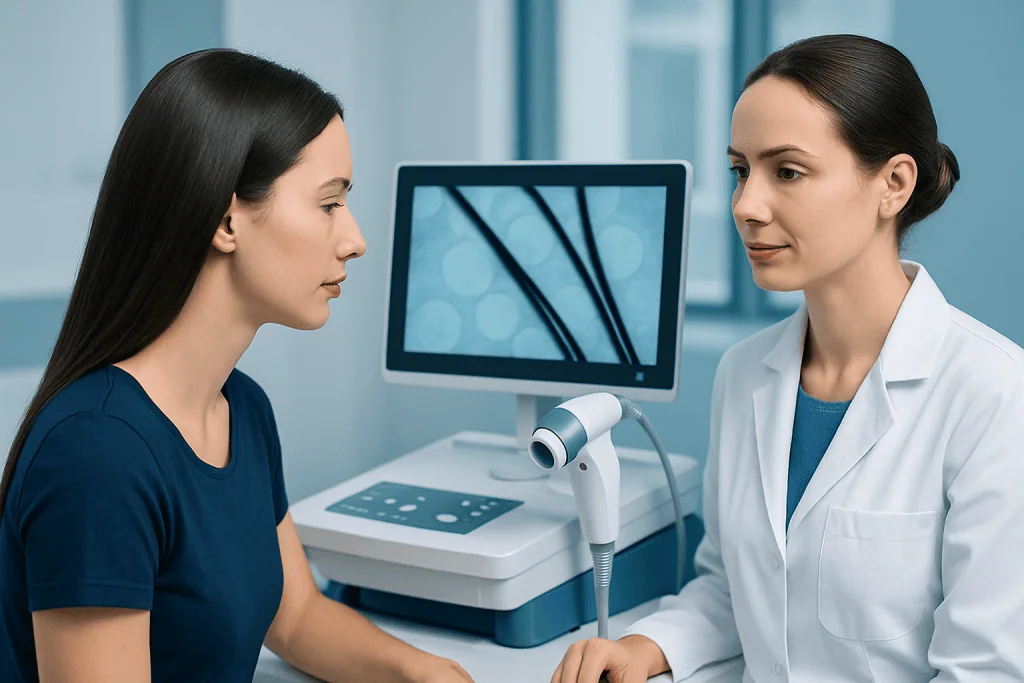
Hair texture begins in the follicle, the small structure in the skin that produces the hair shaft. The shape of the follicle and the way keratin proteins are arranged as the hair grows help determine whether hair comes out straight, wavy, curly, or tightly coiled. In general, a more symmetrical follicle tends to produce straighter strands.
Genes play the largest role, but they are not the only factor. Hormonal shifts during puberty, pregnancy, menopause, or certain medical conditions can influence hair growth patterns and texture. Aging may also change how hair feels, making it finer, drier, or less dense over time even if the basic texture remains straight.
Environmental and grooming factors matter as well. Repeated blow-drying, straightening irons, bleaching, coloring, and relaxing treatments can alter the outer layer of the hair shaft. In some cases, damaged hair may look frizzier, flatter, rougher, or weaker rather than simply straight. This is why a sudden change in the way straight hair behaves is sometimes a sign of hair-shaft injury rather than a true change in natural texture.
Common features and concerns with straight hair

Straight hair has practical advantages, including easier detangling for many people and a glossy appearance when the cuticle is smooth. At the same time, it can develop certain common concerns. Because scalp oil spreads efficiently along straight strands, some people notice that their hair looks greasy sooner after washing. Others find that straight hair can appear flat, especially if it is fine or if product buildup weighs it down.
Breakage is another frequent issue. Fine straight hair may be vulnerable to damage from brushing while wet, high heat, repeated bleaching, or tight ponytails. The ends may split, strands may snap, and the hair can seem thinner even if the root growth is normal. In these cases, the main problem is often hair-shaft fragility rather than hair loss from the follicle.
Straight hair can also reveal scalp problems clearly because reduced volume may make flaking, redness, or thinning more visible. Symptoms that deserve attention include itching, burning, dandruff, patchy hair loss, scalp sores, or increased shedding in the shower or on the pillow. Some of these concerns may relate to hair loss patterns, inflammatory scalp conditions, or nutritional and hormonal factors.
- Oily appearance between washes
- Flatness or reduced volume
- Split ends and breakage
- Static and flyaways in dry conditions
- Visible scalp irritation or thinning
What can cause changes in straight hair
When straight hair changes noticeably, the cause may be external, internal, or both. Heat styling and chemical treatments are among the most common external causes. Frequent use of flat irons, curling tools, bleaching agents, perms, and harsh dyes can weaken the protective cuticle. As a result, the hair may become rough, brittle, dull, or prone to tangling despite still being classified as straight.
Internal causes include stress, nutritional deficiency, thyroid disease, anemia, some medications, recent illness, and hormonal shifts. These factors may affect the growth cycle of the hair, leading to increased shedding or a change in strand quality. Inflammatory scalp disorders can also affect how hair grows and feels. Examples include seborrheic dermatitis, scalp psoriasis, and some fungal infections.
Physical tension from styling is another overlooked cause. Tight buns, braids, extensions, and repeated pulling can stress the follicles and hair shaft. Over time, this may contribute to traction-related thinning or broken hairs around the hairline. If there is persistent loss of density, a dermatologist may assess whether a medical treatment plan or a procedure such as hair transplant is relevant after the cause is identified and stabilized.
How doctors evaluate hair and scalp concerns
Assessment starts with a careful history. A doctor will usually ask when the hair change began, whether shedding or breakage is occurring, what products and styling tools are used, and whether there are scalp symptoms such as itching or pain. They may also ask about stress, diet, menstrual history, recent pregnancy, illness, medication use, and family history of thinning or texture changes.
The physical examination focuses on both the scalp and the hair shaft. The clinician may look for miniaturized hairs, scalp inflammation, flaking, scarring, broken ends, or patterns that suggest traction or genetic hair loss. In some cases, a pull test, dermatoscopic scalp examination, or laboratory tests are used to check for common contributors such as iron deficiency or thyroid problems.
If there are signs of a structural hair-shaft problem, the goal is to distinguish damage from a disorder affecting growth at the follicle. When scalp disease is suspected, doctors may consider conditions such as alopecia areata or other causes of shedding and patchy loss. Evaluation is especially important if the change is sudden, progressive, or accompanied by general symptoms such as fatigue, weight change, or menstrual irregularities.
Care and treatment options for straight hair
Treatment depends on the underlying issue. If straight hair is healthy and the concern is mostly cosmetic, gentle daily care is usually enough. That often means choosing a mild shampoo suited to the scalp type, using conditioner mainly on the mid-lengths and ends, limiting high heat, and avoiding aggressive brushing. Lightweight products may help maintain softness without causing buildup or making the hair appear limp.
When breakage is the main problem, the approach centers on reducing damage. Doctors or hair specialists may advise taking breaks from bleaching and intense heat, trimming split ends, protecting hair from friction, and using nourishing conditioners or masks. If scalp inflammation or dandruff is present, medicated shampoos or other prescription treatments may be recommended depending on the diagnosis.
If the concern is thinning rather than breakage, treatment can involve addressing the trigger, such as correcting a deficiency or managing a hormonal or thyroid issue. Some patients may benefit from medical therapies aimed at preserving or stimulating hair growth. In selected cases, especially after careful evaluation, options such as PRP therapy or a hair restoration procedure may be discussed as part of broader hair care. The right plan depends on whether the problem lies in the scalp, the follicle, the shaft, or everyday hair practices.
Healthy habits, prevention, and self-care
Daily habits can make a significant difference in how straight hair looks and feels. Washing frequency should match the scalp rather than follow a rigid rule. People with oilier scalps may need more frequent washing, while others do well with less. Shampoo should cleanse the scalp without excessive stripping, and conditioner should be applied in a way that protects the ends without coating the roots too heavily.
Heat protection is especially important for straight hair because damage can be visible quickly as dryness, fraying, or loss of smoothness. Lower temperature settings, less frequent hot-tool use, and air-drying when practical can reduce stress on the hair shaft. A wide-tooth comb, gentle towel drying, and minimizing tight hairstyles may also help prevent breakage.
General health supports hair health. Balanced nutrition, adequate protein intake, good sleep, stress management, and treatment of medical conditions all contribute to stronger growth. It is also wise to be cautious with unproven supplements or social media trends that promise dramatic texture changes. Patients should seek advice from a qualified clinician before starting new products or therapies, particularly if there is significant shedding or scalp inflammation.
When to seek medical care
Most straight hair concerns can be managed with improved hair care, but some symptoms should not be ignored. Medical evaluation is recommended when hair texture changes suddenly, shedding becomes heavy, the scalp is painful or inflamed, or there are visible patches of hair loss. Persistent dandruff, redness, crusting, or sores also deserve attention because they may signal a treatable scalp condition.
It is also sensible to seek care if hair changes occur along with fatigue, weight changes, temperature sensitivity, acne, menstrual changes, or other symptoms that could suggest a hormonal, thyroid, or nutritional issue. Early assessment may help identify reversible causes and reduce ongoing damage to the hair or scalp.
For international patients who need specialist assessment, Acibadem International’s multidisciplinary teams and JCI-accredited hospitals evaluate hair and scalp concerns and provide individualized treatment when appropriate. The most helpful first step is an evidence-based medical review rather than guessing from appearance alone.
Frequently asked questions
Is straight hair healthier than curly or wavy hair?
No. Straight hair is not automatically healthier than other hair types. Hair health depends more on scalp condition, hair-shaft strength, grooming habits, and overall health than on texture alone.
Why does straight hair get oily so quickly?
Natural oils from the scalp can travel down straight strands more easily than they do on curlier hair. This can make straight hair look greasy sooner, even when the scalp is healthy.
Can straight hair suddenly become frizzy or rough?
Yes. Heat, chemical processing, sun exposure, hard water, and mechanical damage can make straight hair feel rougher or look frizzier. In some cases, hormonal changes or scalp conditions may also contribute.
Does straight hair break more easily?
It can, especially if the hair is fine or exposed to frequent heat styling and bleaching. Straight hair may show split ends and snapping clearly, but breakage risk depends more on damage and strand thickness than texture itself.
When should someone worry about changes in straight hair?
A person should seek medical advice if they notice sudden shedding, patchy loss, scalp pain, redness, scaling, or a rapid change in texture. Hair changes accompanied by fatigue, weight changes, or menstrual irregularities also deserve evaluation.
Can diet affect straight hair?
Yes. Hair growth depends on adequate nutrition, including enough protein and key vitamins and minerals. Poor intake, restrictive diets, or nutrient deficiencies may contribute to increased shedding or weaker hair.
References
- American Academy of Dermatology
- National Institute of Arthritis and Musculoskeletal and Skin Diseases
- Mayo Clinic
- British Association of Dermatologists
This article is for general information only and is not a substitute for professional medical advice. Please consult a qualified doctor about your individual situation.
Hair transplant in Turkey — costs, graft counts & a free assessment
JCI-accredited · board-certified surgeons · reply within 24h

More from the Health Library



Related Specialists

Dr. Macit Dokur
Inpatient Clinic Physicians Clinical Service
Dr. Ayşe Özboz
Anesthesiology
Dr. Fatmanur Yildirim
Physical Medicine & Rehabilitation
Emre Erden
Physical Medicine & Rehabilitation