Walk Pad: An Evidence-Based Guide for Patients
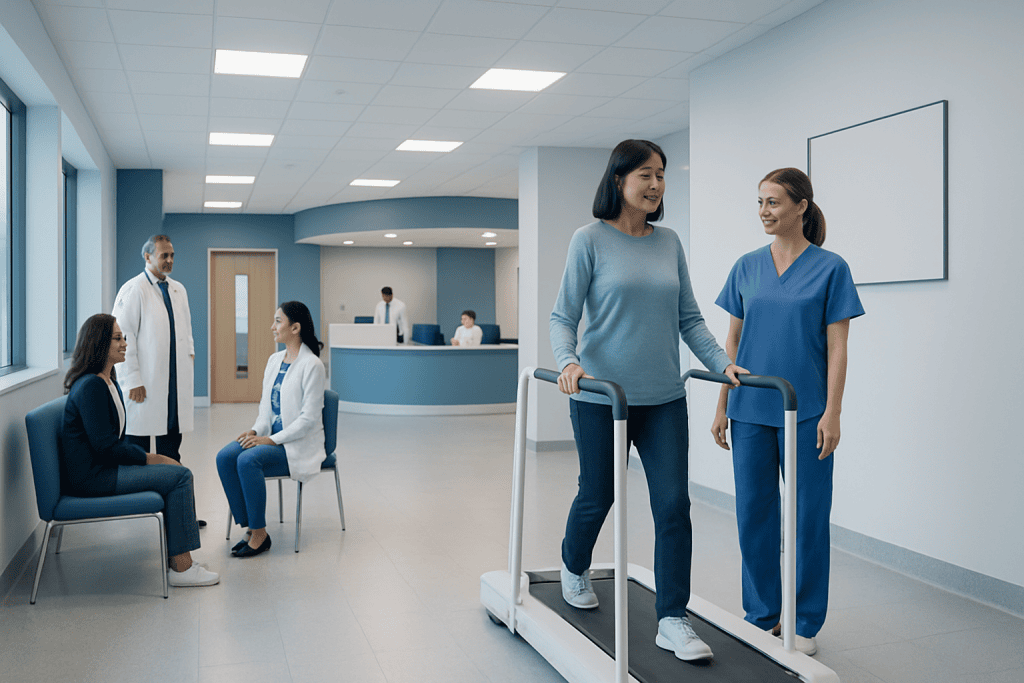
A walk pad can help increase daily walking and reduce long periods of sitting. It is best used as part of a balanced activity plan, not as a complete substitute for other exercise.
Key Takeaways
- A walk pad can help increase daily walking and reduce long periods of sitting.
- It is best used as part of a balanced activity plan, not as a complete substitute for other exercise.
- Proper setup, footwear, posture, and pace help lower the risk of falls, strain, and overuse injuries.
- People with heart, balance, joint, or neurological conditions may need medical advice before starting.
- Any chest pain, severe shortness of breath, dizziness, or new leg pain during walking should be assessed by a doctor.
A walk pad is a compact treadmill designed for indoor walking, often in small spaces or under a desk. For many people, it can be a practical way to increase daily movement, but safe use, realistic goals, and individual medical needs matter.
Overview: what a walk pad is and who it may help
A walk pad is a slim, compact treadmill made mainly for walking at home or in an office. Many models fit under a desk or bed, making them appealing for people who want more movement during the day but have limited space or time. In simple terms, a walk pad can be a convenient tool to help a person walk more often indoors.
From a health perspective, the main benefit of a walk pad is that it may reduce sedentary time and make regular low-impact activity easier to maintain. Walking is associated with better cardiovascular fitness, improved blood sugar control, support for weight management, and better mood and energy in many adults. A walk pad does not need to be used at high speed to be useful; steady, comfortable walking can still contribute to overall health.
That said, a walk pad is not the right choice for everyone. People with major balance problems, recent surgery, significant joint pain, severe heart or lung symptoms, or conditions affecting gait may need a personalized assessment first. For some, alternatives such as supervised rehabilitation, outdoor walking, or a standard treadmill with handrails may be safer.
Potential health benefits of using a walk pad

The strongest reason many patients choose a walk pad is consistency. Short walking sessions spread through the day can help a person accumulate more total movement, especially if work involves prolonged sitting. Even light to moderate walking may support circulation, joint mobility, digestion after meals, and day-to-day stamina.
A walk pad may also help some people build an exercise habit because it lowers common barriers. Bad weather, busy schedules, and lack of nearby walking routes often make activity less regular. Having an indoor option can make it easier to take brief movement breaks, walk while listening to a meeting, or add a short session before or after work.
For people trying to support heart and metabolic health, indoor walking can be one useful part of a broader plan that may also include nutrition changes, strength training, sleep improvement, and medical follow-up. Patients who are already being evaluated for obesity or who are working on cardiovascular risk reduction may find that a walk pad makes daily activity more realistic.
- Supports daily step goals and routine movement
- May help break up long sitting periods
- Provides a low-impact option compared with running
- Can be easier to continue consistently in small spaces
Limitations and possible risks

Although a walk pad is often marketed as simple and safe, it still carries potential risks. The most important are falls, loss of balance, and overuse injuries. Because some models are narrow, low to the ground, or used without side rails, they may be less forgiving for older adults or anyone with dizziness, neuropathy, or weakness.
Using a walk pad while typing, reading, or taking calls may divide attention. For some people this is manageable at very low speeds, but distraction can increase the chance of missteps. Poor posture during under-desk walking may also contribute to neck, shoulder, back, hip, or knee discomfort over time.
Another limitation is that a walk pad usually provides only one type of activity. It can improve movement volume, but it does not replace all aspects of a complete exercise program. Most adults also benefit from muscle-strengthening work, balance exercises, and flexibility training. Patients with chronic knee pain, back pain, or suspected arthritis should pay attention to symptoms and avoid pushing through pain.
Who should use caution before starting
A walk pad may be appropriate for many healthy adults, but some groups should be more careful. Anyone with known heart disease, fainting, severe shortness of breath, uncontrolled high blood pressure, significant lung disease, advanced diabetes complications, or recent injury should consider checking with a clinician before beginning a new walking routine.
People with balance disorders, vertigo, peripheral neuropathy, foot ulcers, severe obesity, visual impairment, or neurological conditions may need a more individualized plan. In these cases, the safest form of exercise may depend on gait stability, reaction time, and whether supervision or hand support is needed. A doctor may recommend evaluation through check-up and screening before increasing activity.
Recovery after surgery or hospitalization is another situation where guidance matters. Starting too quickly can worsen pain or delay healing. Some patients benefit from a gradual rehabilitation plan, and when joint degeneration or recurrent pain is involved, assessment by specialists offering orthopedic rehabilitation may be more suitable than independent exercise at home.
How to use a walk pad safely and effectively
Safe use begins with the setup. The device should be placed on a flat, stable surface with enough free space around it. The user should wear supportive footwear unless the manufacturer clearly states otherwise, and loose clothing should be avoided if it could catch. The first sessions should be short and slow so the body can adapt.
Many people do best by starting with 5 to 10 minutes at an easy pace, then slowly increasing duration before increasing speed. Holding a conversation without gasping is a simple way to judge moderate effort for many adults. Warm-up and cool-down time can help reduce stiffness, especially for people with tight calves, hip discomfort, or previous back pain.
Good posture matters. The head should stay upright, shoulders relaxed, and steps natural rather than overly long. If a person uses the walk pad while working, a very slow speed is usually safer than trying to multitask at a brisk pace. Any persistent pain, limping, or repeated loss of balance should be taken as a sign to stop and review technique or seek advice.
- Start slowly and increase time gradually
- Use the safety features recommended by the manufacturer
- Keep children and pets away during use
- Stop immediately for chest pain, dizziness, or severe breathlessness
How a walk pad fits into a balanced exercise plan
A walk pad works best when viewed as one practical tool rather than a complete fitness solution. Walking helps with endurance and daily movement, but overall health also depends on muscle strength, joint stability, flexibility, sleep, stress management, and nutrition. A balanced routine often includes two or more sessions of strengthening exercise each week, along with regular walking.
Patients with joint pain may benefit from alternating walk pad sessions with lower-impact activities such as cycling, swimming, or guided mobility work. Those with back or leg symptoms may also need an evaluation for posture, footwear, muscle imbalance, or underlying spine and joint conditions. In some cases, a clinician may recommend supervised physical therapy and rehabilitation to build safe movement patterns.
It can also help to set function-based goals instead of focusing only on calories or speed. Examples include walking comfortably for 20 minutes, breaking up sitting every hour, or improving tolerance for stairs and daily tasks. These realistic targets are often easier to sustain and may better reflect meaningful health progress.
When to seek medical care
A person should seek prompt medical care if walking on a walk pad causes chest pain, pressure, fainting, severe shortness of breath, sudden weakness, or a new irregular heartbeat sensation. These symptoms are not typical effects of ordinary exercise and should not be ignored. Sudden calf swelling, one-sided leg pain, or marked exercise intolerance also deserves evaluation.
Non-urgent medical advice is appropriate if the walk pad repeatedly causes knee, hip, ankle, or back pain; if numbness or tingling occurs during walking; or if balance feels unsafe even at slow speed. People with diabetes should pay attention to foot discomfort, skin irritation, or pressure areas, especially if sensation is reduced.
If there is uncertainty about whether a walk pad is appropriate, a clinician can review medical history, medications, mobility, and exercise goals. Near the end of a care pathway, some international patients also look for multidisciplinary assessment; Acibadem International’s specialists in JCI-accredited hospitals evaluate mobility, rehabilitation, cardiovascular status, and related concerns when needed.
Frequently asked questions
Is a walk pad good exercise?
For many people, yes. A walk pad can be a practical form of low-impact aerobic activity that helps reduce sedentary time and increase daily walking. Its value depends on regular use, safe technique, and whether it fits the person's medical condition and overall exercise plan.
Can a walk pad help with weight management?
It can support weight management by helping a person move more consistently and expend more energy through the day. However, weight change usually depends on several factors, including nutrition, sleep, medications, health conditions, and total activity level. A walk pad is most useful as part of a broader long-term plan.
Is it safe to use a walk pad under a desk while working?
It can be safe for some people at a slow pace, especially once they are comfortable with the device. The main concern is distraction, which may increase the risk of missteps or poor posture. Starting without multitasking and adding desk work only after confidence improves is usually the safer approach.
Who should avoid using a walk pad without medical advice?
People with heart symptoms, severe balance problems, recent surgery, major joint pain, fainting, advanced neuropathy, or significant mobility limitations should speak with a clinician first. This is also wise for people with chronic diseases that affect exercise tolerance. A personalized plan can help reduce risk and improve results.
What speed should a beginner use on a walk pad?
A beginner should generally start at a comfortable, slow walking pace that feels steady and controlled. The goal is to develop safe movement and tolerance before increasing speed or duration. If conversation becomes difficult, balance feels uncertain, or pain develops, the pace is likely too high.
Can a walk pad replace outdoor walking or other exercise?
Usually not completely. A walk pad is useful for indoor walking and building daily activity, but it does not replace strength training, balance work, stretching, or all the benefits some people get from outdoor movement. A mixed routine is often more complete and sustainable.
References
- World Health Organization
- Centers for Disease Control and Prevention
- American Heart Association
- American College of Sports Medicine
This article is for general information only and is not a substitute for professional medical advice. Please consult a qualified doctor about your individual situation.
Explore treatments in Turkey — costs, top hospitals & a free quote
JCI-accredited · board-certified surgeons · reply within 24h
Add us as a Preferred Source to see more of our trusted health content across Google Search, AI Overviews and Discover.
Check your numbers in seconds
BMI, calories, due date, blood pressure and 30+ more clinical calculators — free, instant, doctor-reviewed ranges.

More from the Health Library

Lube for Vagina: An Evidence-Based Guide for Patients

Fear of the Unknown — Explained by Medical Evidence, Not Myths

Age Regression — Explained by Medical Evidence, Not Myths

Signs That Diabetes Is Killing You: A Complete Medical Overview

UTI test strips: Symptoms, Causes, and Treatment — Complete Patient Guide