Postpartum: An Evidence-Based Guide for Patients

The postpartum period includes physical healing, hormonal shifts, emotional adjustment, and infant care demands. Bleeding, fatigue, breast changes, mood swings, and pelvic discomfort can be normal early on, but severe symptoms should not be ignored.
Key Takeaways
- The postpartum period includes physical healing, hormonal shifts, emotional adjustment, and infant care demands.
- Bleeding, fatigue, breast changes, mood swings, and pelvic discomfort can be normal early on, but severe symptoms should not be ignored.
- Postpartum depression, heavy bleeding, infection, and blood clots are important complications that need medical attention.
- Rest, nutrition, hydration, follow-up visits, and asking for support are central parts of healthy postpartum recovery.
- Prompt medical care is important for chest pain, trouble breathing, severe headache, fever, heavy bleeding, or thoughts of self-harm.
Postpartum is the period after childbirth when a person’s body, hormones, and daily routines adjust to life after pregnancy. Recovery is different for everyone, but understanding what is normal, what is not, and when to seek care can make this stage safer and less stressful.
Overview: what postpartum means
Postpartum refers to the weeks and months after childbirth, when the body begins healing from pregnancy and delivery and the mind adjusts to major hormonal, physical, and emotional changes. This period starts immediately after birth and often receives the most attention in the first six weeks, but recovery and adjustment can continue for much longer.
For many people, postpartum includes vaginal bleeding, uterine cramping, breast changes, sleep disruption, fatigue, and changing emotions. These experiences can be normal, but they vary depending on whether the birth was vaginal or cesarean, whether there were complications during pregnancy, and whether the parent is breastfeeding or chestfeeding.
Postpartum care is not only about healing from birth. It also includes mental health, pelvic floor recovery, pain control, blood pressure monitoring, contraception planning, nutrition, and support with infant feeding. A patient-centered approach recognizes that recovery is not a single event but a process that may require follow-up and individualized care.
Common postpartum symptoms and body changes
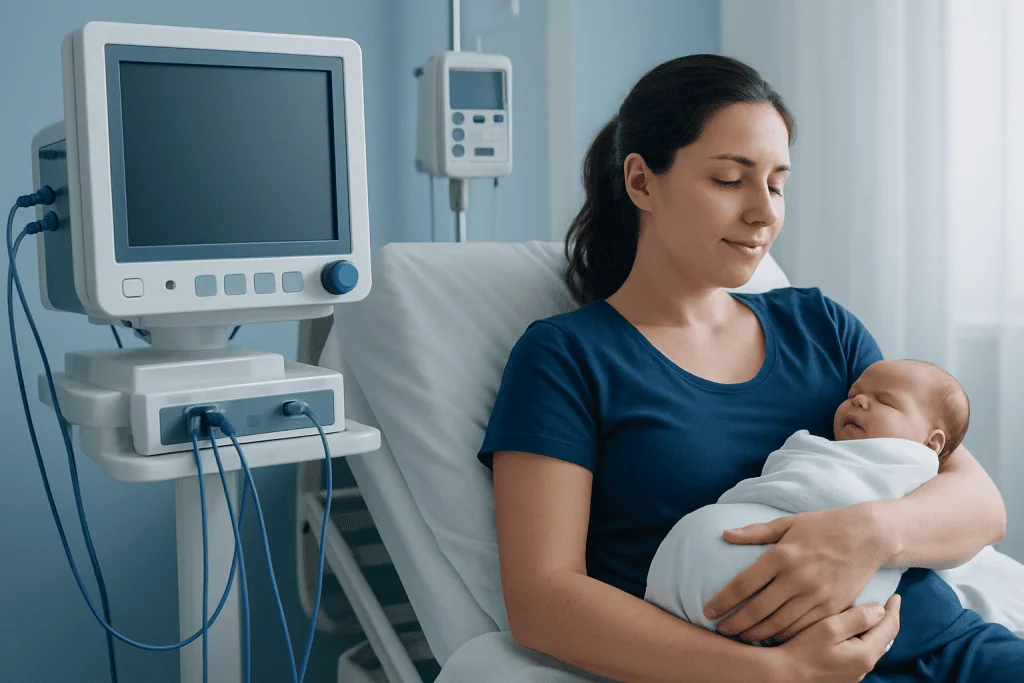
In the first days and weeks after delivery, the uterus contracts back toward its pre-pregnancy size. This can cause cramping, especially during breastfeeding. Vaginal bleeding called lochia is also expected. It usually starts heavier and red, then becomes lighter and changes color over time. Some pelvic soreness, swelling, constipation, hemorrhoids, and discomfort with urination may also occur.
Breast fullness, leaking milk, tender nipples, and shifts in appetite or thirst are also common. After cesarean birth, incision pain and reduced mobility may add to the recovery process. Tiredness is expected because sleep is often interrupted and the body is using energy to heal.
Emotional changes are also common. Many new parents experience brief mood swings, tearfulness, irritability, or feeling overwhelmed in the first one to two weeks. These “baby blues” are different from more persistent or severe mental health symptoms. Knowing this difference is important, because postpartum mood disorders are treatable and should not be seen as a personal failure.
- Normal early symptoms may include light-to-moderate bleeding, cramping, fatigue, and breast changes.
- Pelvic floor weakness can lead to urine leakage or heaviness in the pelvis.
- Pain should gradually improve, not steadily worsen.
- Any symptom that feels severe, sudden, or frightening deserves medical advice.
What affects postpartum recovery
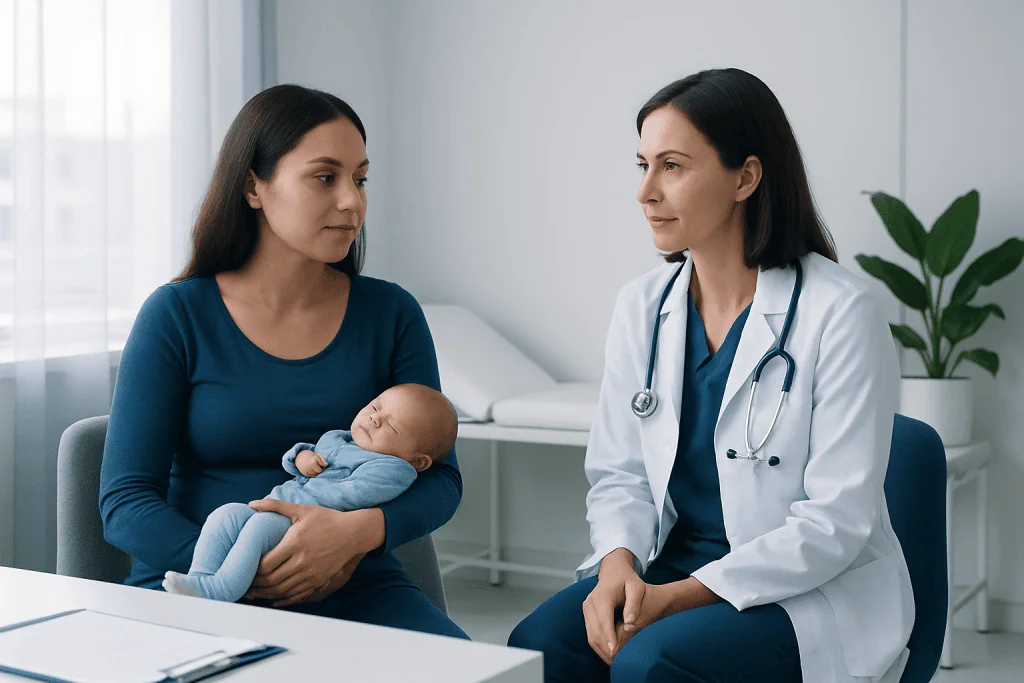
Recovery is shaped by many factors before, during, and after birth. A complicated pregnancy, prolonged labor, heavy blood loss, infection, high blood pressure, gestational diabetes, cesarean delivery, or severe perineal tears can all make healing slower or more medically complex. Preexisting medical conditions such as anemia, thyroid disease, depression, or anxiety can also influence how a person feels after delivery.
Social and practical factors matter as well. Limited sleep, poor access to follow-up care, pain, difficulties with feeding the baby, lack of family support, and financial or housing stress can increase strain during the postpartum period. Recovery is not only biological; it is strongly affected by the environment around the new parent.
Some postpartum problems may develop even after a healthy pregnancy and birth. These include infection, blood clots, high blood pressure disorders, and mental health conditions. Patients who had pregnancy-related hypertension or preeclampsia should be especially alert, as blood pressure problems can continue or begin after delivery. If there are warning signs that could suggest preeclampsia, urgent assessment is needed.
Emotional health in the postpartum period
Mental and emotional recovery deserves the same attention as physical healing. Short-lived moodiness in the first days after birth is common, but ongoing sadness, hopelessness, intense anxiety, panic, loss of interest, or difficulty bonding with the baby are not symptoms to ignore. These may be signs of postpartum depression or another postpartum mental health condition.
Some people mainly experience anxiety rather than low mood. They may feel constantly on edge, unable to sleep even when the baby sleeps, or overwhelmed by intrusive worries about the baby’s safety. Others may develop irritability, guilt, or a sense that they are not coping. These symptoms can affect any parent and can start days or weeks after delivery.
Rarely, severe confusion, agitation, hallucinations, or delusional thinking can occur. This is a psychiatric emergency. Early recognition matters because effective treatment is available. If symptoms of depression or anxiety are significant, a doctor may recommend counseling, structured support, or referral for psychiatric care as part of a broader postpartum plan.
How postpartum concerns are evaluated
Postpartum assessment starts with listening carefully to symptoms and reviewing the pregnancy, labor, delivery, and current medications. A clinician may ask about bleeding, pain, fever, urination, bowel movements, breastfeeding, mood, sleep, blood pressure, headaches, swelling, and support at home. This broad approach is important because postpartum concerns often involve more than one body system.
A physical examination may include checking blood pressure, pulse, temperature, the abdomen, the uterus, the breasts, the perineum or incision, and the legs for swelling or tenderness. Depending on symptoms, tests may include blood work to look for anemia or infection, urine tests, wound assessment, pelvic examination, or imaging. If chest pain, shortness of breath, or one-sided leg swelling is present, doctors may investigate urgently for a pulmonary embolism or deep vein thrombosis.
Follow-up visits after delivery are an important part of diagnosis and prevention. These visits allow clinicians to identify issues such as persistent hypertension, healing problems, thyroid changes, pelvic floor dysfunction, or mood disorders before they become more serious. Patients should feel comfortable discussing symptoms they may otherwise dismiss, including urine leakage, painful sex, or distressing emotional changes.
Treatment and support options
Treatment depends on the specific postpartum issue. Many symptoms improve with time, rest, hydration, nutrition, pain relief recommended by a clinician, and gradual return to activity. Vaginal or perineal discomfort may improve with cold packs, sitz baths, and careful hygiene. After cesarean birth, incision care and mobility guidance are important. Constipation may improve with fluids, fiber, and medical advice about safe stool-softening options.
Some conditions need targeted treatment. Heavy bleeding may require urgent evaluation. Infection may need antibiotics. High blood pressure requires monitoring and sometimes medication. Significant pelvic floor symptoms may improve with guided rehabilitation, including physical therapy and rehabilitation. If feeding difficulties arise, support from trained lactation professionals can help reduce pain and improve milk transfer.
When pain, bleeding, or retained tissue is suspected inside the uterus, doctors may use imaging or procedural care. If there is concern about complications related to the uterus or ovaries, a gynecologic evaluation may be recommended, sometimes alongside obstetrics and gynecology follow-up. Near the end of the postpartum journey, some international patients may seek coordinated care; Acibadem International’s multidisciplinary specialists and JCI-accredited hospitals diagnose and treat postpartum-related conditions when specialist input is needed.
Self-care, recovery habits, and prevention
Although postpartum recovery cannot be rushed, supportive habits can make healing smoother. Rest is essential, even if uninterrupted sleep is difficult. Accepting help with meals, household tasks, and infant care can lower physical strain and emotional stress. Gentle movement, as advised by a clinician, may support circulation and comfort once it is safe to resume.
Balanced nutrition and adequate fluid intake support tissue healing, bowel function, and energy. Iron-rich foods may be helpful after blood loss, especially if anemia is present. Good incision or perineal hygiene, handwashing, and changing pads regularly can reduce infection risk. Patients should follow their clinician’s guidance about bathing, exercise, lifting, driving, and sexual activity.
Prevention also includes mental health check-ins and attending scheduled follow-up visits. It helps to make a simple plan for warning signs, emergency contacts, medication use, infant feeding support, and contraception. After pregnancy, some people may also need evaluation for issues such as persistent high blood pressure or abnormal glucose levels, especially if they had pregnancy-related complications.
When to seek medical care
Patients should seek prompt medical advice if they have bleeding that is suddenly much heavier, large blood clots, fever, worsening abdominal or pelvic pain, foul-smelling discharge, redness or discharge from a cesarean incision, or pain and swelling in one leg. Medical review is also important for severe constipation, inability to urinate, worsening breast pain, or symptoms that do not gradually improve.
Emergency care is needed for chest pain, trouble breathing, seizures, fainting, severe headache, vision changes, new confusion, or heavy bleeding that soaks pads quickly. These symptoms can signal serious postpartum complications and should not be watched at home. Urgent assessment is also needed for thoughts of self-harm, thoughts of harming the baby, or hearing or seeing things others do not.
A person does not need to wait for a routine checkup if something feels wrong. Many important postpartum conditions are treatable, especially when recognized early. If there is uncertainty, contacting a qualified doctor, maternity team, or emergency service is the safest step.
Frequently asked questions
How long does the postpartum period last?
Postpartum begins immediately after childbirth and is often discussed as the first six weeks. In practice, physical and emotional recovery can continue for several months, and some changes such as pelvic floor symptoms or mood concerns may need longer follow-up.
What bleeding is normal after birth?
Vaginal bleeding called lochia is expected after delivery, even after a cesarean birth. It usually starts heavier and gradually becomes lighter over time. Bleeding that suddenly becomes very heavy, contains large clots, or is associated with dizziness or fainting needs urgent medical care.
Is it normal to feel emotional in the first days after delivery?
Yes. Brief mood swings, tearfulness, and feeling overwhelmed can happen in the first one to two weeks because of hormone shifts, exhaustion, and adjustment. If symptoms are intense, last longer, or include hopelessness, panic, or trouble bonding with the baby, a doctor should be consulted.
When should postpartum pain improve?
Some pain and soreness are common in the first days and weeks, especially after a cesarean birth or perineal tear. The general pattern should be gradual improvement. Pain that worsens, is severe, or comes with fever, heavy bleeding, or foul-smelling discharge should be assessed.
Can postpartum problems happen after going home from the hospital?
Yes. Some important complications appear days or even weeks after discharge, including infection, high blood pressure, blood clots, and mood disorders. That is why follow-up visits and attention to warning signs are so important.
What are signs that postpartum depression may be present?
Possible signs include persistent sadness, hopelessness, loss of interest, severe anxiety, panic, guilt, or difficulty bonding with the baby. Thoughts of self-harm or harm to the baby require emergency help right away. Postpartum depression is treatable, and seeking care early can make recovery easier.
References
- American College of Obstetricians and Gynecologists
- Centers for Disease Control and Prevention
- World Health Organization
- National Institute of Mental Health
- Royal College of Obstetricians and Gynaecologists
This article is for general information only and is not a substitute for professional medical advice. Please consult a qualified doctor about your individual situation.
Explore treatments in Turkey — costs, top hospitals & a free quote
JCI-accredited · board-certified surgeons · reply within 24h
Add us as a Preferred Source to see more of our trusted health content across Google Search, AI Overviews and Discover.
Check your numbers in seconds
BMI, calories, due date, blood pressure and 30+ more clinical calculators — free, instant, doctor-reviewed ranges.