Pins and Needles in the Lips — Explained by Medical Evidence, Not Myths
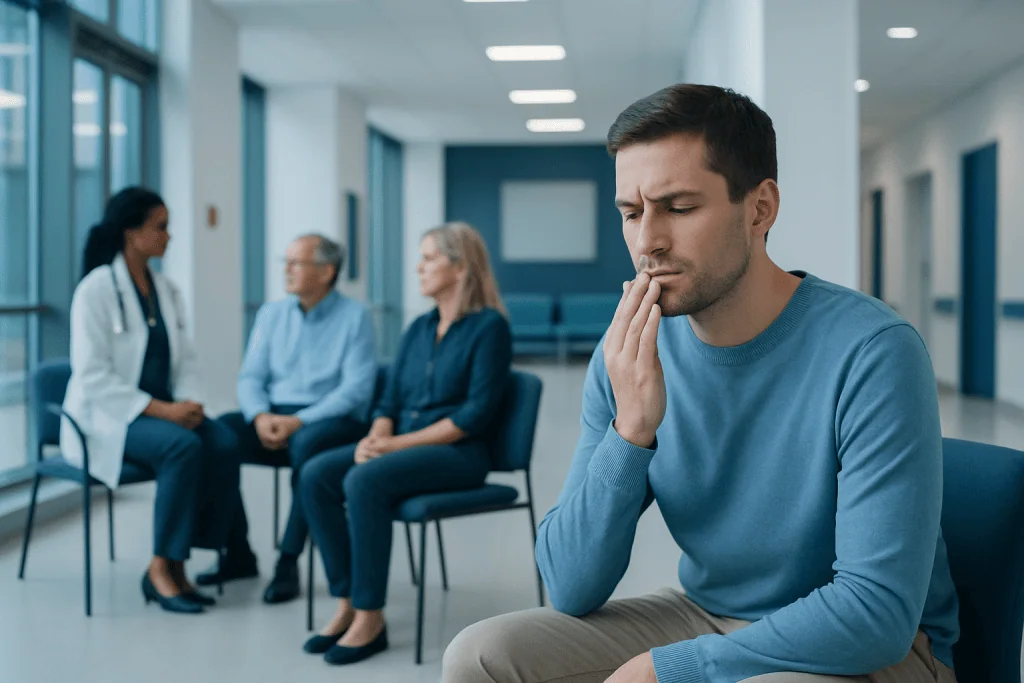
Pins and needles in the lips is a form of paresthesia, an abnormal tingling or prickling sensation. Common short-term triggers include cold exposure, pressure on a nerve, anxiety-related hyperventilation, and minor irritation.
Key Takeaways
- Pins and needles in the lips is a form of paresthesia, an abnormal tingling or prickling sensation.
- Common short-term triggers include cold exposure, pressure on a nerve, anxiety-related hyperventilation, and minor irritation.
- Possible medical causes include allergies, vitamin deficiencies, migraine, infections, dental problems, and nerve conditions.
- Urgent care is needed if lip tingling occurs with stroke-like symptoms, severe swelling, breathing difficulty, or sudden weakness.
- Diagnosis depends on the pattern of symptoms and may include an examination, blood tests, and sometimes imaging or nerve-related evaluation.
Pins and needles in the lips usually means the lip nerves are being temporarily irritated, often by pressure, cold, anxiety-related breathing changes, or mild allergy. When the feeling lasts, keeps returning, or happens with weakness, facial droop, or trouble speaking, it should be assessed by a doctor.
What pins and needles in the lips usually means
Pins and needles in the lips is a common description of paresthesia, a tingling, prickling, or lightly numb sensation. In many cases, it happens when a small sensory nerve is temporarily irritated and the feeling settles on its own. Everyday triggers can include pressure on the area, exposure to cold air, emotional stress, or breathing too quickly during anxiety.
Medical evidence shows that lip tingling is a symptom rather than a diagnosis. The lips contain many small sensory nerve endings, so even mild changes in blood flow, skin irritation, inflammation, or nerve signaling can be noticed quickly. That is why the symptom can feel dramatic even when the cause is short-lived and not serious.
At the same time, persistent or repeated symptoms deserve attention because they can occasionally point to a treatable underlying condition. The meaning depends on details such as whether one or both lips are affected, how long the sensation lasts, whether there is visible swelling or rash, and whether other symptoms appear at the same time.
How the symptom can feel and what patterns matter

People describe pins and needles in the lips in different ways. It may feel like tingling, buzzing, crawling, burning, slight numbness, or reduced sensation after dental work. Some notice it only on the upper or lower lip, while others feel it around the mouth or in the tongue and cheeks as well.
The pattern can offer useful clues. A brief episode after being out in the cold or after resting pressure on the face is often benign. Tingling that starts after a new food, medicine, or cosmetic product may suggest irritation or allergy. Episodes linked to headache, flashing lights, or sensory changes elsewhere can occur with migraine.
Doctors also pay attention to associated symptoms. These can include lip swelling, itching, rash, mouth sores, facial pain, drooling, weakness, dizziness, changes in speech, or difficulty swallowing. When symptoms spread beyond the lips or are paired with weakness or coordination problems, a broader neurological evaluation may be needed.
- One-sided tingling may suggest a local nerve issue, dental problem, or neurological cause.
- Both lips tingling may be more consistent with breathing changes, allergy, nutritional imbalance, or a systemic cause.
- Sudden tingling with facial droop or speech difficulty is an emergency.
Common causes and risk factors

Short-term lip tingling often comes from local irritation. Examples include dry or chapped lips, cold weather, spicy foods, minor trauma, dental anesthesia, or pressure on a sensory nerve during sleep. Hyperventilation during stress or panic can also change carbon dioxide levels in the blood and produce tingling around the mouth and in the fingers.
Allergic reactions are another important cause. Foods, medicines, lip balms, toothpaste, latex, and cosmetic products can irritate the skin or trigger allergy-related tingling, itching, or swelling. Oral allergy syndrome, which can occur in people with pollen allergies after eating certain raw fruits or vegetables, may cause itching or tingling of the lips and mouth shortly after exposure.
Several medical conditions may also be involved. These include vitamin B12 deficiency and other nutritional deficiencies, low calcium, some infections such as cold sores, shingles, or sinus and dental infections, and nerve irritation after dental procedures. Less commonly, tingling may occur with multiple sclerosis, seizures, metabolic disorders, or as part of a warning sign before or during stroke.
Risk factors depend on the cause but may include recent dental treatment, migraine history, known allergies, restrictive diets, diabetes, certain medications, smoking, and autoimmune or neurological disease. The symptom is not enough by itself to identify the cause, which is why the overall context matters.
How doctors evaluate lip tingling
Diagnosis starts with a medical history and physical examination. A doctor will usually ask when the pins and needles began, whether it is constant or intermittent, whether it affects one or both sides, and what seems to trigger it. They will also ask about recent dental work, new foods or medicines, skin products, headaches, stress, infections, and any numbness or weakness elsewhere.
The examination may include checking sensation in the face, strength of the facial muscles, speech, reflexes, skin changes, mouth ulcers, signs of swelling, and the condition of the teeth and gums. If the symptom appears related to dental or jaw problems, dental assessment may be helpful. If allergy is suspected, avoiding the possible trigger and further allergy evaluation may be recommended.
Tests are guided by the likely cause rather than ordered routinely for everyone. These may include blood tests for vitamin levels, glucose, calcium, thyroid function, or inflammation. If there are neurological warning signs or ongoing one-sided symptoms, imaging such as MRI scan or CT scan may be used to check the brain, facial structures, or nearby tissues. In selected cases, evaluation by a neurologist, dentist, ENT specialist, or dermatologist is appropriate.
Treatment depends on the underlying cause
There is no single treatment for pins and needles in the lips because the symptom can have many causes. Mild cases caused by cold, pressure, or temporary irritation often improve once the trigger is removed. Protecting the lips from harsh weather, staying hydrated, and avoiding products that sting or inflame the lips may be enough.
When the cause is allergy or irritation, management focuses on identifying and avoiding the trigger. If an infection such as a cold sore, dental infection, or shingles is responsible, appropriate medical or dental treatment is needed. If a vitamin deficiency or metabolic imbalance is found, correcting it often helps the symptoms improve over time.
Neurological causes are managed according to the diagnosis. For example, people with repeated episodes linked to headaches may need assessment and treatment for migraine treatment. If there are signs of central nervous system disease or ongoing nerve-related symptoms, a specialist may recommend further monitoring, rehabilitation, or targeted therapy.
Self-treatment should be cautious. Numbness or tingling should not be ignored if it is getting worse, spreading, or accompanied by speech problems, facial asymmetry, severe headache, or weakness. In those situations, prompt medical evaluation is the safest step.
Self-care and prevention strategies
Prevention is mainly about reducing known triggers and supporting nerve and skin health. For many people, simple steps help a great deal: protecting the lips from wind and cold, using gentle fragrance-free lip care, avoiding known irritants, and staying well hydrated. If tingling is linked to stress, breathing exercises and stress-management techniques may reduce episodes related to hyperventilation.
Good oral health is also important. Gum disease, dental infections, and pressure from dental procedures can contribute to lip symptoms. Regular dental checkups, treatment of mouth sores, and prompt attention to tooth pain can lower the chance of recurring irritation around the lips and face.
A balanced diet supports normal nerve function. Foods that provide vitamin B12, folate, iron, and other essential nutrients may help reduce deficiency-related symptoms. People who follow restrictive diets, have digestive disorders, or have had unexplained numbness should discuss nutritional screening with a clinician rather than starting supplements without guidance.
- Keep a symptom diary to track timing, foods, products, and associated symptoms.
- Avoid newly introduced cosmetics or oral care products if symptoms began after using them.
- Seek review if episodes are recurring, one-sided, or associated with headaches or dental pain.
When to seek medical care
Medical care is important if pins and needles in the lips lasts more than a short time, keeps returning without a clear reason, or becomes more intense. A routine appointment is also sensible if there is swelling, mouth pain, recurring cold sores, dental symptoms, or tingling that spreads to the tongue, face, or hands.
Urgent care is needed if lip tingling happens with symptoms that may suggest a serious allergic or neurological problem. These include difficulty breathing, swelling of the tongue or throat, hives, facial droop, trouble speaking, confusion, sudden severe headache, loss of vision, or weakness on one side of the body. These symptoms should not be observed at home.
For international patients who need multidisciplinary assessment, Acibadem International’s JCI-accredited hospitals evaluate and treat neurological, dental, allergy-related, and imaging causes of symptoms such as lip tingling. When clinically appropriate, this may include advanced evaluation with neurology care and imaging in a coordinated setting.
Frequently asked questions
Is pins and needles in the lips usually serious?
Often it is not serious and may come from temporary nerve irritation, cold exposure, anxiety-related overbreathing, or minor allergy. It becomes more important to assess when it lasts, returns often, or appears with swelling, weakness, or speech changes.
Can anxiety cause tingling in the lips?
Yes. Anxiety can lead to rapid breathing, which can change blood chemistry enough to cause tingling around the mouth and in the hands. Even so, repeated or unusual symptoms should be discussed with a clinician to rule out other causes.
Can a vitamin deficiency cause tingling lips?
Yes, deficiencies such as low vitamin B12 can affect nerve function and may contribute to tingling or numbness. A doctor may recommend blood tests if symptoms are persistent, unexplained, or accompanied by fatigue or other neurological complaints.
Should lip tingling after dental work be expected?
Temporary numbness or tingling can happen after local anesthesia or pressure on a small nerve during dental treatment. If the sensation does not gradually improve, becomes painful, or lasts longer than expected, the dentist or doctor should review it.
Is lip tingling a sign of stroke?
Lip tingling alone is not a typical way stroke presents, but it can occur alongside other symptoms in some cases. Emergency help is needed if it happens with facial droop, arm weakness, sudden confusion, or trouble speaking.
How is the cause of tingling lips diagnosed?
Doctors usually start with a symptom history and physical examination, including questions about triggers, allergies, dental work, headaches, and neurological symptoms. Depending on the findings, they may suggest blood tests, dental evaluation, allergy assessment, or imaging.
This article is for general information only and is not a substitute for professional medical advice. Please consult a qualified doctor about your individual situation.
Explore treatments in Turkey — costs, top hospitals & a free quote
JCI-accredited · board-certified surgeons · reply within 24h
Add us as a Preferred Source to see more of our trusted health content across Google Search, AI Overviews and Discover.

More from the Health Library

How many teeth do adults have? The Numbers, Explained by Clinicians

Regular Insulin: A Complete Medical Overview

Sexual Intercourse: What Patients Need to Know

Decongestant for Kids: What Patients Need to Know

Dysuria: What Patients Need to Know