Paralytic: An Evidence-Based Guide for Patients

Paralytic describes reduced or absent voluntary muscle movement and may affect one area or the whole body. Paralysis can happen suddenly or gradually, depending on whether the problem begins in the brain, spinal cord, nerves, or muscles.
Key Takeaways
- Paralytic describes reduced or absent voluntary muscle movement and may affect one area or the whole body.
- Paralysis can happen suddenly or gradually, depending on whether the problem begins in the brain, spinal cord, nerves, or muscles.
- Sudden weakness, facial drooping, trouble speaking, or breathing difficulty needs urgent medical evaluation.
- Diagnosis often involves a neurological exam, imaging, and tests of nerve and muscle function.
- Treatment focuses on the underlying cause and may include emergency care, medicines, rehabilitation, and supportive devices.
Paralytic usually refers to paralysis, meaning a partial or complete loss of muscle movement in part of the body. It is a symptom or clinical state rather than a single disease, and the cause can range from stroke and spinal cord injury to nerve disorders, infections, or muscle disease.
What paralytic means
Paralytic is a general term often used to describe paralysis, a condition in which a person loses some or all ability to move certain muscles voluntarily. This loss of movement may involve one limb, one side of the body, the legs, the face, the muscles used for swallowing, or in severe cases, the breathing muscles. Because movement depends on healthy communication between the brain, spinal cord, nerves, and muscles, a problem anywhere along this pathway can cause a paralytic condition.
Paralysis is not one disease by itself. Instead, it is a sign that something is affecting the nervous system or the muscles. In some people, the problem appears suddenly, such as after a stroke or traumatic injury. In others, it develops more gradually because of nerve disorders, autoimmune disease, infections, tumors, or progressive neurological conditions.
Doctors also describe paralysis by pattern. It may be partial or complete, temporary or long-lasting, localized or widespread. Terms such as monoplegia, hemiplegia, paraplegia, and quadriplegia help explain which body areas are involved. Understanding the pattern helps guide testing and treatment.
How paralysis can affect the body
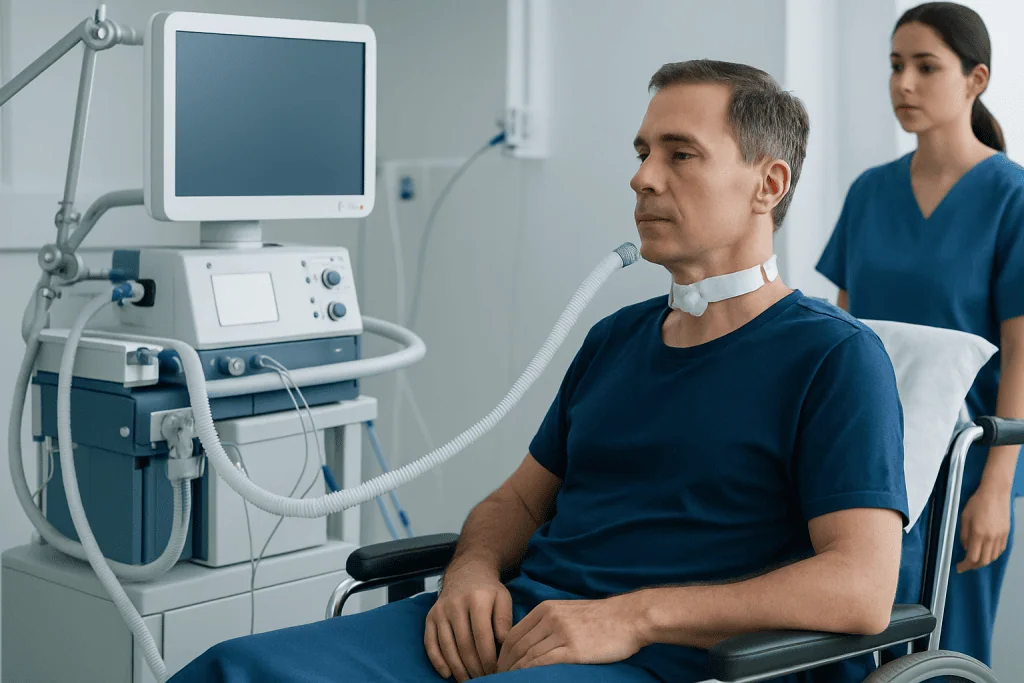
Paralysis can affect more than movement alone. Depending on the cause and location, a person may also notice numbness, tingling, pain, muscle stiffness, spasms, poor coordination, or changes in reflexes. Some conditions involve floppy weakness, while others cause increased muscle tone and tightness. These details give doctors important clues about whether the problem lies in the brain, spinal cord, peripheral nerves, neuromuscular junction, or muscles.
Body functions that are not usually thought of as movement can also be involved. For example, paralysis affecting facial muscles may change speech, blinking, or swallowing. Weakness in chest muscles can make breathing difficult. In spinal cord disorders, bladder, bowel, and sexual function may also change. Early recognition of these associated problems can help reduce complications and improve safety.
The impact on daily life varies widely. Some people recover fully after treatment, while others need rehabilitation, mobility support, or long-term care planning. A patient-centered approach focuses not only on the cause, but also on function, independence, communication, nutrition, and emotional well-being.
Symptoms and warning signs

The main symptom of a paralytic condition is weakness or inability to move part of the body as expected. This may be obvious, such as one arm that cannot be lifted, or more subtle, such as a dragging foot, slurred speech, or difficulty closing one eye. Symptoms may appear all at once or progress over hours, days, or longer.
Other symptoms can include:
- Facial drooping
- Numbness or altered sensation
- Difficulty speaking or understanding speech
- Trouble swallowing
- Loss of balance or coordination
- Muscle cramps, twitching, or spasms
- Back or neck pain with weakness
- Shortness of breath or weak cough
Sudden paralysis is especially important because it may signal a medical emergency such as stroke or spinal cord compression. Children and adults can also develop weakness rapidly after certain infections or autoimmune nerve conditions. Any new change in strength, speech, facial movement, walking, or breathing should be taken seriously and assessed by a qualified clinician.
Causes and risk factors
There are many possible causes of paralysis. Problems in the brain can interrupt movement signals, as happens in stroke, brain tumors, traumatic brain injury, multiple sclerosis, or some infections. The spinal cord can be affected by trauma, slipped discs with severe compression, inflammation, tumors, or reduced blood flow. Disorders of the peripheral nerves, such as Guillain-Barré syndrome, can cause weakness that often begins in the legs and may spread upward.
Paralytic symptoms may also come from conditions affecting the connection between nerves and muscles, such as myasthenia gravis, or from primary muscle disease. Infections such as polio, tick paralysis, botulism, and some viral illnesses can also lead to weakness or paralysis. Exposure to certain toxins, severe electrolyte disturbances, and rare inherited disorders may play a role as well.
Risk factors depend on the cause. High blood pressure, diabetes, smoking, and heart disease increase stroke risk. Falls, traffic accidents, and contact sports can raise the risk of spinal injury. Autoimmune disorders, recent infections, and some cancers may increase the risk of specific neurological conditions. Because the range is broad, self-diagnosis is not reliable, and a medical assessment is important when weakness occurs.
How doctors diagnose a paralytic condition
Diagnosis begins with a detailed history and neurological examination. Doctors ask when the symptoms started, how they changed over time, whether sensation is affected, and whether there are problems with speech, swallowing, bladder function, breathing, fever, or pain. During the examination, they assess muscle strength, reflexes, coordination, sensation, eye movements, and the pattern of weakness.
Testing is chosen based on the suspected cause. Brain or spine imaging may include CT or MRI, especially if stroke, bleeding, tumor, or spinal cord compression is a concern. Blood tests can look for infection, inflammation, metabolic imbalance, or autoimmune markers. Nerve conduction studies and electromyography may help identify whether the problem is in the nerves, neuromuscular junction, or muscles.
Some people may need additional testing such as lumbar puncture, vascular imaging, swallowing evaluation, or breathing tests. If symptoms suggest an urgent brain event, doctors may recommend neurology evaluation and rapid imaging. If there is concern about severe spinal cord pressure or injury, assessment by teams offering neurosurgery care may be needed. The goal is to identify time-sensitive causes quickly while also planning long-term treatment and rehabilitation.
Treatment options and recovery
Treatment for a paralytic condition depends entirely on the underlying cause. Some causes require emergency treatment, such as stroke, spinal cord compression, severe infection, or breathing muscle weakness. In other cases, treatment may involve medicines to reduce inflammation, manage autoimmune disease, treat infection, improve nerve-muscle signaling, or prevent further vascular injury.
Rehabilitation is often a central part of care, even when the cause is being treated. Physical therapy helps maintain strength, range of motion, balance, and mobility. Occupational therapy supports daily activities such as dressing, bathing, and hand use. Speech and swallowing therapy may help if facial, throat, or voice muscles are affected. For selected patients, structured physical therapy and rehabilitation can improve independence and reduce complications such as contractures, pressure injuries, and falls.
Supportive care may include braces, mobility aids, nutrition support, breathing support, pain management, and skin care. Some patients recover fully, especially when the cause is reversible or treated early. Others have lasting weakness but can still make meaningful functional gains with rehabilitation and coordinated medical follow-up. Near the end of the diagnostic and recovery process, some international patients choose centers such as Acibadem International, where multidisciplinary specialists in JCI-accredited hospitals evaluate and treat complex paralytic conditions.
Self-care, prevention, and living well
Not all causes of paralysis can be prevented, but some steps may lower risk and improve outcomes. Managing blood pressure, cholesterol, diabetes, and heart health can reduce the risk of stroke. Wearing seat belts, using helmets, preventing falls, and practicing safety in sports and work settings can lower the risk of traumatic injury. Vaccination and timely treatment of infections may also prevent certain complications that affect the nervous system.
For people already living with paralysis or significant weakness, self-care focuses on protecting health and preserving function. Good positioning, regular stretching, skin checks, and pressure relief are important when mobility is limited. Careful attention to swallowing, hydration, nutrition, and bowel and bladder routines can also support comfort and safety.
Emotional adjustment matters too. Paralysis can affect independence, work, sleep, and relationships. Counseling, support groups, and rehabilitation planning can help patients and families adapt. Because needs can change over time, regular follow-up with a doctor and therapy team is useful, especially if symptoms worsen, new pain develops, or mobility changes.
When to seek medical care
Urgent medical care is needed for sudden weakness or paralysis, especially if it affects one side of the body, the face, speech, vision, walking, or breathing. These symptoms may be signs of stroke, spinal cord compression, severe nerve disease, or another emergency. Immediate care is also important if weakness follows a head, neck, or back injury.
A doctor should also evaluate progressive weakness, repeated falls, facial weakness, swallowing difficulty, severe back or neck pain with numbness, or new bladder or bowel problems. Even when symptoms seem mild, early diagnosis can make treatment more effective and may help prevent complications. If there is concern about a neurological cause, prompt assessment is the safest approach.
Frequently asked questions
Is paralytic the same as paralysis?
In everyday medical use, paralytic usually refers to paralysis or to a condition involving loss of movement. It is a descriptive term rather than the name of one specific disease. Doctors still need to identify the underlying cause to decide on treatment.
Can paralysis be temporary?
Yes, some forms of paralysis or severe weakness can be temporary. Recovery depends on the cause, how quickly treatment begins, and whether the brain, spinal cord, nerves, or muscles have lasting damage. Temporary causes may include certain nerve compressions, inflammatory conditions, or treatable infections.
What causes sudden paralysis?
Sudden paralysis can be caused by stroke, spinal cord injury, nerve inflammation, severe infection, bleeding in the brain, or other urgent neurological conditions. Because some causes are time-sensitive, sudden weakness should be treated as a medical emergency. Fast evaluation can improve the chance of effective treatment.
How is a paralytic condition diagnosed?
Doctors diagnose a paralytic condition with a physical and neurological examination, a review of symptoms, and tests based on the suspected cause. These may include CT, MRI, blood tests, and nerve or muscle studies. The pattern of weakness often helps determine where the problem begins.
Can physical therapy help paralysis?
Physical therapy often plays an important role, even when full recovery is not possible. It can help maintain joint movement, improve strength where possible, support balance, and reduce complications from immobility. Many patients also benefit from occupational therapy and speech or swallowing therapy.
When should someone go to the emergency room for paralysis?
Emergency care is needed for any sudden paralysis, facial drooping, slurred speech, trouble breathing, or weakness after an injury. These symptoms can indicate stroke or another serious neurological emergency. It is safer not to wait to see if the problem goes away.
References
- World Health Organization
- National Institute of Neurological Disorders and Stroke
- Centers for Disease Control and Prevention
- National Health Service
- Mayo Clinic
This article is for general information only and is not a substitute for professional medical advice. Please consult a qualified doctor about your individual situation.
Joint and spine care in Turkey — expert assessment & treatment
JCI-accredited · board-certified surgeons · reply within 24h
Add us as a Preferred Source to see more of our trusted health content across Google Search, AI Overviews and Discover.

More from the Health Library

Hysterosalpingogram — Explained by Medical Evidence, Not Myths

Acne Face Map — Explained by Medical Evidence, Not Myths

Parabens — Explained by Medical Evidence, Not Myths

Self Destructive Behavior — Explained by Medical Evidence, Not Myths

Catatonic Schizophrenia: What Patients Need to Know