Anaemic Pregnant: A Complete Clinical Guide for Patients
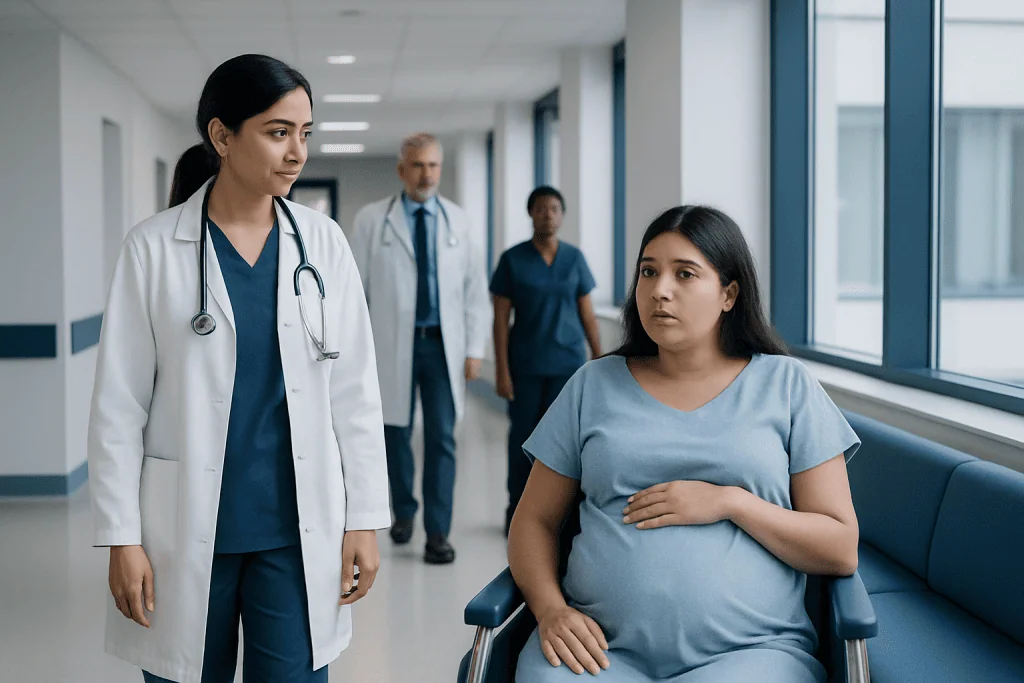
Being anaemic pregnant most often means low hemoglobin during pregnancy, commonly due to iron deficiency. Symptoms may include tiredness, weakness, shortness of breath, dizziness, or paleness, but some people have no clear symptoms.
Key Takeaways
- Being anaemic pregnant most often means low hemoglobin during pregnancy, commonly due to iron deficiency.
- Symptoms may include tiredness, weakness, shortness of breath, dizziness, or paleness, but some people have no clear symptoms.
- Diagnosis is made with blood tests, and treatment depends on the cause, severity, and stage of pregnancy.
- Good prenatal care, iron-rich nutrition, and taking supplements exactly as advised can help prevent complications.
- Prompt medical review is important for severe symptoms, heavy bleeding, fainting, chest pain, or reduced fetal movements.
Anaemic pregnant usually refers to anemia during pregnancy, a common condition in which the blood has a reduced ability to carry oxygen. In many cases it is caused by iron deficiency, and with proper testing, nutrition, supplements, and follow-up, it can usually be managed safely.
Overview: What Does Anaemic Pregnant Mean?
Anaemic pregnant means a person is pregnant and has anemia, a condition in which the blood contains too little hemoglobin or too few healthy red blood cells to carry oxygen efficiently. This is relatively common in pregnancy because the body needs to make more blood to support both the pregnant person and the developing baby. When these increased demands are not fully met, anemia can develop.
In many cases, pregnancy-related anemia is mild and treatable. The most common cause is iron deficiency, but anemia can also be linked to low folate or vitamin B12, blood loss, inherited blood conditions, or underlying illness. Because symptoms such as fatigue can overlap with normal pregnancy changes, blood tests are important for confirming the diagnosis.
Timely treatment matters because untreated anemia may increase the chance of problems such as severe tiredness, reduced exercise tolerance, or difficulty recovering after delivery. In more significant cases, it may affect pregnancy and birth outcomes. A structured clinical approach helps identify the cause and guide treatment safely.
Symptoms and How It May Feel
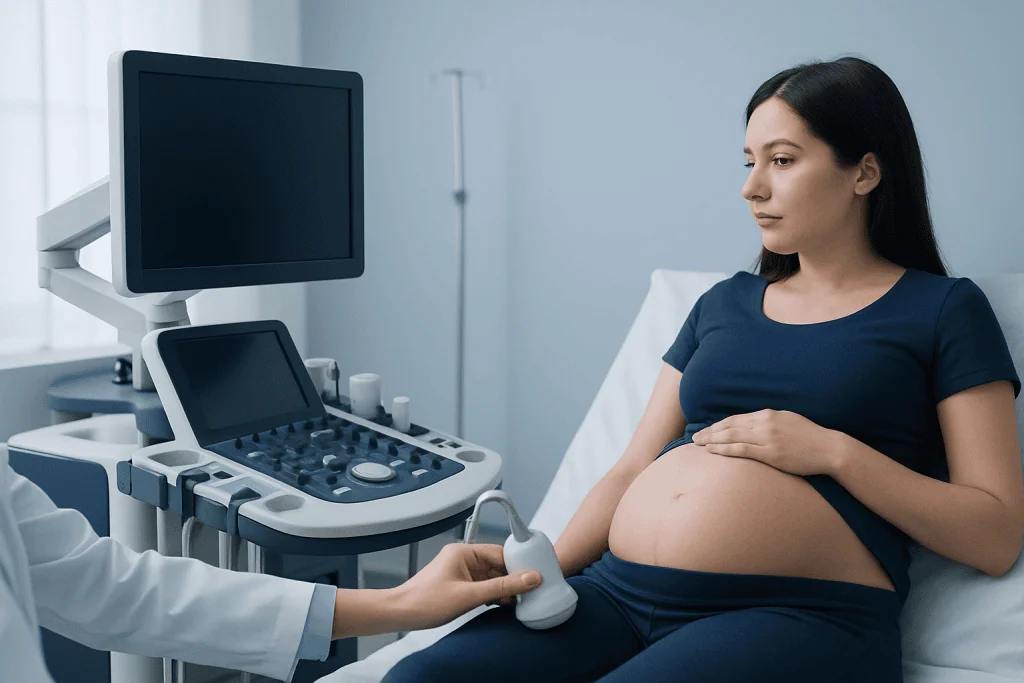
Some pregnant people with anemia notice very little at first, especially if the anemia is mild. Others may feel unusually tired, weak, lightheaded, short of breath with activity, or less able to do everyday tasks. These symptoms happen because the body is working harder to deliver oxygen to tissues.
Other possible symptoms include pale skin, headaches, a fast heartbeat, cold hands and feet, or difficulty concentrating. In iron deficiency, some people also develop unusual cravings such as wanting to chew ice, a pattern known as pica. Because these symptoms can overlap with other pregnancy-related conditions, they should not be self-diagnosed.
Symptoms that are more concerning include chest pain, fainting, marked breathlessness at rest, heavy vaginal bleeding, or a sensation that the heart is racing persistently. These need prompt medical assessment because they may signal severe anemia or another urgent problem.
- Common symptoms: tiredness, weakness, dizziness, shortness of breath, paleness
- Possible associated signs: headaches, rapid heartbeat, poor concentration, cold extremities
- Urgent symptoms: fainting, chest pain, severe breathlessness, heavy bleeding
Causes and Risk Factors in Pregnancy
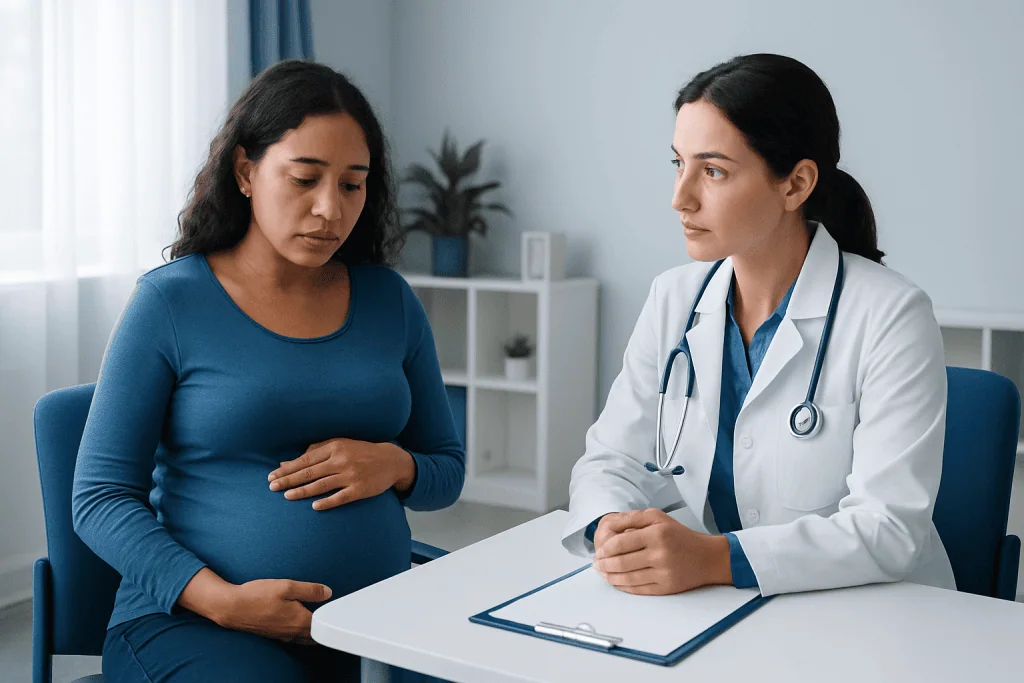
The most common reason someone is anaemic pregnant is iron deficiency. During pregnancy, blood volume increases significantly, and iron is needed to make additional hemoglobin. If dietary intake is low, iron stores are already depleted, or needs rise faster than intake, iron deficiency anemia can develop. This is often the first cause doctors consider.
Other nutritional causes include low folate and, less commonly, low vitamin B12. These nutrients help the body produce healthy red blood cells. Blood loss can also contribute, whether from bleeding before or during pregnancy, closely spaced pregnancies, or heavy menstrual bleeding before conception. In some cases, inherited conditions that affect hemoglobin, such as thalassemia, need to be considered, especially if there is a family history or anemia that does not improve as expected.
Certain factors make pregnancy anemia more likely. These include carrying twins or multiples, having frequent pregnancies, entering pregnancy with low iron stores, vomiting that limits nutrition, restricted diets, chronic inflammatory disease, kidney disease, or poor absorption from the digestive tract. A doctor may also look for causes such as anemia related to chronic illness when iron deficiency alone does not explain the findings.
How Doctors Diagnose Pregnancy Anemia
Diagnosis starts with prenatal history, symptoms, and a physical examination, but blood tests are central. A complete blood count measures hemoglobin and hematocrit and provides details about red blood cell size and shape. These clues help doctors judge whether iron deficiency is likely or whether another cause should be investigated.
Additional tests may include ferritin to assess iron stores, iron studies, folate and vitamin B12 levels, and sometimes tests for inherited blood disorders. If there is concern about a hemoglobin disorder, more specialized blood testing may be recommended. In selected cases, doctors may also check kidney function, inflammation markers, or other tests based on the broader clinical picture.
Because normal blood values shift during pregnancy, interpretation must be pregnancy-specific and tailored to gestational age. It is not enough to simply say a result is low; the result needs to be understood in context. If symptoms are significant or the anemia is moderate to severe, referral to specialists in hematology may be appropriate.
Treatment Options and What to Expect
Treatment depends on the cause, severity, how far along the pregnancy is, and how well symptoms are tolerated. For iron deficiency, doctors commonly recommend iron supplementation along with dietary advice and repeat blood tests to confirm improvement. Treatment should be individualized, as not everyone tolerates oral iron in the same way.
If oral iron causes stomach upset, constipation, nausea, or is not raising blood levels sufficiently, clinicians may consider intravenous iron in selected cases. This can be useful when deficiency is more significant, when delivery is approaching, or when absorption is poor. The goal is to rebuild iron stores safely and improve hemoglobin before birth whenever possible.
When anemia is caused by folate or vitamin B12 deficiency, replacement of the missing nutrient is needed. If an inherited blood disorder or another medical condition is involved, treatment focuses on that underlying issue and may include input from obstetricians, internists, and blood specialists. In severe or complex cases, coordinated pregnancy follow-up and delivery planning is important to reduce risks during labor and the postpartum period.
Very severe anemia or anemia linked to active bleeding may require urgent hospital-based care. Some patients may need closer monitoring around delivery, especially if there is concern about blood loss or if symptoms are affecting day-to-day function. At centers such as Acibadem International, multidisciplinary specialists and JCI-accredited hospitals evaluate and treat pregnancy anemia for international patients when advanced assessment or coordinated obstetric care is needed.
Nutrition, Prevention, and Daily Self-care
Prevention often begins before conception and continues throughout pregnancy. Prenatal vitamins, regular prenatal appointments, and routine blood testing help identify falling iron stores early. For many people, nutrition supports treatment but does not replace medically recommended supplements if anemia is already present.
Iron-rich foods include lean red meat, poultry, fish, beans, lentils, chickpeas, tofu, dark leafy greens, fortified cereals, nuts, and seeds. Vitamin C can help the body absorb iron, so pairing iron-rich foods with citrus fruits, berries, tomatoes, or peppers may be useful. Some people are advised to avoid taking iron supplements at the same time as tea, coffee, or calcium-rich products because absorption can be reduced.
Self-care also includes pacing activities if fatigue is significant, staying hydrated, and reporting side effects from supplements rather than stopping them without advice. If nausea or constipation makes treatment difficult, a doctor can often suggest adjustments. People with preexisting nutritional concerns or restrictive diets may benefit from nutrition and diet support during pregnancy.
- Attend all prenatal visits and repeat blood tests as advised
- Take prescribed supplements consistently
- Choose iron-rich foods and include vitamin C sources
- Tell a clinician about side effects, vomiting, or poor appetite
When to Seek Medical Care
Anyone who is anaemic pregnant should keep regular contact with their prenatal care team, even if symptoms seem mild. Medical review is especially important if fatigue is getting worse, daily activity becomes difficult, or there is no improvement after starting treatment. Follow-up testing is often needed to make sure hemoglobin and iron stores are recovering.
Urgent assessment is needed for fainting, chest pain, significant shortness of breath, a very fast heartbeat, heavy vaginal bleeding, severe weakness, or symptoms of dehydration from vomiting. Emergency care may also be appropriate if there are reduced fetal movements, contractions, or other warning signs related to the pregnancy itself. These symptoms do not always mean anemia is the cause, but they should not be ignored.
People with known blood disorders, recurrent anemia, or a history of complications in a previous pregnancy may need more individualized planning. A qualified obstetrician or hematologist can help clarify risks and guide treatment decisions safely.
Frequently asked questions
Is it common to be anaemic pregnant?
Yes. Anemia is common in pregnancy because the body needs more blood and more iron to support the developing baby. Many cases are mild and improve with proper testing, treatment, and follow-up.
What is the most common cause of anemia in pregnancy?
Iron deficiency is the most common cause. Pregnancy increases iron needs, and if intake or stored iron is not enough, hemoglobin levels can fall.
Can pregnancy anemia affect the baby?
Mild anemia can often be treated successfully without major problems, especially when found early. More significant or untreated anemia may increase pregnancy risks, which is why prenatal monitoring and treatment are important.
How is anemia in pregnancy diagnosed?
Doctors usually diagnose it with blood tests, especially a complete blood count. Additional tests such as ferritin, iron studies, folate, vitamin B12, or hemoglobin-related tests may be used to find the exact cause.
What foods help if someone is anaemic pregnant?
Iron-rich foods such as lean meat, beans, lentils, fortified cereals, tofu, and leafy greens can help support treatment. Foods rich in vitamin C may improve iron absorption, but diet alone may not be enough if anemia is already established.
When should a pregnant person with anemia call a doctor right away?
Prompt medical care is needed for fainting, chest pain, severe shortness of breath, heavy bleeding, or a racing heartbeat that does not settle. Reduced fetal movements or other urgent pregnancy symptoms also need immediate assessment.
References
- World Health Organization
- American College of Obstetricians and Gynecologists
- Centers for Disease Control and Prevention
- National Heart, Lung, and Blood Institute
- Royal College of Obstetricians and Gynaecologists
This article is for general information only and is not a substitute for professional medical advice. Please consult a qualified doctor about your individual situation.
Explore treatments in Turkey — costs, top hospitals & a free quote
JCI-accredited · board-certified surgeons · reply within 24h
Add us as a Preferred Source to see more of our trusted health content across Google Search, AI Overviews and Discover.