Resistance Training for Cellulite: An Evidence-Based Guide for Patients

Cellulite is common and is not a sign of poor health. Resistance training may make cellulite less noticeable, but it does not eliminate it completely.
Key Takeaways
- Cellulite is common and is not a sign of poor health.
- Resistance training may make cellulite less noticeable, but it does not eliminate it completely.
- The best results usually come from combining strength training with overall exercise and sustainable nutrition habits.
- Progress is gradual and depends on body composition, skin structure, hormones, age, and genetics.
- Medical evaluation may help if there are sudden skin changes, pain, swelling, or concern about another condition.
Resistance training for cellulite can help improve the appearance of dimpled skin by increasing muscle tone, supporting fat loss, and enhancing body composition. It is most effective as part of a broader plan that may include regular activity, nutrition, and, for some people, medical treatment.
Overview: Can Resistance Training Help Cellulite?
Yes. Resistance training for cellulite may improve the way affected areas look, especially on the thighs, hips, buttocks, and abdomen. It does this mainly by increasing underlying muscle tone and helping reduce body fat over time, which can make skin dimpling less visible. However, cellulite is caused by the structure of skin, fat, and connective tissue, so exercise alone usually does not remove it completely.
Cellulite is extremely common, especially in women, and it can occur in people of many body sizes and fitness levels. It is not dangerous and is not a disease. For many patients, the goal is not to “cure” cellulite but to understand what influences it and choose realistic, evidence-based ways to improve skin appearance and body confidence.
Unlike articles that focus only on cosmetic procedures or only on workout lists, a patient-centered approach looks at the full picture: how cellulite forms, what resistance training can realistically change, and when additional strategies may be worth discussing with a clinician. This helps set expectations and supports safer, more sustainable decisions.
What Cellulite Is and Why It Happens
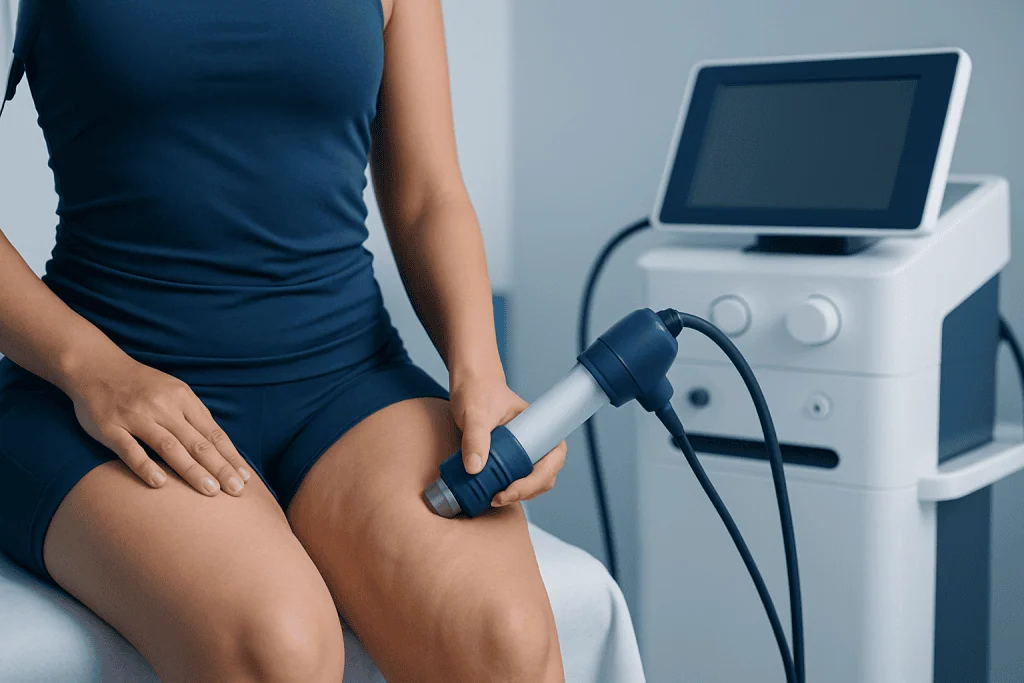
Cellulite describes a dimpled or uneven skin surface that develops when fat beneath the skin pushes upward against fibrous connective bands that pull downward. This interaction creates the characteristic puckered appearance. It most often affects the thighs, buttocks, hips, and lower abdomen.
Several factors contribute to cellulite. Genetics play a major role in skin thickness, fat distribution, and connective tissue structure. Hormones, age-related changes in skin elasticity, and shifts in body composition can also affect how visible cellulite becomes. Because of these factors, cellulite can appear even in people who are active and otherwise healthy.
Weight gain may make cellulite more noticeable in some individuals, but cellulite is not simply a result of excess weight. For that reason, approaches that focus only on rapid weight loss may be disappointing. A steadier plan that supports muscle tone, healthy body composition, and skin health is usually more realistic and more beneficial overall.
How Resistance Training May Improve Cellulite

Resistance training includes exercises that work muscles against a load, such as body weight, resistance bands, free weights, or machines. Over time, this training can increase muscle size and firmness beneath the skin. In areas where cellulite is visible, improved muscle tone may create a smoother contour and reduce the contrast between dimples and surrounding tissue.
Strength training can also support fat loss when combined with regular physical activity and an appropriate eating pattern. Lowering body fat may reduce the pressure of subcutaneous fat against connective tissue in some people, which can lessen the visible texture of cellulite. Still, responses vary, and losing fat alone does not guarantee smoother skin.
Another benefit is that resistance training improves function, posture, and long-term metabolic health. Even if skin changes are modest, patients may notice stronger legs and hips, better daily movement, and greater confidence. This makes it a worthwhile strategy whether cellulite improvement is the main goal or only one part of a broader wellness plan.
- It may increase muscle tone under affected areas.
- It can help reduce body fat over time.
- It supports overall fitness and long-term weight management.
- It works best when done consistently for weeks to months.
What Type of Training Is Most Helpful?
There is no single exercise that targets cellulite directly. Instead, the most helpful program is one that strengthens major muscle groups consistently, especially the gluteal muscles, thighs, hamstrings, and core. Exercises such as squats, lunges, step-ups, deadlift variations, bridges, and leg presses are commonly used because they build strength and muscle in areas where cellulite often appears.
Patients generally benefit from a progressive program, meaning the difficulty increases gradually as strength improves. This can include adding resistance, increasing repetitions, or improving technique and control. Good form matters, particularly for beginners or anyone with joint pain, balance issues, or previous injuries.
Whole-body training is usually more effective than trying to isolate one area. Combining lower-body work with upper-body and core exercises helps increase overall lean mass and supports energy expenditure. Aerobic activity, sleep, stress management, and nutrition also influence body composition, so resistance training is best viewed as one part of a complete plan rather than a stand-alone fix.
For patients who are new to exercise, a physician or physiotherapist may advise a structured program, especially if there is obesity, arthritis, back pain, or a medical condition that affects safe participation. In some cases, supervised physical therapy and rehabilitation can help build strength safely and improve movement quality.
What Results to Expect and Common Limitations
The most important expectation is that resistance training may improve cellulite, not erase it. Visible changes are usually gradual and may be subtle at first. Patients often notice improved firmness, shape, and strength before they see obvious skin-surface changes.
Results depend on several factors beyond exercise. Skin thickness, age, hormone patterns, genetics, body fat distribution, and the depth of connective tissue bands all affect cellulite visibility. This means two people following the same workout plan may see different outcomes.
It is also helpful to know that short-term changes in hydration, menstrual cycle timing, inflammation, and lighting can affect how cellulite looks from day to day. Comparing progress too often can be discouraging. Taking a longer view, such as reviewing changes over two to three months, is usually more meaningful than assessing appearance after a week or two.
Some patients explore procedures if exercise and lifestyle measures do not meet their goals. Options may include dermatologic or aesthetic evaluation to discuss concerns such as skin texture or localized fat. In selected cases, clinicians may consider approaches related to body contouring, such as liposuction, although this is not a primary treatment for cellulite and may not improve dimpling in every patient.
Supporting Strategies Beyond Strength Training
Resistance training tends to work best when paired with sustainable lifestyle habits. Regular aerobic activity supports cardiovascular health and can help with overall energy balance. Nutrition that emphasizes adequate protein, vegetables, fruits, whole grains, and healthy fats may support muscle maintenance and body composition. Extreme diets, detoxes, and unproven supplements are unlikely to produce lasting cellulite improvement.
Skin appearance can also be influenced by hydration, sun protection, smoking status, and weight stability. Smoking may affect circulation and skin quality, while repeated cycles of rapid weight loss and regain can contribute to changes in tissue appearance. Focusing on consistent habits is more useful than trying to chase quick cosmetic fixes.
For patients bothered by skin texture, a consultation with a specialist can help clarify whether the concern is typical cellulite or another issue, such as edema, varicose veins, or a skin condition. In some situations, a clinician may recommend assessment by obesity specialists if excess weight is significantly affecting health, or by skin experts if there is diagnostic uncertainty. If skin laxity rather than cellulite is the main issue after significant weight change, options such as body lift surgery may be discussed in appropriate candidates.
When to Seek Medical Care
Most cellulite does not need medical treatment. However, a person should seek medical advice if the skin changes are sudden, painful, one-sided, associated with swelling, redness, warmth, or tenderness, or if there is a new lump. These features may suggest something other than routine cellulite and deserve proper evaluation.
Medical care is also appropriate when appearance concerns are causing significant distress, when an exercise program feels unsafe, or when there are underlying conditions such as joint disease, diabetes, circulation problems, or severe obesity. A clinician can help identify barriers, tailor activity safely, and discuss whether additional therapies are suitable.
Near the end of a care journey, some patients want a multidisciplinary opinion about exercise, body composition, skin texture, and possible procedural options. Acibadem International’s multidisciplinary specialists and JCI-accredited hospitals diagnose and treat these concerns for international patients, with care plans based on individual needs and medical assessment.
Frequently asked questions
Can resistance training get rid of cellulite completely?
Resistance training usually does not remove cellulite completely. It may make cellulite less noticeable by improving muscle tone and supporting fat loss, but connective tissue structure and genetics still play a major role.
How long does it take to see results from resistance training for cellulite?
Many patients need several weeks to months of consistent training before they notice visible changes. Improvements in strength and body shape often appear before changes in skin texture become clear.
Which body areas respond best to strength training?
The thighs, buttocks, hips, and lower abdomen are common focus areas because cellulite often appears there. Training these regions can improve muscle tone, but a full-body program is usually more effective than spot training alone.
Is cardio or resistance training better for cellulite?
Neither works as a direct cure, but both can help in different ways. Resistance training builds muscle and improves contour, while cardio supports energy expenditure and cardiovascular health; many people benefit most from combining them.
Can thin or fit people still have cellulite?
Yes. Cellulite is common in people of many body sizes and fitness levels because it is influenced by skin structure, connective tissue, hormones, age, and genetics, not just body fat.
Should someone see a doctor before starting exercise for cellulite?
A medical review is sensible for anyone with chronic pain, arthritis, heart disease, diabetes, balance problems, or a recent injury. It is also important to seek care if skin changes are painful, swollen, red, or different from typical cellulite.
This article is for general information only and is not a substitute for professional medical advice. Please consult a qualified doctor about your individual situation.
Explore treatments in Turkey — costs, top hospitals & a free quote
JCI-accredited · board-certified surgeons · reply within 24h
Add us as a Preferred Source to see more of our trusted health content across Google Search, AI Overviews and Discover.
Check your numbers in seconds
BMI, calories, due date, blood pressure and 30+ more clinical calculators — free, instant, doctor-reviewed ranges.

More from the Health Library

Strep: An Evidence-Based Guide for Patients

Mds Blood Transfusion — Explained by Medical Evidence, Not Myths

Pulmonary Embolism: A Complete Medical Overview

Light Sleeper — Explained by Medical Evidence, Not Myths

Lyrica: What Patients Need to Know