Tmd Therapies: An Evidence-Based Guide for Patients

TMD therapies usually begin with non-surgical treatments and self-care. Symptoms can include jaw pain, clicking, stiffness, headaches, and difficulty chewing.
Key Takeaways
- TMD therapies usually begin with non-surgical treatments and self-care.
- Symptoms can include jaw pain, clicking, stiffness, headaches, and difficulty chewing.
- The best treatment depends on whether the problem involves muscles, the joint disc, arthritis, or bite-related strain.
- Imaging and specialist evaluation may be needed when symptoms persist or the jaw locks.
- Surgery is not the first option and is considered only for carefully selected patients.
TMD therapies are treatments used for temporomandibular disorders, which affect the jaw joints and surrounding muscles. Most people improve with conservative care such as habit changes, physical therapy, oral appliances, and short-term symptom relief, while procedures are reserved for selected cases.
Overview: what tmd therapies include
TMD therapies are treatments for temporomandibular disorders, a group of conditions affecting the jaw joints, jaw muscles, and nearby tissues. In practical terms, this means care for symptoms such as jaw pain, clicking, tightness, limited mouth opening, and discomfort with chewing or speaking. The most effective approach usually starts with the least invasive options and is tailored to the likely cause.
Temporomandibular disorders are not all the same. Some mainly involve overworked or tense chewing muscles, while others involve the joint itself, such as disc displacement, inflammation, or arthritis. Because of this, treatment is not one single remedy. A careful assessment helps match the person to the most appropriate combination of self-care, dental support, physical therapy, medication, or targeted procedures.
For many patients, symptoms improve over time with conservative care. That often includes eating softer foods for a short period, avoiding jaw overuse, learning relaxation strategies, and using guided exercises. When symptoms are more persistent, specialists may recommend additional evaluation and therapies to restore function and reduce pain without rushing into invasive treatment.
Symptoms and how TMD may feel
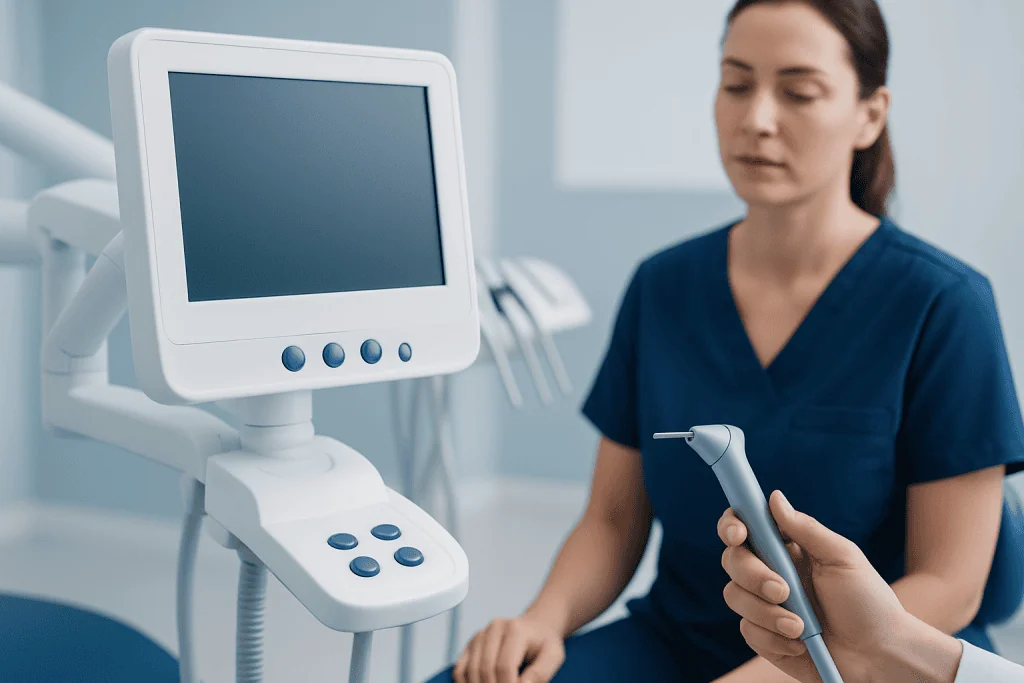
Temporomandibular disorders can cause a range of symptoms, and they may come and go. Some people notice dull aching in front of the ear, while others feel tightness in the cheeks or temples. Symptoms may affect one side or both sides of the jaw and can become more noticeable during stress, chewing, yawning, or after waking.
Common symptoms include:
- Jaw pain or tenderness
- Clicking, popping, or grating sounds in the jaw
- Difficulty or discomfort when chewing
- Jaw stiffness or reduced ability to open the mouth fully
- Jaw locking in an open or closed position
- Facial pain, temple pain, or tension-type headaches
- Ear fullness or discomfort without a clear ear infection
These symptoms can overlap with other conditions. For example, tooth problems, sinus issues, headaches, and some ear conditions can also cause face or jaw discomfort. This is one reason a proper diagnosis matters. If jaw pain is severe, recurring, or linked to locking or bite changes, a dental or medical evaluation is helpful.
What causes TMD and who is at risk

TMD has many possible causes, and sometimes more than one factor is present at the same time. Muscle overuse is common, especially in people who clench or grind their teeth, tighten their jaw during stress, or chew gum frequently. Joint-related causes may include disc displacement, irritation inside the joint, or degenerative changes such as osteoarthritis. Jaw injury can also trigger symptoms.
Risk factors can include stress, poor sleep, a history of facial trauma, arthritis, and habits that overload the jaw. Some people have symptoms linked mainly to the muscles, while others have structural joint problems. Dental alignment may play a role in some cases, but it is rarely the only explanation, and treatment is not based on bite changes alone.
Because symptoms can mimic other disorders, clinicians may also consider related conditions such as trigeminal neuralgia when facial pain is sharp, electric, or unusual in pattern. In people with chronic pain, headaches, or neck tension, a broader musculoskeletal and neurologic evaluation may also be useful. Understanding the underlying mechanism helps avoid unnecessary treatments and supports a more precise plan.
How TMD is diagnosed
Diagnosis begins with a detailed history and physical examination. A clinician asks when symptoms started, what makes them worse, whether there is locking or clicking, and whether there are habits such as clenching, nail biting, or gum chewing. The exam may include checking jaw movement, listening for joint sounds, pressing on the jaw muscles, and looking at the teeth and bite.
Imaging is not always needed at the first visit, especially when symptoms are mild and suggest a muscle-based problem. However, imaging may help when symptoms persist, the jaw locks, trauma is involved, arthritis is suspected, or surgery is being considered. Depending on the situation, this may include X-rays, CT, or MRI to assess bone, disc position, and soft tissues. In selected cases, a clinician may also arrange MRI imaging to evaluate the joint disc and surrounding structures more closely.
The goal of diagnosis is to identify the main pain source rather than simply label all jaw symptoms as “TMJ.” A careful workup can distinguish muscle tension from joint inflammation, disc displacement, arthritis, or referred pain from another condition. That distinction matters because it guides whether the most helpful next step is exercise therapy, an oral appliance, medication, or referral to another specialist.
Evidence-based treatment options
Most evidence-based tmd therapies begin with conservative care. This may include a short period of jaw rest, a soft diet, avoiding very wide mouth opening, reducing gum chewing, using warm compresses, and practicing relaxation techniques. If teeth grinding or nighttime clenching is contributing, a dentist may recommend a custom oral appliance to reduce strain on the joint and muscles. In selected patients, careful dental evaluation through prosthodontic care may help identify bite-related factors and appliance options.
Physical therapy is often an important part of treatment, especially when muscle tension, posture, or limited jaw movement is involved. A structured program may include gentle stretching, guided jaw exercises, manual therapy, posture training, and education about movement patterns. Some patients also benefit from short-term pain relief with medications such as anti-inflammatory drugs or muscle relaxants, when appropriate and prescribed by a qualified clinician. Medication is usually used to support recovery, not as the only long-term solution.
When conservative treatment is not enough, specialists may consider targeted procedures for selected cases. These can include joint injections or minimally invasive procedures to reduce inflammation and improve movement. For more complex joint disease or structural abnormalities, evaluation by oral and maxillofacial surgery may be appropriate. If a person also has missing teeth, severe tooth wear, or bite instability that worsens symptoms, restorative approaches such as dental implants may sometimes be part of broader rehabilitation, although they are not a routine treatment for TMD itself.
Surgery is generally reserved for people with significant functional limitation, structural joint problems, or symptoms that do not improve with other evidence-based measures. A balanced treatment plan avoids irreversible procedures unless the diagnosis is clear and the expected benefits outweigh the risks. In some cases, associated neck pain, tension headaches, or nerve-related symptoms may require parallel assessment by other specialists.
Self-care, prevention, and daily habits
Self-care can make a meaningful difference, especially early in the course of symptoms. Many everyday habits place extra load on the jaw without a person noticing it. Becoming aware of these patterns can help reduce flare-ups and support other treatments.
Helpful self-care measures may include:
- Choosing softer foods for a short time during painful periods
- Avoiding gum, ice chewing, nail biting, and biting non-food objects
- Keeping lips together but teeth apart when not eating
- Using warm compresses for muscle tightness
- Practicing stress reduction, sleep hygiene, and relaxation exercises
- Maintaining good posture, especially during desk work and phone use
It is usually best to avoid forceful jaw stretching or repetitive “popping” of the jaw. These actions can worsen irritation. If exercises are recommended, they should be gentle and ideally guided by a clinician or therapist familiar with temporomandibular disorders. Long-term prevention often focuses on controlling triggers such as stress-related clenching, poor sleep, and repetitive overuse rather than on any single quick fix.
When to seek medical care
Many mild jaw symptoms improve with simple measures, but medical or dental review is important if pain lasts more than a few weeks, keeps returning, or interferes with eating, sleep, or daily activities. An assessment is also useful if symptoms begin after an injury, if the bite feels suddenly different, or if there is frequent locking, limited mouth opening, or swelling around the jaw.
Urgent medical attention is needed for severe trauma, signs of infection such as fever with significant facial swelling, or chest pain that could be confused with jaw discomfort. Sudden numbness, weakness, or unusual facial pain also deserves prompt evaluation because it may point to a different condition.
People with persistent or complex symptoms may benefit from coordinated care involving dentistry, maxillofacial surgery, physical therapy, pain medicine, or imaging specialists. Near the end of the care pathway, if advanced evaluation is needed, Acibadem International’s multidisciplinary specialists in JCI-accredited hospitals diagnose and treat temporomandibular disorders for international patients in an evidence-based, individualized way.
Frequently asked questions
What are tmd therapies?
TMD therapies are treatments used for temporomandibular disorders, which affect the jaw joints and chewing muscles. They can include self-care, oral appliances, physical therapy, medication, and in selected cases procedures or surgery.
Do most people with TMD need surgery?
No. Most people improve with conservative, non-surgical treatment. Surgery is usually considered only when symptoms are severe, function is limited, and the underlying joint problem is clearly defined.
Can a night guard help TMD?
A custom oral appliance may help some people, especially if clenching or grinding is contributing to muscle strain or joint overload. It is not a universal solution, so the type of appliance and the reason for using it should be guided by a qualified dental professional.
How long does it take for TMD treatment to work?
This depends on the cause and severity of symptoms. Mild muscle-related symptoms may improve within weeks, while chronic or joint-based problems can take longer and may need a combination of therapies.
Are jaw clicking sounds always a sign of a serious problem?
Not always. Clicking can occur without pain or loss of function and may not require treatment by itself. However, clicking along with pain, locking, or limited opening should be evaluated.
Can stress make TMD worse?
Yes. Stress can increase jaw clenching, muscle tension, and poor sleep, all of which may worsen TMD symptoms. Stress management is often a useful part of a broader treatment plan.
This article is for general information only and is not a substitute for professional medical advice. Please consult a qualified doctor about your individual situation.
Joint and spine care in Turkey — expert assessment & treatment
JCI-accredited · board-certified surgeons · reply within 24h
Add us as a Preferred Source to see more of our trusted health content across Google Search, AI Overviews and Discover.

More from the Health Library
Tarsal: What Patients Need to Know

Nopales: A Complete Medical Overview

Beet Juice Benefits: What Patients Need to Know

Burn Cream: A Complete Medical Overview

Supraorbital Foramen: An Evidence-Based Guide for Patients