Supraorbital Foramen: An Evidence-Based Guide for Patients

The supraorbital foramen is a normal anatomical feature in the frontal bone above the eye. It allows the supraorbital nerve, artery, and vein to reach the forehead and scalp.
Key Takeaways
- The supraorbital foramen is a normal anatomical feature in the frontal bone above the eye.
- It allows the supraorbital nerve, artery, and vein to reach the forehead and scalp.
- Problems are usually related to nerve irritation, trauma, pressure, or medical procedures rather than the foramen itself.
- Symptoms can include forehead pain, tenderness, tingling, or numbness above the eye.
- Diagnosis often depends on a clinical examination, with imaging used when injury or another condition is suspected.
- Treatment depends on the cause and may include rest, medicines, nerve-focused care, or specialist evaluation.
The supraorbital foramen is a small natural opening or notch in the upper edge of the eye socket. It is usually harmless, but it becomes medically important because the supraorbital nerve and blood vessels pass through it, which can relate to forehead pain, numbness, injury, or procedures involving the brow area.
Overview: what the supraorbital foramen is
The supraorbital foramen is a small opening in the frontal bone, located along the upper rim of the eye socket. In some people, this structure is a complete hole called a foramen, while in others it is an open notch known as the supraorbital notch. Both are normal anatomical variations, and both serve the same main purpose: they allow important nerves and blood vessels to pass from the orbit to the forehead.
The key structure traveling through this area is the supraorbital nerve, a branch of the trigeminal nerve that provides sensation to part of the forehead, upper eyelid, and scalp. Small blood vessels also pass through this opening to supply nearby tissues. Because of this close relationship to nerve and vessel pathways, the supraorbital foramen matters in facial pain, numbness, head injury, surgery, and local anesthetic procedures.
Most people will never notice their supraorbital foramen in daily life. It does not usually cause symptoms on its own. However, understanding where it is and what passes through it can help explain why a person may develop tenderness above the eyebrow after trauma, feel numbness in the forehead, or experience nerve-related pain in this region.
Why it matters in symptoms and medical care
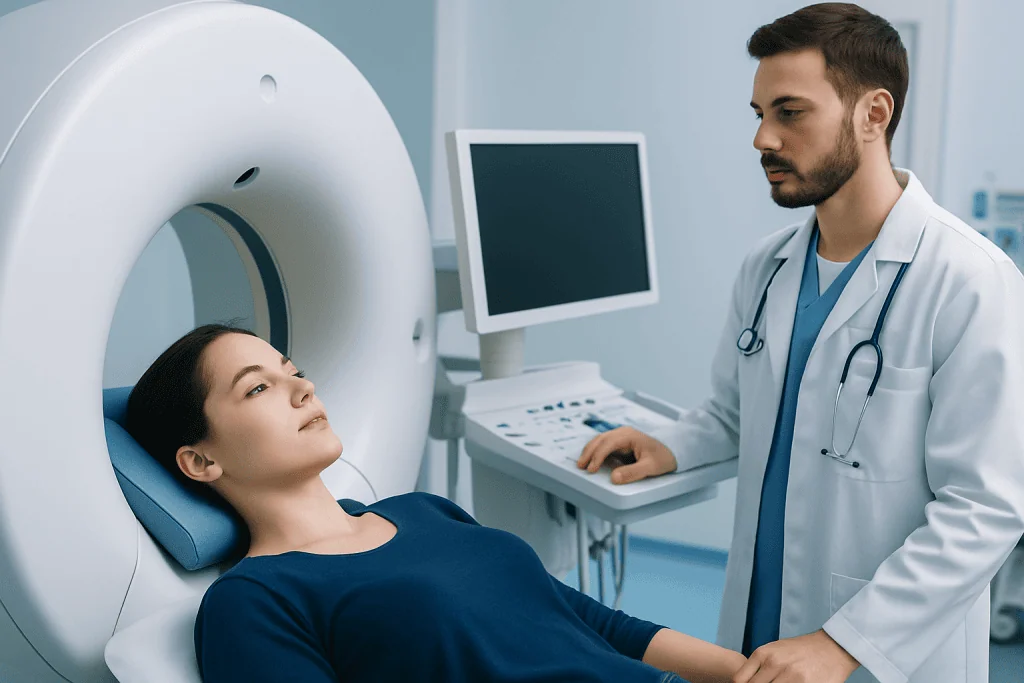
The supraorbital foramen is clinically important because it marks the point where the supraorbital nerve becomes more superficial and can be irritated, compressed, or injured. This can happen after a blow to the forehead, a cut near the eyebrow, swelling from infection or inflammation, or sometimes after surgery or cosmetic procedures in the brow or forehead area.
Doctors also pay attention to this area when evaluating certain headache and facial pain patterns. Irritation of the supraorbital nerve may contribute to localized pain over the eyebrow and forehead, sometimes described as sharp, aching, burning, or electric. In some cases, symptoms overlap with headache disorders or other nerve pain conditions, so the location of tenderness can offer useful clues.
The supraorbital foramen also serves as an important landmark for clinicians. It can guide local anesthetic injections, repair of facial injuries, and surgical planning around the orbit and forehead. In this context, knowledge of normal anatomical variation is useful, because the opening may differ slightly in position from one person to another and may appear as a notch on one side and a foramen on the other.
Possible symptoms linked to the supraorbital area

Symptoms related to the supraorbital foramen usually come from irritation of the nerve or surrounding tissues rather than from the bone opening itself. A person may notice pain or pressure above one eyebrow, tenderness when touching the upper orbital rim, numbness in the forehead, tingling in the scalp, or discomfort that worsens when the brow area is pressed.
Some people develop symptoms after an injury, while others notice them after prolonged pressure from tight headgear, swelling, or medical procedures near the brow. If the supraorbital nerve is involved, symptoms may stay limited to one side and follow the nerve’s sensory distribution. Rarely, there may be a small scar, bruise, or swelling over the area if trauma has occurred.
These symptoms do not always mean there is a problem specifically at the supraorbital foramen. Similar complaints can also happen with migraine, sinus-related discomfort, eye strain, nerve entrapment, or other facial pain conditions. In some patients, clinicians may consider migraine or other headache disorders as part of the broader assessment.
- Forehead pain above the eye
- Tenderness along the eyebrow or upper eye socket
- Numbness or tingling of the forehead and scalp
- Pain after facial trauma or surgery
- Sensitivity when wearing helmets, glasses, or tight headbands
Causes and risk factors
Several factors can affect the tissues around the supraorbital foramen. The most common are direct trauma, such as sports injuries, falls, or accidents involving the forehead. Even when a fracture is not present, swelling or bruising can irritate the nerve as it exits the bone. Less commonly, fractures of the frontal bone or orbital rim can damage the nerve or change the surrounding anatomy.
Nerve irritation may also develop from compression. This can result from scarring after an injury, local inflammation, repeated pressure from equipment worn on the head, or nearby soft tissue swelling. Some people develop a pain pattern consistent with trigeminal neuralgia or another cranial nerve pain syndrome, although supraorbital nerve pain is distinct and needs careful clinical assessment.
Medical and cosmetic procedures in the forehead region can also involve this area. Brow surgery, facial trauma repair, injections, and local anesthetic blocks all require awareness of the underlying nerve pathway. Risk is usually low in experienced hands, but temporary numbness, bruising, or tenderness may occur. Anatomical variation may influence how easily the nerve is found or how vulnerable it is to pressure.
In some cases, forehead pain may be related to a broader neurologic or structural problem rather than a local issue at the foramen. If symptoms are persistent, severe, or associated with other neurologic changes, a clinician may evaluate for other causes affecting the head and face.
How doctors diagnose problems in this area
Diagnosis begins with a careful history and physical examination. A doctor may ask when the pain or numbness started, whether there was a recent injury or procedure, and whether the symptoms are constant or intermittent. The exact location matters: pain centered just above the eyebrow with point tenderness near the orbital rim can suggest involvement of the supraorbital nerve.
During the examination, the clinician may gently press over the supraorbital notch or foramen to see whether this reproduces symptoms. Sensation over the forehead and scalp may be checked, along with eye movement, vision, eyelid function, and the surrounding skin and bone. This helps distinguish a localized nerve issue from eye disease, sinus disease, or a more widespread neurologic condition.
Imaging is not always necessary, but it can be helpful when trauma, fracture, mass, or another structural problem is suspected. Depending on the situation, this may involve standard imaging of facial bones or advanced studies. If symptoms overlap with orbital or neurologic conditions, a doctor may consider specialist assessment and MRI scanning when clinically appropriate.
In selected cases, a diagnostic nerve block may help support the diagnosis by temporarily relieving pain in the nerve’s distribution. This type of targeted assessment is usually performed by clinicians familiar with facial pain, neurology, anesthetic procedures, or pain medicine.
Treatment options and symptom relief
Treatment depends on the underlying cause. Mild symptoms after minor trauma may improve with rest, avoiding pressure on the area, and simple pain relief recommended by a clinician. Swelling and bruising often settle over time, and temporary sensory changes can gradually improve as tissues heal.
If a clinician suspects irritation or entrapment of the supraorbital nerve, treatment may focus on reducing inflammation, limiting triggers, and managing neuropathic pain. In some cases, a local anesthetic or therapeutic nerve block may be considered. When symptoms are part of a broader headache disorder, management may also include specialist care for headache treatment.
When there is an underlying structural issue such as a fracture, scar-related compression, or a mass, treatment is directed at that cause. This may involve facial trauma care, nerve-focused procedures, or consultation with neurology, ophthalmology, ENT, or neurosurgery depending on the findings. If persistent symptoms follow injury or surgery, some patients benefit from a coordinated assessment that may include neurosurgical evaluation where relevant.
It is important for patients not to self-diagnose persistent forehead pain as a simple nerve problem. Because symptoms in this area can overlap with eye conditions, sinus disease, and neurologic disorders, treatment is most effective when based on a clear diagnosis.
Self-care, prevention, and daily considerations
Not all causes of supraorbital area discomfort can be prevented, but some practical steps may reduce irritation. Protective headgear during sports, prompt assessment after facial trauma, and avoiding repeated pressure from tight straps or headbands may help protect the nerve and surrounding tissues. After procedures involving the forehead or brow, following aftercare instructions carefully may reduce swelling and improve healing.
For people who already have sensitivity in this region, it may help to avoid pressing on the area and to note whether certain activities make symptoms worse. Tight glasses, helmets, or work equipment may need adjustment. A symptom diary can also be useful, especially if pain episodes overlap with headache triggers such as poor sleep, dehydration, or prolonged screen use.
General measures that support nerve and overall health include regular sleep, hydration, stress management, and timely review of ongoing symptoms. These steps are not a substitute for medical care, but they can support recovery and help clinicians understand the pattern of symptoms better.
International patients seeking assessment for complex facial pain or post-traumatic symptoms may be evaluated at Acibadem International, where multidisciplinary specialists in JCI-accredited hospitals diagnose and treat related conditions when appropriate.
When to seek medical care
Medical attention is advisable if pain, numbness, or tenderness above the eye does not improve, keeps returning, or interferes with daily activities. Evaluation is also important if symptoms begin after a fall, sports injury, accident, surgery, or injection near the forehead. A clinician can check whether the problem is a local nerve issue or another condition affecting the eye, sinuses, or nervous system.
Urgent assessment is especially important after significant trauma, or if symptoms are accompanied by vision changes, severe swelling, worsening headache, fever, weakness, confusion, or difficulty moving the eye. These features can point to problems that need prompt treatment. Children, older adults, and anyone using blood thinners should also be assessed carefully after facial injury.
When symptoms are persistent or unclear, referral to the most appropriate specialist may be needed. Depending on the findings, this could involve ophthalmology, neurology, pain medicine, ENT, maxillofacial surgery, or imaging specialists. Early evaluation can help prevent ongoing discomfort and guide the right treatment plan.
Frequently asked questions
What is the supraorbital foramen?
The supraorbital foramen is a small opening in the frontal bone above the eye socket. It allows the supraorbital nerve and blood vessels to pass to the forehead and scalp.
Is the supraorbital foramen normal?
Yes. It is a normal part of facial anatomy, although its shape can vary from person to person. In some people it is a complete opening, and in others it is a notch instead of a hole.
Can the supraorbital foramen cause pain?
The opening itself does not usually cause pain, but the nerve passing through it can become irritated or compressed. This may lead to tenderness, forehead pain, tingling, or numbness above the eye.
What is supraorbital neuralgia?
Supraorbital neuralgia is a nerve pain condition affecting the supraorbital nerve. It often causes localized pain or sensitivity over the eyebrow and forehead, sometimes with tenderness at the point where the nerve exits near the orbital rim.
How is a problem in the supraorbital area diagnosed?
Doctors usually diagnose it through medical history and physical examination, especially by identifying the exact location of pain and tenderness. Imaging may be used if there has been trauma or if another structural cause is suspected.
When should someone see a doctor for forehead numbness or pain?
A doctor should be consulted if symptoms persist, recur, or start after an injury or procedure. Urgent care is important if pain is associated with vision changes, severe swelling, fever, confusion, or other concerning neurologic symptoms.
References
- Cleveland Clinic
- MedlinePlus
- Merck Manual Consumer Version
- American Academy of Ophthalmology
- National Institute of Neurological Disorders and Stroke
This article is for general information only and is not a substitute for professional medical advice. Please consult a qualified doctor about your individual situation.
Explore treatments in Turkey — costs, top hospitals & a free quote
JCI-accredited · board-certified surgeons · reply within 24h
Add us as a Preferred Source to see more of our trusted health content across Google Search, AI Overviews and Discover.

More from the Health Library

Half Life of Xanax: What Patients Need to Know
Barnacles on Humans — Explained by Medical Evidence, Not Myths

Fruit Juice Detox 3 Days — Explained by Medical Evidence, Not Myths

Basal Ganglia: A Complete Medical Overview

Pheromone Perfume — Explained by Medical Evidence, Not Myths