Diarrhoea Headache: Possible Causes and When to Seek Care

Diarrhoea and headache often happen together because of dehydration, viral illness, food poisoning, or migraine-related digestive symptoms. Replacing fluids and electrolytes is usually the most important first step at home.
Key Takeaways
- Diarrhoea and headache often happen together because of dehydration, viral illness, food poisoning, or migraine-related digestive symptoms.
- Replacing fluids and electrolytes is usually the most important first step at home.
- Fever, blood in the stool, severe weakness, confusion, fainting, or ongoing vomiting are warning signs that need prompt medical advice.
- If symptoms last more than a few days, keep recurring, or are linked to weight loss or abdominal pain, a medical evaluation may be needed.
- Children, older adults, pregnant people, and those with chronic illness can become dehydrated more quickly.
Diarrhoea headache commonly occurs when fluid loss, infection, food-related illness, or a migraine trigger affects the body at the same time. Many cases settle with rest and rehydration, but severe symptoms or signs of dehydration should be checked by a doctor.
Overview: why diarrhoea and headache can happen together
A diarrhoea headache often has a simple explanation: the body is losing fluid and salts faster than they can be replaced. That fluid loss can reduce blood volume, lead to dehydration, and trigger a headache. In other cases, both symptoms come from the same illness, such as a viral stomach infection, food poisoning, or a reaction to certain foods or medicines.
Sometimes the connection is not only in the gut. Migraine can cause nausea, stomach upset, and loose stools in some people, while infections elsewhere in the body may also cause both headache and diarrhoea. Less commonly, ongoing digestive conditions can lead to repeated episodes that deserve a closer look.
The key is to look at the full pattern. A mild short-lived illness without red flags often improves with home care, especially hydration. But severe pain, fever, blood in the stool, or signs of significant dehydration should not be ignored.
Common symptoms that may come with a diarrhoea headache
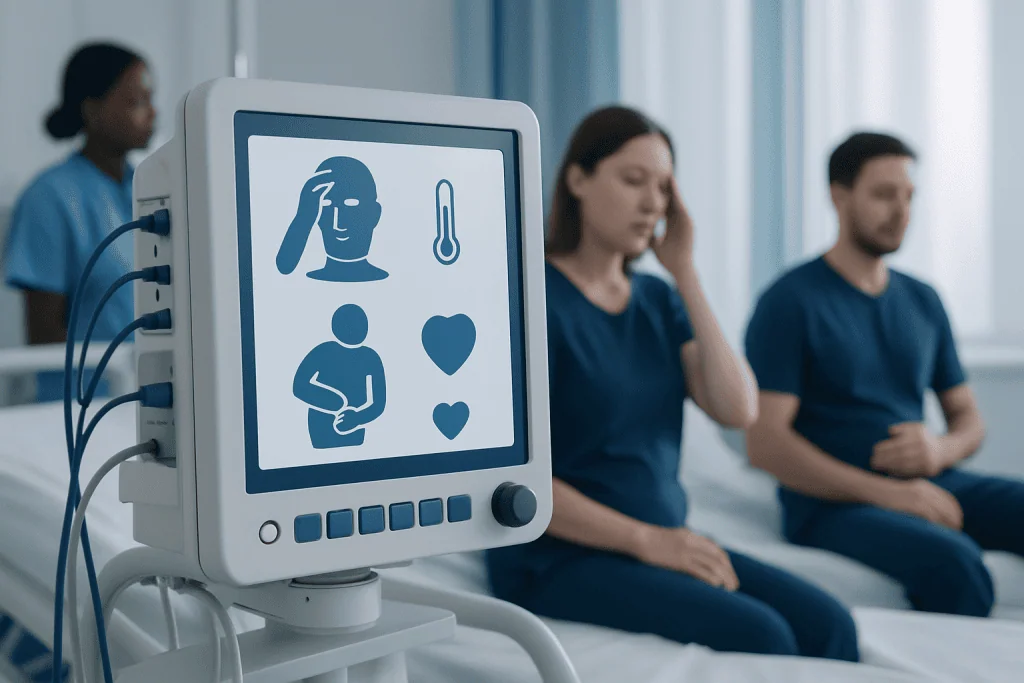
People describe this symptom combination in different ways. Some notice a dull, pressure-like headache after several loose bowel movements, while others feel body aches, nausea, or light sensitivity at the same time. The exact mix of symptoms can offer clues about the cause.
Common symptoms that may occur alongside diarrhoea and headache include:
- Loose or watery stools
- Thirst or dry mouth
- Nausea or vomiting
- Abdominal cramping or bloating
- Fatigue or weakness
- Fever or chills
- Dizziness, especially on standing
- Sensitivity to light or sound if migraine is involved
The timing also matters. Symptoms that begin suddenly after a meal may suggest foodborne illness. Symptoms that start during a viral outbreak or after contact with a sick person may point to infectious gastroenteritis. Recurrent episodes linked to stress, certain foods, or menstrual cycles may fit more with migraine or a chronic bowel condition.
Possible causes of diarrhoea headache

Dehydration is one of the most common reasons for a diarrhoea headache. When the body loses water and electrolytes through frequent loose stools, headache, weakness, and dizziness can follow. This is especially likely if vomiting is also present or if the person has not been able to drink enough.
Infections are another frequent cause. Viral gastroenteritis, sometimes called a stomach bug, can cause diarrhoea, headache, fever, nausea, and muscle aches. Bacterial food poisoning may produce more abrupt symptoms and can sometimes be more severe. In some situations, parasite infections can also cause prolonged digestive symptoms, especially after travel or exposure to contaminated water.
Food intolerance or dietary triggers may explain symptoms in some people. Lactose intolerance, excess alcohol, caffeine withdrawal, artificial sweeteners, or very rich foods can upset the gut and contribute to headache. Some people with migraine notice diarrhoea as part of an attack, and some with irritable bowel syndrome may experience headaches during symptom flares. If bowel symptoms are recurring, conditions such as Crohn’s disease or ulcerative colitis may need to be considered by a specialist.
Medicines can also play a role. Antibiotics, some supplements, laxatives, and certain blood pressure or diabetes medicines may cause diarrhoea, while dehydration from fluid loss can then trigger headache. A doctor can review current medicines if symptoms began after a new treatment was started.
How dehydration changes the picture
Not every diarrhoea headache means dangerous dehydration, but fluid loss is the main concern. Water and electrolytes such as sodium and potassium help the nerves, muscles, and circulation work properly. If losses are not replaced, a person may feel tired, have a pounding or dull headache, urinate less often, and become lightheaded when standing.
Mild dehydration can usually be managed with oral fluids. Small frequent sips may be easier than large amounts at once, especially if nausea is present. Oral rehydration solutions can be useful because they replace both fluid and salts. Plain water is important, but when diarrhoea is frequent, electrolytes matter too.
Signs that dehydration may be becoming more serious include very dark urine, very little urination, fast heartbeat, confusion, marked weakness, sunken eyes, or fainting. Children and older adults can worsen more quickly, so they need extra attention if diarrhoea and headache occur together.
Diagnosis: what a doctor may ask and check
Doctors usually begin with the story of the illness. They may ask when the diarrhoea started, how often stools are occurring, whether there is vomiting or fever, what foods were eaten recently, and whether there has been travel, sick contacts, or new medicines. Questions about the headache itself are also important, including where it hurts, whether it feels like a usual headache, and if there are visual symptoms, neck stiffness, or sensitivity to light.
A physical examination often focuses on hydration and the abdomen. The doctor may check pulse, blood pressure, temperature, mouth dryness, and abdominal tenderness. In many short-lived mild cases, no testing is needed.
If symptoms are severe, prolonged, recurrent, or concerning, tests may be recommended. These can include blood tests, stool testing, and sometimes imaging or endoscopy depending on the broader picture. Ongoing or unexplained bowel symptoms may prompt assessment by specialists in gastroenterology care to look for inflammatory, infectious, or functional causes.
Treatment options and safe home care
Treatment depends on the cause, but hydration is the priority in most cases. Rest, clear fluids, and oral rehydration solutions are often enough for short-term diarrhoea with a mild headache. Eating bland foods as appetite returns may help, while alcohol and very greasy or spicy foods are best avoided until recovery is underway.
If a doctor identifies a specific cause, treatment may differ. Bacterial infections sometimes need targeted medicine, while medicine-related diarrhoea may improve after a review of the treatment plan. If migraine is contributing, appropriate neurology evaluation may help clarify the pattern and guide management.
People should be cautious with over-the-counter remedies, especially in children, older adults, and anyone with fever or blood in the stool. Some anti-diarrhoeal medicines are not suitable in certain infections. Pain relief for headache may be reasonable for some adults, but it is safer to check with a doctor or pharmacist if there is dehydration, vomiting, kidney disease, or regular medication use.
When symptoms are severe, persistent, or associated with major fluid loss, medical care may include intravenous fluids and monitoring. In selected cases, imaging or hospital treatment is needed to rule out complications or another diagnosis. At Acibadem International, multidisciplinary specialists in JCI-accredited hospitals evaluate digestive and neurological symptoms for international patients when further assessment is needed.
Prevention and everyday self-care
Many episodes can be reduced with simple preventive habits. Good handwashing, safe food preparation, and attention to drinking water quality are important, especially during travel. Food should be stored and cooked properly, and shared household surfaces should be cleaned if someone has a stomach infection.
People who know they are prone to headache during illness can prepare early by increasing fluid intake at the first sign of diarrhoea, if medically appropriate. Oral rehydration solutions may be helpful for repeated loose stools. It can also help to limit alcohol and excessive caffeine during recovery, since both can worsen dehydration in some people.
When symptoms keep returning, a diary may be useful. Recording meals, stress, medicines, travel, menstrual timing, and associated symptoms can reveal patterns such as food triggers, migraine-related episodes, or chronic bowel problems. Recurrent concerns may require structured assessment, including endoscopy in selected cases if a doctor suspects an underlying digestive condition.
When to seek medical care
Medical advice is important if diarrhoea and headache are severe, are not improving, or come with warning signs. These include blood in the stool, black stools, high fever, severe abdominal pain, persistent vomiting, confusion, fainting, or signs of significant dehydration such as very little urine and marked dizziness. A new severe headache, neck stiffness, or trouble speaking also needs urgent attention.
Even without emergency symptoms, it is sensible to contact a doctor if diarrhoea lasts more than a few days, keeps recurring, or is associated with weight loss, night-time symptoms, or ongoing fatigue. People with inflammatory bowel disease, kidney disease, diabetes, immune system problems, or recent antibiotic use should seek advice earlier because the range of possible causes is broader.
Children, older adults, and pregnant people should be monitored carefully, as dehydration may develop faster in these groups. If there is any doubt about how unwell a person is, a qualified doctor can help decide whether home care is enough or a closer examination is needed.
Frequently asked questions
Can diarrhoea cause a headache on its own?
Yes. Frequent loose stools can lead to dehydration and loss of electrolytes, which commonly trigger headache. The headache may improve as fluids and salts are replaced, but persistent or severe symptoms should be checked by a doctor.
Is diarrhoea with headache usually a stomach bug?
A viral stomach infection is a common cause, but it is not the only one. Food poisoning, migraine, medicines, dehydration, and some chronic digestive conditions can also cause both symptoms together.
What should someone drink if they have diarrhoea and a headache?
Small frequent sips of water and oral rehydration solution are often the best starting point. If vomiting is present, taking fluids slowly may help. People with kidney, heart, or other chronic conditions should follow medical advice about fluid intake.
When is a diarrhoea headache an emergency?
Urgent care is needed if there is severe dehydration, fainting, confusion, a new very severe headache, neck stiffness, blood in the stool, black stools, or severe abdominal pain. These features may point to a more serious illness and should not be managed at home alone.
Can migraine cause diarrhoea?
Yes, some people experience bowel symptoms such as nausea, abdominal upset, or diarrhoea during a migraine attack. If headaches are recurrent or have migraine features such as light sensitivity or aura, a doctor can help assess that possibility.
How long should diarrhoea and headache last before seeing a doctor?
If symptoms are mild and clearly improving, home care may be reasonable for a short period. Medical advice is sensible if diarrhoea lasts more than a few days, if symptoms worsen instead of improving, or if episodes keep coming back.
References
- World Health Organization
- Centers for Disease Control and Prevention
- National Institute of Diabetes and Digestive and Kidney Diseases
- National Health Service
- American College of Gastroenterology
This article is for general information only and is not a substitute for professional medical advice. Please consult a qualified doctor about your individual situation.
Persistent digestive symptoms? Get evaluated in Turkey
JCI-accredited · board-certified surgeons · reply within 24h
Add us as a Preferred Source to see more of our trusted health content across Google Search, AI Overviews and Discover.
Check your numbers in seconds
BMI, calories, due date, blood pressure and 30+ more clinical calculators — free, instant, doctor-reviewed ranges.