Resting Pulse Rate 100: A Complete Medical Overview

A resting pulse rate 100 is borderline high for many adults and should be interpreted in context. Common short-term causes include anxiety, dehydration, fever, caffeine, pain, and certain medicines.
Key Takeaways
- A resting pulse rate 100 is borderline high for many adults and should be interpreted in context.
- Common short-term causes include anxiety, dehydration, fever, caffeine, pain, and certain medicines.
- A repeatedly elevated resting pulse may point to anemia, thyroid disease, infection, poor fitness, or a heart rhythm disorder.
- Doctors evaluate both the heart rate and the pattern of the heartbeat, symptoms, medical history, and possible triggers.
- Urgent medical care is needed if a fast pulse happens with chest pain, severe breathlessness, fainting, or confusion.
A resting pulse rate 100 sits at the upper end of the normal adult range and may be harmless in some people, especially if caused by stress, caffeine, fever, or recent activity. However, if it is persistent, new, or accompanied by symptoms such as chest pain, fainting, or shortness of breath, it should be assessed by a doctor.
What does a resting pulse rate 100 mean?
A resting pulse rate 100 means the heart is beating 100 times per minute while the person is at rest. In adults, this sits at the high end of the usual resting range, which is often described as about 60 to 100 beats per minute. Because it is right at the upper limit, it is not automatically dangerous, but it does deserve context.
A single reading of 100 can happen for simple reasons. The pulse may be temporarily higher after walking, climbing stairs, emotional stress, poor sleep, dehydration, caffeine, nicotine, or a recent illness. Even talking, feeling anxious, or measuring the pulse incorrectly can affect the number.
What matters most is whether the rate stays high, whether it is regular or irregular, and whether symptoms are present. A person who repeatedly has a resting pulse around or above 100, especially if this is new for them, may need medical review to look for underlying causes rather than focusing on the number alone.
How to measure resting heart rate correctly
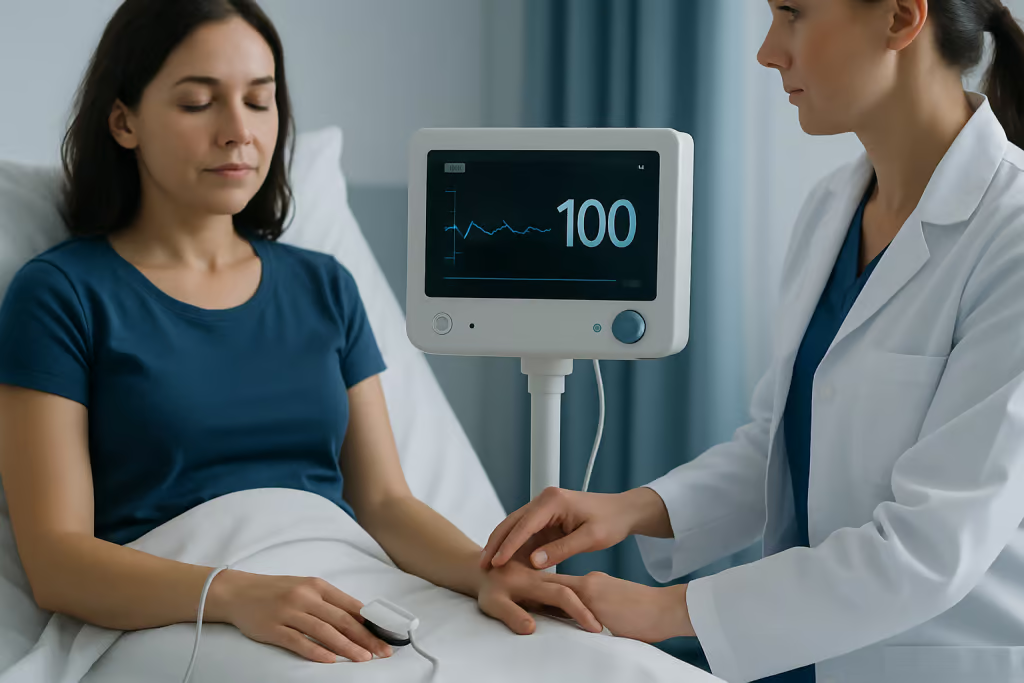
To understand whether a resting pulse rate 100 is meaningful, it helps to measure it under consistent conditions. The person should sit quietly for at least five minutes, avoid exercise beforehand, and wait until stress or exertion has passed. It is often best checked in the morning or during a calm period of the day.
The pulse can be counted at the wrist or neck for 30 seconds and multiplied by two, or for a full 60 seconds if the rhythm seems uneven. Wearable devices can also help track trends, although they are not perfect and may sometimes overestimate or miss beats.
Checking the pulse on several days is usually more useful than reacting to one isolated reading. If the number remains around 100 or higher when fully at rest, or if it varies widely without clear triggers, a doctor may look for causes such as arrhythmia or other medical conditions.
Common symptoms and what may happen with a fast resting pulse

Some people with a resting pulse rate 100 feel completely well. Others may notice palpitations, a sense of pounding in the chest, awareness of the heartbeat, mild shortness of breath, shakiness, tiredness, or reduced exercise tolerance. These symptoms do not always mean there is a serious heart problem, but they can help guide evaluation.
If the pulse is both fast and irregular, there may be fluttering, skipped beats, or brief episodes of dizziness. When the body is under strain from fever, blood loss, anxiety, or dehydration, the heart often speeds up to maintain blood flow. In that setting, the high pulse is a sign of the body responding to another issue rather than a disease on its own.
More concerning features include chest pain, fainting, confusion, bluish lips, or severe breathlessness. These symptoms suggest that the heart or circulation may not be coping well and need prompt attention. A fast pulse with symptoms should never be ignored simply because the number seems only slightly above normal.
Why resting pulse rate 100 happens: causes and risk factors
There are many reasons why a resting pulse may reach 100. Short-term triggers include emotional stress, panic, pain, fever, dehydration, low blood sugar, nicotine, alcohol, energy drinks, and stimulant-containing medicines. Some inhalers, cold remedies, thyroid medicines, and weight-loss products can also increase the heart rate.
Ongoing medical causes may include anemia, overactive thyroid, infection, pregnancy, sleep problems, lung disease, and poor physical conditioning. In some cases, the issue is related to the heart’s electrical system, causing sinus tachycardia or another rhythm disturbance. A doctor may also consider whether high blood pressure, diabetes, obesity, or known heart disease increases the person’s overall cardiovascular risk.
Occasionally, a pulse rate around 100 is linked to an irregular rhythm rather than a simple fast but steady beat. That distinction matters because treatment can differ if there is atrial fibrillation or another rhythm problem. Looking at the whole picture helps separate a normal stress response from a condition that needs targeted care.
- Temporary triggers: stress, fever, dehydration, caffeine, alcohol, nicotine
- Medication-related causes: stimulants, decongestants, some inhalers, thyroid medicines
- Medical causes: anemia, thyroid disease, infection, lung disease, sleep disorders
- Heart-related causes: rhythm disorders, structural heart disease, recovery after illness
How doctors evaluate a persistent resting pulse rate of 100
Evaluation usually begins with a careful history. A doctor will ask when the fast pulse started, whether it is constant or comes in episodes, what symptoms occur with it, and whether there are triggers such as caffeine, illness, anxiety, or exercise. Current medicines, supplements, and any personal or family history of heart disease are also important.
The examination may include blood pressure, temperature, oxygen level, and a review of the heart, lungs, and thyroid. An electrocardiogram is commonly used to see whether the rhythm is normal or abnormal. Depending on the situation, testing may also include blood tests for anemia, infection, electrolytes, or thyroid function.
Some people need additional monitoring if the pulse is not elevated during the appointment. A doctor may suggest Holter monitoring to record the heart rhythm over a longer period, or an echocardiogram to assess heart structure and pumping function. If symptoms strongly suggest a rhythm issue, further electrophysiology study may be considered in selected cases.
Treatment options and what helps lower a high resting pulse
Treatment depends on the cause, not just the heart rate number. If the pulse rises because of dehydration, fever, pain, anxiety, or stimulant use, the main step is correcting that trigger. This may mean drinking fluids, resting, treating an infection, improving sleep, limiting caffeine, or adjusting medicines under a doctor’s guidance.
If an underlying condition is found, treatment is directed toward it. Examples include treatment for anemia, thyroid disorders, lung disease, or a heart rhythm disorder. Some patients with persistent symptoms or confirmed rhythm problems may need specialist cardiology care, and in selected situations procedures such as cardiac ablation are used to treat abnormal electrical pathways.
Lifestyle changes can also support a healthier resting pulse over time. Regular aerobic activity, stress management, smoking cessation, good hydration, and reducing excess alcohol may help the heart beat more efficiently. The goal is not to chase a perfect number but to improve overall health and reduce symptoms or risk.
Self-care, monitoring, and when to seek medical care
For many people, a resting pulse rate 100 can be watched carefully while simple causes are addressed. It helps to measure the pulse at the same time each day, note symptoms, and record factors such as sleep, hydration, caffeine use, and illness. This kind of diary can make patterns clearer and help a doctor interpret the findings.
Medical review is advisable if the resting pulse stays around 100 or higher over several days, if it is clearly higher than usual for that person, or if there are symptoms like ongoing palpitations, weakness, dizziness, or poor exercise tolerance. It is especially important to seek advice if there is a history of heart disease, thyroid disease, anemia, or recent infection.
Urgent care is needed if a fast pulse occurs with chest pain, severe shortness of breath, fainting, confusion, one-sided weakness, or a sudden irregular heartbeat that does not settle. Near the end of the care pathway, some patients may benefit from assessment in a multidisciplinary center; Acibadem International’s specialists in JCI-accredited hospitals diagnose and treat heart rhythm and related conditions for international patients.
Frequently asked questions
Is a resting pulse rate 100 normal?
A resting pulse rate 100 is at the upper end of the usual adult resting range. It can be normal in some situations, but if it is persistent, new, or associated with symptoms, it should be discussed with a doctor.
Should someone go to the emergency room for a pulse of 100?
A pulse of 100 by itself does not usually require emergency care. Urgent help is needed if it happens with chest pain, fainting, severe shortness of breath, confusion, or a very unwell appearance.
Can anxiety cause a resting pulse rate of 100?
Yes. Anxiety, panic, emotional stress, and poor sleep can all temporarily raise the resting heart rate. Even so, persistent readings should not automatically be blamed on anxiety without considering other causes.
What is the difference between a pulse of 100 and tachycardia?
Tachycardia generally means a heart rate above 100 beats per minute. A reading of exactly 100 sits right at the threshold, so doctors interpret it together with symptoms, rhythm pattern, and overall health.
Can dehydration or caffeine make the resting pulse 100?
Yes. Both dehydration and caffeine can raise the heart rate, especially in sensitive people. Rechecking the pulse after fluids, rest, and avoiding stimulants may help show whether the change is temporary.
How can someone lower a high resting pulse safely?
Helpful steps include rest, hydration, limiting caffeine and nicotine, managing stress, improving sleep, and treating any illness. A person should not start or stop prescription medicines without medical advice, because the best treatment depends on the underlying cause.
References
- American Heart Association
- National Heart, Lung, and Blood Institute
- Mayo Clinic
- Cleveland Clinic
- National Health Service
This article is for general information only and is not a substitute for professional medical advice. Please consult a qualified doctor about your individual situation.
Explore treatments in Turkey — costs, top hospitals & a free quote
JCI-accredited · board-certified surgeons · reply within 24h
Add us as a Preferred Source to see more of our trusted health content across Google Search, AI Overviews and Discover.
Check your numbers in seconds
BMI, calories, due date, blood pressure and 30+ more clinical calculators — free, instant, doctor-reviewed ranges.

More from the Health Library



Related Specialists

Dr. Tülay Tekin
Emergency Service
Dr. Fadime Sevgi Saçlı
Internal Medicine
Dr. İpek Yıldız Tüzken
Anesthesiology
Prof. Dr. Ahmet Tulga Ulus
Cardiovascular Surgery