Therapeutic Massage — Explained by Medical Evidence, Not Myths
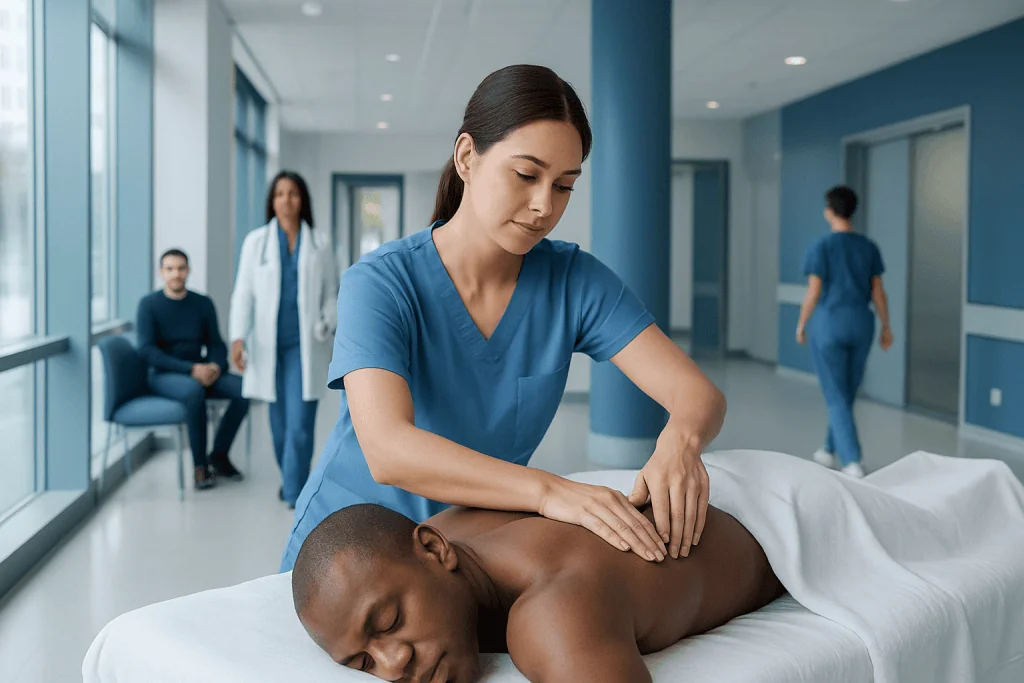
Therapeutic massage is different from spa massage because it is usually directed at a specific symptom, body area, or treatment goal. Evidence supports therapeutic massage for some problems such as short-term relief of muscle tension, stress, and certain pain conditions.
Key Takeaways
- Therapeutic massage is different from spa massage because it is usually directed at a specific symptom, body area, or treatment goal.
- Evidence supports therapeutic massage for some problems such as short-term relief of muscle tension, stress, and certain pain conditions.
- It is not suitable for every person or every symptom, especially when there is fever, infection, blood clot risk, open wounds, or possible fracture.
- A proper medical assessment is important when pain is severe, persistent, spreading, or associated with weakness, numbness, or other warning signs.
- Therapeutic massage is often most effective when combined with exercise, posture changes, rehabilitation, or other treatments recommended by a clinician.
Therapeutic massage is a structured, goal-oriented form of massage used to help reduce muscle tension, support relaxation, and relieve some types of pain. Medical evidence suggests it can be helpful for selected symptoms and conditions, but it is not a cure-all and works best as part of a broader care plan when needed.
What therapeutic massage is
Therapeutic massage is a hands-on treatment aimed at a health goal rather than simple relaxation alone. It usually involves structured pressure, movement, and soft-tissue techniques applied to muscles, fascia, tendons, and other soft tissues to help reduce tension, improve comfort, and support function.
The term covers several techniques, but the main feature is clinical intent. A therapist may focus on a painful shoulder, tight neck muscles, low back discomfort, stress-related tension, or recovery after activity. The session is typically adapted to the person’s symptoms, medical history, and tolerance.
Medical evidence does not support therapeutic massage as a universal solution for every pain problem. However, research does suggest it may provide short-term relief for some musculoskeletal symptoms, improve relaxation, and help people feel more comfortable as part of a broader treatment plan.
For this reason, therapeutic massage is best understood as a supportive therapy. It may help symptom control and well-being, but persistent pain, repeated injuries, or unexplained symptoms still need proper medical evaluation.
How it may help the body
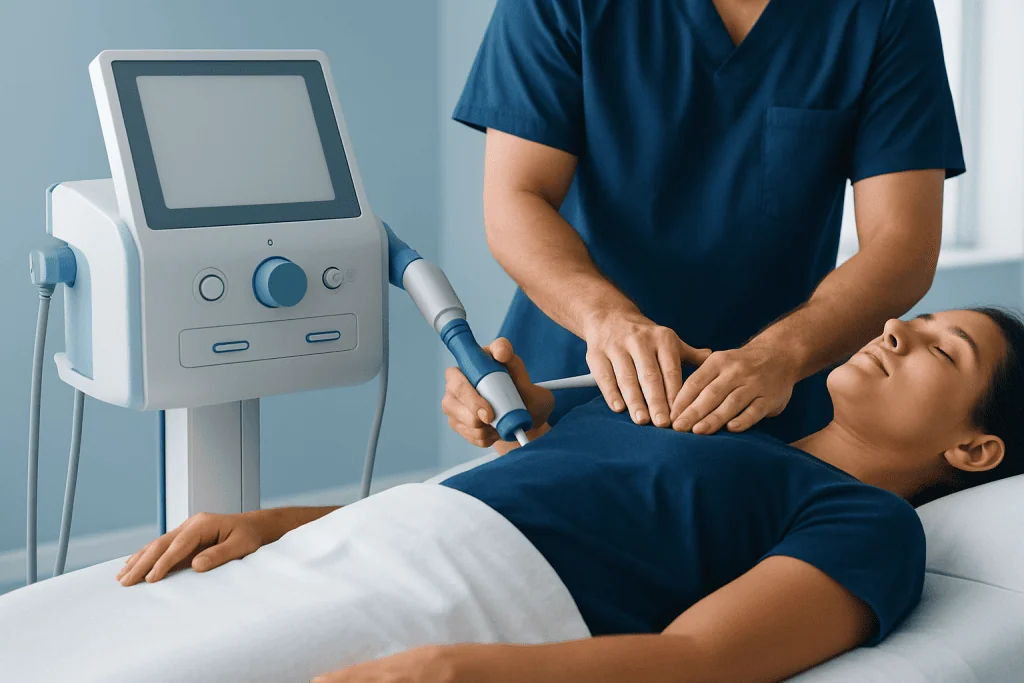
Therapeutic massage may help in several ways. Mechanical pressure and movement can temporarily reduce muscle stiffness, ease trigger-point sensitivity, and improve the feeling of mobility in tight areas. Many people also report reduced stress and better sleep after treatment.
Massage may influence the nervous system as well as the muscles. Gentle, controlled touch can promote relaxation and may lower the body’s stress response in some people. This can be useful when pain is made worse by tension, poor sleep, anxiety, or prolonged sitting.
It is important to keep expectations realistic. Massage does not permanently realign bones, remove toxins, or cure chronic disease. Its benefits are usually more practical and measurable, such as feeling less tense, moving more comfortably, or being better able to participate in exercise or rehabilitation.
- Common goals include easing muscle tightness
- Reducing stress and promoting relaxation
- Supporting recovery from overuse or physical strain
- Helping a person tolerate stretching or rehabilitation more comfortably
Evidence-based uses and likely benefits
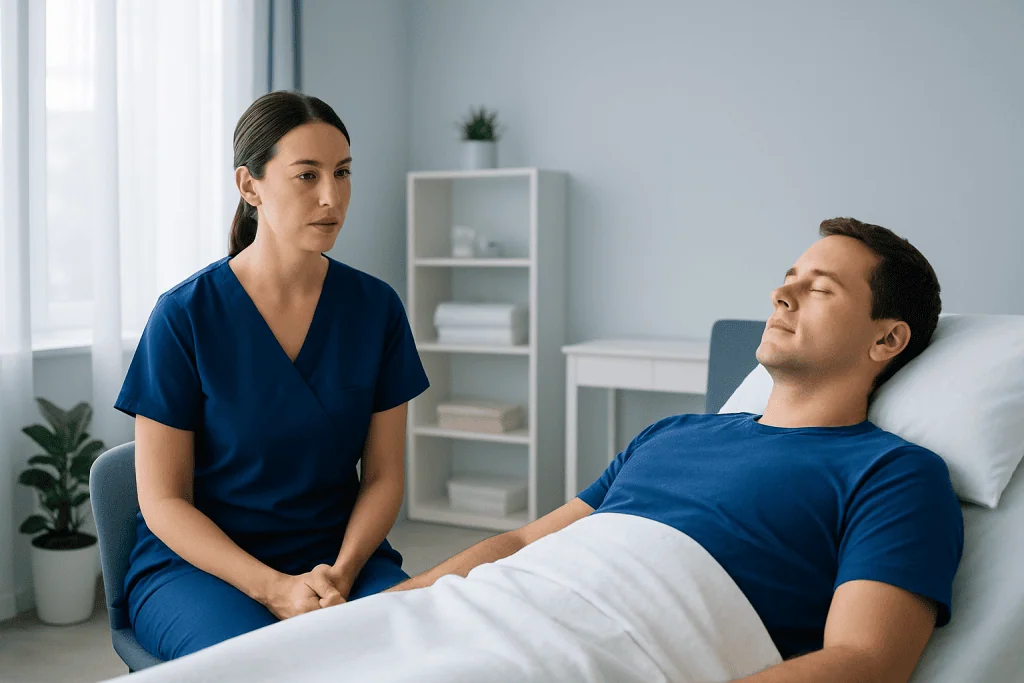
Clinical studies suggest therapeutic massage can be useful for certain situations, especially common musculoskeletal complaints. These may include neck tension, nonspecific low back pain, shoulder tightness, tension-type headache, and soreness related to exercise or prolonged posture. Benefits are often modest but meaningful for daily comfort.
Massage may also help some people with stress, anxiety symptoms, or difficulty relaxing. In these cases, the value may come less from treating a structural problem and more from reducing physical tension and helping the nervous system settle. This can make pain feel more manageable and support sleep quality.
Evidence is generally stronger for short-term symptom relief than for long-term cure. For ongoing pain, the best results often come when massage is paired with active treatments such as exercise, posture training, stretching, or physical therapy and rehabilitation. People with persistent back or neck symptoms may also need assessment for conditions such as herniated disc or other spine-related problems.
Therapeutic massage may be appropriate for:
- Muscle tension from stress or repetitive activity
- Mild to moderate nonspecific back or neck pain
- Sports-related tightness and recovery support
- Tension headaches related to muscle tightness
- Supportive comfort care during rehabilitation, when approved by a clinician
What therapeutic massage cannot do
Clear information matters because massage is often surrounded by myths. Therapeutic massage does not remove waste products in a medically proven detoxifying way, dissolve scar tissue overnight, or cure arthritis, nerve compression, infections, or cancer. It may ease symptoms around these issues in selected cases, but it does not replace medical treatment.
It also cannot diagnose the cause of serious pain. For example, back pain may come from muscular strain, but it can also be related to disc problems, joint disease, kidney conditions, or nerve irritation. Similarly, leg pain may be muscular, but it can occasionally signal a circulation problem or a nerve issue.
Overly forceful massage is not always better. Deep pressure can worsen pain in some people, particularly when tissues are inflamed, bruised, very sensitive, or healing after injury. A safe approach is personalized, gradual, and guided by symptoms rather than by the idea that pain during treatment is necessary.
When symptoms suggest a more specific problem, a doctor may recommend imaging, rehabilitation, pain management, or another intervention. In selected cases of persistent spine-related pain, treatment may go beyond massage and include evaluation by specialists in orthopedics and traumatology or related fields.
Who should avoid it or use caution
Therapeutic massage is not suitable for everyone at every time. It should usually be avoided over open wounds, skin infections, burns, unexplained rashes, fresh surgical sites unless approved, or areas of suspected fracture. Massage should also be postponed if a person has fever or feels acutely unwell.
People with blood clot risk, active cancer-related concerns, significant osteoporosis, bleeding disorders, or those using blood thinners may need medical advice before treatment. Extra caution is also important during pregnancy, after recent injury, or when there is severe pain without a clear cause.
Certain symptoms should never be treated as simple muscle tension until they are assessed. Numbness, weakness, bowel or bladder changes, chest pain, severe calf swelling, or sudden severe headache need medical evaluation rather than massage.
- Avoid massage over infected, inflamed, or injured skin
- Seek advice first if there is recent trauma, surgery, or risk of fracture
- Use caution with clotting problems, anticoagulants, or fragile bones
- Stop if treatment causes sharp, radiating, or worsening pain
How doctors evaluate symptoms before recommending massage
When someone has ongoing pain, the first step is identifying the cause. A clinician will usually ask where the pain is, what it feels like, what makes it better or worse, and whether there are associated symptoms such as numbness, weakness, swelling, fever, or weight loss. This helps distinguish muscular tension from conditions that need different treatment.
The physical examination may include posture, range of motion, muscle tenderness, strength, reflexes, and nerve testing. If there are warning signs or persistent symptoms, imaging or other tests may be recommended. Massage may then be used as one part of care rather than as a stand-alone answer.
For example, neck and upper back pain may improve with massage, but some cases are better explained by structural spine conditions, overuse, or nerve irritation. A targeted evaluation helps determine whether supportive treatments are enough or whether other care is needed, such as neurology assessment for nerve-related symptoms.
This evidence-based approach protects patients from delayed diagnosis. It also makes massage more useful, because treatment can be matched to the actual problem instead of relying on assumptions.
What to expect from treatment and self-care afterward
A therapeutic massage session usually starts with questions about symptoms, medical history, sensitive areas, and treatment goals. Pressure and technique should be adjusted to comfort. Mild soreness afterward can occur, especially if tight muscles were treated, but severe or increasing pain is not expected and should be reported.
Good results often depend on what happens outside the session. Gentle stretching, regular movement, posture changes, hydration, and sleep habits may all support symptom relief. If pain returns quickly, that may suggest an underlying issue such as repetitive strain, poor workstation setup, weakness, or a condition needing medical assessment.
Massage tends to work best when it is part of a realistic self-care plan. Depending on the cause, this may include graded exercise, weight management, stress reduction, ergonomic adjustments, or rehabilitation exercises. For recurring back, neck, or joint symptoms, long-term improvement usually requires addressing strength, flexibility, and daily habits rather than relying on passive therapy alone.
Near the end of the care pathway, some people may benefit from coordinated specialist review. Acibadem International’s multidisciplinary specialists and JCI-accredited hospitals diagnose and treat musculoskeletal and nerve-related conditions for international patients when more detailed evaluation is needed.
When to seek medical care
Medical review is important if pain is severe, keeps returning, lasts longer than expected, or limits normal activity. It is also wise to seek care if massage has not helped, if symptoms are spreading, or if pain keeps interrupting sleep.
Urgent assessment is needed for symptoms that may signal something other than routine muscle tension. These include chest pain, shortness of breath, sudden weakness, numbness, loss of bladder or bowel control, high fever, major swelling, or pain after a significant injury.
People should also speak with a doctor before starting therapeutic massage if they have complex medical conditions, recent surgery, fragile bones, active inflammatory disease, or uncertainty about the cause of pain. Early assessment can prevent inappropriate treatment and guide safer, more effective care.
In short, therapeutic massage can be helpful, but it is most beneficial when used thoughtfully, with proper screening and realistic expectations.
Frequently asked questions
What is the difference between therapeutic massage and regular massage?
Therapeutic massage is usually directed at a specific health goal, such as easing muscle tension, supporting recovery, or reducing discomfort in a particular area. Regular relaxation massage may feel similar, but it is not always planned around a defined symptom or functional problem.
Does therapeutic massage really work for pain?
It may help some types of pain, especially muscle-related tension and certain short-term musculoskeletal complaints. The effect is often modest and may be temporary, so it is best seen as one part of a wider treatment plan rather than a cure.
Can therapeutic massage make pain worse?
Yes, it can if the pressure is too strong, the wrong area is treated, or the true cause of pain is not muscular. Pain that becomes sharp, radiates, or worsens after treatment should be medically reviewed.
Is deep tissue massage better than gentle massage?
Not necessarily. The most effective approach depends on the person's symptoms, sensitivity, and medical history, and more pressure is not always more helpful. Gentle or moderate techniques may be better for irritated, inflamed, or highly sensitive tissues.
Who should not get therapeutic massage?
People with fever, skin infection, open wounds, suspected fracture, or certain circulation and clotting problems may need to avoid it. Anyone with severe unexplained pain, neurological symptoms, or a serious medical condition should speak with a doctor first.
How long do the benefits of therapeutic massage last?
The duration varies widely depending on the cause of symptoms, daily habits, stress level, and whether other treatments are used. Some people feel relief for hours or days, while others benefit more when massage is combined with exercise, rehabilitation, and posture changes.
This article is for general information only and is not a substitute for professional medical advice. Please consult a qualified doctor about your individual situation.
Explore treatments in Turkey — costs, top hospitals & a free quote
JCI-accredited · board-certified surgeons · reply within 24h
Add us as a Preferred Source to see more of our trusted health content across Google Search, AI Overviews and Discover.

More from the Health Library

Lump Inside the Stomach: An Evidence-Based Guide for Patients

Liquid Bandage: A Complete Medical Overview

Pomegranate Seeds: Nutrition, Safety, and Precautions

BP Low Remedy — Explained by Medical Evidence, Not Myths

Gestalt Language Processing: An Evidence-Based Guide for Patients