Reclining Chairs: What Patients Need to Know

Reclining chairs can support comfort, pressure relief, and easier position changes for some patients. The best chair position depends on the person’s health needs, mobility, and risk of falls or skin breakdown.
Key Takeaways
- Reclining chairs can support comfort, pressure relief, and easier position changes for some patients.
- The best chair position depends on the person’s health needs, mobility, and risk of falls or skin breakdown.
- Sleeping in a recliner may be helpful short term for certain conditions, but long-term use is not ideal for everyone.
- Warning signs such as worsening pain, shortness of breath, leg swelling, or skin sores need medical review.
- A clinician or rehabilitation specialist can help match chair features to recovery and daily living needs.
Reclining chairs can help some patients sit or rest more comfortably, especially during recovery, with back pain, swelling, or breathing discomfort. Their value depends on correct fit, safe positioning, and whether a doctor has advised chair-based rest for a specific health need.
Overview: what reclining chairs are and who may benefit
Reclining chairs are seats that allow the backrest and, in many models, the leg support to move into more open positions. For patients, they are often used to improve comfort during rest, make sitting for longer periods easier, and reduce the effort needed to change position. Some designs also include lift assistance, which can help a person stand more safely.
They are not medical treatment on their own, but they can be a practical support tool. A reclining chair may be useful after surgery, during recovery from illness, or for people who have pain, fatigue, swelling in the legs, or difficulty lying fully flat. In some cases, sitting partially upright may also reduce discomfort linked to acid reflux or certain breathing problems.
The main question is not simply whether a reclining chair is “good” or “bad,” but whether it fits the individual’s needs. Chair height, seat depth, firmness, arm support, and how far it reclines all affect comfort and safety. A chair that helps one patient may be difficult or even risky for another, especially if balance, skin health, circulation, or mobility are concerns.
How reclining chairs may help in daily life and recovery
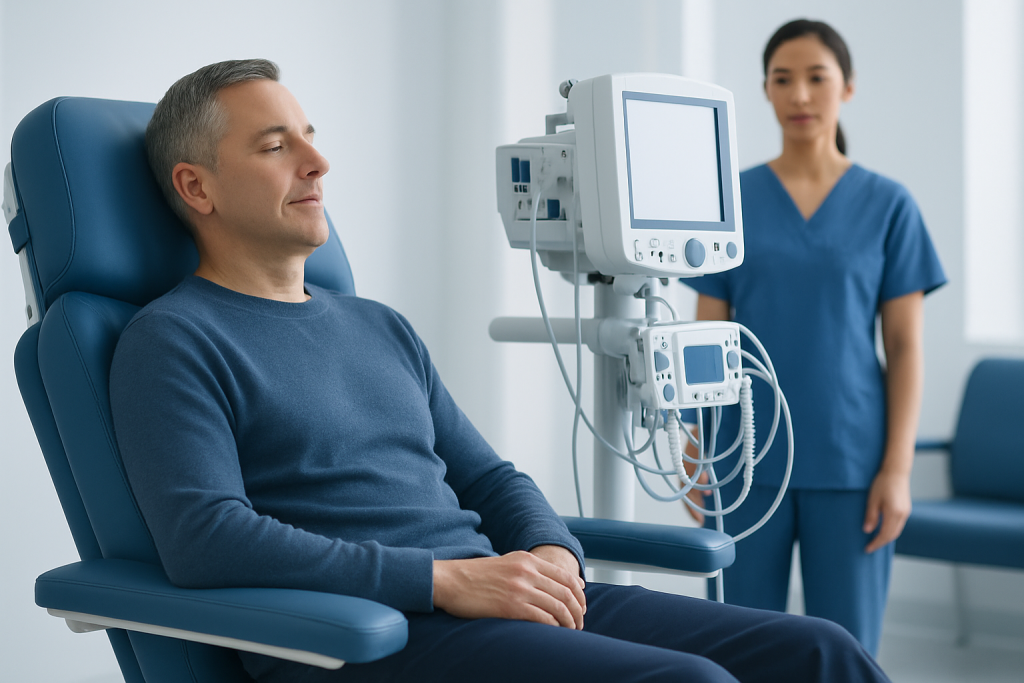
For many patients, the greatest benefit of reclining chairs is controlled positioning. Instead of moving quickly from fully upright to fully flat, the person can choose a comfortable angle for reading, resting, eating, or light conversation. This can be helpful when pain increases with sudden movement or when getting in and out of bed is difficult.
Reclining can also reduce pressure on certain parts of the body when used properly. Slight changes in position may lessen strain on the lower back, hips, or healing surgical areas. After some procedures, a doctor may recommend avoiding lying completely flat for a period of time; in those situations, a recliner can make home recovery more manageable alongside formal care such as physical therapy and rehabilitation.
Some patients find that a reclined but supported position makes breathing feel easier, particularly when nasal congestion, mild short-term breathlessness, or post-operative discomfort makes flat positioning unpleasant. Others use a recliner for short periods to elevate the legs and reduce a heavy or tired feeling in the lower limbs. Still, these benefits depend on correct use and do not replace medical evaluation if symptoms are persistent or worsening.
- Possible advantages include easier transfers, more comfortable rest, supported positioning, and leg elevation.
- Benefits are often greatest when a chair is part of a broader recovery or self-care plan.
- Comfort should never come at the expense of circulation, skin protection, or safe movement.
Possible drawbacks and safety concerns

Although reclining chairs can be helpful, they are not risk-free. Sitting too long in one position may contribute to stiffness, pressure areas, and reduced circulation, especially in older adults or people with limited mobility. If a patient slides down in the seat, this can place strain on the lower back and increase pressure on the tailbone or heels.
Falls are another important concern. Entering or exiting a recliner may be difficult for someone with weak leg muscles, poor balance, recent surgery, or dizziness. Chairs that recline very deeply can also be hard to get out of without assistance. For some people, a lift-style recliner may be safer, while others may need advice from a rehabilitation team before choosing a chair.
Sleeping in a recliner for long periods can cause problems for certain patients. The neck may bend awkwardly, the lower back may not be well supported, and the legs may stay in a position that does not suit circulation. People with swelling, numbness, or conditions related to blood flow should be especially careful; in some cases, symptoms may overlap with varicose veins or other vascular issues that deserve assessment rather than self-management alone.
There are also practical risks to consider. Powered recliners need safe electrical setup, clear floor space, and supervision if the user has cognitive impairment. Blankets, footstools, and nearby tables should not create trip hazards. For patients who spend much of the day seated, regular repositioning and skin checks are essential.
When a reclining chair may be useful after surgery or with health conditions
After surgery, a reclining chair may be recommended for comfort during the first stage of healing, especially if bed mobility is difficult. Patients recovering from orthopedic procedures, abdominal surgery, or chest discomfort may appreciate a supported semi-upright position. A recliner can also make it easier for caregivers to assist with meals, medication, or transfers.
Some people with back or joint pain find that a carefully adjusted reclining angle reduces stress on painful areas. This is not the same as treating the cause of pain, but it may improve day-to-day function. In cases of persistent spinal or posture-related symptoms, medical evaluation and structured care such as spine surgery or rehabilitation may be considered when appropriate.
People with reflux symptoms sometimes prefer sleeping or resting with the upper body elevated rather than fully flat. Others with temporary shortness of breath may feel more comfortable upright while they seek diagnosis and treatment. However, a recliner should not be used to mask ongoing symptoms. Breathing difficulty, severe swelling, chest discomfort, or repeated nighttime symptoms need professional review.
For patients with reduced mobility, neurological conditions, or general frailty, chair selection should take pressure relief and transfer safety into account. In more complex cases, clinicians may suggest occupational therapy input or assessment in a rehabilitation setting before prolonged use at home.
How to choose and use reclining chairs safely
A safe reclining chair should match the person’s body size and movement ability. When seated upright, the feet should rest comfortably, the hips should sit well back in the seat, and the arms should be supported without shrugging the shoulders. The seat should not be so deep that the person slides forward, or so soft that standing up becomes difficult.
Positioning matters as much as the chair itself. The head and neck should be supported in a neutral position, the lower back should feel supported, and the legs should not be compressed at the knees for long periods. Small cushions may help in some cases, but they should not force the body into an awkward angle. A clinician can advise if extra supports are needed.
Good habits can reduce common problems. Patients should change position regularly, stand or walk if they are able, and avoid staying reclined for very long stretches without movement. Hydration, skin care, and gentle activity can all support comfort and circulation. If long-term seating is expected, specialist assessment may help identify whether formal support such as occupational therapy would improve function and safety.
- Choose a chair with firm armrests to make standing easier.
- Keep essential items within reach to avoid twisting or overreaching.
- Use adequate lighting and keep the path around the chair clear.
- Ask for help if transfers feel unstable or painful.
Sleeping in a recliner: short-term use versus long-term habit
Many patients ask whether it is acceptable to sleep in a recliner. In general, short-term sleeping in a recliner may be reasonable if a doctor has advised upright positioning or if temporary symptoms make bed rest uncomfortable. This can happen after surgery, during recovery from a respiratory illness, or when lying flat worsens reflux or pain.
Long-term sleep in a recliner is more complicated. Even if it feels comfortable at first, a recliner may not give the same full-body support as a bed. Over time, this can lead to neck stiffness, hip tightness, swelling in the feet or ankles, or interrupted sleep quality. People who wake with numbness, worsening back pain, or skin redness should review their setup and discuss it with a clinician.
If a patient needs upright sleep for more than a short period, the underlying reason should be evaluated. Ongoing nighttime cough, breathlessness, severe heartburn, or pain may point to a condition that needs diagnosis rather than a furniture solution. A doctor may recommend tests, medication changes, or treatment for the root cause.
When to seek medical care
A reclining chair can improve comfort, but it should not delay medical care when symptoms suggest a more serious problem. A patient should seek medical advice if pain is getting worse, if standing up from the chair becomes difficult, or if new numbness, weakness, or balance problems appear. Skin redness that does not fade, sores, or swelling in the legs also need attention.
Urgent assessment is important for chest pain, severe shortness of breath, sudden one-sided leg swelling, fainting, confusion, or signs of infection such as fever with worsening weakness. These symptoms are not explained by chair use alone and should be evaluated promptly. If a person is recovering from surgery, they should follow the surgeon’s instructions about positioning and warning signs.
For patients who need ongoing support with mobility, pressure relief, or daily activities, a multidisciplinary approach can be helpful. Acibadem International’s multidisciplinary specialists and JCI-accredited hospitals diagnose and treat a wide range of recovery, pain, and mobility-related problems for international patients, helping identify whether a reclining chair is useful as part of a broader care plan.
Frequently asked questions
Are reclining chairs good for patients recovering at home?
They can be helpful for some patients because they support comfortable rest and may make position changes easier. Their usefulness depends on the person’s surgery, pain level, mobility, and doctor’s advice. A reclining chair is best seen as supportive equipment, not a substitute for treatment.
Is it safe to sleep in a recliner every night?
Short-term use may be reasonable for certain conditions or after surgery if a clinician recommends it. Long-term nightly sleep in a recliner may lead to poor posture, stiffness, swelling, or interrupted sleep. If someone needs to sleep upright regularly, the reason should be medically assessed.
Can reclining chairs help with back pain?
Some people feel relief because reclining can reduce pressure and allow a more supported sitting position. However, not all back pain responds well to the same angle or chair shape. Persistent or severe back pain should be evaluated so the underlying cause can be addressed.
Who should be careful when using a reclining chair?
People with poor balance, weak leg muscles, skin breakdown risk, swelling, or circulation problems should use extra caution. Deep recline positions and difficult transfers may increase the risk of falls or pressure injuries. A clinician or rehabilitation professional can help determine the safest setup.
What features matter most in a reclining chair for health needs?
Important features include proper seat height, supportive armrests, stable cushioning, and enough back and leg support for the user’s body size. Some patients may benefit from powered controls or lift assistance. The right fit is often more important than extra features.
When should a patient stop using a recliner and call a doctor?
Medical advice is important if chair use is linked to worsening pain, shortness of breath, swelling, numbness, skin sores, or trouble standing. Urgent care is needed for chest pain, fainting, severe breathing difficulty, or sudden one-sided leg swelling. These symptoms may point to a condition that needs prompt evaluation.
References
- World Health Organization
- National Institute on Aging
- American Academy of Orthopaedic Surgeons
- National Health Service
- Centers for Disease Control and Prevention
This article is for general information only and is not a substitute for professional medical advice. Please consult a qualified doctor about your individual situation.
Joint and spine care in Turkey — expert assessment & treatment
JCI-accredited · board-certified surgeons · reply within 24h
Add us as a Preferred Source to see more of our trusted health content across Google Search, AI Overviews and Discover.

More from the Health Library

Dates Fruit: A Complete Medical Overview

Baby Teeth Chart: An Evidence-Based Guide for Patients

Tight Jeans — Explained by Medical Evidence, Not Myths

Free Bleeding: An Evidence-Based Guide for Patients

Babinski Reflex: What Patients Need to Know