Free Bleeding: An Evidence-Based Guide for Patients

Free bleeding is the choice to menstruate without absorbent or internal period products. It is not inherently unsafe, but comfort, hygiene, skin care, and flow level matter.
Key Takeaways
- Free bleeding is the choice to menstruate without absorbent or internal period products.
- It is not inherently unsafe, but comfort, hygiene, skin care, and flow level matter.
- People with heavy bleeding, severe pain, dizziness, or irregular cycles may need medical evaluation.
- Free bleeding does not treat menstrual problems or change the cause of abnormal bleeding.
- A doctor can help if periods are unusually heavy, painful, unpredictable, or affecting daily life.
Free bleeding means allowing menstrual blood to flow without using pads, tampons, period underwear, or a menstrual cup. For some people it is a comfort, body-awareness, or practical choice, but whether it is suitable depends on flow, daily activities, skin comfort, and any underlying menstrual health concerns.
Overview: what free bleeding means
Free bleeding is the practice of having a period without using products such as pads, tampons, menstrual cups, or period underwear. Some people do this all the time, while others do it only at home, overnight, or on lighter days of their cycle. The reasons vary and may include comfort, personal preference, skin sensitivity, cost, environmental concerns, or a wish to feel more aware of the body’s natural cycle.
From a medical perspective, free bleeding is a personal menstrual management choice rather than a health treatment. It does not cleanse the body, shorten a period, or cure menstrual symptoms. For many people with light or moderate flow, it may be manageable in some settings. For others, especially those with heavy bleeding, it may be inconvenient, stressful, or lead to staining and skin irritation.
It is also important to separate free bleeding from abnormal uterine bleeding. Menstrual blood loss can vary from person to person, but very heavy flow, bleeding between periods, or bleeding after sex may point to an underlying issue. Examples include hormone imbalance, uterine fibroids, polyps, thyroid disorders, or bleeding-related conditions. In that context, the key question is not only how a person manages bleeding, but also whether the bleeding pattern itself needs evaluation.
Why some people choose free bleeding
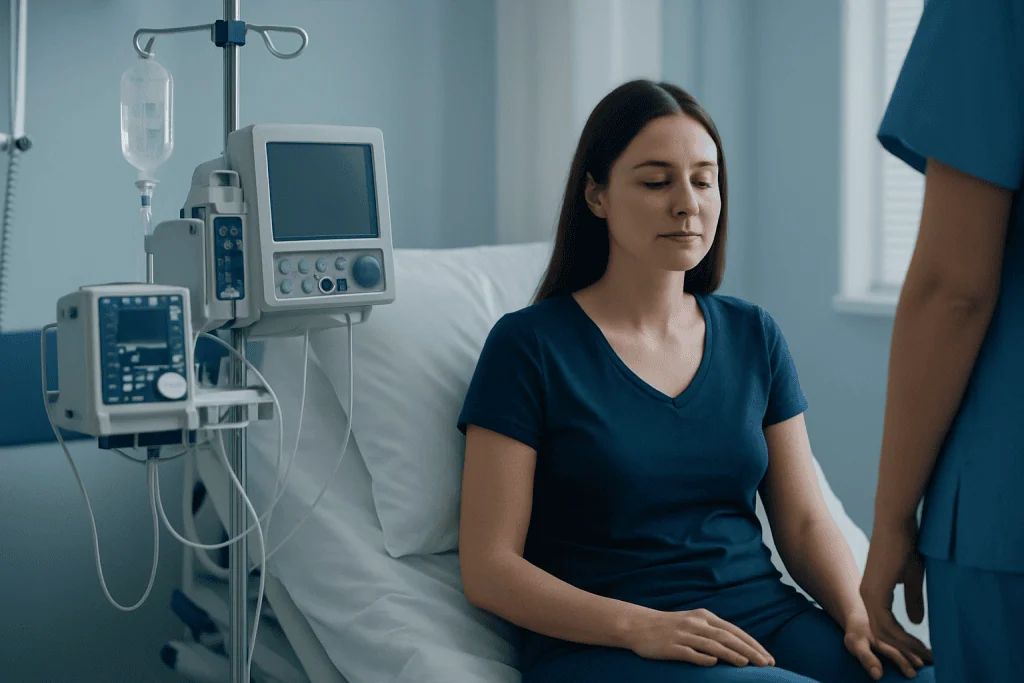
People choose free bleeding for different personal reasons. Some dislike the feel of internal products or find pads irritating on the skin. Others want fewer disposable products in their routine or feel more comfortable at home without period supplies. Some also report that free bleeding encourages them to rest more, notice body signals, and plan daily activities around their flow.
There are also practical situations where people partially free bleed. A person may choose to do so during sleep on a protective towel or sheet, during a short time at home, or at the end of a period when the flow is minimal. For individuals with a predictable light flow, this may be a reasonable option if it feels comfortable and manageable.
At the same time, free bleeding may not be the best fit for every body or lifestyle. Work, school, travel, sports, and long periods away from home can make it harder to manage. Some people feel empowered by the choice, while others feel anxious about leaks, odor, or visible staining. Neither response is right or wrong; the most appropriate menstrual care approach is the one that is safe, practical, and respectful of the person’s health needs.
Is free bleeding safe?
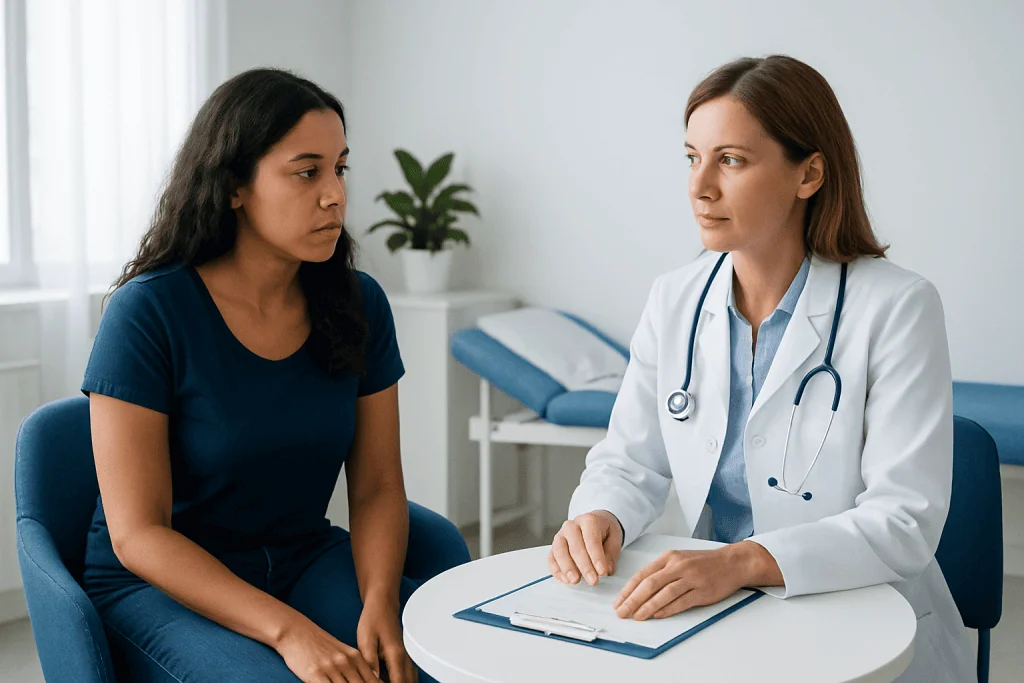
In general, free bleeding itself is not considered dangerous for a healthy person with a normal menstrual cycle. Menstrual blood leaving the body naturally is not harmful, and choosing not to use period products does not usually create a medical problem. The main concerns are typically comfort, hygiene, skin care, and how well the person can manage the amount of flow in everyday life.
Skin irritation can happen if blood remains against the skin for long periods, especially in hot weather or with friction from clothing. Washing the area gently, changing clothes as needed, and using breathable fabrics can help. Some people notice a stronger odor when blood is on fabric or skin for a long time, but odor alone is not necessarily a sign of infection. A strong or unusual smell together with itching, burning, fever, or abnormal discharge should be checked by a clinician.
Free bleeding may be less practical or less comfortable for people with heavy menstrual bleeding, clotting, significant cramps, or conditions that cause unpredictable flow. In those cases, medical review may help identify a reason for the symptoms, such as uterine fibroids or another gynecologic condition. The key point is that free bleeding can be safe as a choice, but it does not replace medical assessment when bleeding seems abnormal.
Flow, symptoms, and situations that may need closer attention
The experience of free bleeding often depends on the pattern of the menstrual cycle. People with lighter periods may find it manageable, especially at home or on lower-flow days. People with heavier flow may need to change clothing or bedding frequently, which can affect comfort, sleep, work, and social activities. Large clots, flooding through clothes, or a need to stay close to a bathroom can suggest that the period is heavier than expected.
Symptoms that deserve attention include severe pelvic pain, marked fatigue, dizziness, shortness of breath, fainting, or headaches around the period. These symptoms may happen when blood loss is high enough to contribute to iron deficiency or anemia. Heavy bleeding can also be linked to hormone changes, thyroid problems, fibroids, polyps, endometriosis, or pregnancy-related issues, depending on age and circumstances.
Cycle irregularity is another reason to pause and reassess. Periods that become suddenly much heavier, last much longer than usual, occur very frequently, or happen after months without menstruation should not be ignored. In some cases, doctors may recommend evaluation for endometriosis or other causes of abnormal bleeding and pain, especially when symptoms interfere with daily life.
- Very heavy flow or passing frequent large clots
- Bleeding between periods or after sex
- Periods that are much more painful than usual
- Symptoms of anemia such as unusual tiredness, weakness, or dizziness
- Bleeding after menopause
How doctors evaluate menstrual bleeding concerns
When a person seeks care for heavy, painful, or irregular periods, the evaluation usually starts with a detailed history. A clinician may ask about cycle timing, number of bleeding days, clots, pain, sexual health, contraception, pregnancy possibility, medications, and any symptoms such as fatigue or fainting. Keeping a simple period diary can make patterns easier to explain and can help determine whether bleeding is within an expected range.
Depending on symptoms, tests may include blood work to check for anemia, iron deficiency, thyroid function, or other relevant factors. A pregnancy test may also be needed in some situations. Imaging, particularly a pelvic ultrasound, is commonly used to look for structural causes such as fibroids or polyps. If symptoms suggest a deeper condition, the doctor may recommend further gynecologic assessment.
Treatment recommendations depend on the cause rather than the menstrual product choice. Someone with severe cramps and pelvic pain may benefit from assessment and care related to endometriosis treatment. If fibroids are affecting bleeding or pressure symptoms, evaluation for treatment for uterine fibroids may be appropriate. The goal is to understand why the bleeding is happening and match care to the individual’s needs.
Practical self-care for people who choose free bleeding
For those who wish to try free bleeding, planning can make the experience easier. Many people start at home, overnight, or during the final days of a period to see how their body responds. Dark, comfortable clothing and washable towels or protective bedding can reduce stress about staining. Access to a bathroom and spare clothing may also help during the adjustment period.
Skin care matters. Gentle washing with water or a mild cleanser, changing out of damp clothing, and wearing breathable cotton underwear or loose-fitting clothes can lower the chance of irritation. Harsh soaps, scented products, or frequent scrubbing are best avoided because they can disrupt the skin and vulvar area. Menstrual blood itself is not dirty, but routine hygiene supports comfort.
Tracking symptoms is useful whether or not a person uses period products. Noting flow level, clotting, pain, cycle length, and fatigue can reveal when a period pattern changes. If bleeding becomes difficult to manage, some people decide to combine approaches, such as free bleeding at home and using period products outside the home. Others may prefer longer-term medical options to manage heavy bleeding, which can include hormonal therapies or procedures such as hysterectomy in selected cases after specialist evaluation.
When to seek medical care
Medical care is recommended if menstrual bleeding is very heavy, causes weakness or dizziness, lasts much longer than usual, or is accompanied by severe pain. Prompt assessment is also important for bleeding between periods, after sex, during pregnancy, or after menopause. These symptoms do not always mean a serious problem, but they do deserve a professional evaluation.
Urgent care may be needed if a person soaks through clothing or bedding repeatedly in a short time, feels faint, has chest discomfort, or has signs of significant blood loss. A clinician can check for anemia, rule out pregnancy-related causes when relevant, and look for conditions affecting the uterus, ovaries, or hormones. Early assessment often makes treatment simpler and more effective.
For people seeking specialist support, Acibadem International’s multidisciplinary teams in JCI-accredited hospitals diagnose and treat menstrual disorders for international patients. The best time to seek help is when bleeding patterns change, symptoms limit normal activities, or there is uncertainty about what is normal for the body.
Frequently asked questions
What is free bleeding?
Free bleeding is the practice of menstruating without using pads, tampons, cups, or similar products. Some people do it all the time, while others only do it at home or on lighter days of their period.
Is free bleeding hygienic?
Free bleeding can be hygienic if the person keeps the skin clean, changes clothing as needed, and manages any staining promptly. Good hygiene is mainly about comfort and skin care rather than using a specific type of period product.
Can free bleeding cause infection?
Free bleeding itself does not usually cause infection. However, prolonged moisture, friction, or poor skin care can contribute to irritation, and unusual odor, itching, burning, or fever should be evaluated by a doctor.
Is free bleeding safe for heavy periods?
It may be difficult to manage if the flow is heavy, unpredictable, or associated with large clots. Heavy periods can also be a sign of an underlying medical issue, so a doctor should assess symptoms that are worsening or affecting daily life.
Does free bleeding make a period shorter or healthier?
There is no good medical evidence that free bleeding makes periods shorter, cleaner, or healthier. It is a menstrual management choice, not a treatment for cramps, heavy bleeding, or cycle irregularity.
When should someone see a doctor about period bleeding?
A doctor should be consulted for very heavy bleeding, severe pain, dizziness, fainting, bleeding between periods, bleeding after sex, or bleeding after menopause. Medical advice is also important when periods suddenly change or interfere with normal activities.
References
- World Health Organization
- American College of Obstetricians and Gynecologists
- National Institute for Health and Care Excellence
- Centers for Disease Control and Prevention
- Office on Women's Health
This article is for general information only and is not a substitute for professional medical advice. Please consult a qualified doctor about your individual situation.
Explore treatments in Turkey — costs, top hospitals & a free quote
JCI-accredited · board-certified surgeons · reply within 24h
Add us as a Preferred Source to see more of our trusted health content across Google Search, AI Overviews and Discover.

More from the Health Library

G Spot: What Patients Need to Know

Tincture: An Evidence-Based Guide for Patients
Bloated Ankles Causes: What Patients Need to Know
Causes of Cramps on Feet: An Evidence-Based Guide for Patients
Non Rebreather Mask: A Complete Medical Overview