Bloated Ankles Causes: What Patients Need to Know

Ankle swelling is often caused by fluid buildup in the tissues, also called edema. Common triggers include standing or sitting for long periods, excess salt, hot weather, pregnancy, and ankle injury.
Key Takeaways
- Ankle swelling is often caused by fluid buildup in the tissues, also called edema.
- Common triggers include standing or sitting for long periods, excess salt, hot weather, pregnancy, and ankle injury.
- One-sided swelling, sudden swelling, pain, redness, shortness of breath, or chest pain need prompt medical attention.
- Medicines such as calcium channel blockers, NSAIDs, steroids, and hormones can contribute to swollen ankles.
- Treatment depends on the cause and may include lifestyle changes, compression, medicine review, or care for an underlying condition.
Bloated ankles causes include everyday factors such as prolonged standing, heat, high salt intake, and minor injury, as well as medical issues affecting veins, lymph flow, the heart, kidneys, liver, or thyroid. The pattern of swelling, associated symptoms, and a person’s medical history help doctors identify whether ankle swelling is temporary and harmless or a sign that further evaluation is needed.
Overview: what bloated ankles can mean
Bloated ankles causes most often relate to fluid collecting in the soft tissues around the ankle, a problem called edema. In many people, this happens for practical reasons such as standing for long periods, eating a very salty meal, traveling, being in hot weather, or recovering from a mild sprain. In other cases, ankle swelling is linked to circulation problems, inflammation, side effects of medicines, or conditions affecting the heart, kidneys, liver, thyroid, or lymphatic system.
The most helpful clues are whether the swelling affects one ankle or both, whether it comes and goes, and whether it is paired with symptoms such as pain, redness, warmth, skin changes, breathlessness, or rapid weight gain. Swelling that is mild, symmetrical, and worse by the end of the day is often related to gravity and fluid retention. Swelling that is sudden, severe, or accompanied by other symptoms deserves medical assessment.
Because many different conditions can look similar at first, doctors do not rely on swelling alone. They ask about recent travel, injuries, medicines, pregnancy, diet, exercise, past vein problems, and chronic illnesses. This careful approach helps distinguish a temporary, self-limited issue from a condition needing targeted treatment.
Common symptoms and patterns of ankle swelling
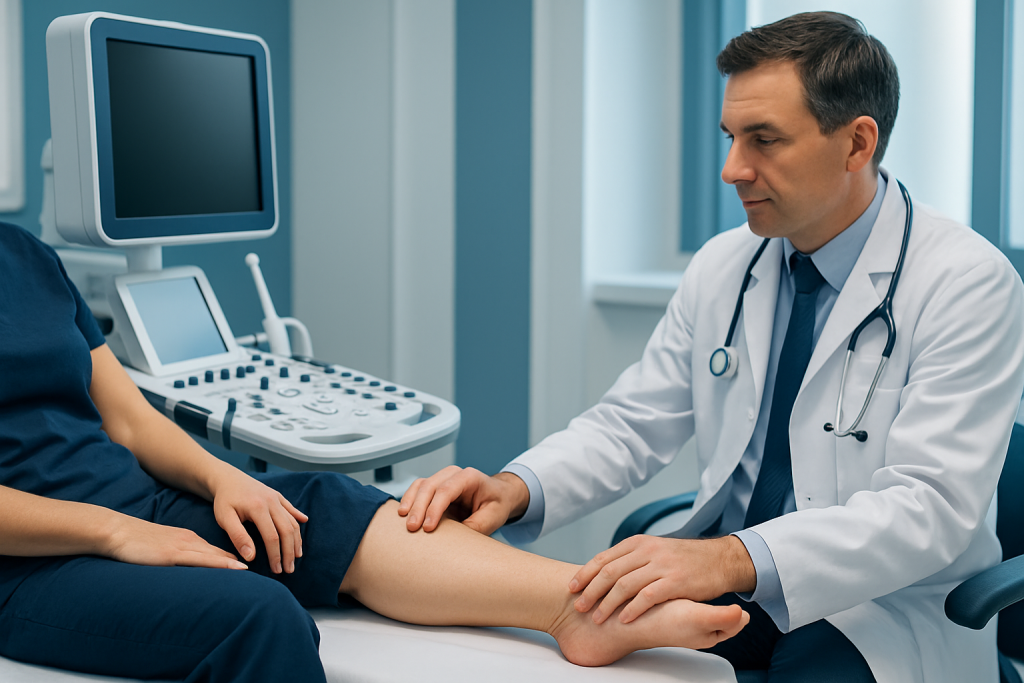
Some people notice only a feeling of tightness around socks or shoes. Others see visible puffiness around the ankle bones, reduced ankle definition, or skin that looks stretched and shiny. If a finger pressed into the skin leaves a dent for a short time, doctors call this pitting edema, which can happen when fluid retention is significant.
The timing of symptoms matters. Swelling that worsens late in the day and improves overnight may point to dependent edema from sitting or standing. Swelling after exercise or injury may reflect local inflammation. Morning swelling, swelling that gradually increases over weeks, or swelling paired with tiredness, changes in urination, abdominal bloating, or shortness of breath can suggest a broader medical cause.
One-sided and two-sided swelling are often evaluated differently:
- One ankle or one leg: more often linked to injury, infection, a blood clot, or a problem in the veins or lymphatic drainage on that side.
- Both ankles: more often associated with fluid retention, medications, pregnancy, obesity, chronic venous insufficiency, or systemic conditions such as heart, kidney, liver, or thyroid disorders.
- Painful swelling: may occur with sprains, arthritis, gout, cellulitis, or a clot.
- Painless swelling: may be seen with venous insufficiency, medication effects, or mild fluid retention.
Bloated ankles causes: everyday triggers and medical conditions
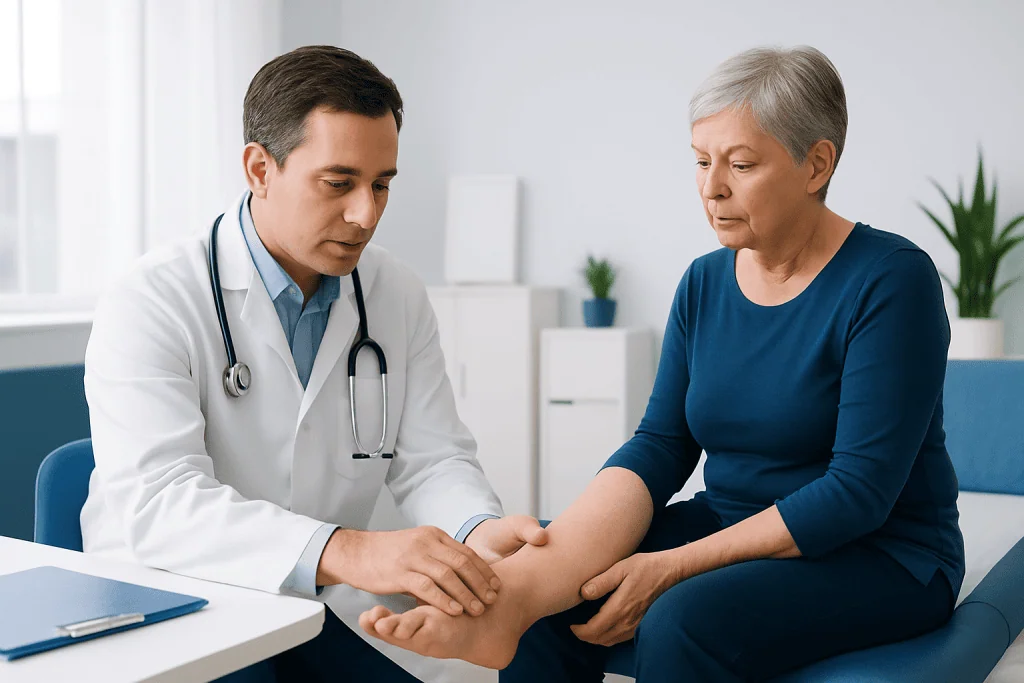
Everyday triggers are among the most frequent explanations for ankle swelling. Long periods of sitting, standing, or long-distance travel let fluid pool in the lower legs because gravity pulls it downward. Hot weather can widen blood vessels and make this more noticeable. High salt intake encourages the body to retain water, and excess body weight can increase pressure on veins in the legs. Pregnancy can also cause ankle swelling, especially later on, because of fluid shifts and pressure on pelvic veins.
Injury is another common cause. A sprained ankle often leads to swelling, pain, bruising, and difficulty bearing weight. Arthritis, gout, and tendon inflammation may also create a swollen ankle, sometimes with warmth or stiffness. Infections such as cellulitis can cause swelling with redness, tenderness, and fever, while a blood clot in the leg can lead to more significant one-sided swelling and needs urgent evaluation.
Problems with blood and lymph flow are important medical causes. Chronic venous insufficiency happens when leg veins have trouble pushing blood back toward the heart, leading to swelling, aching, heaviness, and sometimes skin discoloration. Lymphedema results from impaired lymph drainage and may feel firm or persistent. Doctors may also evaluate for varicose veins or other vein conditions if swelling is longstanding or worsens with standing.
Systemic health conditions can affect both ankles. Heart failure can cause fluid retention in the legs, especially when accompanied by breathlessness or fatigue. Kidney disease may reduce the body’s ability to regulate fluid and salt. Liver disease can lower blood proteins and contribute to swelling. An underactive thyroid can also cause puffiness and fluid changes. People living with conditions such as heart failure or kidney failure may already know that ankle swelling can be one of the signs doctors monitor over time.
Medicines and other risk factors that can contribute
Several medications are known to cause or worsen ankle swelling. Calcium channel blockers used for blood pressure are a well-known example. Other possible contributors include nonsteroidal anti-inflammatory drugs, corticosteroids, estrogen-containing therapies, some diabetes medicines, and certain antidepressants. The swelling may start gradually after a new medicine is introduced, so a recent medication change is an important clue.
Doctors also consider age, obesity, reduced mobility, previous vein disease, surgery, cancer treatment, pregnancy, and a family history of swelling disorders. Recent flights or long car journeys can increase the risk of fluid pooling and, in some situations, blood clots. Athletes and people with repetitive strain may develop localized swelling from overuse injuries.
Self-diagnosis can be difficult because more than one factor may be present at the same time. For example, a person may have mild venous insufficiency that becomes much more noticeable during hot weather, after salt-heavy meals, or while taking a medicine that promotes fluid retention. This is why a full review of health history, prescriptions, and daily habits is often more informative than the swelling alone.
How doctors diagnose the cause
Diagnosis starts with a focused medical history and physical examination. A doctor usually asks when the swelling began, whether it affects one side or both, what makes it better or worse, and whether there is pain, redness, breathlessness, fever, chest discomfort, or recent injury. They also ask about travel, pregnancy, long hours sitting or standing, and all prescription and nonprescription medicines.
During the examination, the doctor checks the ankles, legs, skin, pulses, and signs of pitting edema. They look for clues such as varicose veins, tenderness, warmth, skin infection, joint swelling, or signs of fluid overload elsewhere in the body. Depending on the suspected cause, blood and urine tests may help assess kidney, liver, thyroid, or heart-related issues.
Imaging is sometimes needed. Ultrasound can be used to assess the veins and rule out a blood clot, or to evaluate venous insufficiency. If injury is suspected, an X-ray or other imaging may be recommended. When the concern is circulatory rather than bone-related, doctors may consider vascular evaluation and, in selected cases, treatments such as varicose veins treatment if venous disease is confirmed and symptoms are troublesome.
Treatment options and self-care
Treatment depends on the underlying cause. For swelling related to prolonged standing, travel, mild fluid retention, or heat, simple steps may help: elevating the legs, moving regularly, limiting excess salt, staying hydrated, and wearing properly fitted shoes. Compression socks can help some people, especially when venous pooling is part of the problem, but they should be used with medical guidance if there is significant arterial disease or uncertain circulation.
If a medicine is contributing, a doctor may review whether an adjustment is possible. It is important not to stop prescribed medication without medical advice. When swelling is due to injury, rest, protection, and appropriate rehabilitation are often recommended. If an infection is present, treatment is directed at the infection. If a systemic condition such as heart, kidney, liver, or thyroid disease is involved, controlling that condition is the main way to reduce recurring ankle swelling.
For people with confirmed vein disease, treatment may include compression therapy, exercise, weight management, and procedures aimed at improving blood flow in affected veins. In selected cases, a vascular specialist may recommend endovenous laser ablation or another minimally invasive option. If swelling is linked to a heart condition, a specialist may discuss broader cardiovascular management and, when appropriate, heart valve surgery or other treatments related to the underlying diagnosis rather than the swelling itself.
Near the end of the care pathway, some patients benefit from coordinated specialist review. Acibadem International’s multidisciplinary specialists and JCI-accredited hospitals diagnose and treat conditions that can cause ankle swelling for international patients, particularly when heart, kidney, vascular, or complex internal medicine assessment is needed.
Prevention and daily habits that may help
Not every case of ankle swelling can be prevented, but daily habits can reduce the chance of it becoming frequent or severe. Regular movement is one of the simplest tools. During desk work or travel, standing up, stretching, and walking briefly every hour supports circulation. Gentle ankle pumps and calf raises can also help move fluid back upward from the legs.
Reducing excess dietary salt may lessen fluid retention in people who are sensitive to it. Maintaining a healthy weight, staying active, and wearing supportive footwear can reduce strain on the ankles and improve venous return. If swelling tends to appear in the evening, elevating the legs above heart level for short periods may bring relief.
People who already know they have vein problems, heart disease, kidney disease, or liver disease should follow their clinician’s advice closely and keep regular follow-up appointments. Sudden increases in swelling, changes in breathing, or unexplained weight gain should not be managed only with home remedies. Prevention works best when it is matched to the true cause.
When to seek medical care
Medical advice is recommended if ankle swelling is new, keeps returning, lasts more than a few days without a clear explanation, or starts after a medication change. A doctor should also evaluate swelling that is painful, red, warm, associated with fever, or linked to reduced ability to walk. One-sided swelling without an obvious injury deserves timely attention because circulation problems and blood clots need to be considered.
Urgent care is needed if ankle swelling appears suddenly with shortness of breath, chest pain, fainting, severe calf pain, or a leg that becomes markedly swollen on one side. These symptoms can point to conditions that should not wait. During pregnancy, swelling is common, but sudden or severe swelling, especially with headache, vision changes, or high blood pressure, should be assessed promptly.
Even when symptoms are mild, persistent swelling is worth discussing with a qualified doctor because early evaluation can identify treatable causes before complications develop. A calm, step-by-step assessment is usually the best way to find out whether bloated ankles are due to everyday factors or a medical condition that needs care.
Frequently asked questions
What are the most common bloated ankles causes?
The most common causes are prolonged standing or sitting, hot weather, high salt intake, pregnancy, minor injury, and medication side effects. Medical causes include venous insufficiency, infection, blood clots, and conditions affecting the heart, kidneys, liver, or thyroid.
Why are my ankles swollen at the end of the day?
Swelling that is worse in the evening often happens because fluid pools in the lower legs during the day due to gravity. It is more likely if a person stands or sits for long periods, has venous insufficiency, or is exposed to heat.
Is ankle swelling always serious?
No, ankle swelling is not always serious and is often related to temporary fluid retention or minor injury. However, sudden swelling, one-sided swelling, redness, severe pain, chest pain, or shortness of breath need prompt medical evaluation.
Can blood pressure medicine cause swollen ankles?
Yes, some blood pressure medicines, especially calcium channel blockers, can cause ankle swelling. A person should not stop the medicine on their own, but should speak with their doctor about whether an adjustment or alternative is appropriate.
How do doctors find the cause of swollen ankles?
Doctors usually begin with a history and examination, looking at the pattern of swelling and any related symptoms. They may then order blood or urine tests, an ultrasound of the leg veins, or imaging if injury or another structural problem is suspected.
What can help reduce mild ankle swelling at home?
For mild swelling, elevating the legs, moving regularly, reducing excess salt, and avoiding long periods of sitting or standing may help. Compression socks can be useful for some people, but it is best to ask a clinician first if the cause is not known.
This article is for general information only and is not a substitute for professional medical advice. Please consult a qualified doctor about your individual situation.
Persistent digestive symptoms? Get evaluated in Turkey
JCI-accredited · board-certified surgeons · reply within 24h
Add us as a Preferred Source to see more of our trusted health content across Google Search, AI Overviews and Discover.

More from the Health Library

And Niacinamide: What Patients Need to Know

Lipo Gummies: A Complete Medical Overview
Hip Bone — Explained by Medical Evidence, Not Myths

Psyllium Husk: A Complete Medical Overview

Anticoagulant: What Patients Need to Know