Hip Bone — Explained by Medical Evidence, Not Myths
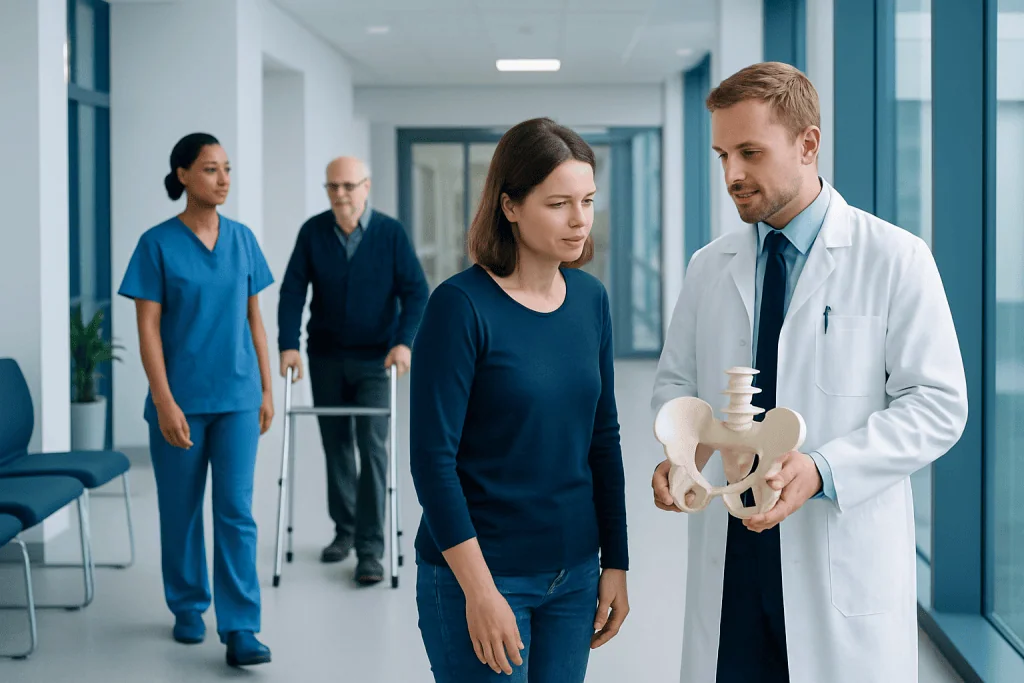
The hip bone is part of the pelvis and works closely with the femur and spine. It helps with standing, walking, balance, and protection of pelvic organs.
Key Takeaways
- The hip bone is part of the pelvis and works closely with the femur and spine.
- It helps with standing, walking, balance, and protection of pelvic organs.
- Hip bone pain can come from injury, arthritis, overuse, referred pain, or less commonly infection or bone disease.
- Diagnosis may involve a physical exam, X-rays, MRI, CT scans, or blood tests depending on symptoms.
- Treatment depends on the cause and may include rest, physical therapy, medicines, injections, or surgery.
- Prompt medical care is important after a fall, severe pain, inability to bear weight, fever, or sudden deformity.
The hip bone is the large pelvic bone that helps form the hip joint, supports body weight, and protects nearby organs. Understanding its structure and common problems can make hip pain, injury, and treatment options easier to discuss with a doctor.
Overview: what the hip bone is and why it matters
The term hip bone usually refers to the large pelvic bone on each side of the body. Each hip bone is made up of three parts that fuse during growth: the ilium, ischium, and pubis. Together, these bones form the socket of the hip joint, where the top of the thigh bone fits to allow movement.
The hip bone does more than create a joint. It helps support the body’s weight when a person stands, walks, climbs stairs, or changes direction. It also helps protect pelvic organs and provides attachment points for many muscles that stabilize the trunk and legs.
People often use the phrase “hip bone” to describe several nearby areas, including the outer side of the hip, the groin, the buttock, or even the upper thigh. That is one reason hip pain can be confusing. Pain felt near the hip bone may come from the bone itself, the cartilage of the joint, nearby tendons and bursae, the lower back, or the sacroiliac joint.
Hip bone anatomy in simple terms
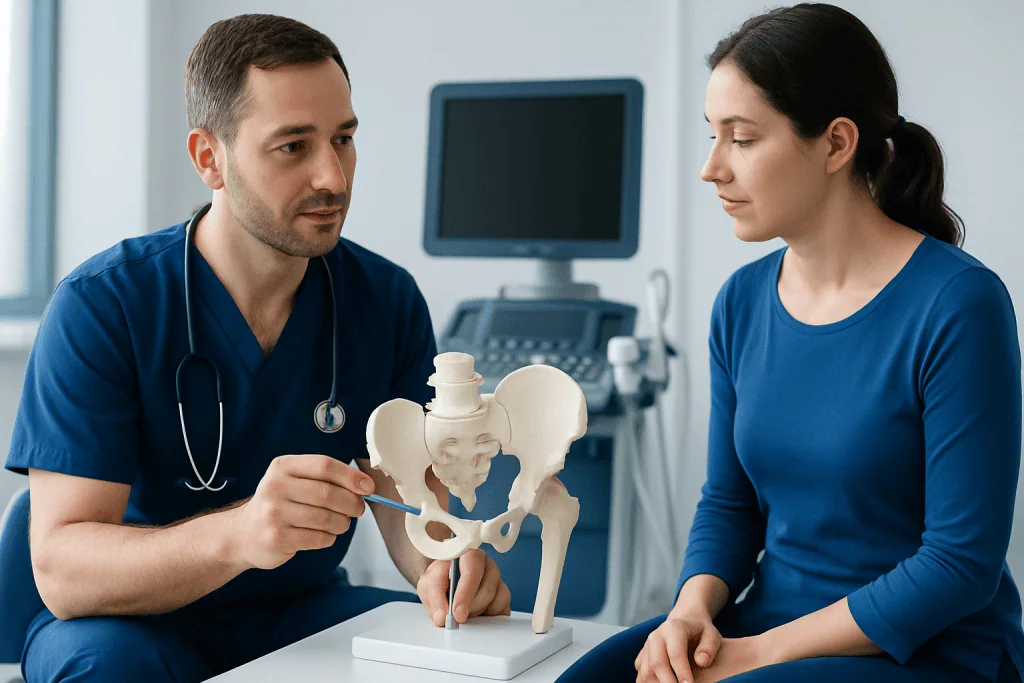
The hip bone is part of the pelvis, which forms a ring together with the sacrum at the base of the spine. The broad upper part is the ilium, the lower back portion is the ischium, and the front-lower part is the pubis. These sections meet at the acetabulum, the cup-shaped socket that receives the rounded head of the femur.
The hip joint is a ball-and-socket joint. This design allows a wide range of motion, including bending, straightening, turning inward and outward, and moving the leg away from or toward the body. Strong ligaments, a smooth cartilage lining, and surrounding muscles all work together to keep the joint stable while still allowing movement.
Several structures around the hip bone are common sources of symptoms. These include cartilage, the labrum that deepens the socket, bursae that reduce friction, tendons that connect muscles to bone, and nerves that pass through the area. Problems affecting any of these tissues can cause pain that feels like it is “in the hip bone,” even when the bone itself is not the main issue.
Because the hip bone is central to posture and gait, small changes in alignment or strength can affect how a person moves. That is why assessment often includes not only the hip joint, but also the lower back, pelvis, knees, and walking pattern.
Common symptoms linked to the hip bone area
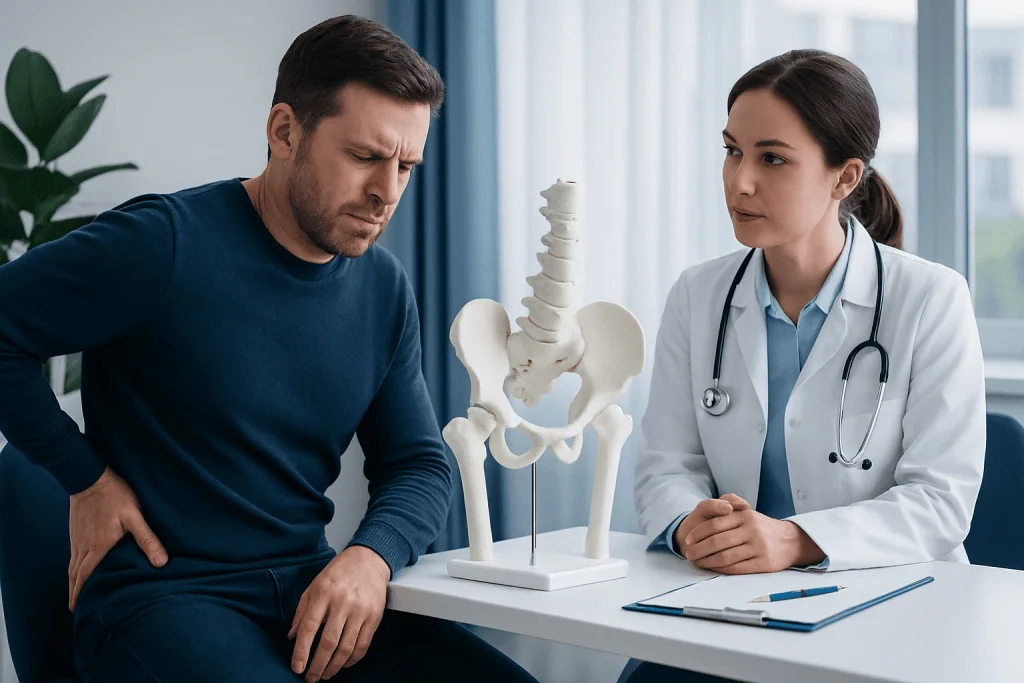
Symptoms in the hip bone region vary depending on the cause. Some people feel a deep ache in the groin, while others notice pain on the outer hip, buttock, or upper thigh. The location can offer useful clues: groin pain often relates to the hip joint itself, while side-of-hip pain may be more related to tendons or bursae.
Other common symptoms include stiffness, clicking, reduced range of motion, limping, or discomfort when walking, standing, or sleeping on one side. Pain may start gradually with overuse or arthritis, or come on suddenly after a fall, sports injury, or twisting movement.
Sometimes the main problem is not pain but function. A person may struggle to put on shoes, get into a car, climb stairs, or rise from a chair. If the hip area feels weak or unstable, doctors may look for muscle injury, joint damage, or nerve-related causes.
- Deep groin pain with movement
- Outer hip tenderness when lying on that side
- Buttock pain linked to walking or back symptoms
- Stiffness after rest or in the morning
- Limping or reduced ability to bear weight
- Swelling, bruising, or deformity after injury
What can cause hip bone pain or injury?
Hip bone pain has many possible causes, and not all of them start in the bone. In younger people, sports injuries, muscle strain, tendon irritation, labral tears, or stress fractures may be involved. In older adults, osteoarthritis, falls, fractures, and tendon problems are common. Doctors also consider whether pain may be referred from the lower back or pelvis.
One important cause is arthritis of the hip joint, in which cartilage wears down over time and movement becomes painful or stiff. This can overlap with other joint conditions such as osteoarthritis. Bursitis, tendon irritation, and gluteal muscle problems can also cause pain around the outer side of the hip rather than deep in the groin.
Injury is another major category. A direct fall may cause bruising or a fracture, especially in older adults or people with weakened bones. Repeated stress from running or high-impact activity can lead to a stress fracture. Less often, infection, inflammatory disease, bone tumors, or poor blood supply to the femoral head may be considered when symptoms are unusual or persistent.
Risk factors depend on the cause but may include aging, osteoporosis, prior injury, repetitive sports, obesity, poor muscle strength, leg-length differences, and certain medical conditions. People with known bone weakness may be at greater risk for osteoporosis-related fractures after a relatively minor fall.
How doctors diagnose problems around the hip bone
Diagnosis begins with a careful history and physical examination. A doctor will ask where the pain is felt, when it started, what movements worsen it, and whether there was trauma, fever, numbness, or back pain. They may assess walking, posture, leg length, tenderness, strength, and range of motion.
Imaging often helps clarify the cause. X-rays are commonly used first to look for fractures, arthritis, and major structural changes. MRI can be useful when soft tissue injury, stress fracture, cartilage damage, or labral problems are suspected. CT scans may help define complex fractures or bony anatomy in more detail. In some cases, ultrasound may be used to assess bursae or tendons.
Blood tests are not needed for every patient, but they may be ordered if infection, inflammatory disease, or another systemic illness is possible. If pain seems to come from the back rather than the hip, the evaluation may expand to include the spine or nerves. This is one reason self-diagnosis can be difficult when symptoms overlap.
Sometimes hip-area pain is linked to nearby structures rather than the pelvic bone itself. Conditions affecting the lower back, sacroiliac region, or upper thigh can create similar symptoms. A careful, step-by-step assessment helps avoid treating the wrong source of pain.
Treatment options and recovery
Treatment depends on the underlying problem, the patient’s age and activity level, and whether symptoms are acute or chronic. For many non-emergency causes, early care focuses on reducing pain and restoring movement. This may include activity modification, short-term rest from aggravating activities, ice or heat, and medicines recommended by a doctor.
Physical therapy is often central to recovery. A structured program may improve strength in the gluteal muscles, core, and thigh, increase flexibility, and correct movement patterns that overload the hip. Some patients also benefit from walking aids for a short time, supportive footwear, or targeted injections to reduce inflammation in selected conditions.
When joint damage is advanced or a fracture is present, procedures may be needed. Depending on the problem, options may include hip replacement for severe joint degeneration, physical therapy and rehabilitation as part of recovery, or orthopedic evaluation and treatment for fractures and structural disorders. The right plan is individualized rather than one-size-fits-all.
Recovery time varies widely. A minor soft tissue problem may improve over weeks, while fractures or surgery require longer healing and rehabilitation. The best outcomes usually come from an accurate diagnosis, appropriate exercise progression, and follow-up if symptoms do not improve as expected.
Prevention and self-care for a healthier hip area
Not every hip problem can be prevented, but many can be reduced through everyday habits. Regular exercise helps maintain muscle strength, joint support, and balance. Low-impact activities such as walking, swimming, or cycling are often easier on the hips than repetitive high-impact exercise, especially for people with stiffness or early arthritis.
Strengthening the gluteal muscles, core, and thighs may improve hip alignment and reduce strain on the joint. Gentle flexibility work can also support range of motion. People who exercise regularly should increase training gradually and pay attention to technique, footwear, and recovery time to lower the risk of overuse injuries.
Bone health also matters. Adequate calcium and vitamin D intake, avoiding smoking, limiting excess alcohol, and fall prevention at home are practical ways to support stronger bones. For older adults or anyone at risk of bone loss, a doctor may suggest screening and treatment strategies.
If symptoms begin, self-care should stay sensible and safe. Avoid pushing through severe pain. If home measures do not help, or if pain keeps returning, medical assessment is a better next step than repeated self-treatment.
When to seek medical care
Medical care is advisable if hip bone pain lasts more than a few days, keeps coming back, limits normal activity, or is associated with noticeable stiffness or limping. A doctor should also evaluate pain that is worse at night, pain with reduced range of motion, or discomfort that follows a new exercise program but does not settle with rest.
Urgent evaluation is important after a fall, accident, or sudden twisting injury if the person cannot bear weight, has marked swelling, bruising, a visible deformity, fever, or severe pain. These features can suggest a fracture, dislocation, infection, or another problem that needs prompt treatment.
People with risk factors such as older age, known osteoporosis, cancer history, long-term steroid use, or recent infection should seek medical advice early if new hip pain develops. Timely assessment can help prevent complications and guide the right treatment sooner.
For patients who need specialist evaluation, Acibadem International’s multidisciplinary teams in JCI-accredited hospitals diagnose and treat hip and pelvic conditions for international patients, including assessment of related hip osteoarthritis when appropriate.
Frequently asked questions
Is the hip bone the same as the hip joint?
Not exactly. The hip bone is part of the pelvis, while the hip joint is the place where the top of the thigh bone fits into the socket formed by the pelvis. People often use the terms interchangeably in conversation, but medically they are different structures.
Where is hip bone pain usually felt?
It can be felt in the groin, outer hip, buttock, or upper thigh. Groin pain often points more toward the hip joint itself, while side-of-hip pain may come from tendons or bursae. The exact location helps doctors narrow down the cause.
Can hip bone pain come from the back?
Yes. Problems in the lower back or sacroiliac area can cause referred pain that feels like it is coming from the hip. This is why a full examination often includes the spine and walking pattern, not just the hip area.
How do doctors know if a hip bone is fractured?
They usually begin with a physical exam and X-rays. If a fracture is still suspected but not clearly visible, MRI or CT imaging may be needed. A person who cannot bear weight after a fall should be assessed promptly.
What helps mild hip bone pain at home?
Short-term rest from painful activities, ice or heat, and gentle movement may help some mild cases. However, persistent, severe, or recurring pain should be assessed by a qualified doctor. Self-care should not replace evaluation after injury or with significant loss of function.
Does all hip pain mean arthritis?
No. Arthritis is common, especially with age, but hip pain can also result from tendon problems, bursitis, strain, labral injury, stress fracture, or referred pain from another area. The cause is not always obvious without a proper assessment.
References
- American Academy of Orthopaedic Surgeons
- National Institute of Arthritis and Musculoskeletal and Skin Diseases
- MedlinePlus
- Mayo Clinic
- National Health Service
This article is for general information only and is not a substitute for professional medical advice. Please consult a qualified doctor about your individual situation.
Joint and spine care in Turkey — expert assessment & treatment
JCI-accredited · board-certified surgeons · reply within 24h
Add us as a Preferred Source to see more of our trusted health content across Google Search, AI Overviews and Discover.