Tincture: An Evidence-Based Guide for Patients

A tincture is a liquid extract, not a single medicine; its effects depend entirely on its ingredients. Many tinctures use alcohol as a solvent, which may matter for children, pregnancy, liver disease, or certain beliefs and preferences.
Key Takeaways
- A tincture is a liquid extract, not a single medicine; its effects depend entirely on its ingredients.
- Many tinctures use alcohol as a solvent, which may matter for children, pregnancy, liver disease, or certain beliefs and preferences.
- Natural or herbal tinctures can still cause side effects, allergic reactions, and drug interactions.
- Product quality varies, so clear labeling and professional guidance are important.
- Medical advice is especially important if symptoms persist, worsen, or involve breathing, chest pain, severe rash, or confusion.
A tincture is a concentrated liquid extract made by soaking plant, animal, or chemical substances in a solvent such as alcohol, glycerin, or vinegar. For patients, the most important points are what the tincture contains, how strong it is, and whether it is safe to use alongside medical conditions or prescribed medicines.
Overview: what a tincture is
A tincture is a concentrated liquid preparation made by extracting active compounds from a substance into a solvent. In everyday use, the word most often refers to herbal tinctures, but tinctures can also contain non-herbal medicinal ingredients. The solvent is commonly alcohol, although glycerin or vinegar may be used in some products.
For patients, the key idea is that “tincture” describes a form of preparation rather than a diagnosis or a specific treatment. One tincture may be intended for mild digestive discomfort, another for cough symptoms, and another may contain ingredients that are not appropriate for self-care at all. This is why reading the full label matters more than relying on the word tincture alone.
Tinctures have a long history in traditional and modern pharmacy because liquid extraction can concentrate certain compounds and make them easier to measure in small amounts. However, concentration also means they should be used thoughtfully. A small volume can contain ingredients strong enough to cause side effects or interact with prescription medicines.
How tinctures are made and what they may contain
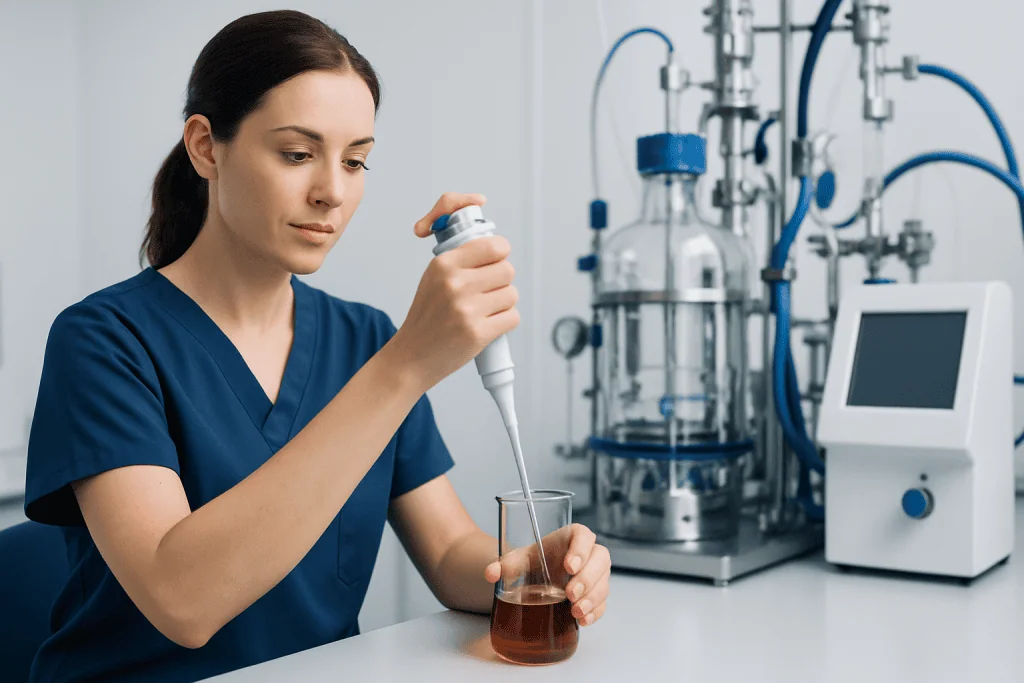
To make a tincture, raw material is soaked in a solvent for a period of time so that desired compounds move into the liquid. The final product is then filtered and bottled. Depending on the source material, the tincture may contain a mixture of active compounds rather than one isolated substance.
Common solvents include:
- Alcohol, which is effective for extracting many plant compounds and helps preserve the product
- Glycerin, which may be chosen when alcohol is not suitable
- Vinegar, used in some traditional preparations
The label should identify the ingredients, the solvent, and the concentration or extraction ratio where available. Some tinctures contain one herb, while others are blends. Others may include ingredients marketed for sleep, stress, immunity, digestion, or skin concerns. Patients should be cautious with broad claims, because the evidence behind these uses can vary significantly from one ingredient to another.
It is also important to distinguish tinctures from essential oils and from homeopathic products. Essential oils are highly concentrated volatile compounds and usually are not taken internally unless specifically formulated and supervised. Homeopathic liquids are prepared differently and follow a different theory of use, so they are not the same as herbal or pharmaceutical tinctures.
Common uses and what the evidence means
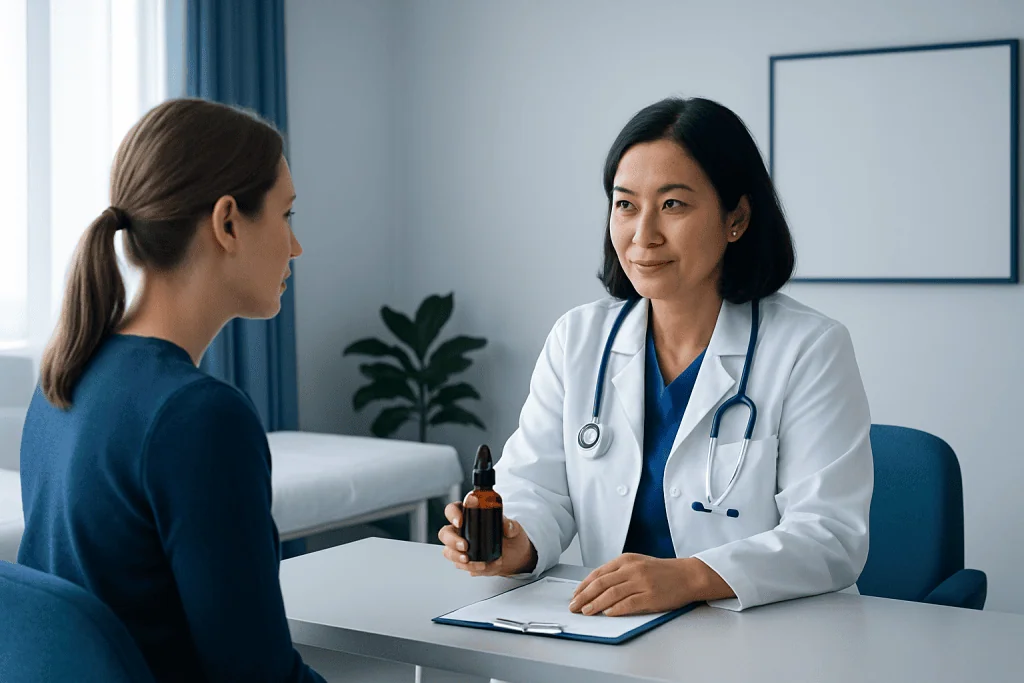
Tinctures are used for many purposes, including coughs, mild digestive symptoms, sleep support, relaxation, menstrual discomfort, and skin care. Some pharmacy-based tinctures are established medicinal products, while many over-the-counter herbal tinctures are sold as supplements or traditional remedies. Evidence for benefit depends on the specific ingredient, the preparation method, and the condition being addressed.
In practical terms, patients should not assume that all tinctures are well studied simply because they are widely available. A tincture may contain ingredients with limited human research, or evidence may support only short-term use for mild symptoms. If symptoms are persistent, severe, or unexplained, self-treatment with a tincture should not delay medical evaluation.
Some products are applied to the skin, while others are taken by mouth. Topical tinctures may cause irritation, especially on sensitive or broken skin. Oral tinctures may lead to stomach upset, drowsiness, dizziness, or allergic reactions depending on the ingredients. If a symptom may reflect a known medical condition, such as gastritis or migraine, medical assessment may be more appropriate than repeated self-treatment.
Safety, side effects, and interactions
Many patients assume tinctures are gentle because they are “natural,” but natural does not always mean risk-free. Side effects can come from the active ingredient itself, from the alcohol content, or from contamination, incorrect labeling, or inconsistent strength. The possibility of harm is one reason clinicians ask about supplements and herbal products during a medication review.
Potential concerns include allergic reactions, stomach upset, sleepiness, changes in blood pressure, or increased bleeding risk. Some tinctures may worsen liver problems or be inappropriate for people with a history of alcohol use disorder. Others may interfere with medicines such as blood thinners, sedatives, antidepressants, seizure medicines, or diabetes treatments.
Extra caution is needed in children, during pregnancy or breastfeeding, and in people with chronic medical conditions. Patients scheduled for procedures may also need to stop certain supplements in advance because of bleeding or sedation risks. If a person is being evaluated for symptoms that may need specialist care, such as persistent abdominal pain, they may ultimately need a structured plan that goes beyond self-care, including gastroenterology evaluation.
It is safest to bring the bottle or a photo of the full label to a clinician or pharmacist when asking whether a tincture is appropriate. That makes it easier to review the ingredients, solvent, and intended use rather than giving advice based only on the product name.
How to choose and use a tincture responsibly
If a tincture is being considered for a minor, short-term symptom, patients should choose products with clear labeling and avoid those that make dramatic claims. A trustworthy label should list the active ingredients, solvent, amount or concentration, directions for use, and any warnings. Products that hide their contents behind vague terms may be difficult to evaluate for safety.
Before use, patients should ask a few basic questions: What symptom is this for? Has a clinician diagnosed an underlying condition? Could the ingredients interact with current medicines or supplements? Is alcohol acceptable for the person who will use it? This simple review can prevent avoidable problems.
It is generally sensible to use only one new product at a time and watch for side effects rather than starting several remedies together. If a reaction occurs, it is much easier to identify the cause. For skin products, patch testing on a small area may help identify irritation, although it does not rule out all allergic reactions.
Tinctures should not replace treatment for urgent or chronic conditions without medical advice. For example, breathing difficulty, recurrent wheezing, or a prolonged cough may require assessment for asthma or other respiratory conditions rather than repeated symptom masking with over-the-counter remedies.
How doctors evaluate symptoms when a tincture is involved
When a patient reports symptoms after using a tincture, clinicians usually start by identifying the exact product and timing. They ask what ingredients it contains, how it was taken, whether alcohol was present, and what other medicines or supplements were used at the same time. This helps determine whether the tincture is likely to be the cause, a contributing factor, or unrelated.
Evaluation may include a physical examination and, when needed, tests based on the symptom pattern. For example, rash may call for an allergy review, stomach pain may need digestive assessment, and dizziness or confusion may require neurological or metabolic evaluation. The goal is not only to treat the reaction but also to rule out other medical causes.
If the symptom reflects an underlying condition rather than a side effect, treatment is directed at that condition. Depending on the concern, the next steps might include medication review, specialist referral, or targeted care such as allergy testing or pulmonology assessment. In this way, the tincture becomes part of the clinical history rather than the sole focus.
When to seek medical care
Medical care is appropriate if symptoms do not improve, keep returning, or become more severe despite stopping the tincture. It is also important to seek advice if a tincture is being considered for a child, an older adult with several medical conditions, or someone who is pregnant, breastfeeding, or taking multiple prescription medicines.
Urgent medical attention is needed for trouble breathing, swelling of the lips or tongue, fainting, severe drowsiness, chest pain, a seizure, confusion, or a rapidly spreading rash. These symptoms can signal a serious reaction or another condition that should not be managed at home.
Patients should also seek evaluation if they are using tinctures repeatedly for the same symptom, such as recurrent abdominal pain, headaches, poor sleep, or chronic cough. A persistent symptom deserves a clear diagnosis. Near the end of that process, some patients may benefit from care at centers such as Acibadem International, where multidisciplinary specialists in JCI-accredited hospitals evaluate and treat international patients using evidence-based approaches.
Frequently asked questions
What is a tincture in simple terms?
A tincture is a liquid extract made by soaking a substance, often an herb, in a solvent such as alcohol or glycerin. The solvent pulls out compounds from the source material, creating a concentrated liquid.
Are tinctures the same as herbal supplements?
Some tinctures are herbal supplements, but not all tinctures are the same type of product. The term describes the liquid form, while the ingredients and level of scientific evidence can vary widely.
Is an alcohol-based tincture safe for everyone?
No. Alcohol-based tinctures may not be suitable for children, people who are pregnant, those with liver disease, or people who avoid alcohol for medical, personal, or religious reasons. A clinician or pharmacist can help determine whether a particular product is appropriate.
Can tinctures interact with prescription medicines?
Yes, they can. Depending on the ingredients, tinctures may affect blood thinners, sedatives, antidepressants, seizure medicines, diabetes treatments, and other drugs. It is best to show the product label to a healthcare professional before use.
How can someone tell if a tincture is causing side effects?
Possible clues include symptoms that begin soon after starting the product or improve after it is stopped. Common concerns may include stomach upset, dizziness, drowsiness, rash, or irritation, but the pattern depends on the ingredients. Persistent or severe symptoms should be assessed by a doctor.
Should a tincture be used instead of seeing a doctor?
Not when symptoms are severe, persistent, unexplained, or worsening. Tinctures may have a role in limited self-care for mild symptoms, but they should not delay diagnosis of an underlying medical condition.
References
- World Health Organization
- U.S. Food and Drug Administration
- National Center for Complementary and Integrative Health
- MedlinePlus
- European Medicines Agency
This article is for general information only and is not a substitute for professional medical advice. Please consult a qualified doctor about your individual situation.
Explore treatments in Turkey — costs, top hospitals & a free quote
JCI-accredited · board-certified surgeons · reply within 24h
Add us as a Preferred Source to see more of our trusted health content across Google Search, AI Overviews and Discover.
Check your numbers in seconds
BMI, calories, due date, blood pressure and 30+ more clinical calculators — free, instant, doctor-reviewed ranges.