Atrophic Vaginitis: Symptoms, Causes, and Treatment Options

Atrophic vaginitis is most often linked to lower estrogen levels after menopause, but it can also happen during breastfeeding or after some cancer treatments. Common symptoms include vaginal dryness, burning, itching, discomfort with sex, and urinary urgency or recurrent urinary irritation.
Key Takeaways
- Atrophic vaginitis is most often linked to lower estrogen levels after menopause, but it can also happen during breastfeeding or after some cancer treatments.
- Common symptoms include vaginal dryness, burning, itching, discomfort with sex, and urinary urgency or recurrent urinary irritation.
- Diagnosis is usually based on symptoms, a medical history, and a pelvic examination; tests may be used to rule out infection or other causes.
- Treatment may include vaginal moisturizers, lubricants, local estrogen therapy, or other prescription options depending on a person’s health needs.
- Ongoing symptoms should not be dismissed as a normal part of aging because treatment can meaningfully improve comfort and quality of life.
Atrophic vaginitis is a common condition in which vaginal tissues become thinner, drier, and less elastic, most often because estrogen levels fall after menopause. It can cause irritation, burning, urinary symptoms, and pain with sex, but effective treatments and daily self-care can usually relieve symptoms and improve comfort.
Overview
Atrophic vaginitis is inflammation and discomfort caused by thinning, drying, and increased fragility of the vaginal lining. It most often develops when estrogen levels drop, especially after menopause, and it is now often discussed as part of a broader condition called genitourinary syndrome of menopause. The term reflects that hormone-related changes can affect not only the vagina, but also the vulva, urethra, and bladder.
Although common, atrophic vaginitis is frequently underreported because many people assume symptoms are an unavoidable part of aging or feel uncomfortable raising intimate concerns. In reality, persistent dryness, burning, urinary irritation, and pain with sex are medical symptoms that deserve attention. Early evaluation can help confirm the cause and guide treatment that is both safe and effective.
The condition can range from mild to more disruptive. Some people notice occasional dryness, while others develop recurring discomfort that affects sleep, exercise, relationships, or confidence. With proper care, many patients experience meaningful relief and improved day-to-day comfort.
How low estrogen changes vaginal health
Estrogen helps keep vaginal tissues thick, flexible, and well lubricated. It supports normal blood flow and helps maintain the balance of healthy bacteria and acidity in the vagina. When estrogen declines, the lining becomes thinner and more delicate, natural moisture decreases, and the tissue may become more easily irritated or injured.
These changes can affect more than comfort alone. The vagina may become less elastic, which can make intercourse painful. Changes around the urethra and bladder can also lead to urinary urgency, burning with urination, or repeated urinary tract symptoms. This overlap is one reason a careful assessment is useful, especially if symptoms seem to involve both vaginal and urinary areas.
Atrophic vaginitis should not be confused with every cause of vaginal discomfort. Infections, skin conditions, allergic reactions, and some gynecologic disorders can cause similar symptoms. A healthcare professional can distinguish between these possibilities and decide whether symptoms fit menopause-related changes or another condition that needs different treatment.
Symptoms and everyday impact

Symptoms of atrophic vaginitis often develop gradually. Vaginal dryness is one of the most common complaints, but many people also describe burning, itching, stinging, or a feeling of tightness. There may be discomfort when sitting for long periods, exercising, or wearing tighter clothing.
Pain during sex is another frequent symptom. Reduced lubrication and less stretchy tissue can make penetration uncomfortable or cause small tears, spotting, or soreness afterward. Some people also notice reduced arousal because discomfort makes intimacy stressful rather than enjoyable.
Urinary symptoms are also common and can include burning with urination, urgency, increased frequency, or repeated episodes that feel like urinary tract infections. Because these symptoms may overlap with true infection, they should be assessed rather than self-diagnosed.
- Vaginal dryness or reduced natural lubrication
- Burning, itching, irritation, or tenderness
- Pain or bleeding with intercourse
- Vaginal discharge that feels different from usual
- Urinary urgency, frequency, or burning
- Recurrent urinary irritation or infections
Causes and risk factors
The main cause of atrophic vaginitis is a drop in estrogen. This most often happens after menopause, but symptoms can also appear during the years leading up to menopause. Some people notice changes soon after menstrual periods stop, while others develop symptoms gradually over time.
Lower estrogen can also occur in other situations. Breastfeeding may temporarily reduce estrogen levels. Surgical removal of the ovaries, certain hormonal medications, chemotherapy, radiation therapy to the pelvic area, and some treatments used for hormone-sensitive cancers may also contribute to vaginal atrophy. Smoking may worsen tissue changes by affecting blood flow.
Not everyone with lower estrogen will have the same symptoms. Severity can vary depending on age, general health, sexual activity, medication use, and individual tissue sensitivity. A doctor may also consider whether symptoms could be related to vaginal infection or a separate gynecologic condition instead of, or in addition to, atrophic change.
How doctors diagnose atrophic vaginitis
Diagnosis usually starts with a conversation about symptoms, menstrual history, current medications, and any past cancer treatments or surgeries. A clinician may ask when the dryness or discomfort began, whether urinary symptoms are present, and whether sex has become painful. These details help narrow the possible causes.
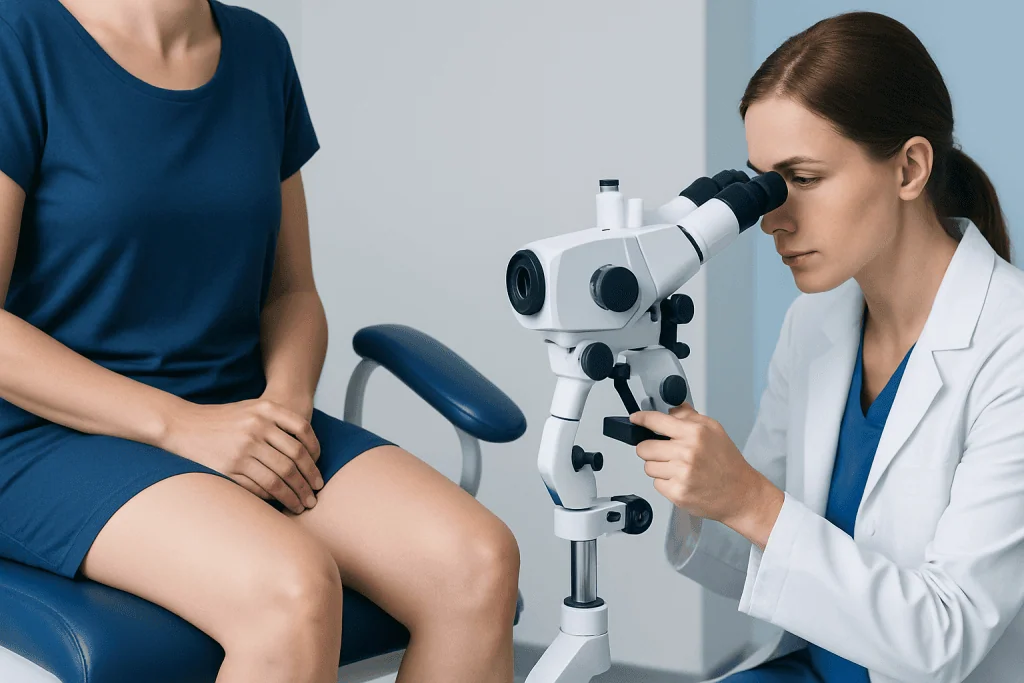
A pelvic examination is often an important part of diagnosis. During the exam, the vaginal and vulvar tissues may appear pale, dry, smooth, or more fragile than usual. The doctor may also check for tenderness, discharge, skin conditions, prolapse, or signs of infection. If there is uncertainty, a sample of discharge or urine may be tested to rule out infection.
In some cases, further assessment is needed if there is unexplained bleeding, significant pain, a visible lesion, or symptoms that do not improve with initial treatment. The goal is not only to confirm atrophic vaginitis, but also to exclude other conditions that can mimic it and require different care.
Treatment options
Treatment depends on symptom severity, medical history, and personal preference. For mild symptoms, regular use of vaginal moisturizers can help improve tissue hydration over time, while lubricants can reduce discomfort during sex. These products do not reverse hormonal changes, but they can make daily life and intimacy more comfortable.
When symptoms are moderate to severe, local estrogen therapy is often considered. Vaginal estrogen may be given as a cream, tablet, or ring and acts mainly in the vaginal tissues to improve thickness, moisture, and elasticity. For many patients, this is one of the most effective options for relieving persistent dryness and pain with sex. A doctor will decide whether menopause treatment with local hormone therapy is appropriate based on personal risk factors.
Other prescription options may be discussed in selected patients, including non-estrogen medications for menopausal genitourinary symptoms. If pelvic floor tightness or pain has developed, supportive approaches such as pelvic floor therapy may also be helpful. People with ongoing urinary complaints may benefit from evaluation through urogynecology or gynecology services, especially when bladder and vaginal symptoms occur together.
Treatment plans should be individualized. People with a history of breast cancer, unexplained vaginal bleeding, blood clotting disorders, or other hormone-related concerns should discuss options carefully with their healthcare team. In some cases, non-hormonal measures may be preferred, while in others a specialist may advise that local treatment is still reasonable.
Self-care and prevention strategies
Atrophic vaginitis cannot always be prevented, but daily habits can reduce irritation and support comfort. Avoiding scented soaps, douches, perfumed sprays, and harsh cleansing products can help protect sensitive tissue. Gentle, fragrance-free products and breathable cotton underwear are often better tolerated.
Regular sexual activity, with or without penetration, may help some people maintain blood flow and tissue flexibility, especially when combined with lubricant or moisturizer use. Staying physically active, managing stress, and not smoking may also support overall pelvic and vascular health. Adequate hydration and attention to bladder habits can be useful when urinary symptoms are present.
It is also helpful not to ignore symptoms for months or years. Earlier treatment may prevent a cycle of dryness, pain, and muscle tightening that can make symptoms harder to manage. Keeping a simple record of triggers, urinary symptoms, bleeding, or pain with sex can make medical visits more productive and help guide therapy.
When to seek medical care
Medical care is recommended if vaginal dryness, burning, itching, or pain with sex lasts more than a short time or starts affecting daily life. New urinary urgency, burning, or frequent urination should also be assessed, especially if symptoms keep coming back. These problems are common, but they should not be assumed to be harmless or untreatable.
Urgent evaluation is important if there is unexplained vaginal bleeding after menopause, fever, pelvic pain, foul-smelling discharge, or severe pain. These symptoms may suggest infection or another condition that needs prompt attention. A doctor should also review symptoms in anyone with a history of gynecologic cancer or current cancer treatment.
At the end of assessment, patients often feel reassured to learn that treatment options are available and tailored to personal health needs. Acibadem International’s multidisciplinary specialists in women’s health, at JCI-accredited hospitals, diagnose and treat atrophic vaginitis and related menopausal concerns for international patients.
Frequently asked questions
Is atrophic vaginitis the same as a vaginal infection?
No. Atrophic vaginitis is usually caused by lower estrogen levels, which lead to thinning and dryness of vaginal tissues. Some symptoms can resemble infection, so a medical evaluation may be needed to tell the difference.
Can atrophic vaginitis happen before menopause?
Yes. It can occur during perimenopause, while breastfeeding, or after treatments that reduce estrogen levels, such as ovary removal or certain cancer therapies. The symptoms are similar, even if the cause is not natural menopause.
Does atrophic vaginitis go away on its own?
Symptoms may persist or gradually worsen if the underlying low-estrogen state continues. Many people need moisturizers, lubricants, or prescription treatment to feel better. A doctor can help choose the safest long-term approach.
Is vaginal estrogen safe?
For many patients, local vaginal estrogen is considered safe and effective because it works mainly in the vaginal tissues. However, safety depends on personal medical history, especially if there has been breast cancer, abnormal bleeding, or other hormone-related concerns. A clinician should review the risks and benefits for the individual.
Can atrophic vaginitis cause urinary symptoms?
Yes. Low estrogen can affect tissues around the urethra and bladder as well as the vagina. This may lead to urgency, frequency, burning, or repeated urinary discomfort.
Will lubricants and moisturizers cure atrophic vaginitis?
They can greatly improve comfort, especially in mild cases, but they do not fully reverse hormone-related tissue changes. People with more persistent or severe symptoms may need prescription treatment. Even so, non-hormonal products remain an important part of ongoing care.
References
- American College of Obstetricians and Gynecologists
- North American Menopause Society
- National Institute on Aging
- Mayo Clinic
- National Health Service
This article is for general information only and is not a substitute for professional medical advice. Please consult a qualified doctor about your individual situation.
Explore treatments in Turkey — costs, top hospitals & a free quote
JCI-accredited · board-certified surgeons · reply within 24h
Add us as a Preferred Source to see more of our trusted health content across Google Search, AI Overviews and Discover.