Quadratus Lumborum Stretch: An Evidence-Based Guide for Patients

The quadratus lumborum is a deep muscle in the lower back that helps stabilize the spine and pelvis. A quadratus lumborum stretch may relieve side low back tightness, but it should feel gentle rather than painful.
Key Takeaways
- The quadratus lumborum is a deep muscle in the lower back that helps stabilize the spine and pelvis.
- A quadratus lumborum stretch may relieve side low back tightness, but it should feel gentle rather than painful.
- Stretching is not the right solution for every kind of back pain, especially if symptoms are sudden, severe, or associated with weakness or numbness.
- Good form, steady breathing, and avoiding forced range of motion are more important than stretching deeply.
- Persistent or recurring low back pain may need medical evaluation to look for muscle strain, spine problems, or other causes.
A quadratus lumborum stretch is a gentle side-bending movement used to reduce tightness in a deep lower-back muscle that helps support posture and trunk movement. For many people, it may ease stiffness and improve comfort, but it works best when performed carefully and as part of a broader plan that addresses the cause of pain.
Overview: what a quadratus lumborum stretch does
A quadratus lumborum stretch is commonly used to ease tightness along the side of the lower back. The quadratus lumborum, often called the QL, is a deep muscle that connects the lower ribs, spine, and pelvis. It helps keep the trunk upright, supports side bending, and contributes to spinal stability during walking, lifting, and prolonged sitting or standing.
When this muscle becomes tense or overworked, people may notice aching in one side of the low back, stiffness after sitting, or discomfort during twisting and reaching. A carefully performed quadratus lumborum stretch may help reduce this feeling of tightness. However, it is important to understand that stretching does not treat every source of low back pain. In some cases, pain comes from irritated joints, discs, nerves, or surrounding muscles, and these may need a different approach.
This guide takes a patient-focused, evidence-based view. Rather than presenting stretching as a quick fix, it explains when a quadratus lumborum stretch may be useful, how to do it safely, and when symptoms suggest the need for professional assessment. For some individuals with ongoing or complex pain, evaluation for low back pain may be more helpful than adding more stretches on their own.
How to recognize possible QL tightness
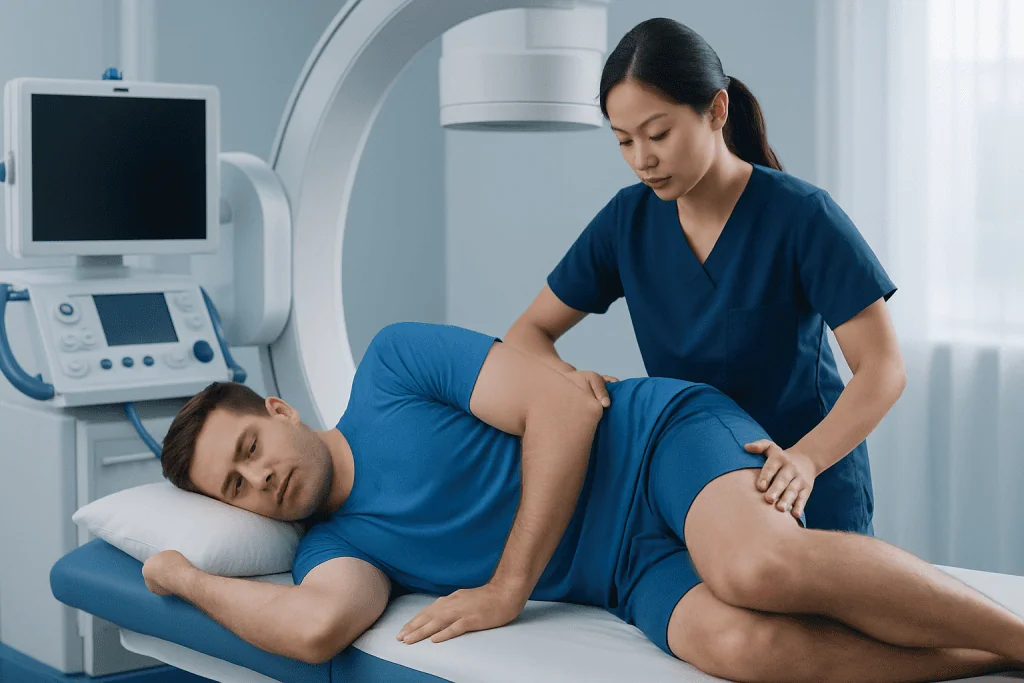
QL tightness is not always easy to identify because many structures in the lower back can produce similar symptoms. People often describe a dull ache on one side of the low back, a pulling sensation between the lower ribs and the top of the pelvis, or stiffness that feels worse after long periods of sitting, standing, or carrying weight on one side. Some notice discomfort when bending sideways or when rising from bed after sleep.
Symptoms that seem muscular are more likely to improve with gentle movement and position changes. The area may feel tender to touch, and the discomfort may fluctuate from day to day depending on posture, workload, exercise, or sleep. In these cases, a quadratus lumborum stretch may provide short-term relief and improve comfort during daily activities.
Still, not all one-sided back pain is caused by the QL. Pain that travels below the knee, burning or electric sensations, numbness, leg weakness, fever, significant trauma, or bowel and bladder symptoms should not be assumed to be muscle tightness. These features may point to another condition and deserve medical review.
Common causes of QL tension and who is at risk

The quadratus lumborum can become tense for several reasons. One common factor is prolonged posture, especially sitting with poor support or standing with weight shifted more onto one leg. Repetitive bending, carrying children or bags on one side, uneven training loads, and weak core or hip muscles can also increase strain on the area. In athletes and active adults, QL discomfort may appear when surrounding muscles are fatigued or movement patterns are unbalanced.
Sometimes the QL tightens as a protective response to another problem nearby. Hip stiffness, sacroiliac discomfort, abdominal weakness, or altered gait may change how the body distributes load. In that situation, stretching the QL alone may not provide lasting benefit because the real driver has not been addressed.
Stress and poor sleep may also contribute indirectly by increasing overall muscle tension and lowering pain tolerance. This does not mean the pain is imagined. It means the nervous system and the musculoskeletal system influence each other. A balanced plan may include gentle stretching, movement retraining, and strengthening through physical therapy and rehabilitation when symptoms persist or recur.
How to do a quadratus lumborum stretch safely
The most important principle is that a quadratus lumborum stretch should feel mild to moderate, never sharp or forced. A simple standing version begins with the feet hip-width apart. One arm reaches overhead while the trunk gently bends away from the tight side, creating a lengthening sensation between the lower ribs and pelvis. The shoulders stay relaxed, breathing remains steady, and the movement should not involve twisting or bouncing.
A seated version may be more comfortable for some people. Sitting upright in a chair, the person raises one arm and leans gently to the opposite side while keeping both sitting bones grounded. Another option is a child’s-pose variation with the hands walked to one side to bias the stretch into the side body. In all forms, the stretch is usually held briefly and repeated with control rather than pushed to an extreme range.
If pain increases during the movement, spreads down the leg, or lingers afterward, the stretch may be inappropriate or the technique may need correction. Gentle heat beforehand and easy walking afterward can help some people feel more comfortable. Patients who are uncertain about form or have ongoing back symptoms may benefit from supervised physiotherapy to individualize stretching and improve movement patterns.
- Move slowly into the stretch rather than forcing it.
- Keep breathing normally; avoid breath-holding.
- Stop if the stretch causes sharp, radiating, or worsening pain.
- Do not stretch aggressively during an acute injury without medical advice.
When stretching helps, and when it may not
A quadratus lumborum stretch is most helpful when the main problem is muscle tightness, postural stiffness, or mild overuse. In these situations, stretching may provide short-term symptom relief and may help restore comfortable movement. The best results often come when stretching is paired with gradual strengthening of the abdominal, hip, and gluteal muscles, along with changes in sitting, lifting, and training habits.
Stretching may be less useful when pain is driven by another structure. For example, if symptoms are related to a disc problem, inflammatory condition, fracture, or nerve irritation, aggressive side-bending may aggravate symptoms. Some people with unstable movement patterns may also feel temporary relief from stretching but continue to experience recurring pain because the spine lacks support during everyday tasks.
That is why persistent back pain deserves a broader view. Clinical assessment may look at posture, range of motion, muscle strength, flexibility, neurologic signs, and how symptoms behave with different movements. If needed, doctors may recommend further evaluation for conditions such as herniated disc or other mechanical causes of pain.
A broader self-care plan for side low back discomfort
Stretching tends to work best as one part of a larger self-care strategy. Relative rest can be helpful in the first day or two after a minor flare, but prolonged bed rest is usually not advised. Gentle walking, frequent position changes, and gradually returning to normal movement often support recovery better than complete inactivity. Many people also benefit from improving desk ergonomics and avoiding prolonged slumped sitting.
Strengthening is especially important for long-term prevention. The lower back works together with the abdominal muscles, diaphragm, pelvic floor, hips, and buttock muscles. If these groups are not coordinating well, the QL may work too hard. Targeted exercise programs can improve spinal support, balance left-right loading, and reduce recurrence of muscular back pain over time.
Some patients may also benefit from medical review if symptoms keep returning, interfere with sleep, or limit daily life. Depending on the cause, a specialist may recommend exercise-based rehabilitation and, in selected cases, further spine-focused assessment or spine treatment options when conservative care is not enough. Near the end of the care pathway, Acibadem International’s multidisciplinary specialists in JCI-accredited hospitals evaluate and treat back conditions for international patients using individualized plans.
When to seek medical care
Medical care is advisable if low back pain is severe, follows a fall or other injury, lasts more than a few weeks, or keeps coming back despite rest and gentle exercise. It is also reasonable to seek assessment if pain limits work, sleep, walking, or everyday tasks. A clinician can help determine whether the problem is muscular, joint-related, nerve-related, or due to another cause altogether.
Urgent medical attention is important if back pain is accompanied by leg weakness, progressive numbness, loss of bladder or bowel control, fever, unexplained weight loss, or pain that is constant and not affected by movement. These features are not typical of simple muscle tightness and should not be managed with stretching alone.
For patients with persistent uncertainty, a structured exam may be more useful than trying multiple stretches from the internet. Diagnosis can include a physical examination and, when indicated, imaging or specialist referral. The goal is not always to find a single painful spot, but to understand the full pattern of symptoms so treatment is safe and effective.
Frequently asked questions
What is the quadratus lumborum muscle?
The quadratus lumborum is a deep muscle in the lower back that runs between the pelvis, lower ribs, and spine. It helps stabilize the trunk, supports side bending, and plays a role in posture and breathing mechanics.
Can a quadratus lumborum stretch help low back pain?
It can help when pain is related to muscle tightness or mild overuse in the side of the lower back. However, not all back pain comes from the QL, so stretching may not help if symptoms are caused by a disc, nerve irritation, joint problem, or another condition.
How should a QL stretch feel?
A QL stretch should feel like a gentle lengthening or mild pulling sensation along the side of the lower back. It should not cause sharp pain, tingling, numbness, or pain that shoots into the leg.
How often can someone do a quadratus lumborum stretch?
Frequency depends on the person's symptoms, activity level, and overall treatment plan. In general, gentle stretching can often be done regularly if it feels comfortable, but repeated painful stretching is not recommended and should be discussed with a clinician.
Is it better to stretch or strengthen for QL-related pain?
Many people benefit from both. Stretching may ease short-term tightness, while strengthening the core, hips, and gluteal muscles may provide better long-term support and help reduce recurrence.
When should someone stop stretching and get checked?
Stretching should be stopped if symptoms worsen, spread down the leg, or are associated with weakness, numbness, or significant pain afterward. Medical review is also important if pain follows injury, lasts more than a few weeks, or interferes with sleep and daily activities.
References
- National Institute of Arthritis and Musculoskeletal and Skin Diseases
- American Academy of Orthopaedic Surgeons
- National Institute for Health and Care Excellence
- American Physical Therapy Association
- Mayo Clinic
This article is for general information only and is not a substitute for professional medical advice. Please consult a qualified doctor about your individual situation.
Joint and spine care in Turkey — expert assessment & treatment
JCI-accredited · board-certified surgeons · reply within 24h
Add us as a Preferred Source to see more of our trusted health content across Google Search, AI Overviews and Discover.

More from the Health Library



Related Specialists

Prof. Dr. Kamil Kadir Topalkara
Neurology
Dyt. Merve Gizem Bahçıvan Ayla
Nutrition & Diet
Prof. Dr. Özgür Fırat
General Surgery
Prof. Dr. S. Tolga Aydoğ
Physical Medicine & Rehabilitation