Crusty Feet — Explained by Medical Evidence, Not Myths

Crusty feet are a symptom, not a diagnosis, and several common skin conditions can cause them. Dry skin and calluses usually improve with gentle exfoliation, moisturizing, and reducing pressure or friction.
Key Takeaways
- Crusty feet are a symptom, not a diagnosis, and several common skin conditions can cause them.
- Dry skin and calluses usually improve with gentle exfoliation, moisturizing, and reducing pressure or friction.
- Itching, peeling between the toes, or one-sided scaling may suggest a fungal infection that needs targeted treatment.
- Diabetes, poor circulation, and nerve problems increase the risk of foot cracks, infection, and delayed healing.
- Medical review is important if there is pain, redness, swelling, drainage, deep cracks, or skin that does not improve.
Crusty feet are most often caused by dry skin, pressure-related calluses, eczema, or a fungal infection rather than poor hygiene alone. The right treatment depends on the pattern of scaling, cracking, itching, and whether one or both feet are affected.
What crusty feet usually mean
Crusty feet usually describe skin that feels rough, thick, flaky, or cracked on the soles, heels, or toes. In many people, this comes from simple dryness or callus buildup. In others, it can be a sign of eczema, psoriasis, or a fungal infection such as athlete’s foot.
The term itself is not a medical diagnosis. Doctors look at where the crusting appears, whether it itches or hurts, how long it has been present, and whether both feet are involved. These details help separate everyday dryness from conditions that need a different treatment approach.
A common myth is that crusty feet always reflect poor hygiene. In reality, frequent washing with harsh soaps, hot showers, aging skin, dry climates, open-back shoes, long periods of standing, and some medical conditions can all damage the skin barrier and lead to scaling or cracks.
How crusty feet can look and feel
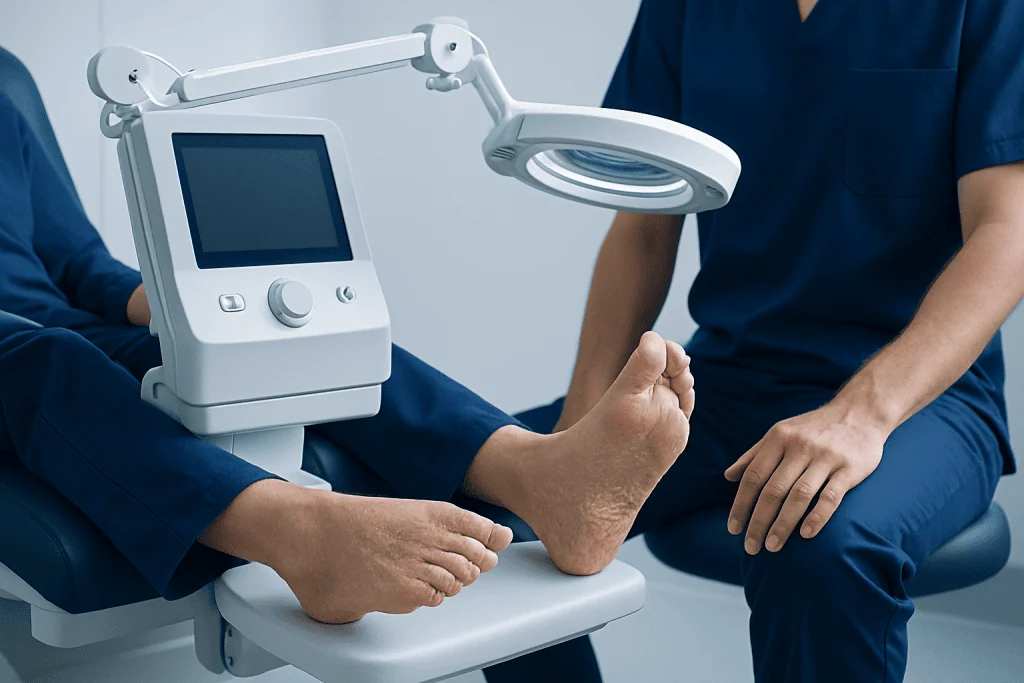
Symptoms vary depending on the cause. Some people notice a powdery or flaky scale on the soles. Others develop thick yellowish calluses on the heels or balls of the feet. The skin may feel tight, rough, or less flexible, especially after bathing or at the end of the day.
Crusty feet may also come with itching, burning, redness, tenderness, or painful fissures. Cracks can be shallow or deep. Deep cracks may sting when walking and can allow bacteria to enter the skin. If there is swelling, warmth, pus, or spreading redness, infection becomes a concern.
Certain patterns can be especially helpful. Peeling between the toes often suggests fungal infection. Thick pressure points on the heel or forefoot are more typical of calluses. Dryness with itch and inflamed patches may point to eczema. A clinician may also ask whether similar skin changes appear on the hands, elbows, knees, or nails.
- Rough, flaky, or scaly skin
- Thickened or hardened areas
- Heel cracks or fissures
- Itching or burning
- Redness or tenderness
- Skin peeling between the toes
Common causes and risk factors

Dry skin is one of the most common reasons for crusty feet. The soles naturally have no oil glands, so they can dry out easily. Cold weather, low humidity, frequent washing, hot water, and irritating soaps can worsen the problem. Aging also reduces the skin’s ability to retain moisture.
Calluses develop when repeated pressure and friction cause the skin to thicken. Standing for long periods, running, wearing shoes that do not fit well, and foot shape differences can all contribute. Although calluses are protective, they may become overly thick and crack.
Inflammatory skin conditions are another possibility. Eczema can cause dry, itchy, inflamed skin, while psoriasis may produce sharply defined scaly plaques and sometimes nail changes. Fungal infection often causes scaling, itching, or peeling and may spread in warm, damp environments such as locker rooms. People with diabetes, circulation problems, obesity, or reduced sensation in the feet may be more likely to develop cracks and complications.
Less commonly, crusty feet can be linked to contact dermatitis from footwear materials, hyperhidrosis followed by skin irritation, or other skin disorders that need specialist review. If symptoms are persistent or unusual, a dermatology assessment may help identify the cause.
How doctors diagnose the cause
Diagnosis starts with a careful history and skin examination. A doctor will ask when the problem began, what symptoms accompany it, whether over-the-counter products have helped, and whether there are medical conditions such as diabetes or poor circulation. Footwear, work demands, sports, and home skin care can also provide useful clues.
During the exam, the clinician looks at the location and pattern of the scaling or thickening, checks for cracks, infection, and nail changes, and may assess circulation and sensation. In many cases, the appearance alone is enough to guide treatment. However, if fungal infection is suspected but not clear, the doctor may take a small skin scraping for testing.
Testing is especially useful when symptoms keep returning, only one foot is involved, nails are abnormal, or standard treatment has failed. In people with recurring wounds, nerve symptoms, or diabetes, the assessment may also focus on foot pressure areas and the risk of ulcers. If advanced wound care is needed, doctors may recommend specialized wound care to support healing and prevent complications.
Treatment options based on the cause
Treatment for crusty feet works best when it matches the cause. For simple dryness, care usually centers on restoring the skin barrier. This often includes regular use of a thick moisturizer, especially after bathing, and avoiding very hot water or harsh cleansers. Creams containing urea, lactic acid, or similar ingredients may help soften thick dry skin when used as directed by a clinician or product guidance.
For calluses, reducing pressure is as important as softening the skin. Better-fitting shoes, cushioned insoles, and gentle filing after soaking can help. Cutting calluses at home with blades is not recommended because it can cause injury or infection. If calluses are painful or severe, professional foot care may be safer.
If fungal infection is the cause, antifungal treatment is usually needed, along with keeping the feet dry and changing socks regularly. Some cases respond to topical medicines, while more stubborn or widespread infections may need prescription treatment. A dermatologist or podiatry-focused clinician may suggest dermatology evaluation and treatment if the diagnosis is uncertain or the condition keeps returning.
Inflammatory conditions such as eczema or psoriasis are treated differently from fungus, so guessing can delay improvement. Doctors may recommend anti-inflammatory creams, trigger avoidance, and regular moisturization. In some people with persistent foot skin disease or skin changes linked to pressure, gait, or structural problems, broader orthopedic assessment can also be helpful as part of a complete care plan.
Daily foot care and prevention
Preventing crusty feet usually means protecting the skin barrier and reducing pressure. Washing the feet gently once a day, drying carefully especially between the toes, and applying moisturizer to dry areas can make a meaningful difference. Many people do well with a plain, fragrance-free cream or ointment used consistently rather than many different products.
Footwear matters. Shoes should fit well, support the foot, and avoid rubbing. Breathable materials can help reduce trapped moisture, while cotton or moisture-wicking socks may improve comfort. In shared changing areas or pool decks, sandals can reduce exposure to fungi.
Home exfoliation should be gentle. A pumice stone or foot file can sometimes help with thick dry skin, but only after soaking and never to the point of pain or bleeding. People with diabetes, neuropathy, poor circulation, or fragile skin should avoid self-treating thick calluses and should ask a clinician about safe foot care instead.
Good self-care also includes checking the feet regularly. Looking for new cracks, redness, swelling, blisters, or drainage can help catch problems early. This is especially important for older adults and anyone who has reduced sensation in the feet.
When to seek medical care
Medical care is a good idea if crusty feet do not improve after a few weeks of basic skin care, or if the diagnosis is unclear. It is also important to seek help if there is significant itching, pain, deep cracks, bleeding, foul odor, or skin changes spreading beyond the feet.
Prompt assessment is recommended when there are signs of infection such as warmth, redness, swelling, pus, or fever. People with diabetes, immune suppression, nerve damage, or circulation problems should be especially cautious because even small cracks can become more serious.
If the skin is repeatedly breaking down or there are pressure-related wounds, doctors may evaluate for underlying mechanical issues or circulation concerns. In a multidisciplinary setting, including Acibadem International, specialists in dermatology, wound care, and related fields at JCI-accredited hospitals diagnose and treat foot skin conditions for international patients.
Frequently asked questions
Are crusty feet usually caused by fungus?
Not always. Crusty feet can come from dry skin, calluses, eczema, psoriasis, or a fungal infection. The pattern of scaling, itch, cracking, and whether the skin peels between the toes can help distinguish the cause.
What is the best moisturizer for crusty feet?
Many people benefit from a thick, fragrance-free cream or ointment applied regularly, especially after bathing. Products designed for very dry skin may be helpful, but if there are painful cracks, diabetes, or suspected infection, it is wise to ask a doctor which product is most suitable.
Can I remove thick skin from my feet at home?
Gentle filing after soaking may help mild calluses or dry buildup, but aggressive scraping or cutting is not safe. Using blades at home can lead to wounds and infection. People with diabetes or poor circulation should avoid self-removal and seek professional advice.
When are cracked or crusty feet a sign of something more serious?
Crusty feet need medical review if there is deep cracking, bleeding, redness, swelling, drainage, severe pain, or repeated recurrence. It is also important to be assessed if there is numbness, poor wound healing, or known diabetes or circulation problems.
How long does it take for crusty feet to improve?
Mild dryness may improve within days to a few weeks with consistent skin care. More stubborn problems, such as fungal infection, eczema, or severe calluses, often take longer and may need prescription treatment or footwear changes.
Should feet be moisturized between the toes too?
Usually, moisturizers are best applied to the dry soles and heels, not heavily between the toes. Excess moisture in toe spaces can sometimes encourage fungal growth or skin breakdown. If the skin between the toes is affected, a clinician can advise the safest treatment.
This article is for general information only and is not a substitute for professional medical advice. Please consult a qualified doctor about your individual situation.
Explore treatments in Turkey — costs, top hospitals & a free quote
JCI-accredited · board-certified surgeons · reply within 24h
Add us as a Preferred Source to see more of our trusted health content across Google Search, AI Overviews and Discover.

More from the Health Library

Pellagra — Explained by Medical Evidence, Not Myths

Banana Lives: An Evidence-Based Guide for Patients

Bee Pollen Benefits: A Complete Medical Overview

Vora Skin Tag Remover — Explained by Medical Evidence, Not Myths

Bumpy Area Around Nipple: What Patients Need to Know