Fev1 Fvc Ratio: A Complete Medical Overview

The fev1 fvc ratio is measured during spirometry, a common lung function test. A low fev1 fvc ratio often suggests airflow obstruction, as seen in asthma or COPD.
Key Takeaways
- The fev1 fvc ratio is measured during spirometry, a common lung function test.
- A low fev1 fvc ratio often suggests airflow obstruction, as seen in asthma or COPD.
- The ratio must be interpreted together with age, symptoms, medical history, and other spirometry values.
- One result alone does not confirm a diagnosis; doctors may repeat testing or order additional evaluations.
- Early assessment of breathing symptoms can help guide treatment and improve symptom control.
The fev1 fvc ratio is a key result from spirometry that shows how much air a person can force out in the first second of exhalation compared with the total amount exhaled. It helps doctors assess whether airflow is normal, restricted, or blocked, and is often used when evaluating symptoms such as shortness of breath, wheezing, or chronic cough.
Overview: What the FEV1 FVC Ratio Means
The fev1 fvc ratio is a standard measurement from a breathing test called spirometry. FEV1 stands for forced expiratory volume in one second, which is the amount of air a person can blow out forcefully in the first second. FVC stands for forced vital capacity, which is the total amount of air exhaled during the full breath out. The ratio compares these two numbers to show how quickly air can move out of the lungs.
In simple terms, the fev1 fvc ratio helps doctors understand whether the airways may be narrowed or blocked. When the ratio is lower than expected, it can point to obstructive lung conditions, where air has trouble flowing out. When the ratio is normal or high but total lung volumes are reduced, doctors may consider a different pattern, sometimes called restriction.
This measurement is especially useful because it adds context to a person’s symptoms. A person may feel breathless, cough often, or wheeze, but the spirometry pattern helps clarify whether the issue is likely related to asthma, chronic obstructive pulmonary disease, another lung disorder, or a non-lung cause. The result is important, but it is only one part of a full medical assessment.
How Spirometry Measures the Ratio
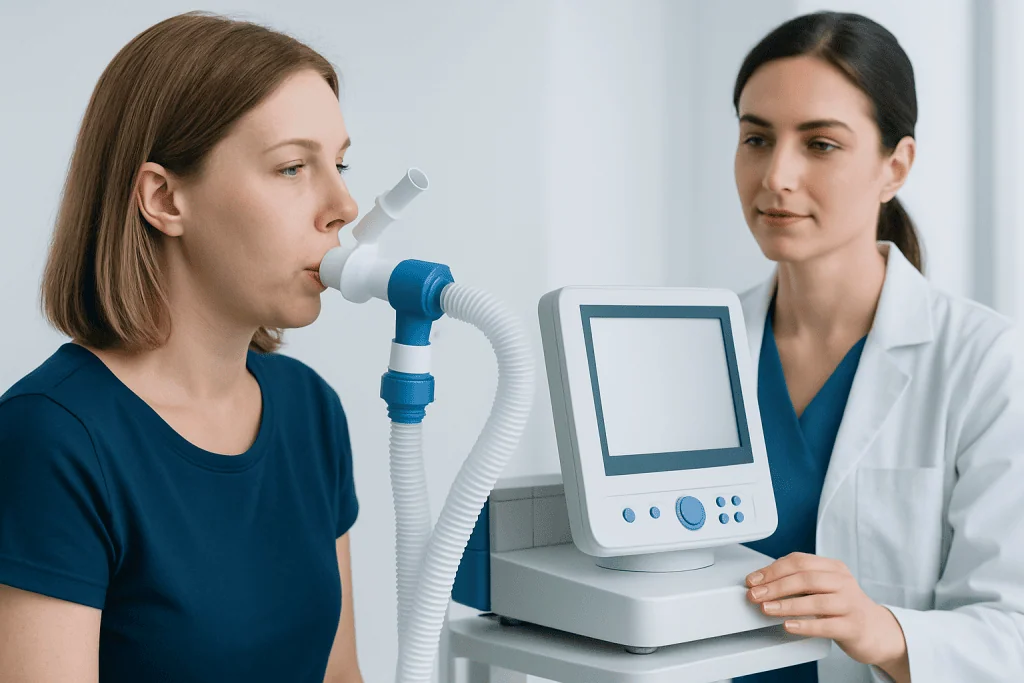
Spirometry is a simple, noninvasive lung function test. During the test, the person takes in a full breath and then blows out as hard and as long as possible into a mouthpiece connected to a machine. The machine records how much air is exhaled and how quickly it comes out, including the FEV1 and FVC values needed to calculate the fev1 fvc ratio.
For the most accurate result, the test usually needs to be repeated several times to make sure the effort is consistent. A technician gives coaching on how to seal the lips around the mouthpiece and exhale fully. Because effort affects the numbers, proper technique matters. In some cases, the test is done before and after a bronchodilator medicine to see whether airflow improves.
Spirometry is commonly used when a doctor is evaluating cough, wheezing, breathlessness, chest tightness, smoking-related symptoms, or follow-up of known lung disease. It may also be used before surgery or to monitor how well treatment is working over time. If needed, doctors may combine it with other tests such as peak flow, lung volumes, diffusion capacity, chest imaging, or pulmonary rehabilitation assessment.
What Is Considered Normal or Low?

There is not one single fev1 fvc ratio that applies equally to every person. Expected values vary with age, sex, height, and ancestry, so many laboratories compare results with predicted reference ranges. In general, children and younger adults often have higher ratios, while the ratio naturally declines somewhat with age.
A low fev1 fvc ratio usually suggests an obstructive pattern, meaning the airways are narrowed or partially blocked. This may happen in conditions such as asthma or COPD. In these conditions, the first second of exhalation is reduced more than the total amount exhaled, so the ratio falls. Doctors often look at whether the result improves after a bronchodilator, which can help support the diagnosis.
A normal fev1 fvc ratio does not always mean the lungs are completely healthy. Some people can have early disease, mild symptoms, poor test effort, or a restrictive pattern that needs further evaluation. That is why clinicians also review the individual FEV1 and FVC values, the shape of the flow-volume curve, symptoms, smoking history, occupational exposures, and any prior test results before drawing conclusions.
Conditions and Risk Factors Linked to an Abnormal Ratio
The most common reason for a reduced fev1 fvc ratio is airflow obstruction. This can be seen in asthma, where the airways become inflamed and narrow, and in COPD, which includes chronic bronchitis and emphysema. Other conditions may also affect the ratio, including bronchiectasis, certain long-term effects of respiratory infections, and exposure-related airway disease.
Several risk factors increase the chance of abnormal spirometry findings. These include smoking, secondhand smoke exposure, air pollution, dust or chemical exposure at work, a personal or family history of asthma, and repeated chest infections. In some people, symptoms may begin gradually and be mistaken for poor fitness or aging, so testing becomes especially valuable.
An abnormal ratio does not automatically mean a severe condition is present. Temporary factors such as a recent viral illness, poorly performed exhalation, or stopping the breath too early can affect the reading. This is one reason doctors may repeat spirometry or compare results over time. If symptoms are persistent or progressive, additional evaluation may be needed, including imaging or specialist review in a chest diseases clinic.
Symptoms That May Lead to Testing
People are often referred for spirometry because of symptoms rather than because they already know their fev1 fvc ratio. Common symptoms include shortness of breath during activity, wheezing, a chronic cough, chest tightness, or frequent respiratory infections. Some people also notice reduced exercise tolerance or feel that breathing takes more effort than before.
In asthma, symptoms may come and go and can be triggered by allergens, cold air, exercise, or respiratory infections. In COPD, symptoms often develop slowly and may include chronic cough with mucus and breathlessness that gradually worsens. Other conditions can overlap, so symptom pattern alone is not enough to make a diagnosis.
Spirometry may also be recommended for people without major symptoms if they have important risk factors, such as a long smoking history or ongoing workplace exposure to fumes or dust. Detecting changes in lung function early can help guide treatment, smoking cessation support, avoidance of triggers, and long-term monitoring.
How Doctors Interpret Results and Decide on Next Steps
Doctors do not interpret the fev1 fvc ratio in isolation. They review the full spirometry report, medical history, physical examination, current medicines, and whether symptoms improve with inhalers. If the pattern suggests obstruction, the degree of airflow limitation and the response to bronchodilator therapy can provide more information. If the pattern is unclear, repeat testing may be recommended.
Additional tests may be needed when symptoms and spirometry do not fully match. These can include chest X-rays or CT scans, blood oxygen measurement, allergy testing, diffusion capacity testing, exercise testing, or laboratory tests. In selected cases, referral to a respiratory specialist helps clarify whether symptoms relate to asthma, COPD, infection, heart conditions, or other causes of breathlessness.
Treatment depends on the underlying diagnosis rather than on the ratio alone. Options may include inhaled medicines, trigger avoidance, smoking cessation, breathing exercises, vaccination, and structured follow-up. Some people with advanced or complex disease benefit from broader respiratory care, such as COPD treatment planning or support for asthma treatment when symptoms are difficult to control.
Prevention, Self-Care, and Lung Health
Although a person cannot change all risk factors for abnormal lung function, many practical steps support healthier breathing. Not smoking is one of the most important measures, and stopping smoking can slow further lung damage even if symptoms have already started. Avoiding secondhand smoke and limiting exposure to workplace dust, fumes, and chemical irritants are also helpful.
Vaccination against influenza and other recommended infections can reduce respiratory complications, especially for people with chronic lung disease. Regular physical activity, maintaining a healthy weight, and following a treatment plan for diagnosed asthma or COPD can improve symptom control and quality of life. People who use inhalers should have their technique checked regularly because incorrect use can reduce benefit.
It is also useful to pay attention to changes in symptoms over time. New wheezing, worsening exercise tolerance, nighttime cough, or increased use of rescue inhalers can all signal the need for medical review. Near the end of the care journey, some international patients may choose evaluation at centers such as Acibadem International, where multidisciplinary specialists in JCI-accredited hospitals diagnose and treat respiratory conditions.
When to Seek Medical Care
Medical advice is appropriate if breathing symptoms are ongoing, recurring, or affecting daily life. A person should arrange a medical review if they have a chronic cough, wheezing, shortness of breath with usual activity, or repeated chest infections. Testing may be especially important for current or former smokers and for people exposed to dust, smoke, or chemicals at work.
Urgent medical care is needed if there is severe shortness of breath, bluish lips, confusion, chest pain, fainting, or symptoms that suddenly worsen. These signs can point to a serious breathing problem that requires prompt treatment. Anyone with known asthma or COPD who is not improving with their usual medicines should also seek timely care.
Even when symptoms seem mild, early assessment can make a difference. Spirometry and related tests can help identify treatable conditions before they become more disruptive. A qualified doctor can explain what the fev1 fvc ratio means in the context of the individual’s health, age, and risk factors, and can recommend the safest next steps.
Frequently asked questions
What does the fev1 fvc ratio show?
The fev1 fvc ratio shows how much air a person can force out in the first second of exhalation compared with the total amount exhaled. It helps doctors assess whether airflow is moving out of the lungs normally or whether there may be obstruction.
Does a low fev1 fvc ratio always mean COPD?
No. A low ratio can suggest COPD, but it can also occur in asthma and other obstructive airway conditions. Doctors interpret the result together with symptoms, medical history, examination findings, and sometimes repeat testing after bronchodilator medicine.
Can the fev1 fvc ratio be normal even if breathing symptoms are present?
Yes. Some people with mild or early disease may have symptoms before spirometry becomes clearly abnormal. Others may have symptoms caused by conditions outside the lungs, so a normal result may lead doctors to consider other explanations or additional tests.
How should a person prepare for spirometry?
Preparation may vary depending on the reason for testing and the clinic’s instructions. A person is often advised to wear comfortable clothing and may be asked whether to avoid certain inhalers before the test, so it is important to follow the medical team’s guidance carefully.
Can the fev1 fvc ratio improve with treatment?
In some cases, yes. People with asthma may show improvement after bronchodilator treatment or with good long-term symptom control. In chronic lung diseases, treatment may not fully normalize the ratio, but it can still reduce symptoms, improve daily function, and help prevent flare-ups.
When should someone ask for lung function testing?
A person should speak with a doctor if they have ongoing cough, wheezing, shortness of breath, repeated chest infections, or reduced exercise tolerance. Testing is also reasonable for people with major risk factors such as smoking or workplace exposure to dust and fumes.
This article is for general information only and is not a substitute for professional medical advice. Please consult a qualified doctor about your individual situation.
Explore treatments in Turkey — costs, top hospitals & a free quote
JCI-accredited · board-certified surgeons · reply within 24h
Add us as a Preferred Source to see more of our trusted health content across Google Search, AI Overviews and Discover.

More from the Health Library

Low Testosterone in Women: What Patients Need to Know

Oxytocin: An Evidence-Based Guide for Patients

Nesting: What Patients Need to Know

Mullein Tea: An Evidence-Based Guide for Patients

Trazodone for Anxiety: An Evidence-Based Guide for Patients