Ca Bowel: What Patients Need to Know

Ca bowel commonly means cancer affecting the colon or rectum. Symptoms can include blood in the stool, a change in bowel habits, abdominal discomfort, or unexplained weight loss.
Key Takeaways
- Ca bowel commonly means cancer affecting the colon or rectum.
- Symptoms can include blood in the stool, a change in bowel habits, abdominal discomfort, or unexplained weight loss.
- Diagnosis usually involves colonoscopy, biopsy, imaging, and staging tests.
- Treatment may include surgery, chemotherapy, radiation therapy, targeted therapy, or immunotherapy depending on the case.
- Screening and timely medical evaluation are important because early bowel cancer may cause few symptoms.
Ca bowel usually refers to bowel cancer, most often cancer of the colon or rectum. Patients benefit from understanding common symptoms, how diagnosis is confirmed, and which treatments may be used based on the cancer stage and overall health.
Overview: what “ca bowel” means
Ca bowel is a short way of referring to bowel cancer. In most cases, this means cancer that starts in the large bowel, including the colon and rectum. Some people also hear the term colorectal cancer, which covers both colon and rectal cancers.
Bowel cancer often begins as a growth called a polyp on the inner lining of the bowel. Not all polyps become cancer, but some can slowly change over time. Because this process may take years, screening and early assessment of symptoms can help find problems before they become advanced.
This condition is common enough that many patients want clear, practical information rather than medical jargon. Understanding the difference between symptoms, diagnosis, staging, and treatment options can help patients prepare for conversations with their doctor and make informed decisions about care.
Symptoms and early warning signs
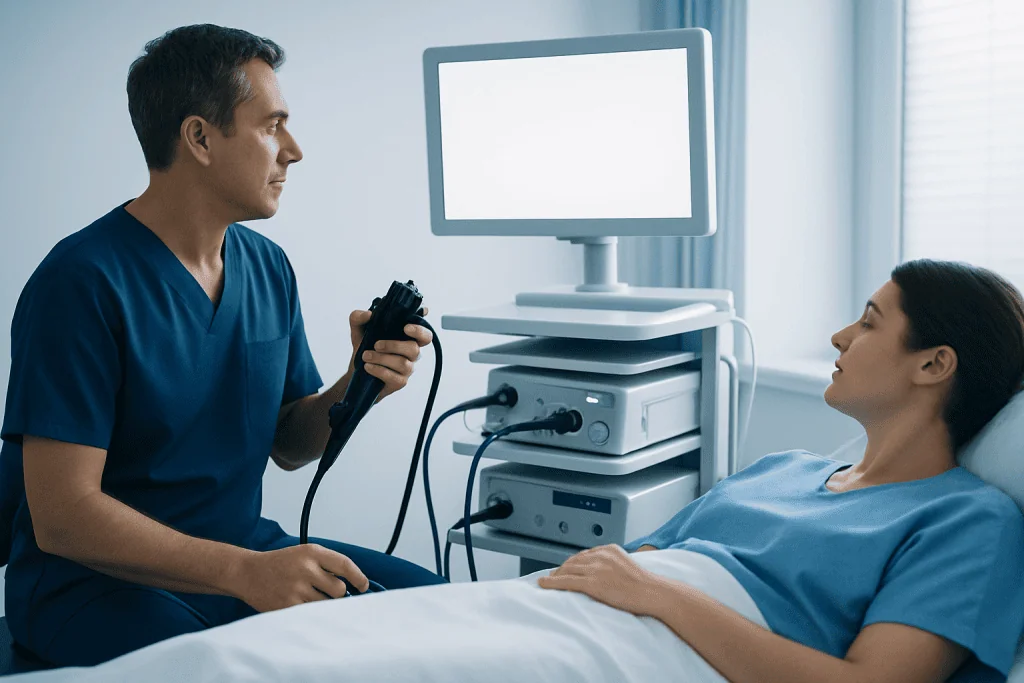
Early ca bowel may cause no symptoms at all. When symptoms do appear, they can be easy to confuse with more common digestive problems such as hemorrhoids, constipation, or irritable bowel symptoms. That is why persistent or unexplained changes should not be ignored.
Possible signs and symptoms include:
- Blood in the stool or rectal bleeding
- A lasting change in bowel habits, such as diarrhea, constipation, or narrower stools
- Abdominal pain, cramping, bloating, or a feeling that the bowel does not empty fully
- Unexplained weight loss
- Fatigue or weakness, sometimes related to iron deficiency anemia
The exact pattern may differ depending on where the cancer is located. Tumors on the right side of the colon are more likely to cause hidden blood loss and anemia, while tumors in the rectum or left colon may cause visible bleeding, urgency, or a change in stool shape. Symptoms do not confirm cancer on their own, but they do deserve medical attention if they persist.
How bowel cancer develops and who is at risk
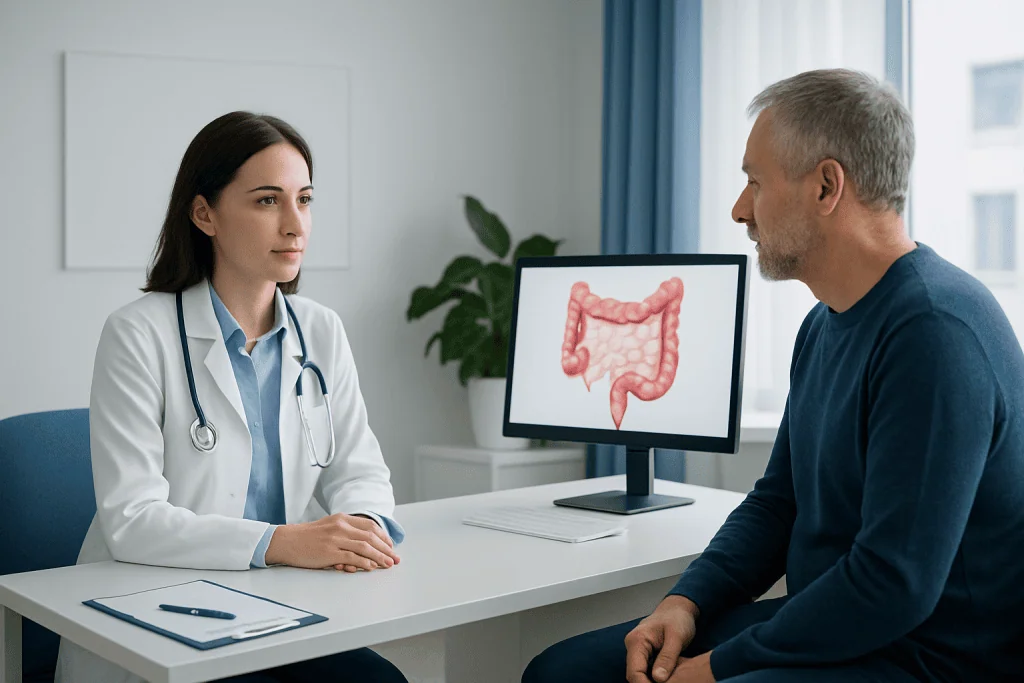
Most bowel cancers develop from changes in the cells lining the colon or rectum. These changes can happen gradually, often beginning with a polyp. Over time, certain genetic mutations allow cells to grow in an uncontrolled way and form a cancer.
Risk increases with age, but bowel cancer can also occur in younger adults. A personal history of polyps, inflammatory bowel disease, or certain inherited syndromes may increase risk. Family history is also important, especially if a close relative had bowel cancer or advanced polyps at a younger age.
Lifestyle factors may play a role as well. These include smoking, heavy alcohol use, low physical activity, obesity, and diets high in processed meats and low in fiber-rich foods. Some patients with long-standing Crohn’s disease or ulcerative colitis need closer surveillance because chronic inflammation in the bowel can raise cancer risk.
Having one or more risk factors does not mean a person will develop cancer, and some people with bowel cancer have no obvious risk factors. Still, knowing individual risk helps guide screening and follow-up planning.
Diagnosis and staging
If a doctor suspects ca bowel, the evaluation usually starts with a medical history, symptom review, and physical examination. Blood tests may check for anemia or signs of other health issues, but blood tests alone cannot diagnose bowel cancer.
The most important test is usually a colonoscopy. During this procedure, a specialist examines the lining of the colon and rectum and can remove polyps or take tissue samples. A biopsy is needed to confirm whether abnormal tissue is cancer. In some cases, patients may also be assessed with advanced colonoscopy as part of diagnosis and surveillance.
Once cancer is confirmed, imaging tests help determine the stage. These may include CT scans, MRI, ultrasound for rectal tumors, or PET-CT in selected situations. Staging shows how deeply the tumor has grown, whether lymph nodes are involved, and whether cancer has spread to other organs such as the liver or lungs.
Doctors may also test the tumor for specific molecular or genetic features. These results can help guide treatment decisions, especially in advanced disease. Staging is central to planning care because it helps determine whether treatment should begin with surgery, chemotherapy, radiation therapy, or a combination of approaches.
Treatment options for ca bowel
Treatment depends on the location of the cancer, its stage, the patient’s overall health, and the biology of the tumor. For many patients with localized colon cancer, surgery is the main treatment. The goal is to remove the part of the bowel containing the tumor along with nearby lymph nodes. Some patients may undergo colon cancer surgery as the first and most important step in treatment.
Rectal cancer often requires a more tailored approach because preserving bowel function and reducing the risk of local recurrence are major concerns. Depending on the stage, treatment may include radiation therapy and chemotherapy before surgery, followed by careful reassessment. In selected cases, surgery such as rectal cancer surgery is combined with additional therapies to improve control of the disease.
Chemotherapy may be recommended after surgery to reduce the risk of recurrence, or before surgery in some situations. Patients with advanced or metastatic disease may receive chemotherapy, targeted therapy, or immunotherapy depending on tumor markers and overall treatment goals. Targeted treatments work on specific molecular pathways, while immunotherapy may be useful for cancers with certain mismatch repair or microsatellite instability features.
Care is often planned by a multidisciplinary team that may include gastroenterologists, surgeons, medical oncologists, radiation oncologists, radiologists, and pathologists. This team-based approach is especially helpful when the diagnosis overlaps with other bowel conditions or when imaging suggests a more complex case such as colon cancer.
Living with bowel cancer: recovery, follow-up, and self-care
After treatment, follow-up care helps monitor recovery and check for recurrence. Visits often include symptom review, blood tests, imaging when needed, and repeat colonoscopy at intervals recommended by the care team. Follow-up schedules vary by stage and treatment type.
Recovery can involve physical and emotional adjustment. Some patients notice temporary changes in appetite, bowel habits, energy level, or weight. People treated for rectal cancer may need more support for bowel function, stoma care, or pelvic symptoms. Asking questions early can help patients understand what changes are expected and which ones should be reported.
Self-care measures may support recovery and general health. These include staying physically active as tolerated, eating a balanced diet, avoiding smoking, limiting alcohol, and attending all follow-up appointments. Emotional support also matters, whether from family, support groups, counseling, or the care team.
Near the end of treatment planning or follow-up, some international patients choose care at centers with coordinated specialist services. Acibadem International’s multidisciplinary specialists and JCI-accredited hospitals diagnose and treat bowel cancer for international patients when advanced evaluation or treatment planning is needed.
Prevention and when to seek medical care
There is no guaranteed way to prevent ca bowel, but screening and healthy habits can lower risk or help find disease earlier. Screening is especially important because bowel cancer may develop silently. Depending on age and personal risk, doctors may recommend stool-based tests, colonoscopy, or earlier surveillance for people with strong family history or inflammatory bowel disease.
General prevention steps include regular physical activity, maintaining a healthy weight, eating a diet rich in vegetables, fruits, and whole grains, and limiting processed meats, smoking, and heavy alcohol use. These measures support overall bowel health even though they cannot eliminate risk completely.
Medical care should be sought promptly if there is blood in the stool, a change in bowel habits lasting more than a few weeks, unexplained abdominal pain, iron deficiency anemia, or unintentional weight loss. Urgent assessment is particularly important for symptoms that are persistent, worsening, or associated with weakness, dizziness, or ongoing bleeding.
Frequently asked questions
Is ca bowel the same as colon cancer?
Ca bowel usually refers broadly to bowel cancer, which includes both colon cancer and rectal cancer. Colon cancer affects the large intestine above the rectum, while rectal cancer starts in the last part of the bowel.
Can bowel cancer cause symptoms early on?
Yes, but early bowel cancer may also cause no symptoms at all. When symptoms do occur, they may include blood in the stool, changes in bowel habits, abdominal discomfort, fatigue, or unexplained weight loss.
Does blood in the stool always mean bowel cancer?
No, blood in the stool can have many causes, including hemorrhoids, anal fissures, inflammation, or infection. However, any persistent or unexplained bleeding should be assessed by a doctor, especially in adults over screening age or anyone with other warning signs.
How is bowel cancer confirmed?
A diagnosis is usually confirmed with colonoscopy and biopsy. Imaging tests are then used to stage the cancer and help decide on the most appropriate treatment plan.
Is bowel cancer treatable?
Many cases are treatable, especially when found early. Treatment may involve surgery, chemotherapy, radiation therapy, targeted therapy, or immunotherapy depending on the location and stage of the cancer.
Who should ask about bowel cancer screening?
Adults of screening age and anyone with a strong family history, previous polyps, or inflammatory bowel disease should discuss screening with a doctor. A clinician can recommend the right test and the right timing based on personal risk.
This article is for general information only and is not a substitute for professional medical advice. Please consult a qualified doctor about your individual situation.
Persistent digestive symptoms? Get evaluated in Turkey
JCI-accredited · board-certified surgeons · reply within 24h
Add us as a Preferred Source to see more of our trusted health content across Google Search, AI Overviews and Discover.

More from the Health Library

Mons Veneris Pubis — Explained by Medical Evidence, Not Myths

Jejunostomy Tube: A Complete Medical Overview

Fortified Milk: An Evidence-Based Guide for Patients

Cashew Nuts Nuts: A Complete Medical Overview

Oxybutynin: An Evidence-Based Guide for Patients