Spasm Cure: What Patients Need to Know

There is no single spasm cure; the best treatment depends on the cause. Many muscle spasms improve with rest, gentle stretching, hydration, and heat or ice.
Key Takeaways
- There is no single spasm cure; the best treatment depends on the cause.
- Many muscle spasms improve with rest, gentle stretching, hydration, and heat or ice.
- Frequent, severe, or unexplained spasms may need medical evaluation.
- Some spasms are linked to nerve, spine, medication, or circulation problems.
- Urgent care is important if spasms happen with weakness, swelling, fever, or trouble breathing.
A spasm cure is not usually one single medicine or home remedy. Most muscle spasms improve by addressing the cause, such as overuse, dehydration, electrolyte imbalance, nerve irritation, or an underlying medical condition.
Overview: Is There a Spasm Cure?
A spasm cure usually means finding and treating the reason a muscle suddenly tightens or contracts. For many people, spasms settle with simple steps such as resting the muscle, drinking enough fluids, gentle stretching, and correcting triggers like overuse. When spasms keep coming back, last a long time, or happen with other symptoms, a doctor may look for an underlying problem rather than focusing only on short-term relief.
The word “spasm” can describe several experiences, including a brief muscle cramp in the calf, twitching around the eye, back muscle tightness, or muscle contractions related to nerve irritation. Because the causes are varied, the most effective approach is individualized. Some people need lifestyle changes, some need rehabilitation, and others need treatment for a medical condition affecting the nerves, spine, circulation, or metabolism.
In patient-friendly terms, a spasm is often a symptom rather than a disease itself. This is why a lasting solution may involve more than one step: symptom relief, identifying triggers, and preventing recurrence. A clinician may also distinguish ordinary muscle cramps from disorders that can mimic them, including Parkinson’s disease or other neurological conditions when the history suggests that possibility.
What Muscle Spasms Feel Like
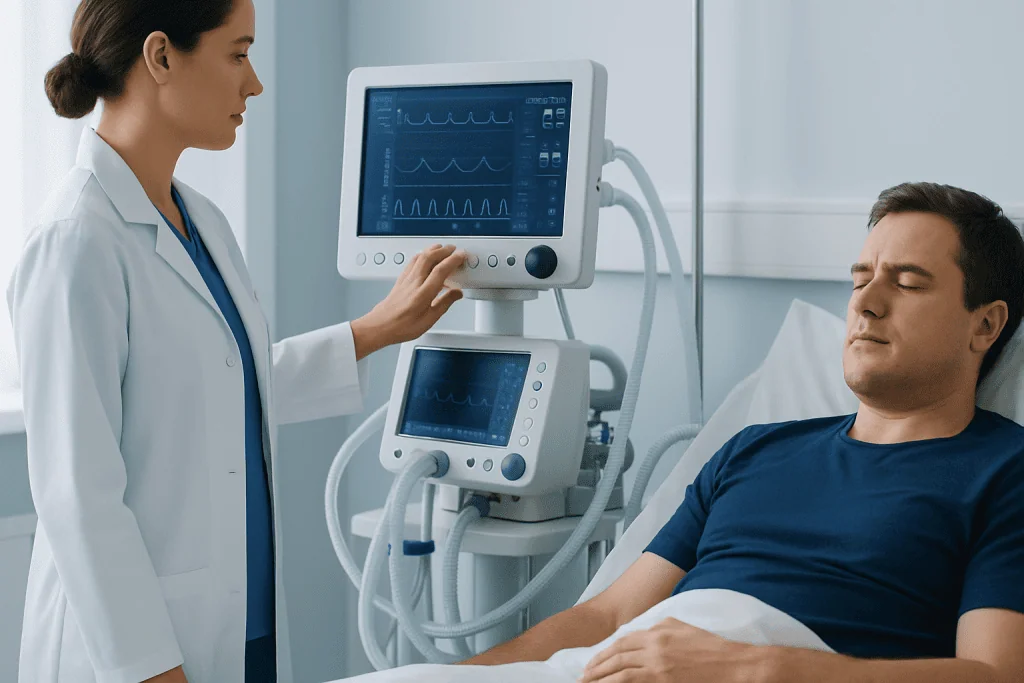
Muscle spasms often feel like sudden tightening, hardening, or knotting of a muscle. They may be mildly uncomfortable or sharply painful, and they can last from a few seconds to several minutes. A person may notice that the muscle looks or feels firm to the touch, and moving the area can be difficult until the spasm eases.
Common locations include the calf, foot, thigh, lower back, neck, and hands. Some people get spasms during exercise, while sleeping, after sitting in one position for too long, or during recovery from an injury. Others may feel repeated twitching or cramping that interferes with sleep, mobility, or daily tasks.
Not every involuntary muscle movement is the same. Cramps, spasms, twitches, and stiffness can overlap, but they may point to different causes. Paying attention to the pattern can help: when it occurs, how long it lasts, whether one muscle or many muscles are involved, and whether symptoms such as numbness, weakness, or back pain happen at the same time.
- Brief calf or foot cramps are often related to fatigue, dehydration, or prolonged standing.
- Back or neck spasms may follow strain, poor posture, or spine-related irritation.
- Facial or eyelid twitching is often temporary and may be linked to fatigue, stress, or caffeine.
- Generalized or repeated spasms may suggest a broader medical issue that needs assessment.
Common Causes and Risk Factors

Many everyday muscle spasms are linked to overuse, muscle fatigue, dehydration, and low levels of certain electrolytes. Heavy exercise, hot weather, poor fluid intake, or holding one position for a long time can all make spasms more likely. Stress and poor sleep can also increase muscle tension and make the body more sensitive to cramping.
Muscle spasms may also be related to medications, pregnancy, poor circulation, thyroid problems, kidney disease, liver disease, or vitamin and mineral imbalances. In some people, nerve compression from the spine or a pinched nerve can trigger painful spasms, especially in the back, neck, or legs. This may happen along with shooting pain, tingling, or numbness, which can suggest a condition such as herniated disc.
Less commonly, frequent spasms are associated with neurological or movement disorders. These are usually considered when spasms are persistent, unusual in pattern, or combined with stiffness, weakness, balance problems, or changes in walking. Older adults, athletes, people with physically demanding jobs, and those who have chronic health conditions may all have a higher risk of recurrent spasms.
Because the trigger is not always obvious, it helps to think broadly about recent exercise, hydration, sleep, medications, recent illness, and any new pain or neurological symptoms. That context often guides the next step in evaluation and treatment.
How Doctors Diagnose the Cause
Diagnosis starts with a medical history and physical examination. A doctor will usually ask where the spasms occur, how often they happen, what brings them on, and whether they are linked to exercise, sleep, posture, or pain. They may also ask about medicines, fluid intake, medical conditions, and family history of muscle or nerve disorders.
The physical exam may include checking muscle tone, strength, reflexes, sensation, joint movement, and signs of swelling or poor circulation. If the spasms seem to be simple cramps, no major testing may be needed. However, if symptoms are frequent, severe, progressive, or associated with weakness or numbness, further testing can help clarify the cause.
Depending on the situation, tests may include blood work to look for electrolyte changes, thyroid problems, kidney issues, inflammation, or nutritional deficiencies. If a nerve or spine problem is suspected, imaging or nerve studies may be recommended. For example, doctors may use MRI to look for structural causes such as disc problems or nerve compression, and they may advise physical therapy and rehabilitation when muscle imbalance or mechanical strain appears to be contributing.
Treatment Options for Spasm Relief
The best spasm cure depends on the cause, but many episodes improve with practical self-care. Gentle stretching of the affected muscle, stopping the triggering activity, massaging the area, and using heat or ice can be helpful. Staying hydrated and replacing fluids after exercise or sweating may reduce recurrence, especially in hot conditions.
If pain is significant, a doctor may suggest short-term symptom relief measures based on the individual’s health history. It is important not to self-prescribe frequent medication use without medical advice, especially for people with kidney disease, stomach ulcers, heart disease, or those taking multiple medicines. If spasms are related to exercise technique, posture, or muscle imbalance, targeted exercises and supervised rehabilitation can be more helpful than repeated short-term remedies.
When spasms come from an underlying condition, treatment focuses on that issue. For example, nerve compression, spinal problems, movement disorders, or circulatory disease may each need a different plan. Some patients benefit from specialist assessment, and in selected cases doctors may consider options such as neurology evaluation or other targeted care depending on the findings. The goal is not only to stop the immediate spasm, but also to reduce recurrence and improve overall function.
People should be cautious about unproven “instant cures” promoted online. No single supplement, stretching technique, or home remedy works for every type of spasm, and some products may interact with medications or worsen certain health conditions.
Prevention and Self-Care Strategies
Preventing muscle spasms often begins with habits that support muscle and nerve function. Regular hydration, balanced meals, good sleep, and a gradual approach to exercise can all help. Warming up before activity and cooling down afterward may reduce the chance of cramps in people who exercise regularly.
Stretching can be useful, especially for muscles that tend to tighten, such as the calves, hamstrings, neck, and lower back. The key is gentle, consistent stretching rather than forceful movements. Good posture, supportive footwear, and avoiding long periods in one position may also lower the risk of recurring spasms in the legs and back.
People who notice patterns should keep a simple symptom diary. Recording when spasms occur, what activity came before them, how much fluid was consumed, and whether sleep or stress was poor can reveal triggers that are otherwise easy to miss. If medication side effects are suspected, changes should be discussed with a doctor rather than made independently.
For those recovering from injury or living with chronic musculoskeletal problems, a structured plan can be helpful. This may include strengthening weak muscle groups, improving flexibility, and correcting movement patterns. Near the end of the care pathway, some international patients may seek assessment at centers such as Acibadem International, where multidisciplinary specialists in JCI-accredited hospitals diagnose and treat muscle, nerve, and spine-related causes of spasms.
When to Seek Medical Care
Most isolated muscle spasms are not dangerous, but medical attention is appropriate when symptoms are frequent, severe, or unexplained. A person should arrange a doctor’s visit if spasms keep returning, wake them from sleep often, interfere with walking or daily tasks, or are not improving with hydration, stretching, and rest.
Prompt medical review is also important if spasms occur with numbness, weakness, back pain, joint swelling, fever, or visible muscle wasting. These features can suggest a nerve, spine, infection, inflammatory, or metabolic cause that needs diagnosis. In some cases, clinicians may assess for circulation problems or refer for additional specialty care.
Emergency care is needed if spasms happen with chest pain, trouble breathing, facial drooping, sudden one-sided weakness, confusion, or severe swelling after an injury. These symptoms are not typical simple cramps and should not be ignored. Seeking timely care helps distinguish common muscle cramps from conditions that require faster treatment.
Frequently asked questions
What is the fastest way to relieve a muscle spasm?
For many people, the quickest relief comes from stopping the activity, gently stretching the affected muscle, and massaging the area. Heat, ice, and hydration may also help, depending on the trigger. If pain is intense or spasms keep returning, a doctor should assess the cause.
Is there a permanent spasm cure?
A permanent spasm cure is possible only when the underlying cause can be identified and corrected. If spasms are due to dehydration, muscle strain, or poor exercise habits, they may improve fully with lifestyle changes. If they are linked to nerve, spine, or chronic medical conditions, long-term management may be needed.
Why do muscle spasms happen at night?
Night spasms can be related to muscle fatigue, dehydration, prolonged sitting, certain medications, pregnancy, or underlying medical conditions. Sometimes the exact reason is not clear. Frequent nighttime cramps should be discussed with a healthcare professional, especially if they disturb sleep often.
Can dehydration cause spasms?
Yes, dehydration is a common trigger for muscle spasms, particularly during exercise, hot weather, or illness. When the body loses fluids, muscle function can become more irritable. Rehydration may help, but persistent symptoms may have other causes as well.
When should muscle spasms be a concern?
Muscle spasms are more concerning when they are frequent, severe, progressive, or associated with weakness, numbness, swelling, fever, or back pain. They also need urgent assessment if they happen with trouble breathing, chest pain, or sudden neurological symptoms. These situations are not typical simple cramps.
Can stress cause muscle spasms?
Stress can contribute to muscle tension and may make spasms or twitching more noticeable. It can also affect sleep, hydration, and activity patterns, which may increase the likelihood of cramps. However, repeated or painful spasms should not automatically be blamed on stress without proper evaluation.
This article is for general information only and is not a substitute for professional medical advice. Please consult a qualified doctor about your individual situation.
Explore treatments in Turkey — costs, top hospitals & a free quote
JCI-accredited · board-certified surgeons · reply within 24h
Add us as a Preferred Source to see more of our trusted health content across Google Search, AI Overviews and Discover.

More from the Health Library

Foam Roller: A Complete Medical Overview

Hug Hugging: A Complete Medical Overview

Infected Toe: An Evidence-Based Guide for Patients

Demodectic Mange: What Patients Need to Know

Staghorn Kidney Stone: An Evidence-Based Guide for Patients