Warm Compress for Boil — Explained by Medical Evidence, Not Myths

A warm compress can help a boil soften, come to a head, and drain on its own. The compress should feel warm, not hot, to avoid skin burns and irritation.
Key Takeaways
- A warm compress can help a boil soften, come to a head, and drain on its own.
- The compress should feel warm, not hot, to avoid skin burns and irritation.
- Boils should not be squeezed, cut, or punctured at home.
- Medical care is important for facial boils, severe pain, fever, spreading redness, or repeated boils.
- Good hygiene and covering draining skin help lower the risk of spreading infection.
A warm compress for boil care can help reduce discomfort and support natural drainage when the boil is small and uncomplicated. It is a supportive home measure, not a cure-all, and some boils need medical treatment to prevent worsening or recurrence.
What a warm compress for boil care can and cannot do
A warm compress for boil care is often a reasonable first step for a small, uncomplicated boil. The heat may increase local blood flow, reduce tenderness, and help the boil soften and drain naturally over time. For many people, this can make the area feel more comfortable while the body clears the infection.
At the same time, a warm compress is supportive care, not a guaranteed treatment. A boil is usually a deeper skin infection centered around a hair follicle, and some infections become too large, too painful, or too inflamed to improve with home care alone. If the boil does not improve, becomes more severe, or returns often, professional assessment is important.
It also helps to separate evidence-based care from common myths. A compress should not be so hot that it burns the skin, and a boil should never be squeezed, pierced, or cut at home. These actions can push infection deeper, increase pain, delay healing, and raise the chance of scarring or spread to nearby skin.
Understanding boils and why they happen

A boil, also called a furuncle, is a painful lump that forms under the skin when bacteria infect a hair follicle or oil gland. The area often starts as a small, red, tender bump and may become firmer, larger, and more painful over several days. Pus can collect in the center, creating a white or yellow point.
Boils can appear almost anywhere, but they are more common in places where skin rubs, sweats, or has hair follicles, such as the face, neck, armpits, buttocks, groin, and thighs. Friction, shaving, sweating, and minor skin injury may make infection more likely. Some people may confuse a boil with other skin problems such as acne or an inflamed cyst, but the treatment approach can differ.
Several factors can increase risk. These include diabetes, obesity, eczema, weakened immunity, poor circulation, close contact with someone who has a skin infection, and repeated skin irritation. Recurrent boils may sometimes point to a deeper issue, including chronic bacterial carriage or an underlying skin condition.
How to use a warm compress safely and effectively
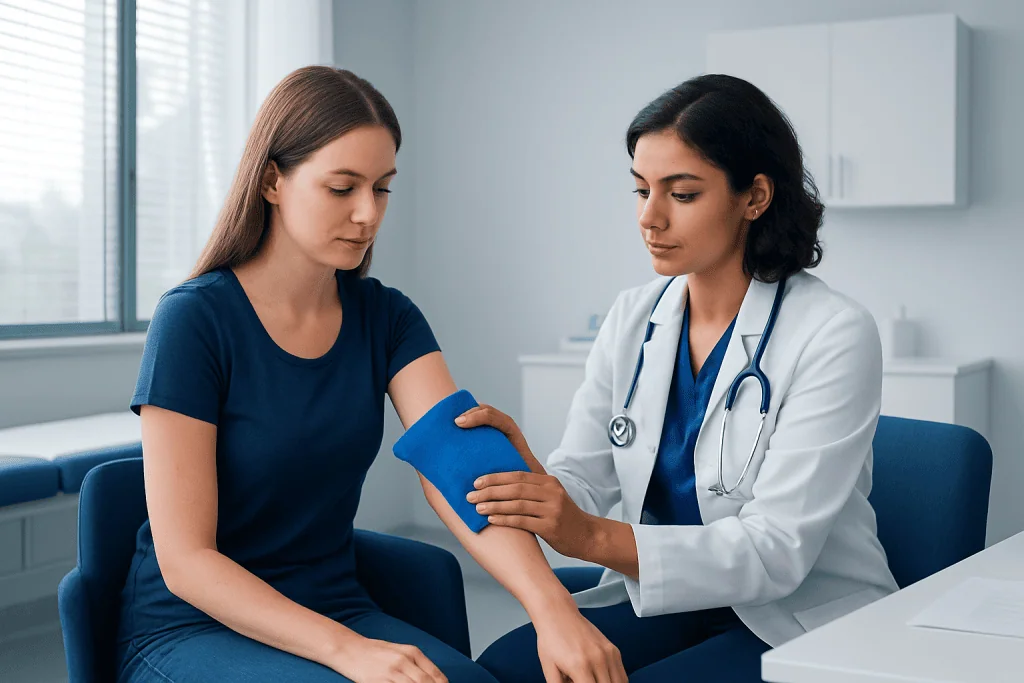
To make a warm compress, a clean washcloth can be soaked in warm water, wrung out, and placed gently over the boil. The compress should feel comfortably warm rather than hot. It is commonly used for about 10 to 15 minutes at a time and can be repeated several times a day, as long as the skin is checked for irritation.
Cleanliness matters. Hands should be washed before and after touching the area, and a fresh clean cloth should be used each time. If the boil begins to drain, the area can be covered with a clean dressing to absorb fluid and reduce the chance of spreading bacteria to clothing, towels, or other skin surfaces.
Some people wonder whether adding salt, herbs, toothpaste, or other household substances improves the effect. There is no good medical evidence that these methods help, and they may irritate the skin. The safest approach is plain warm water, gentle cleansing, and avoiding pressure on the boil.
- Use a clean cloth and warm, not scalding, water.
- Apply for short sessions several times daily.
- Do not squeeze, pop, or puncture the boil.
- Keep towels, razors, and clothing personal and clean.
Signs that home care may be enough and signs it may not
Small boils sometimes improve with warm compresses, gentle hygiene, and time. The area may become softer, less tense, and eventually drain a small amount of pus on its own. After drainage, pain often starts to lessen. Continued cleaning and covering the site can support healing.
However, some signs suggest that home care may not be enough. A boil that continues to enlarge, becomes very painful, does not drain, or causes increasing redness around the area may need medical treatment. Fever, chills, fatigue, or red streaks on the skin can suggest the infection is spreading and should be assessed urgently.
Location also matters. Boils on the face, near the nose, around the eyes, in the genital area, or near the spine deserve extra caution because of their sensitivity and higher potential for complications. A cluster of connected boils, called a carbuncle, is usually more serious than a single boil and often needs professional care.
Medical diagnosis and treatment options
Doctors usually diagnose a boil by examining the skin and reviewing symptoms such as pain, drainage, redness, and fever. If boils are severe, recurrent, unusually large, or slow to heal, a doctor may take a sample of drainage to look for the bacteria causing the infection. Testing for contributing conditions, such as diabetes, may also be considered in people with repeated episodes.
When a boil is large or not draining on its own, treatment may involve a minor procedure to release the pus safely. This is called incision and drainage and is commonly the most effective treatment for a mature boil. In some cases, especially when there is surrounding cellulitis, fever, multiple lesions, or higher risk of complications, a doctor may prescribe antibiotics. Related skin infection care may overlap with treatment used for cellulitis.
Depending on the size, depth, and location of the lesion, doctors may use imaging such as ultrasound to assess deeper collections or guide care in selected cases. In more complex situations, treatment can involve dermatology specialists or, if a broader soft tissue infection is suspected, a plan that includes infectious diseases expertise. The goal is to control infection, relieve pain, and reduce recurrence while protecting healthy skin.
Prevention, hygiene, and self-care after drainage
Good skin hygiene helps lower the chance of both first-time and recurrent boils. Regular bathing, prompt washing after heavy sweating, and careful cleansing of minor cuts or shaving nicks can reduce bacterial buildup. Loose, breathable clothing may help in areas where friction and moisture are common.
Once a boil starts draining, hygiene becomes even more important. The area should be cleaned gently, covered with a fresh dressing, and checked for increasing redness or swelling. Used dressings should be discarded carefully, and hands should be washed well after contact with the wound or bandage.
To reduce spread, it is best not to share towels, clothing, razors, or bedding until the area has healed. Recurrent boils may improve when underlying triggers are addressed, such as blood sugar control in diabetes, management of eczema, reducing repeated shaving irritation, or evaluation for bacterial colonization in the nose or on the skin.
When to seek medical care
Medical advice is recommended if a boil is larger than expected, very painful, located on the face or near the eyes, or not improving after several days of warm compress use. Care is also important if the person has fever, spreading redness, bad-smelling drainage, repeated boils, or a weakened immune system. Infants, older adults, and people with diabetes should be especially cautious.
Immediate assessment is wise if there are red streaks, rapidly worsening swelling, severe tenderness, or symptoms of feeling generally unwell. These can be signs that the infection has moved beyond a localized boil. A doctor can decide whether drainage, antibiotics, testing, or closer monitoring is needed.
For international patients who need specialist evaluation, Acibadem International’s multidisciplinary teams in JCI-accredited hospitals diagnose and treat skin and soft tissue infections with coordinated care. The most appropriate next step depends on the boil’s size, location, recurrence pattern, and the person’s general health.
Frequently asked questions
How long should a warm compress be used on a boil?
A warm compress is often used for short sessions, such as 10 to 15 minutes at a time, several times a day. The cloth should be comfortably warm, not hot. If the skin becomes more irritated or the boil keeps worsening, medical advice is recommended.
Can a warm compress get rid of a boil completely?
A warm compress may help a small boil drain naturally and feel less painful, but it does not always remove the infection completely. Some boils need drainage by a doctor, and others may require antibiotics. It is best viewed as supportive home care rather than a guaranteed cure.
Should a boil be popped after using a warm compress?
No. Squeezing or popping a boil at home can push infection deeper into the skin, increase pain, and raise the risk of scarring or spread. If a boil needs drainage, this should be done by a qualified medical professional.
What if the boil starts draining on its own?
The area should be cleaned gently, covered with a clean bandage, and kept as dry and protected as possible between cleanings. Hands should be washed before and after touching the area. Ongoing pain, worsening redness, fever, or foul-smelling drainage should be checked by a doctor.
When is a boil more serious?
A boil may be more serious if it is on the face, near the eyes, very large, very painful, or associated with fever or spreading redness. Recurrent boils can also signal an underlying health issue. These situations usually deserve medical assessment rather than home care alone.
Can warm compresses be used for recurrent boils?
They may still help relieve discomfort during an episode, but recurrent boils should not be managed only with home remedies. A doctor may look for causes such as diabetes, friction, chronic skin disease, or bacterial colonization. Preventing recurrence usually depends on treating the underlying cause.
This article is for general information only and is not a substitute for professional medical advice. Please consult a qualified doctor about your individual situation.
Explore treatments in Turkey — costs, top hospitals & a free quote
JCI-accredited · board-certified surgeons · reply within 24h
Add us as a Preferred Source to see more of our trusted health content across Google Search, AI Overviews and Discover.

More from the Health Library

Jaundice Baby: A Complete Medical Overview

Headgear Braces — Explained by Medical Evidence, Not Myths

Yoni Massage: An Evidence-Based Guide for Patients

Pulmonary Infarction — Explained by Medical Evidence, Not Myths

Catnip Tea — Explained by Medical Evidence, Not Myths