Does Anal Hurt? A Doctor-Reviewed Answer

Anal pain is common and often related to constipation, irritation, hemorrhoids, or a small tear called an anal fissure. Pain is not something a person should ignore if it is severe, keeps returning, or happens with bleeding, fever, or swelling.
Key Takeaways
- Anal pain is common and often related to constipation, irritation, hemorrhoids, or a small tear called an anal fissure.
- Pain is not something a person should ignore if it is severe, keeps returning, or happens with bleeding, fever, or swelling.
- Doctors usually diagnose the cause with a careful history, a physical exam, and only selected tests when needed.
- Treatment depends on the cause and may include stool-softening measures, medicines, sitz baths, or treatment for an underlying condition.
- Gentle bowel habits, adequate fiber and fluids, and avoiding trauma can help prevent many common causes of anal pain.
Does anal hurt? It can, but not all anal pain signals a serious problem. Mild discomfort is often linked to irritation, constipation, or minor tears, while stronger or persistent pain deserves medical review.
Overview: Does Anal Hurt?
Yes, the anus can hurt, but in many cases the reason is minor and treatable. The area contains sensitive skin, nerves, and muscles, so irritation, constipation, diarrhea, or friction can cause noticeable discomfort. A brief episode of pain does not always mean a serious disease.
At the same time, anal pain should not be dismissed if it is intense, keeps coming back, or is linked with bleeding, discharge, a lump, fever, or trouble passing stool. These features can point to problems such as an anal fissure, hemorrhoids, infection, abscess, or inflammation that may need medical care.
A helpful way to think about this symptom is to look at the pattern. Pain during or after a bowel movement often suggests a fissure or irritated hemorrhoids, while deep aching, swelling, or fever can suggest infection. Pain during anal sex may reflect insufficient lubrication, muscle spasm, irritation, or an underlying condition that makes the tissue more sensitive.
What Anal Pain Can Feel Like
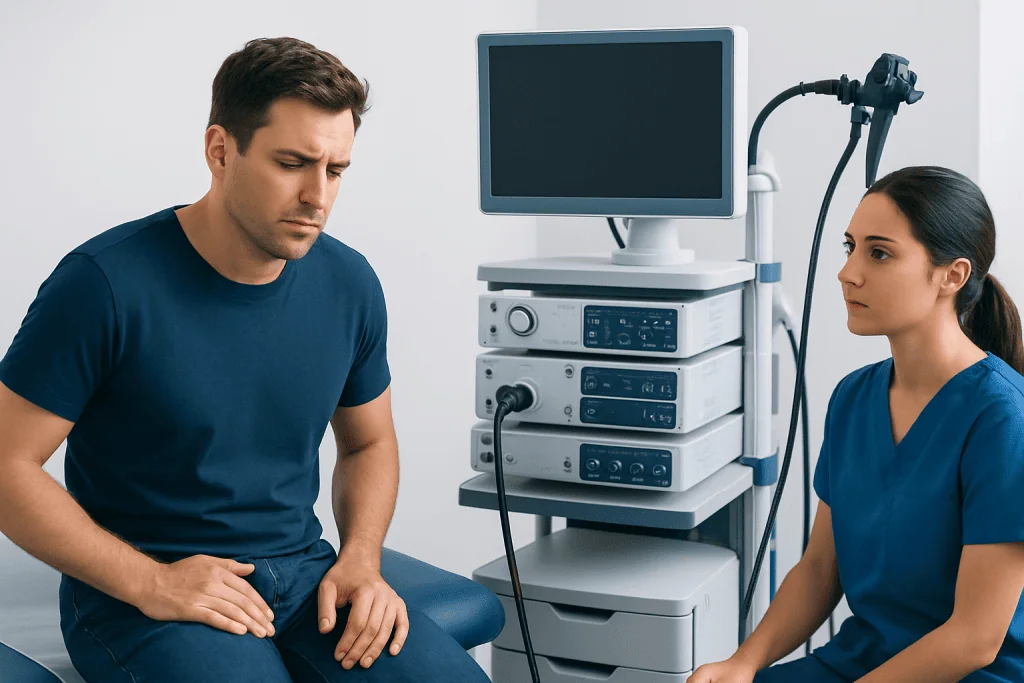
Anal pain can feel sharp, burning, throbbing, cramping, or like pressure in the rectal area. Some people notice it only during a bowel movement, while others feel discomfort when sitting, walking, or cleaning the area. The exact sensation can give doctors clues about the cause.
Common symptoms that may occur with anal pain include itching, a small amount of bright red blood on toilet paper, constipation, a feeling of incomplete emptying, or a tender lump near the anus. Some people also notice mucus, skin irritation, or pain during anal sex. These associated symptoms help narrow down whether the problem is mostly skin-related, muscle-related, bowel-related, or due to infection or inflammation.
- Sharp pain with bowel movements: often seen with a fissure.
- Pressure or swelling: may occur with hemorrhoids or an abscess.
- Burning or irritation: can happen with diarrhea, excessive wiping, or skin sensitivity.
- Deep rectal aching: may relate to pelvic floor muscle spasm or rectal inflammation.
Common Causes and Risk Factors
The most common causes of anal pain are not dangerous. Constipation can stretch the anal canal and lead to painful bowel movements. Hard stools may also cause a small tear in the lining called an anal fissure, which often causes sharp pain and a little bright red bleeding. Diarrhea, repeated wiping, fragranced products, and moisture can also irritate the skin and trigger burning or soreness.
Hemorrhoids are another frequent cause. These are swollen veins in or around the anus and rectum. They may itch, bleed, or feel tender, especially if a clot forms in an external hemorrhoid. Other possible causes include infections, an anal abscess, fistula, skin conditions such as eczema, and inflammatory bowel problems affecting the rectum.
Pain during anal sex is usually related to friction, insufficient lubrication, anxiety-related muscle tightening, or a preexisting issue such as a fissure or hemorrhoid. Anal tissue does not self-lubricate, so trauma can occur more easily if penetration is rushed or forceful. Less commonly, conditions such as pelvic floor dysfunction, sexually transmitted infections, or Crohn’s disease may contribute to recurring pain.
Risk factors include chronic constipation, low-fiber intake, dehydration, prolonged sitting on the toilet, heavy straining, pregnancy, frequent diarrhea, receptive anal intercourse, and immune suppression. A personal history of hemorrhoids, fissures, or bowel inflammation can also make symptoms more likely to return.
How a Doctor Finds the Cause
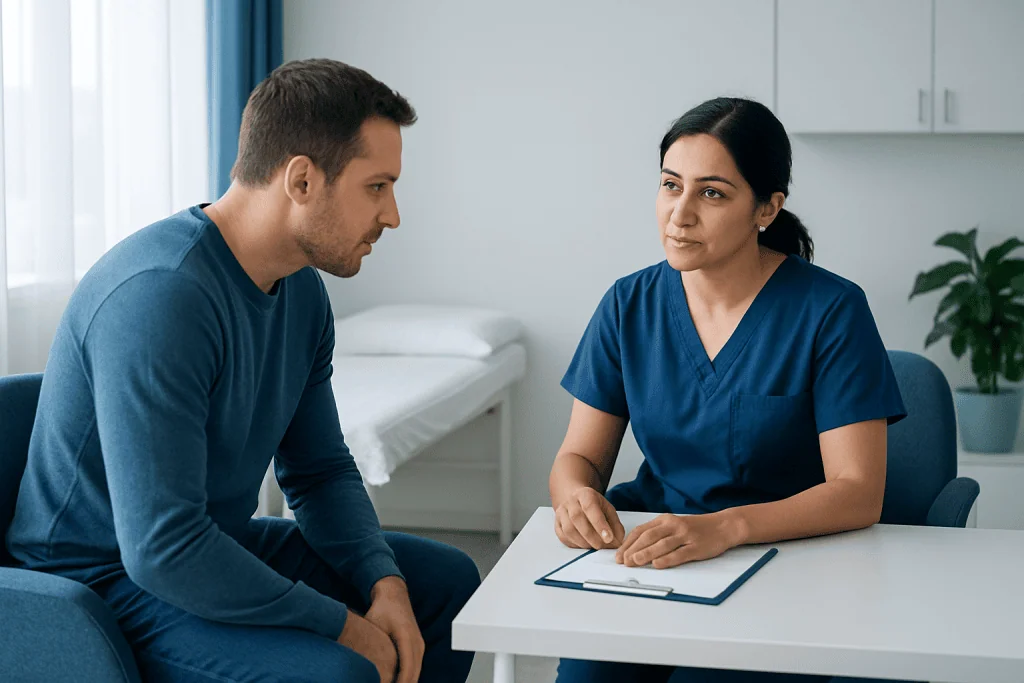
Doctors usually begin with a straightforward conversation about the pain. They may ask when it started, whether it happens during bowel movements or intercourse, whether there is bleeding or discharge, and whether the person has constipation, diarrhea, fever, or a known digestive condition. This history often points strongly toward the cause before any tests are done.
The physical exam may include looking at the skin around the anus for a fissure, hemorrhoid, rash, swelling, or drainage. Depending on the symptoms, the doctor may also do a gentle digital rectal exam to feel for tenderness, muscle spasm, or a mass. If pain is severe, the exam is usually adapted carefully and may be limited until the person is more comfortable.
Further testing is only needed in selected cases. A clinician may recommend anoscopy or sigmoidoscopy to look inside the anal canal and rectum, especially if there is unexplained bleeding, persistent symptoms, or concern for inflammation. Stool tests, infection screening, or imaging can be useful if an abscess, fistula, inflammatory bowel disease, or another deeper problem is suspected. If needed, evaluation with colonoscopy may help investigate bleeding or ongoing bowel symptoms.
Treatment and Symptom Relief
Treatment depends on the cause. For irritation or mild constipation-related pain, doctors often advise increasing fiber gradually, drinking enough fluids, and using warm sitz baths to relax the area. Avoiding harsh soaps, scented wipes, and aggressive cleaning can also reduce soreness. If bowel movements are hard, a clinician may suggest a stool-softening approach.
Anal fissures often improve with softer stools, less straining, and medicines that help the anal muscle relax. Hemorrhoids may respond to local care, bowel habit changes, and in some cases office-based procedures or surgery. Deeper infections such as an abscess usually need prompt treatment because they may not improve with home care alone.
When pain happens with anal sex, the safest approach is to stop if it hurts, allow the tissue to recover, and address any underlying issue first. Gentle communication, more preparation time, and adequate lubrication are important for prevention, but persistent pain should still be medically assessed rather than pushed through. Some people with recurring hemorrhoids may need specialized hemorrhoid treatment, while others with chronic fissure symptoms may benefit from expert evaluation and targeted care.
If tests suggest a broader bowel condition, doctors may recommend care through a digestive specialist. In selected cases, gastroenterology care helps evaluate rectal inflammation, bowel habit changes, or pain that does not fit a simple local cause.
Prevention and Self-Care
Many common causes of anal pain can be reduced with regular, gentle bowel habits. A balanced diet with enough fiber helps form softer stools that pass more easily. Drinking water regularly and staying physically active can also support healthy bowel function and reduce straining.
Bathroom habits matter. It helps to go when the urge appears rather than holding stool for long periods. Avoid prolonged sitting on the toilet, excessive pushing, or frequent checking. Cleaning should be gentle, using water or soft unscented tissue rather than harsh rubbing.
For sexual health, patience and lubrication are important. Penetration should never be forced, and pain should be treated as a signal to stop. Barrier protection can lower the risk of some infections. If anal pain keeps happening, it is safer to pause intercourse and get a medical opinion before trying again.
When to Seek Medical Care
A person should seek medical advice if anal pain lasts more than a few days, keeps returning, or interferes with bowel movements, sitting, sleep, or sexual activity. Review is also sensible when symptoms begin without a clear explanation or do not improve with basic self-care.
Prompt medical care is important if pain is severe, there is significant bleeding, a painful lump, pus or drainage, fever, or spreading redness. These features can suggest a clot, abscess, infection, or another condition that may need urgent treatment. Unintended weight loss, ongoing diarrhea, or changes in bowel habits also deserve assessment.
Near the end of the care pathway, some people benefit from multidisciplinary review, especially when symptoms are persistent or linked to digestive disease. Acibadem International’s multidisciplinary specialists in JCI-accredited hospitals diagnose and treat anal and rectal conditions for international patients.
Frequently asked questions
Is anal pain usually serious?
Not usually. Common causes include constipation, irritation, hemorrhoids, or a small fissure, and many improve with simple treatment. However, severe pain, fever, swelling, or ongoing bleeding should be checked by a doctor.
Why does it hurt when passing stool?
Pain during a bowel movement often happens when stool is hard or when there is a small tear in the anal lining. Hemorrhoids and local irritation can also cause discomfort. A clinician can help if this keeps happening or if bleeding is present.
Does anal sex always hurt?
It should not be persistently painful, and pain is a sign to stop. Discomfort can happen with friction, inadequate lubrication, muscle tightening, or an underlying problem such as a fissure or hemorrhoids. Ongoing pain deserves medical evaluation rather than repeated attempts.
Can hemorrhoids cause anal pain?
Yes. Hemorrhoids may cause tenderness, pressure, itching, bleeding, or a painful lump, especially if an external hemorrhoid becomes thrombosed. Not every painful anal symptom is a hemorrhoid, so persistent pain should be assessed properly.
What helps mild anal pain at home?
Warm sitz baths, softer stools, good hydration, and gentle cleaning often help mild symptoms. Avoid straining, harsh soaps, and scented wipes. If symptoms do not improve, a doctor can identify the exact cause and recommend targeted treatment.
When should someone see a doctor for anal pain?
A doctor should be seen if pain is severe, lasts more than a few days, or keeps coming back. Medical review is also important for bleeding, fever, discharge, a painful lump, or changes in bowel habits.
References
- National Institute of Diabetes and Digestive and Kidney Diseases
- American Society of Colon and Rectal Surgeons
- Mayo Clinic
- National Health Service
- Merck Manual Consumer Version
This article is for general information only and is not a substitute for professional medical advice. Please consult a qualified doctor about your individual situation.
Persistent digestive symptoms? Get evaluated in Turkey
JCI-accredited · board-certified surgeons · reply within 24h
Add us as a Preferred Source to see more of our trusted health content across Google Search, AI Overviews and Discover.