Rhizotomy: What Patients Need to Know

Rhizotomy reduces pain by interrupting signals from selected sensory nerves. It is commonly used for neck or back pain linked to facet joints.
Key Takeaways
- Rhizotomy reduces pain by interrupting signals from selected sensory nerves.
- It is commonly used for neck or back pain linked to facet joints.
- A diagnostic nerve block is often used first to confirm the pain source.
- Pain relief may last for months, but it is not always permanent.
- Recovery is usually quick, though temporary soreness can happen after the procedure.
Rhizotomy is a pain-relieving procedure that targets specific nerves to reduce or block pain signals. It is most often used for selected chronic pain conditions, especially pain coming from spinal facet joints, after a careful diagnosis and when simpler treatments have not provided enough relief.
What is rhizotomy?
Rhizotomy is a medical procedure used to reduce pain by disrupting nerve signals traveling from a specific painful area to the brain. In most modern pain practice, the term often refers to a targeted treatment of small sensory nerves near the spine, usually with heat generated by radiofrequency energy. Some clinicians also use the term more broadly for other techniques that interrupt selected nerve pathways.
For patients, the main point is that rhizotomy is not usually a first-line treatment. It is generally considered when pain has lasted for some time, the source of the pain has been identified, and options such as activity changes, physical therapy, or medicines have not brought enough relief. The goal is to improve comfort and function rather than to cure every underlying structural change.
Rhizotomy is most commonly used for pain coming from the facet joints of the neck or lower back. These small joints can become painful because of arthritis, degeneration, or strain. In selected cases, related nerve-targeting procedures may also be considered for certain other pain conditions, depending on the cause and the patient’s overall health.
How rhizotomy works and who it may help
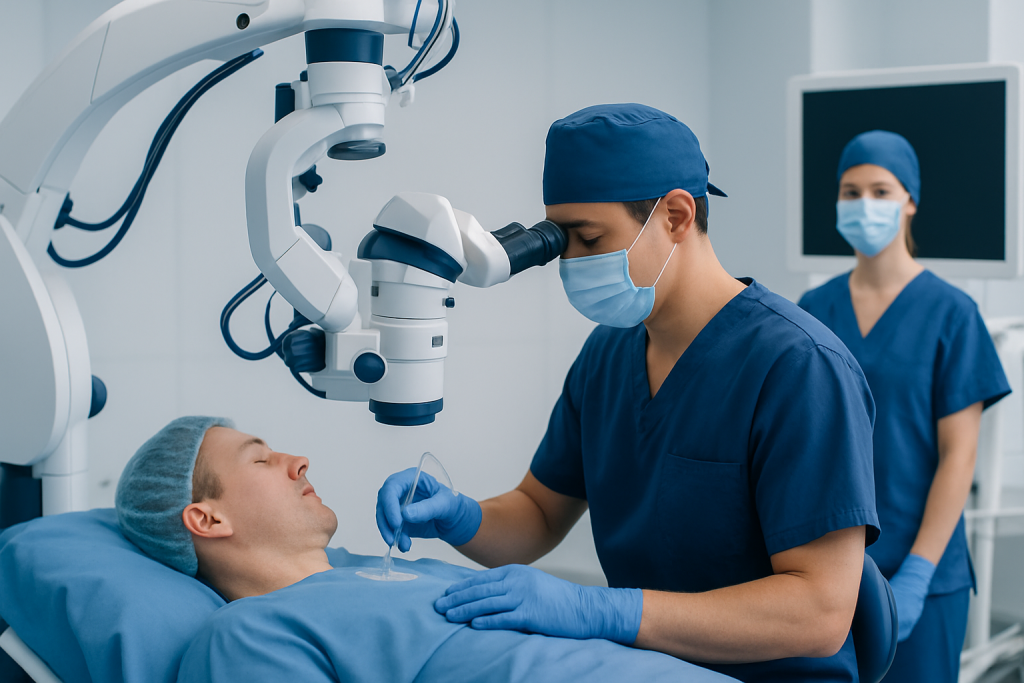
Nerves carry different kinds of messages, including touch, movement, and pain. In rhizotomy for spinal pain, the doctor targets small nerve branches that mainly carry pain signals from facet joints. By heating or otherwise treating these nerves, the procedure makes it harder for them to continue sending pain messages.
This approach may help people with chronic neck pain, mid-back pain, or low back pain when the pain pattern and examination suggest the facet joints are involved. It is often considered after imaging, clinical assessment, and one or more diagnostic injections support that the painful area is being correctly identified. Rhizotomy may be part of a broader care plan that also includes physical therapy and rehabilitation to rebuild movement and strength.
Not every type of pain responds to rhizotomy. Pain caused by a herniated disc pressing on a nerve, significant spinal instability, fracture, infection, cancer, or widespread pain syndromes usually requires a different treatment plan. This is why careful patient selection is one of the most important factors in deciding whether rhizotomy is likely to help.
Symptoms and conditions commonly linked to rhizotomy

Rhizotomy is not based only on how severe pain feels. It is used when the pattern of symptoms suggests a particular source of pain. People who may be evaluated for this procedure often describe aching or stiffness in the neck or back that worsens with certain movements, prolonged standing, twisting, or extending the spine. Some feel pain in one area more than true numbness or weakness in the limbs.
In the lower back, facet-related pain may stay mostly in the back, buttock, or upper thigh rather than travel far below the knee. In the neck, it may cause pain around the neck, shoulder, or back of the head. Doctors may evaluate rhizotomy as part of care for chronic spine-related pain, including pain associated with a herniated disc when multiple pain generators are being considered, although disc-related nerve compression itself is not the classic indication.
Sometimes rhizotomy is discussed alongside other procedures for pain control. Depending on the diagnosis, a person may instead need options such as pain management techniques, injection therapies, medication adjustment, exercise-based rehabilitation, or treatment directed at a structural problem. The most suitable option depends on where the pain begins and what is driving it.
- Persistent neck or low back pain lasting for months
- Pain suspected to arise from facet joints
- Temporary relief after diagnostic medial branch nerve blocks
- Pain that limits daily activities despite conservative care
How doctors diagnose the pain source before rhizotomy
The decision to perform rhizotomy usually starts with a detailed medical history and physical examination. The doctor asks where the pain is felt, what makes it worse or better, how long it has been present, and whether there are warning signs such as fever, weight loss, bowel or bladder changes, or progressive weakness. Imaging such as X-rays, CT, or MRI may help rule out other problems, but scans alone do not confirm whether facet joints are truly the main pain source.
A key step is often a diagnostic nerve block. In this test, a small amount of local anesthetic is placed near the nerves suspected of carrying the pain. If the patient experiences meaningful temporary relief during the expected time window, that result supports the idea that those nerves are involved. Some specialists repeat the block to improve diagnostic accuracy before recommending rhizotomy.
This careful process matters because chronic back or neck pain can have more than one cause. Muscles, discs, facet joints, sacroiliac joints, and compressed nerves can all produce overlapping symptoms. A procedure directed at the wrong pain source is less likely to help, so diagnosis is as important as the treatment itself.
What happens during the rhizotomy procedure
Rhizotomy is usually performed as a minimally invasive outpatient procedure. The patient typically lies on a procedure table while the doctor uses imaging guidance, such as fluoroscopy, to place a thin needle near the target nerve. The skin is cleaned carefully, and local anesthetic is used to numb the area. Some patients also receive light sedation, depending on the setting and the treatment plan.
Once the needle is in the correct position, the doctor may test placement by using mild stimulation. Then radiofrequency energy is applied to create a small, controlled lesion on the nerve. The aim is to interrupt pain transmission while avoiding unnecessary injury to nearby structures. The procedure often takes less than an hour, though timing varies by the number of nerves treated and the body area involved.
Patients are usually monitored for a short time afterward and can often go home the same day with someone to accompany them if sedation was used. Mild soreness, bruising, or a temporary increase in pain can happen for a few days. Many people return to light activities quickly, but the exact advice depends on the physician’s instructions and the area treated.
Benefits, limits, risks, and recovery
The main benefit of rhizotomy is pain relief without major surgery. For appropriately selected patients, it may reduce pain enough to improve walking, sleep, self-care, and participation in exercise or rehabilitation. Relief is not always immediate. Some people notice gradual improvement over days to a few weeks as post-procedure irritation settles.
Rhizotomy does have limits. The treated nerve can heal over time, so the pain may eventually return. If the original diagnosis remains correct and the first procedure helped, the treatment may sometimes be repeated. Rhizotomy also does not reverse arthritis, disc wear, or other structural changes; instead, it aims to reduce the pain generated by them.
Risks are usually low but can include temporary soreness, numbness, dizziness, bleeding, infection, or failure to relieve the pain. Rarely, patients may develop increased nerve irritation or unusual sensations. The doctor weighs these risks against potential benefits and discusses whether other options, such as spine surgery, may be more appropriate if there is severe nerve compression, instability, or another condition that needs structural correction.
Recovery is typically straightforward. Patients are often advised to take it easy for a day or two, keep the treatment area clean, and restart normal activities gradually. Continuing exercise, posture work, and rehabilitation after pain improves may help preserve function and reduce the chance that pain will quickly become limiting again.
Self-care after rhizotomy and when to seek medical care
After rhizotomy, self-care usually focuses on rest, gentle movement, and following the care team’s instructions. Applying an ice pack for short periods may help with soreness if the clinician approves. Patients should ask when it is safe to drive, return to work, exercise, and restart any paused medicines. Long-term pain control often works best when the procedure is combined with stretching, strengthening, weight management when appropriate, and attention to body mechanics.
It is important to seek medical care promptly if there are signs of complications or a different underlying problem. A patient should contact a doctor right away for fever, increasing redness or drainage at the procedure site, severe or rapidly worsening pain, new weakness, loss of bladder or bowel control, or new numbness that does not improve. Urgent assessment is also needed if pain is accompanied by serious symptoms such as chest pain or difficulty breathing.
For ongoing symptoms, follow-up helps the care team judge whether rhizotomy worked as expected and whether other support is needed. In complex cases, evaluation by spine, neurology, neurosurgery, or rehabilitation specialists may be helpful. Acibadem International’s multidisciplinary specialists at JCI-accredited hospitals diagnose and treat chronic pain conditions for international patients, including coordinated assessment when procedures such as rhizotomy are being considered.
Frequently asked questions
Is rhizotomy the same as nerve ablation?
Rhizotomy and nerve ablation are often used to describe similar pain procedures, especially radiofrequency treatment of nerves near the spine. Exact terminology can vary by doctor, body area, and technique, so patients should ask what method is being proposed and what result is expected.
How long does pain relief from rhizotomy last?
Pain relief can last for months and sometimes longer, but the result varies from person to person. Because nerves can recover over time, symptoms may return. The likelihood of lasting benefit is usually better when diagnostic nerve blocks strongly suggested the correct pain source.
Is rhizotomy painful?
Most patients tolerate the procedure well because the skin is numbed and imaging guidance is used to place the needle precisely. There can be pressure, brief discomfort, or soreness afterward, but many people describe it as manageable. The care team may also discuss whether light sedation is appropriate.
Who is not a good candidate for rhizotomy?
Rhizotomy may not be suitable if the pain source is unclear or if the main problem is a condition that needs different treatment, such as infection, fracture, spinal instability, or significant nerve compression. It may also be delayed in people with certain bleeding risks or active illness until it is safe to proceed.
Do patients need imaging before rhizotomy?
Imaging is often part of the evaluation, especially to look for other possible causes of pain. However, scans alone usually do not prove that facet joints are the true source. Diagnostic nerve blocks are commonly used to confirm whether rhizotomy is likely to help.
Can rhizotomy cure chronic back pain?
Rhizotomy is designed to reduce pain, not to cure every underlying cause of chronic back pain. It can be very helpful for selected patients, but it works best as part of a broader plan that may include exercise, rehabilitation, and ongoing medical follow-up.
This article is for general information only and is not a substitute for professional medical advice. Please consult a qualified doctor about your individual situation.
Joint and spine care in Turkey — expert assessment & treatment
JCI-accredited · board-certified surgeons · reply within 24h
Add us as a Preferred Source to see more of our trusted health content across Google Search, AI Overviews and Discover.

More from the Health Library

Guiche Piercing: What Patients Need to Know

Functional Incontinence — Explained by Medical Evidence, Not Myths

Metabolism — Explained by Medical Evidence, Not Myths

Hibiscus Tea: What Patients Need to Know

Butterfly rash: Symptoms, Causes, and Treatment — Complete Patient Guide