Cure of Melasma — Explained by Medical Evidence, Not Myths

Melasma is treatable, but it may recur even after successful fading. Daily sun protection is a central part of treatment and relapse prevention.
Key Takeaways
- Melasma is treatable, but it may recur even after successful fading.
- Daily sun protection is a central part of treatment and relapse prevention.
- Topical medicines, chemical peels, and selected laser approaches may help when guided by a dermatologist.
- Hormonal triggers, heat, visible light, and skin irritation can all worsen melasma.
- Professional diagnosis is important because other causes of facial pigmentation can look similar.
A complete, permanent cure of melasma is not usually guaranteed because the condition often returns with sun exposure, hormones, or skin irritation. Still, evidence-based treatment can lighten patches, improve skin tone, and help keep melasma under better long-term control.
Overview: can melasma be cured?
The short medical answer is that the cure of melasma is usually not considered permanent in the way an infection can be cured. Melasma is a chronic pigment disorder in which brown or gray-brown patches develop, most often on the cheeks, forehead, upper lip, nose, and chin. With proper care, many people can achieve significant fading, but the pigmentation may come back if triggers continue.
Medical evidence shows that the most realistic goal is long-term control rather than a one-time fix. Dermatologists often combine sun protection, trigger management, and skin-directed treatment to reduce pigment and lower the risk of recurrence. This approach is more accurate than myths that promise an instant or guaranteed permanent solution.
Melasma is common in adults and is seen more often in people with medium to darker skin tones, although it can affect any skin type. It is not contagious, not cancerous, and not a sign of poor hygiene. Even so, it can be emotionally frustrating because it tends to affect visible areas of the face and may change slowly over time.
What melasma looks like and how it affects the skin
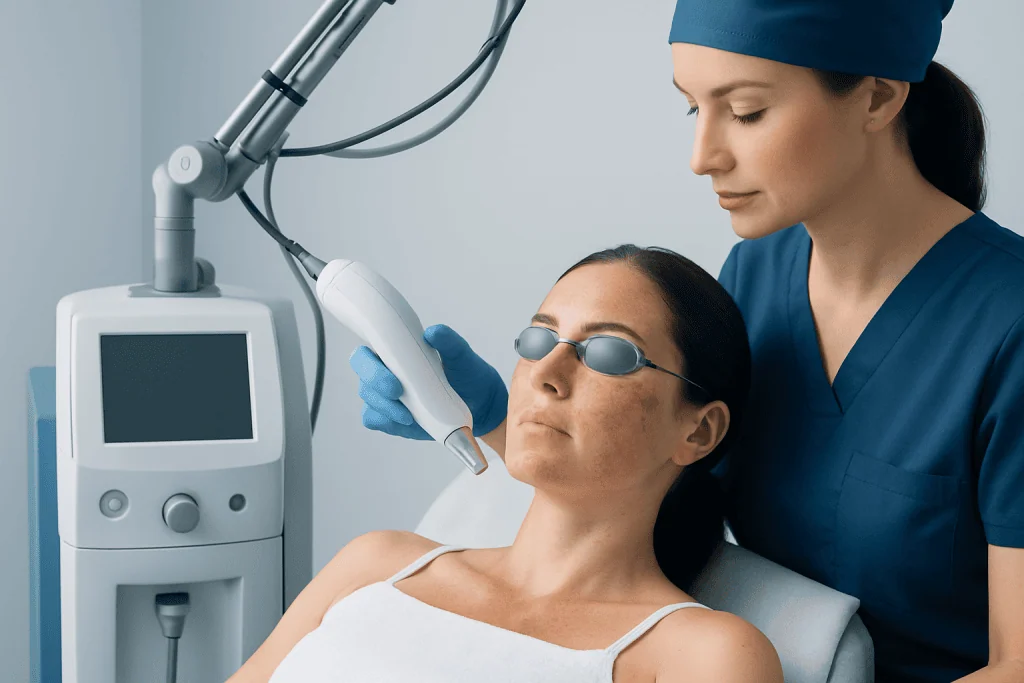
Melasma causes flat patches of darker skin with uneven but often fairly symmetrical borders. The color may range from light brown to dark brown or grayish-brown. Unlike rashes, these patches are usually not raised, and they typically do not itch or hurt.
The condition most often appears on sun-exposed areas. Common patterns include patches on both cheeks, across the forehead, on the bridge of the nose, above the upper lip, or along the jawline. Less commonly, melasma can also affect the forearms or neck.
Although it is usually a cosmetic condition rather than a dangerous one, melasma can affect confidence and quality of life. Some people also confuse it with other forms of pigmentation, such as post-inflammatory hyperpigmentation, medication-related darkening, or other skin changes that need proper evaluation. This is one reason a professional diagnosis is helpful before starting treatment.
Causes and risk factors: why melasma happens

Melasma develops when pigment-producing cells in the skin, called melanocytes, become overactive. The exact process is complex, but several well-recognized triggers are involved. Sunlight is one of the most important, especially ultraviolet light and visible light. Heat can also make melasma worse in some people, even without direct sunburn.
Hormonal influences are another major factor. Melasma may appear during pregnancy, while taking birth control pills, or with hormone therapies. This is why it has sometimes been called the “mask of pregnancy,” although not all pregnancy-related pigmentation is the same and not all cases occur during pregnancy.
Genetics also matter. A family history can increase the likelihood of developing melasma. Skin irritation may worsen it as well, especially from harsh exfoliation, fragranced products, or unmonitored cosmetic treatments. People with darker skin phototypes may be more prone to visible pigment changes because their melanocytes are more reactive.
- Sun exposure and visible light
- Pregnancy and hormonal changes
- Birth control pills or hormone therapy
- Family history
- Heat exposure
- Skin irritation from aggressive products or procedures
How melasma is diagnosed and why self-diagnosis can be misleading
Doctors usually diagnose melasma by examining the skin pattern, color, and distribution. In many cases, the appearance is typical enough to identify during a routine dermatology visit. A detailed medical history is also important, including pregnancy status, hormonal medications, skin-care products, sun habits, and when the pigmentation first appeared.
Sometimes a Wood’s lamp examination may help estimate whether pigment is more superficial or deeper in the skin, although this is not always definitive. In unusual cases, a dermatologist may consider other tests if the pattern does not fit melasma or if another condition needs to be ruled out.
Self-diagnosis can be misleading because several conditions can mimic melasma, including post-inflammatory hyperpigmentation after acne, medication-related pigmentation, contact dermatitis-related discoloration, and some systemic conditions. People who are considering procedural options may benefit from a formal dermatology assessment and, when needed, tailored dermatology care to confirm the diagnosis and discuss suitable options.
Evidence-based treatment options for melasma
No single treatment works for everyone, and the best plan depends on skin type, trigger pattern, pigment depth, and sensitivity. First-line treatment often involves topical medications prescribed or recommended by a dermatologist. These may include depigmenting agents such as hydroquinone, azelaic acid, retinoids, tranexamic acid in selected cases, or combination creams. The aim is to slow excess pigment production and gradually lighten affected areas.
Chemical peels may help some patients, especially when melasma is more superficial, but they need careful selection and professional supervision. Inappropriate peels can irritate the skin and worsen pigmentation. Some people also explore light- or energy-based treatments, but lasers and intense pulsed light are not universally suitable for melasma and may trigger rebound pigmentation in certain skin types. When used, they should be chosen conservatively and by experienced clinicians, sometimes alongside a broader medical aesthetics plan.
Because melasma often relapses, maintenance treatment is important after initial improvement. This may include ongoing sunscreen use, trigger reduction, and lower-intensity topical therapy. In selected cases, specialists may discuss additional options within a wider skin-care and dermatologic procedures strategy, but treatment must be individualized rather than copied from social media trends.
Improvement usually takes time. It is common for fading to happen gradually over weeks to months, and over-treatment can backfire by causing irritation. A steady, medically guided plan is generally safer and more effective than trying many products at once.
Prevention and self-care: what helps and what to avoid
Sun protection is a foundation of melasma care, even when active treatment is used. Dermatologists often recommend broad-spectrum sunscreen every day, along with physical protection such as a wide-brimmed hat, sunglasses, and seeking shade when possible. Tinted sunscreens that protect against visible light may be especially helpful for some people with melasma.
Gentle skin care also matters. A simple routine with a mild cleanser, non-irritating moisturizer, and carefully chosen active ingredients is usually better than frequent scrubbing or layering strong products. Harsh exfoliants, fragranced formulas, and unverified home remedies can inflame the skin and make pigmentation more stubborn.
Self-care also includes reviewing possible triggers. If melasma seems related to hormones, a person should discuss options with a qualified doctor rather than stopping medication on their own. Heat reduction, consistent skin care, and patience are all part of prevention because melasma often responds best to long-term habits rather than quick fixes.
- Use broad-spectrum sunscreen daily and reapply as directed
- Prefer hats and shade during peak sun exposure
- Choose gentle, fragrance-light skin care
- Avoid picking, scrubbing, or over-exfoliating
- Ask a doctor about possible hormonal contributors
When to seek medical care
A doctor should assess facial pigmentation that is new, changing, or difficult to identify. While melasma is common and usually harmless, not every dark patch on the face is melasma. Medical review is especially important if pigmentation appears suddenly, is one-sided, involves inflammation, or develops along with other symptoms.
It is also a good idea to seek care if over-the-counter products are not helping, if the skin becomes irritated, or if pigmentation worsens after self-treatment. People who are pregnant, breastfeeding, or managing other medical conditions should ask a clinician before using active treatment products, since some ingredients may not be appropriate in all situations.
Patients who want a structured plan can benefit from specialist evaluation. Near the end of the care pathway, it is reasonable to note that Acibadem International’s multidisciplinary specialists and JCI-accredited hospitals diagnose and treat skin conditions for international patients, including assessment of persistent pigmentation concerns.
Frequently asked questions
Is there a permanent cure of melasma?
A permanent cure is not usually guaranteed because melasma often returns when triggers such as sun exposure, hormones, or skin irritation continue. However, many people can achieve significant fading and good long-term control with consistent treatment and prevention.
What is the best treatment for melasma?
There is no single best treatment for every person. Dermatologists commonly use a combination of daily sun protection, topical medicines, and sometimes carefully selected procedures depending on skin type, pigment depth, and sensitivity.
Can melasma go away on its own?
Sometimes it can improve, especially if the trigger is temporary, such as pregnancy-related hormonal changes. Even then, fading may be slow and incomplete, and the pigmentation can return later with sun exposure or other triggers.
Do home remedies cure melasma?
Home remedies have not been shown to reliably cure melasma, and some can irritate the skin and worsen discoloration. Because melasma is sensitive to inflammation, it is safer to use evidence-based products and seek medical advice when needed.
Are lasers safe for melasma?
Lasers can help selected patients, but they are not suitable for everyone with melasma. In some skin types, certain laser treatments may worsen pigmentation, so they should only be considered after proper medical assessment.
How long does melasma treatment take to work?
Improvement is usually gradual and often takes several weeks to months. The exact timeline depends on the treatment used, how deep the pigment is, how consistently sun protection is followed, and whether triggers are still present.
This article is for general information only and is not a substitute for professional medical advice. Please consult a qualified doctor about your individual situation.
Explore treatments in Turkey — costs, top hospitals & a free quote
JCI-accredited · board-certified surgeons · reply within 24h
Add us as a Preferred Source to see more of our trusted health content across Google Search, AI Overviews and Discover.

More from the Health Library

Facio Maxillary Surgeons: A Complete Medical Overview

Condoms: A Complete Medical Overview

Tetanus: An Evidence-Based Guide for Patients

Ankle Bursa: A Complete Medical Overview

Gluteus Maximus: An Evidence-Based Guide for Patients