Facio Maxillary Surgeons: A Complete Medical Overview

Facio maxillary surgeons manage diseases, injuries, and structural problems of the face, jaws, mouth, and neck region. Their work includes both functional and reconstructive treatment, not only cosmetic procedures.
Key Takeaways
- Facio maxillary surgeons manage diseases, injuries, and structural problems of the face, jaws, mouth, and neck region.
- Their work includes both functional and reconstructive treatment, not only cosmetic procedures.
- Common reasons for referral include impacted wisdom teeth, jaw pain, bite problems, facial trauma, cysts, tumors, and sleep-related airway issues.
- Diagnosis may involve a physical exam, dental imaging, CT scans, and coordinated care with orthodontists, ENT specialists, and other doctors.
- Treatment can range from monitoring and medication to tooth extraction, fracture repair, corrective jaw surgery, and reconstruction.
- Early evaluation can help prevent complications with chewing, speech, breathing, infection, and long-term joint strain.
Facio maxillary surgeons are specialists who diagnose and treat conditions affecting the jaws, facial bones, mouth, and related soft tissues. They care for problems ranging from impacted teeth and jaw misalignment to facial injuries, infections, cysts, and reconstructive needs.
Overview: What facio maxillary surgeons do
Facio maxillary surgeons are doctors trained to treat disorders of the mouth, jaws, face, and related structures. In many healthcare systems, they are called oral and maxillofacial surgeons. Their expertise sits at the intersection of dentistry, surgery, and facial anatomy, allowing them to manage both routine and complex conditions that affect appearance, function, and comfort.
These specialists do much more than remove teeth. They may treat jaw misalignment, facial fractures, severe infections, cysts, tumors, temporomandibular joint problems, and some airway-related conditions. Their goal is usually to restore normal function such as chewing, speaking, swallowing, and breathing, while also supporting facial balance and healing.
Facio maxillary surgeons often work as part of a wider care team. Depending on the problem, they may coordinate with dentists, orthodontists, ear, nose, and throat specialists, plastic surgeons, oncologists, radiologists, and speech or rehabilitation professionals. This team-based approach is especially important when treatment affects both function and facial structure.
Conditions they commonly treat
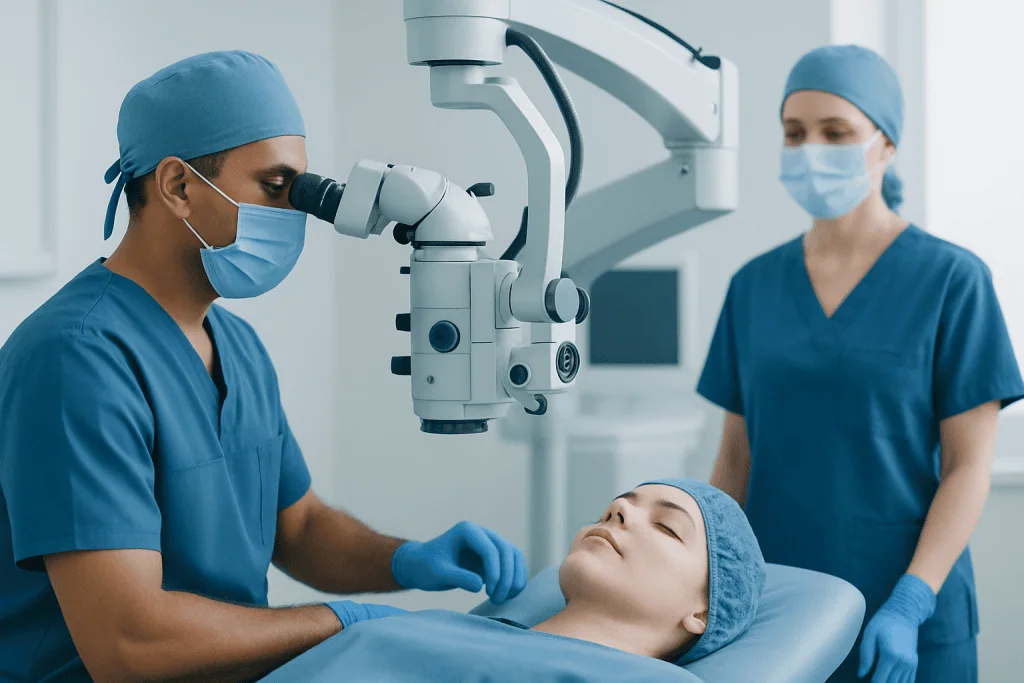
The range of conditions treated by facio maxillary surgeons is broad. One common reason for referral is impacted or difficult-to-remove teeth, especially wisdom teeth that may cause pain, infection, crowding, or damage to nearby teeth. They also evaluate jaw position problems that can affect the bite, facial symmetry, speech, and chewing.
These surgeons frequently care for facial injuries. Broken jaw bones, cheekbones, or eye socket bones can happen after falls, sports injuries, traffic accidents, or other trauma. In these cases, treatment aims to restore bone alignment, protect nerve and airway function, and support proper healing. Care for facial trauma may involve urgent assessment and imaging.
Other conditions include oral or jaw cysts, benign and malignant tumors, chronic infections, salivary gland concerns, and congenital differences such as cleft-related facial issues. Some patients are referred for treatment of severe bite problems with corrective jaw surgery, while others may need evaluation for snoring or obstructive sleep apnea when jaw structure contributes to airway narrowing.
- Impacted teeth and difficult extractions
- Jaw misalignment and bite abnormalities
- Facial fractures and soft tissue injuries
- Temporomandibular joint and jaw pain disorders
- Oral infections, cysts, and some tumors
- Reconstructive needs after trauma, disease, or surgery
Symptoms and signs that may lead to referral

People are often referred to a facio maxillary surgeon because symptoms involve both the teeth and the facial bones or joints. Persistent jaw pain, difficulty opening the mouth, clicking or locking of the jaw, and pain while chewing may suggest a structural or joint-related problem. Facial swelling, numbness, asymmetry, or a bite that suddenly feels different should also be assessed.
Tooth-related concerns can include severe pain from impacted wisdom teeth, repeated gum infections around partially erupted teeth, or pressure caused by crowding. Some patients notice that their upper and lower teeth do not meet properly, making it hard to bite food, pronounce certain words, or close the lips comfortably. Others may seek evaluation because of long-standing snoring, daytime sleepiness, or breathing difficulties linked to jaw position.
After an injury, warning signs include bleeding, bruising, loose teeth, a jaw that feels out of place, double vision, facial numbness, or difficulty chewing. Oral sores or lumps that do not heal, unexplained swelling, or recurring infections may also require specialist assessment to rule out deeper disease affecting the jaw or oral tissues.
Causes and risk factors
Some conditions managed by facio maxillary surgeons develop because of how the jaw and face grow. Genetic and developmental factors can influence facial shape, tooth eruption, bite alignment, and airway size. For example, a small lower jaw or uneven growth between the upper and lower jaws can lead to functional bite problems over time.
Trauma is another major cause. Sports injuries, falls, interpersonal violence, and motor vehicle accidents can damage facial bones, teeth, and surrounding soft tissues. Infection may begin in a tooth or gum and spread into deeper facial spaces, sometimes requiring urgent drainage or surgical care. Habits such as teeth grinding can also worsen jaw joint symptoms in some people.
Other risk factors depend on the specific problem. Smoking, poor oral hygiene, untreated dental disease, and delayed care can increase the likelihood of infections and slow healing. Certain tumors, cysts, or bone conditions may arise without obvious symptoms at first, which is why routine dental and medical evaluations can sometimes help identify issues early. Related problems such as temporomandibular joint disorder may overlap with muscle tension, stress, bite changes, or arthritis.
How diagnosis is made
Diagnosis begins with a detailed history and physical examination. The surgeon usually asks about pain, swelling, breathing, prior dental work, injuries, changes in bite, joint symptoms, and how the problem affects daily life. During the exam, they assess facial symmetry, jaw movement, tooth position, gum and oral tissue health, sensation, and signs of infection or fracture.
Imaging is often essential because many jaw and facial conditions involve bone, teeth roots, sinuses, and joints that cannot be fully evaluated by inspection alone. Depending on the concern, imaging may include dental X-rays, panoramic radiographs, 3D cone beam CT, standard CT, or MRI. These tests help define the exact position of impacted teeth, fractures, cysts, tumors, or joint abnormalities.
Some patients need laboratory tests, biopsy, sleep evaluation, or consultation with other specialists. Orthodontic records may be important when planning treatment for jaw alignment. If a suspicious growth is present, tissue sampling may be needed to guide care. For complex cases, diagnosis and treatment planning are usually individualized and discussed in stages so the patient understands both the condition and the reasons for the recommended approach.
Treatment options and what surgery may involve
Treatment depends on the underlying condition, its severity, the patient’s general health, and the goals of care. Not all problems require surgery. Some patients improve with observation, pain control, antibiotics when infection is present, a soft diet, jaw rest, bite splints, or referral for dental or orthodontic treatment. When structural issues are significant, surgery may be the most effective option.
Common procedures include removal of impacted teeth, drainage of abscesses, repair of facial fractures, biopsy or removal of cysts and tumors, and reconstructive procedures. Patients with severe jaw misalignment may be candidates for orthognathic surgery to improve bite function, speech, facial balance, and sometimes airway support. Facial trauma may require plates, screws, or other fixation devices to stabilize healing bones.
Recovery varies widely. A simple extraction often heals much faster than fracture repair or jaw repositioning surgery. Patients may need temporary dietary changes, swelling management, oral hygiene adjustments, follow-up imaging, and rehabilitation exercises. In selected reconstructive cases, maxillofacial surgery may be combined with dental restoration, bone grafting, or coordinated care from multiple specialties. If oral soft tissue disease is suspected, evaluation may overlap with care for oral cancer or other conditions.
Any procedure carries potential risks, such as bleeding, infection, swelling, delayed healing, numbness, changes in bite, or the need for further treatment. A qualified surgeon explains expected benefits, alternatives, and possible complications before treatment so that decisions are informed and realistic.
Prevention, self-care, and recovery support
Not every jaw or facial condition can be prevented, but several steps may reduce risk or support earlier treatment. Good oral hygiene, regular dental visits, and timely care for tooth decay or gum disease can lower the chance of deep infections. Using a mouthguard during contact sports and wearing seat belts can also help prevent facial injuries.
For people with jaw discomfort, self-care may include eating softer foods for a short period, avoiding very wide mouth opening, limiting gum chewing, and following a dentist’s or doctor’s advice on splints or exercises. Warm compresses may help some muscle-related symptoms, but ongoing pain should not be self-managed indefinitely without a proper assessment.
After surgery, careful follow-up matters. Patients are usually advised about wound care, oral rinsing, activity limits, diet progression, swelling control, and signs of complications. Healing is often smoother when instructions are followed closely and smoking is avoided. Near the end of the care journey, some people benefit from coordinated rehabilitation, orthodontic planning, or further restorative treatment to support long-term function. Acibadem International’s multidisciplinary specialists and JCI-accredited hospitals diagnose and treat these conditions for international patients when advanced evaluation or surgery is needed.
When to seek medical care
Prompt medical or dental evaluation is important if there is severe facial pain, rapidly increasing swelling, fever with a suspected dental or jaw infection, bleeding that does not stop, or difficulty swallowing or breathing. These symptoms may signal a problem that needs urgent attention.
Medical care should also be sought after facial trauma, especially if there is a change in bite, trouble opening the mouth, loose or broken teeth, facial numbness, vision changes, or a jaw that appears out of place. Even when swelling seems mild, fractures can be missed without proper examination and imaging.
Non-urgent referral is appropriate for persistent jaw clicking or locking, recurrent wisdom tooth infections, long-term chewing difficulty, unexplained oral lumps, or bite changes that affect daily life. Early assessment can help identify the cause and expand treatment options before the problem becomes more complicated.
Frequently asked questions
What is the difference between a facio maxillary surgeon and a dentist?
A general dentist focuses on routine oral health care such as checkups, fillings, and preventive treatment. A facio maxillary surgeon has additional specialist training to manage surgical problems involving the jaws, facial bones, mouth, and surrounding tissues. Dentists often refer patients when a condition is complex or extends beyond routine dental treatment.
Do facio maxillary surgeons only perform cosmetic procedures?
No. Most of their work is functional and medical, including treating fractures, infections, cysts, tumors, impacted teeth, and jaw alignment problems. Some procedures also improve appearance, but the main goal is often to restore health, comfort, and normal function.
When are wisdom teeth removed by a specialist?
A specialist may remove wisdom teeth when they are impacted, growing at an angle, causing repeated infection, damaging nearby teeth, or likely to create future problems. Some removals are straightforward, while others need specialist expertise because of the tooth position or its closeness to nerves and bone structures.
Can jaw surgery help with breathing or sleep apnea?
In selected patients, yes. If jaw structure contributes to airway narrowing, corrective jaw surgery may improve space in the airway and support breathing during sleep. However, surgery is not the right choice for everyone, so a careful evaluation is needed.
How long does recovery take after maxillofacial surgery?
Recovery depends on the type of procedure. Minor procedures may improve within days to a few weeks, while major jaw or facial bone surgery can require a longer healing period and structured follow-up. The surgeon will explain expected milestones, diet changes, and activity restrictions for the specific operation.
Is jaw clicking always a sign that surgery is needed?
No. Jaw clicking can happen without serious disease and does not always require surgery. If it is painful, associated with locking, or affecting eating and speaking, a professional evaluation is important to identify whether the cause is muscular, joint-related, bite-related, or structural.
References
- American Association of Oral and Maxillofacial Surgeons
- American Dental Association
- National Institute of Dental and Craniofacial Research
- Mayo Clinic
- MedlinePlus
This article is for general information only and is not a substitute for professional medical advice. Please consult a qualified doctor about your individual situation.
Explore treatments in Turkey — costs, top hospitals & a free quote
JCI-accredited · board-certified surgeons · reply within 24h
Add us as a Preferred Source to see more of our trusted health content across Google Search, AI Overviews and Discover.

More from the Health Library

Abdominal cavity: Symptoms, Causes, and Treatment — Complete Patient Guide

Symmetric Tonic Neck Reflex: Normal Infant Development

Lactose Free Milk — Explained by Medical Evidence, Not Myths

Drinking Saffron Tea — Explained by Medical Evidence, Not Myths

Fordyce Spots: A Complete Medical Overview