Drinking Saffron Tea — Explained by Medical Evidence, Not Myths

Saffron tea is made by steeping small amounts of saffron threads in hot water, often with other flavorings. Human studies of saffron largely involve standardized supplements rather than homemade tea.
Key Takeaways
- Saffron tea is made by steeping small amounts of saffron threads in hot water, often with other flavorings.
- Human studies of saffron largely involve standardized supplements rather than homemade tea.
- Saffron tea should not replace prescribed treatment for depression, menstrual symptoms, digestive concerns, or other health conditions.
- Large amounts of saffron or concentrated products can cause side effects and may be unsafe during pregnancy.
- People who are pregnant, take regular medicines, or have ongoing symptoms should seek individualized medical advice before using saffron regularly.
Drinking saffron tea is generally safe for most adults when it is prepared as a culinary beverage and consumed in moderation. Research on concentrated saffron supplements is more developed than research on tea, so claims about mood, weight loss, sleep, or disease treatment should be viewed carefully.
What does drinking saffron tea do?
Drinking saffron tea can be a pleasant way to enjoy the aroma, flavor, and natural yellow-orange color of saffron, a spice made from the dried stigmas of Crocus sativus. For most healthy adults, a lightly prepared cup is unlikely to cause harm. However, it should be considered a beverage rather than a proven treatment for illness.
Some early clinical research suggests that standardized saffron extracts may have effects on mood or certain premenstrual symptoms. These findings cannot automatically be applied to saffron tea, because the amount of active compounds extracted into a cup can vary widely with the quality of the spice, quantity used, brewing time, and other ingredients.
Online claims may suggest that saffron tea reliably causes weight loss, detoxifies the body, balances hormones, cures anxiety, or treats depression. Current medical evidence does not support these broad claims. A balanced diet, regular activity, sleep, and appropriate medical care remain more reliable approaches to health concerns.
What is saffron tea and how is it prepared?
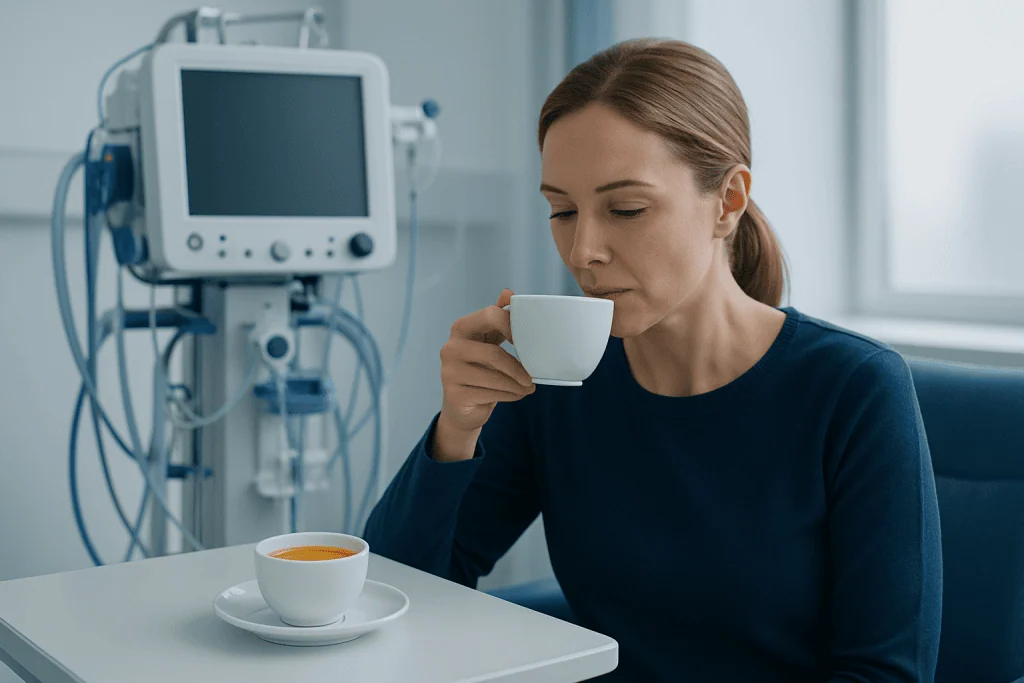
Saffron is among the world’s most valuable culinary spices because harvesting it is labor-intensive. The threads are usually steeped in hot water for several minutes. The resulting drink may be served plain or combined with ingredients such as lemon, cinnamon, ginger, milk, honey, or other teas.
A culinary tea generally uses a small pinch of threads rather than a large quantity of saffron powder. The tea’s color does not indicate that it contains a predictable dose of active compounds. Products sold as saffron tea bags, blends, extracts, capsules, and drops can differ substantially in ingredients and strength.
Choosing products from reputable sellers matters. Saffron may be adulterated with other plant materials or colorants, and supplements are not always equivalent to food-grade spice. People should check the full ingredient list, particularly if they have food allergies or are avoiding caffeine, added sugar, or herbal blends that may interact with medicines.
What does medical research say about possible benefits?

Saffron contains compounds including crocin, crocetin, picrocrocin, and safranal. These substances have been studied in laboratory and small human studies for antioxidant and anti-inflammatory activity. Laboratory findings are useful for generating research questions, but they do not prove that drinking a tea will prevent or treat disease in people.
Several small clinical trials have examined saffron supplements for mild to moderate depressive symptoms and for premenstrual symptoms. Results are promising in some studies, but the studies are not sufficient to establish saffron tea as a replacement for psychological care, prescribed medication, or clinician-guided treatment. Depression and persistent low mood deserve assessment because effective treatments are available.
Research has also explored saffron for appetite, sleep, memory, eye conditions, and sexual function. The evidence remains mixed, limited, or based on supplements rather than tea. A person considering saffron for a specific symptom should discuss it with a doctor instead of relying on a beverage that may provide an uncertain amount of the spice.
It is also important to distinguish symptom support from disease treatment. For example, changes in mood, appetite, fatigue, or menstrual discomfort can have many causes. Addressing the underlying cause is more valuable than masking symptoms with a supplement or herbal drink.
Safety, side effects and medicine interactions
In food amounts, saffron is generally well tolerated. Some people may experience nausea, stomach upset, dizziness, headache, dry mouth, or allergic symptoms. Stop using the product and seek prompt medical advice for signs of a serious allergic reaction, such as swelling of the lips or tongue, breathing difficulty, or widespread hives.
Higher quantities and concentrated extracts carry more risk than ordinary culinary use. Excessive saffron intake can be toxic. For this reason, people should not take large amounts of saffron, combine multiple saffron-containing products, or assume that “natural” means risk-free.
Saffron may affect blood pressure, blood sugar, mood, or blood clotting in some circumstances. Caution is sensible for people using antidepressants, sedatives, blood-thinning or antiplatelet medicines, blood pressure medicines, diabetes medicines, or multiple supplements. A pharmacist or prescribing clinician can review possible interactions based on the individual’s medicines and health history.
People with a known allergy to saffron or related plants should avoid it. Anyone who develops persistent gastrointestinal symptoms, palpitations, rash, or a marked change in mood after taking a saffron product should stop it and consult a healthcare professional.
Pregnancy, breastfeeding and special considerations
Pregnant people should avoid using saffron in medicinal or supplement quantities unless a qualified clinician specifically recommends it. Although culinary amounts used in foods may be different from concentrated preparations, safety can depend on the amount and product type. Saffron should not be used to attempt to start labor, end a pregnancy, or manage pregnancy symptoms without medical supervision.
There is limited reliable information about regular saffron tea or supplements during breastfeeding. A breastfeeding person should speak with their obstetrician, family doctor, or pediatric clinician before using it regularly, especially if the infant is premature or has a medical condition.
Children, older adults with multiple health conditions, and people with liver or kidney disease should also avoid self-prescribing concentrated herbal products. Their bodies may handle medicines and supplements differently, and the risks of interactions can be greater.
Anyone receiving care for anxiety, depression, bipolar disorder, or another mental health condition should not change medication or delay treatment because of saffron tea. Persistent mood symptoms may benefit from a structured assessment and evidence-based care.
How to enjoy saffron tea sensibly
For someone who enjoys its taste, saffron tea can fit within a balanced routine. Use a small culinary amount of genuine saffron threads, prepare it as directed on a reliable product label, and avoid treating it as a daily medicinal dose. Adding large amounts of sugar or syrup may reduce the value of choosing a simple unsweetened drink.
It may help to keep expectations realistic. A warm drink can contribute to hydration and create a calming ritual, but it does not “cleanse” the liver or remove toxins. The liver and kidneys normally process waste products, while healthy habits such as adequate sleep, varied nutrition, movement, and limiting alcohol support overall wellbeing.
People seeking help with sleep, stress, low mood, or appetite can start by noting the pattern, duration, triggers, and effects on daily life. This information helps a clinician identify whether lifestyle strategies, screening tests, counseling, medication, or other treatment may be appropriate.
When a medical condition is contributing to symptoms, it is best to address that condition directly. For example, persistent digestive complaints may need evaluation for irritable bowel syndrome or another cause rather than repeated use of herbal remedies.
When to seek medical care
Medical advice is appropriate before regular saffron use for people who are pregnant or breastfeeding, take prescription medicines, have a chronic medical condition, or plan to use a concentrated extract. A clinician can help determine whether symptoms need evaluation and whether an herbal product is suitable alongside current treatment.
Seek timely care for low mood, loss of interest, severe anxiety, sleep disruption, or appetite changes that persist for more than a couple of weeks or interfere with work, relationships, or self-care. Urgent mental health support is needed if a person has thoughts of self-harm, feels unable to stay safe, or experiences a mental health crisis.
Urgent assessment is also important for severe abdominal pain, fainting, chest pain, trouble breathing, unusual bleeding, or symptoms of a serious allergic reaction. These symptoms should not be managed with tea or supplements.
Acibadem International’s multidisciplinary specialists and JCI-accredited hospitals can assess symptoms and provide appropriate care for international patients when needed.
Frequently asked questions
Is drinking saffron tea good for health?
Saffron tea can be an enjoyable beverage and is generally safe in modest culinary amounts for many adults. Evidence does not show that it can prevent or cure disease, and research on saffron supplements does not necessarily apply to tea.
Can saffron tea help with anxiety or depression?
Some small studies of standardized saffron supplements suggest potential effects on depressive symptoms, but more research is needed. Saffron tea should not replace professional mental health care, counseling, or prescribed medication.
Can saffron tea help with weight loss?
There is no reliable evidence that drinking saffron tea alone causes meaningful or sustained weight loss. Weight changes are best addressed with an individualized plan that considers nutrition, activity, sleep, medicines, and possible medical causes.
Is saffron tea safe during pregnancy?
Culinary use in food differs from taking large quantities or concentrated products, but medicinal use of saffron is not advised during pregnancy without clinician guidance. Pregnant people should discuss any regular herbal tea or supplement use with their maternity care professional.
How often can a person drink saffron tea?
There is no medically established schedule for saffron tea because the strength of preparations varies. Occasional use in food-like amounts is different from daily use of a concentrated tea, extract, or supplement; regular use should be discussed with a clinician if there are health conditions or medicines involved.
Does saffron tea interact with medicines?
It may interact with some medicines, particularly those affecting mood, blood clotting, blood pressure, or blood sugar. A pharmacist or doctor should review saffron use for anyone taking regular prescription or nonprescription medicines.
References
- National Center for Complementary and Integrative Health
- National Institutes of Health Office of Dietary Supplements
- U.S. Food and Drug Administration
- World Health Organization
This article is for general information only and is not a substitute for professional medical advice. Please consult a qualified doctor about your individual situation.
Medical weight-loss options in Turkey — costs & eligibility
JCI-accredited · board-certified surgeons · reply within 24h
Add us as a Preferred Source to see more of our trusted health content across Google Search, AI Overviews and Discover.
Check your numbers in seconds
BMI, calories, due date, blood pressure and 30+ more clinical calculators — free, instant, doctor-reviewed ranges.