

Pulmonary Disease
Pulmonary disease care evaluates and treats conditions affecting the lungs and breathing, such as asthma, COPD, infections, and chronic cough, with specialist-led diagnosis and personalized management.
Quick answer
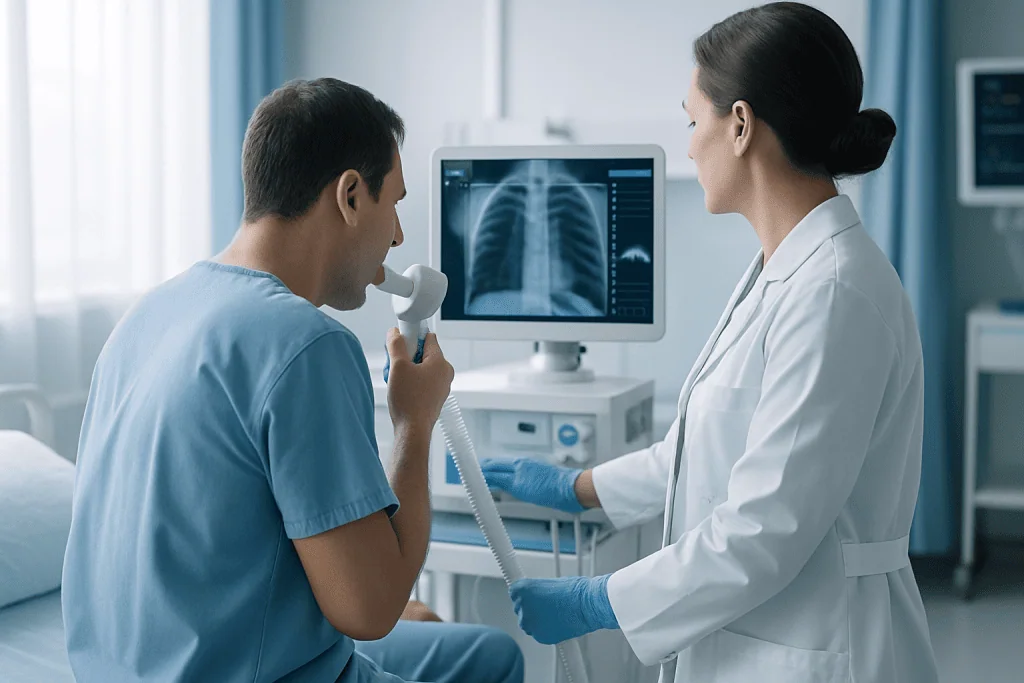
Pulmonary disease care focuses on diagnosing and treating conditions that affect the lungs and breathing, including asthma, COPD, infections, and chronic cough. At Acibadem in Turkey, evaluation is led by pulmonary specialists and may include breathing tests, imaging, and laboratory assessment to guide personalized treatment such as medication, inhaled therapies, respiratory support, and follow-up care.
When Breathing Becomes a Daily Concern
Breathing is usually automatic. When it becomes difficult, noisy, painful, unpredictable, or persistently interrupted by cough, it can affect every part of life. Many people with pulmonary disease describe the same worries: “Why am I short of breath?”, “Is this asthma, COPD, an infection, or something more serious?”, “Will I be able to travel, work, sleep, exercise, or care for my family?” For international patients, these concerns may be heightened by the challenge of seeking medical care away from home and trying to understand a diagnosis across languages and health systems.
Pulmonary disease care focuses on identifying and treating conditions that affect the lungs, airways, breathing muscles, oxygen exchange, and, in some cases, the blood vessels of the lungs. These conditions may be short-term and treatable, such as pneumonia or bronchitis, or long-term and requiring careful management, such as asthma, chronic obstructive pulmonary disease, interstitial lung disease, bronchiectasis, sleep-related breathing disorders, or chronic cough. Some patients come for a first diagnosis; others seek a second opinion because symptoms continue despite treatment.
Timely evaluation matters because respiratory symptoms can have many causes, and similar symptoms may require very different treatments. A cough that persists for weeks may be related to asthma, reflux, infection, allergy, medication, postnasal drip, bronchiectasis, or rarely a tumor. Shortness of breath may come from the lungs, the heart, anemia, deconditioning, blood clots, anxiety, or several conditions together. Specialist-led pulmonary care helps separate these possibilities with a structured diagnostic pathway and a treatment plan tailored to the patient’s condition, lifestyle, medical history, and goals.
At Acibadem, pulmonary disease care is delivered within a hospital environment where respiratory specialists can collaborate with radiology, cardiology, infectious diseases, thoracic surgery, oncology, intensive care, allergy and immunology, sleep medicine, rehabilitation, and other specialties when needed. For patients traveling from abroad, this coordinated approach is especially important: it can reduce uncertainty, help organize testing efficiently, and provide a clearer plan for continuing care after returning home.
What Pulmonary Disease Care Is
Pulmonary disease care is the medical evaluation, diagnosis, treatment, monitoring, and prevention of diseases involving the respiratory system. It is not a single procedure. It is a specialist-led process that may include consultation, lung function testing, advanced imaging, laboratory evaluation, bronchoscopy when necessary, sleep testing, medication planning, oxygen assessment, pulmonary rehabilitation, infection management, and long-term follow-up.
The respiratory system includes the nose and upper airway, windpipe, bronchi, smaller airways, air sacs of the lungs, pleura surrounding the lungs, respiratory muscles, and the blood vessels that carry blood through the lungs for oxygenation. Pulmonary disease care considers how these parts work together. It also looks beyond the lungs because breathing symptoms often overlap with heart disease, immune disorders, reflux disease, occupational exposure, smoking history, allergies, obesity, neuromuscular disease, and prior infections.
The first goal is an accurate diagnosis. This may involve determining whether the main problem is airway narrowing, inflammation, infection, scarring, fluid, a mass, a clot, reduced oxygen transfer, or sleep-related airway collapse. The second goal is to treat the underlying condition and improve symptoms safely. For some patients, that means inhaler therapy and trigger control. For others, it may involve antibiotics, antiviral or antifungal treatment, immunologic evaluation, anticoagulation, oxygen support, bronchoscopy, interventional procedures, rehabilitation, or referral to thoracic surgery or oncology.
A high-quality pulmonary care plan is individualized. A patient with asthma who travels frequently needs a different strategy from a patient with COPD and low oxygen levels. A person with recurrent pneumonia requires a different evaluation than someone with long COVID symptoms, unexplained wheeze, or suspected sleep apnea. The plan should also be practical: medicines must be correctly prescribed, inhalers must be used properly, follow-up should be realistic, and warning signs should be clearly explained.
Who May Need Pulmonary Disease Evaluation
You may need pulmonary evaluation if you have symptoms that are persistent, recurrent, unexplained, worsening, or affecting daily activities. Common reasons include shortness of breath, chronic cough, wheezing, chest tightness, repeated respiratory infections, coughing up blood, reduced exercise tolerance, abnormal chest imaging, low oxygen saturation, snoring with pauses in breathing, or fatigue related to poor sleep. Some patients are referred after an emergency visit, a hospitalization, an abnormal chest X-ray or CT scan, or a workplace health screening.
Typical symptoms can be subtle at first. A patient may notice that climbing stairs takes longer, that colds “go to the chest,” that a cough lingers for months, or that nighttime breathing is disturbed. Others experience acute symptoms such as fever, chest pain, sudden breathlessness, or coughing blood. In chronic pulmonary disease, symptoms may fluctuate. Patients with asthma may feel well between attacks. People with COPD may worsen during respiratory infections or exposure to air pollution. Patients with interstitial lung disease may have a slow increase in breathlessness over months or years.
Diagnosis usually begins with a detailed medical history and physical examination. Your pulmonologist will ask about smoking or vaping, occupational and environmental exposures, allergies, childhood respiratory illness, infections, medications, travel, family history, autoimmune symptoms, sleep quality, exercise capacity, and previous imaging or test results. If you have already been treated elsewhere, bringing reports, images, medication lists, and discharge summaries can help the team avoid unnecessary repetition and focus on unresolved questions.
Testing is selected according to the likely causes. Lung function tests may measure airflow, lung volume, and the ability of the lungs to transfer oxygen into the blood. Imaging may include chest X-ray, computed tomography, or specialized CT protocols when detailed lung structure is important. Blood tests may assess infection, inflammation, allergy, immune function, oxygen and carbon dioxide levels, or autoimmune markers. Sputum analysis may identify bacteria, tuberculosis, fungi, or inflammatory patterns. Sleep testing may be recommended when symptoms suggest obstructive sleep apnea or other sleep-related breathing disorders.
In some cases, bronchoscopy is used to examine the airways directly, collect samples, remove secretions, evaluate bleeding, or assess suspicious findings on imaging. For patients with complex nodules, persistent infection, unexplained lung infiltrates, or airway obstruction, bronchoscopy can provide information that imaging alone cannot. When cancer is suspected, the pulmonary team may work with thoracic surgery, radiology, pathology, nuclear medicine, and oncology through specialist boards to plan diagnosis and treatment using evidence-based protocols.
Conditions and Indications Addressed
Pulmonary disease care covers a broad range of respiratory conditions. Some are common and manageable with outpatient care. Others require urgent evaluation, advanced diagnostics, or multidisciplinary treatment. The key is to match the level of care to the seriousness of the condition and to the patient’s overall health.
Asthma is a chronic inflammatory airway condition that can cause wheezing, cough, chest tightness, and breathlessness. Symptoms may be triggered by exercise, infection, allergens, cold air, smoke, workplace exposures, or stress. Care may include confirming the diagnosis, assessing severity, identifying triggers, optimizing inhaler therapy, and reducing the risk of severe attacks.
Chronic obstructive pulmonary disease, often called COPD, includes chronic bronchitis and emphysema. It is commonly linked to smoking, but may also relate to environmental exposure or genetic factors. Treatment focuses on symptom control, prevention of flare-ups, vaccination, pulmonary rehabilitation, medication optimization, oxygen assessment, and management of associated heart or metabolic conditions.
Respiratory infections include pneumonia, bronchitis, influenza-related complications, tuberculosis, fungal infections, and infections in immunocompromised patients. Evaluation may involve imaging, microbiology tests, blood work, and sometimes bronchoscopy. Correct identification of the organism is important because treatment differs for bacterial, viral, fungal, and mycobacterial disease.
Chronic cough is usually defined as a cough lasting more than eight weeks in adults. It may result from asthma, upper airway cough syndrome, reflux, medication side effects, chronic infection, bronchiectasis, airway sensitivity, smoking-related disease, or less common conditions. A structured approach helps avoid repeated empirical treatments that do not address the cause.
Interstitial lung diseases are a group of conditions that involve inflammation or scarring of the lung tissue. They may be related to autoimmune disease, occupational exposures, medication reactions, prior radiation, or unknown causes. Diagnosis may require detailed imaging, lung function testing, laboratory evaluation, and review by specialists familiar with these complex disorders.
Bronchiectasis occurs when the airways become abnormally widened, making it harder to clear mucus and increasing the risk of recurrent infections. Treatment may include airway clearance strategies, infection control, inhaled therapies, vaccination, and evaluation for underlying immune or inflammatory causes.
Pulmonary nodules and suspected lung cancer require careful assessment of imaging characteristics, risk factors, and the safest method of obtaining a diagnosis when needed. Not every lung nodule is cancer. However, appropriate follow-up and multidisciplinary review are important to avoid both over-treatment and delayed diagnosis.
Sleep-related breathing disorders, especially obstructive sleep apnea, may cause loud snoring, witnessed pauses in breathing, morning headaches, daytime sleepiness, high blood pressure, and concentration problems. Pulmonary and sleep specialists can evaluate breathing during sleep and recommend treatment such as positive airway pressure therapy, lifestyle measures, or other interventions depending on the cause.
Pulmonary vascular conditions, including pulmonary embolism and pulmonary hypertension, can cause shortness of breath, chest discomfort, fainting, leg swelling, or low oxygen levels. These conditions may require urgent diagnosis and collaboration with cardiology, radiology, hematology, and intensive care teams.
Post-infection and post-COVID respiratory symptoms may include persistent cough, breathlessness, fatigue, chest tightness, or abnormal imaging after an acute illness. Care focuses on identifying ongoing inflammation, scarring, airway reactivity, clotting complications, deconditioning, or unrelated conditions that became apparent after infection.
How Pulmonary Disease Care Is Performed
Pulmonary care is performed as a step-by-step clinical pathway rather than a single visit or test. The sequence depends on your symptoms, urgency, previous results, and whether you are being evaluated as an outpatient or admitted to the hospital. For international patients, the process often begins before travel, with medical records reviewed so that appointments and tests can be planned efficiently.
Preparation Before Your Visit
Before your consultation, you may be asked to provide previous chest X-rays, CT scans, pulmonary function test results, bronchoscopy reports, laboratory results, medication lists, allergy information, and hospital discharge summaries. If you use inhalers, oxygen, a nebulizer, or a sleep apnea device, details about the type, dose, frequency, and settings are helpful. Patients with chronic symptoms should note when symptoms began, what makes them better or worse, and whether they occur during exercise, sleep, meals, travel, or exposure to dust, animals, mold, perfume, smoke, or cold air.
If lung function testing is planned, your care team may give instructions about whether to pause certain inhalers before the test. Do not stop prescribed medication unless specifically instructed. If bronchoscopy or another procedure is being considered, you may need blood tests, fasting instructions, medication review, and guidance about blood thinners or diabetes medications. For patients traveling internationally, the team may also consider flight fitness, oxygen needs during travel, and infection precautions.
The Specialist Consultation
The pulmonologist will review your symptoms in detail and perform a physical examination. This may include listening to the lungs and heart, checking oxygen saturation, assessing breathing pattern, and looking for signs such as wheezing, crackles, swelling, clubbing of the fingers, or features of autoimmune disease. The physician will then decide which tests are needed and in what order. Good pulmonary care avoids unnecessary testing, but it also recognizes when early advanced evaluation is appropriate.
Diagnostic Testing and Technology
Modern pulmonary diagnosis uses several types of technology, each answering a different clinical question. Pulmonary function testing evaluates how well air moves in and out of the lungs, how much air the lungs can hold, and how effectively oxygen passes into the bloodstream. These tests can help distinguish asthma, COPD, restrictive lung disease, and gas exchange problems.
Imaging provides structural information. Chest X-rays can identify many infections, fluid collections, lung collapse, and larger abnormalities. Computed tomography offers more detailed views of the lung tissue, airways, pleura, and blood vessels. Specialized imaging protocols may be used when evaluating interstitial lung disease, pulmonary embolism, lung nodules, or complex infection. Radiologists and pulmonologists interpret imaging in the context of symptoms and test results, because images alone rarely tell the complete story.
Laboratory and microbiology testing can identify infection, inflammation, immune deficiency, allergy patterns, blood oxygen and carbon dioxide levels, clotting risks, or autoimmune disease. In selected cases, sputum samples, airway samples, or tissue biopsies may be needed. Pathology review is especially important when inflammation, infection, or malignancy must be differentiated.
Bronchoscopy uses a thin flexible camera passed through the nose or mouth into the airways, usually with sedation and careful monitoring. It may be used to inspect the airways, obtain samples, wash a small area of the lung for analysis, remove mucus plugs, evaluate bleeding, or assist in diagnosing lung nodules or enlarged lymph nodes. Some interventional bronchoscopic techniques can also help manage airway narrowing or selected lesions. The specific method is chosen based on safety, diagnostic value, and the patient’s overall condition.
Sleep testing monitors breathing, oxygen levels, heart rate, airflow, body position, and sleep-related events. It can be performed in a sleep laboratory or, for selected patients, through home-based testing. The results guide treatment for sleep apnea and other breathing disorders during sleep.
Treatment Planning
Once the diagnosis is clearer, your pulmonologist will discuss a treatment plan. For airway diseases, this may include inhaled medications, anti-inflammatory therapy, bronchodilators, trigger avoidance, allergy management, and education on proper inhaler technique. For infections, treatment may involve targeted antimicrobial therapy and follow-up imaging or cultures when appropriate. For COPD or chronic respiratory limitation, pulmonary rehabilitation and exercise conditioning may be important parts of care.
Patients with low oxygen levels may undergo oxygen assessment at rest, during walking, and sometimes during sleep. If oxygen therapy is needed, the team will explain when to use it, how it is monitored, and what to consider during travel. Patients with sleep apnea may receive positive airway pressure therapy and follow-up adjustment to improve comfort and effectiveness.
For complex diseases, decisions may be reviewed in multidisciplinary boards or specialist meetings. A patient with suspected lung cancer may need coordinated evaluation by pulmonology, thoracic surgery, medical oncology, radiation oncology, radiology, nuclear medicine, and pathology. A patient with interstitial lung disease may require input from rheumatology, radiology, pathology, and rehabilitation. This collaborative review helps align treatment with international clinical standards and the patient’s personal priorities.
Typical Duration and Recovery
The duration of pulmonary evaluation varies. A straightforward consultation with basic testing may be completed within a short outpatient timeframe. More complex cases may require several days of coordinated investigations, especially if advanced imaging, sleep testing, bronchoscopy, infectious disease evaluation, or multidisciplinary review is needed. Hospitalized patients with severe infection, respiratory failure, pulmonary embolism, or major COPD or asthma flare-ups may need more intensive monitoring and treatment.
Recovery depends on the condition being treated. Pneumonia may improve over days to weeks, although fatigue and cough can last longer. Asthma symptoms may improve quickly once the right medication and trigger plan are in place, but long-term control requires monitoring. COPD treatment aims to reduce symptoms and flare-ups; improvement is often gradual and supported by rehabilitation and lifestyle changes. After bronchoscopy, many patients return to usual light activities within a short period, but instructions vary depending on sedation, biopsy, and findings.
Why Acting Early Matters
Respiratory symptoms are sometimes minimized until they interfere with daily life. However, delaying pulmonary evaluation can allow treatable conditions to worsen. Uncontrolled asthma may lead to severe attacks, emergency visits, and progressive limitation. COPD flare-ups can accelerate functional decline and increase the risk of hospitalization. Pneumonia that is not properly treated can spread, cause fluid around the lung, or lead to respiratory failure, particularly in older adults or people with chronic disease.
Early evaluation is also important when symptoms could reflect serious disease. Coughing blood, unexplained weight loss, persistent fever, chest pain, low oxygen saturation, sudden shortness of breath, or a new abnormal imaging finding should be assessed promptly. Pulmonary embolism, tuberculosis, severe pneumonia, lung cancer, and rapidly progressive inflammatory lung disease require timely diagnosis and treatment. Waiting may reduce treatment options or make recovery more difficult.
For chronic disease, early care can preserve function. Patients who learn correct inhaler technique, receive vaccinations, stop smoking with support, treat sleep apnea, begin pulmonary rehabilitation, and understand warning signs often manage their condition more safely. Early planning is particularly valuable for international patients because it allows medical records, travel timing, medication supply, and follow-up arrangements to be organized before symptoms become urgent.
Benefits of Pulmonary Disease Treatment
The benefits of pulmonary disease care depend on the diagnosis, but the overall aim is to improve breathing, reduce risk, and give patients a clear plan for managing their respiratory health.
| Benefit | What It Means for You |
|---|---|
| Accurate diagnosis | Testing helps identify whether symptoms are caused by asthma, COPD, infection, scarring, sleep apnea, vascular disease, or another condition, so treatment can be more precisely directed. |
| Improved symptom control | Medication adjustment, inhaler education, airway clearance, rehabilitation, or oxygen assessment may reduce breathlessness, cough, wheeze, and activity limitation. |
| Reduced risk of flare-ups | A prevention plan may include vaccinations, trigger control, smoking cessation support, early action plans, and follow-up for patients at risk of recurrent attacks or infections. |
| Earlier recognition of serious disease | Prompt evaluation of abnormal imaging, coughing blood, unexplained weight loss, or low oxygen can lead to faster referral for advanced diagnostics or multidisciplinary treatment. |
| Better long-term self-management | Patients receive practical guidance on medications, warning signs, travel precautions, exercise, sleep, and when to seek urgent care. |
Recovery and Follow-Up Timeline
Because pulmonary disease includes many different conditions, the timeline below describes what many patients can generally expect during evaluation and early treatment, while recognizing that individual plans vary.
| Time Period | What Patients Can Expect |
|---|---|
| Day 1 | Initial consultation, examination, oxygen assessment, review of prior records, and planning of tests such as lung function studies, imaging, laboratory tests, or sputum analysis. |
| First Week | Completion of key diagnostic tests when needed, treatment adjustment, inhaler or medication education, and discussion of whether bronchoscopy, sleep testing, or specialist input is appropriate. |
| First Month | Symptom response is reviewed. The care plan may be refined based on test results, culture findings, imaging changes, lung function data, or tolerance of medications. |
| Longer Term | Patients with chronic disease may need periodic follow-up, vaccination review, pulmonary rehabilitation, oxygen reassessment, sleep therapy monitoring, or surveillance imaging depending on the diagnosis. |
What Influences Outcomes and a Good Result
Outcomes in pulmonary disease care depend on several factors, including the underlying diagnosis, severity at presentation, age, general health, smoking history, immune status, occupational exposures, medication adherence, and whether other conditions such as heart disease, diabetes, obesity, reflux, or autoimmune disease are present. Some lung conditions are reversible or highly controllable. Others are chronic and require long-term management to slow progression, prevent complications, and maintain quality of life.
Accurate diagnosis is one of the most important factors. Treating breathlessness without knowing the cause can lead to incomplete results. For example, a patient thought to have asthma may actually have vocal cord dysfunction, reflux-related cough, heart disease, bronchiectasis, or medication-related symptoms. A patient treated repeatedly for pneumonia may need evaluation for aspiration, immune deficiency, airway obstruction, or an underlying structural lung disease. The more precise the diagnosis, the more rational the treatment plan becomes.
Medication technique and adherence also strongly influence results. Inhalers are effective only when used correctly and consistently. Many patients who remain symptomatic are not receiving the full benefit of therapy because the inhaler type, dose, timing, or technique is not well matched to their needs. Education, demonstration, and follow-up can make a meaningful difference.
Lifestyle and exposure control matter as well. Smoking cessation is one of the most important steps for patients with COPD, chronic bronchitis, emphysema, lung nodules, recurrent infections, or reduced lung function. Avoiding occupational dust, fumes, mold, air pollution, and known allergens may reduce symptoms in selected patients. Exercise conditioning and pulmonary rehabilitation can improve endurance, confidence, and breathing efficiency, particularly after hospitalization or in chronic lung disease.
Vaccination and infection prevention are important for many pulmonary patients. Influenza, pneumococcal disease, COVID-19, and other infections can cause serious complications in vulnerable individuals. Your physician will recommend vaccinations based on age, diagnosis, immune status, and current medical guidance.
For complex or serious disease, outcomes are influenced by timely referral and multidisciplinary planning. Patients with suspected malignancy, interstitial lung disease, pulmonary hypertension, recurrent pulmonary embolism, severe sleep apnea, or advanced COPD may benefit from coordinated assessment across specialties. A good result is not always defined as cure; for chronic disease, it may mean fewer exacerbations, better exercise tolerance, improved sleep, stable imaging, safer oxygen levels, and a clear plan for the future.
Why International Patients Choose Acibadem for Pulmonary Disease Care
International patients often seek pulmonary care abroad when they need a clearer diagnosis, access to coordinated testing, a second opinion, or treatment planning within a hospital system that can manage both routine and complex respiratory conditions. At Acibadem, pulmonary disease care is supported by JCI-accredited hospitals, experienced physicians, and diagnostic pathways designed to bring together the right specialists for the patient’s condition.
For patients traveling from the United States, Europe, the Middle East, Africa, or other regions, organization is a significant part of care. Acibadem International provides dedicated services for international patients in more than 20 languages, including assistance with appointments, medical record transfer, interpretation, hospital coordination, and follow-up planning. This support helps patients and families navigate the practical details of receiving medical care in Turkey while staying focused on the clinical decision at hand.
The pulmonary team works within a multidisciplinary hospital environment. If symptoms suggest a heart-related cause, cardiology can be involved. If infection is complex, infectious disease specialists and microbiology laboratories can support diagnosis and treatment. If imaging shows a suspicious nodule or mass, radiology, pathology, thoracic surgery, nuclear medicine, medical oncology, and radiation oncology may review the case together. If sleep apnea, allergy, autoimmune disease, or rehabilitation needs are present, the relevant specialties can be included in the care plan.
Advanced diagnostic technology is used to help answer specific clinical questions. Lung function laboratories assess airflow, lung volumes, and gas transfer. Imaging systems provide detailed views of the lungs and chest structures. Bronchoscopy allows direct airway evaluation and sampling when needed. Sleep testing helps identify breathing disorders during sleep. Laboratory and pathology services support infection, inflammation, immune, and tissue diagnosis. The value of this technology lies not only in the equipment itself, but in how results are interpreted by experienced clinicians and integrated into a treatment plan.
Care is personalized rather than formulaic. A young adult with exercise-induced wheeze, an older patient with COPD and heart disease, a person with recurrent pneumonia, and an executive with chronic cough before international travel all require different approaches. Treatment plans may include medication optimization, inhaler training, pulmonary rehabilitation, sleep therapy, oxygen planning, infection treatment, lifestyle counseling, surveillance imaging, or referral for a procedure. For patients returning home after evaluation, the team can provide reports and recommendations that support continuity with local physicians.
Second opinions are also an important part of international pulmonary care. Patients may come with an uncertain diagnosis, conflicting recommendations, persistent symptoms, or concern about a proposed invasive procedure. A second opinion can confirm a plan, suggest additional testing, or identify a less invasive option when appropriate. It can also help patients understand the expected course of disease, warning signs, and realistic goals of treatment.
Acibadem’s approach is grounded in evidence-based medicine and coordinated clinical judgment. The aim is not to perform every available test, but to select the tests and treatments that are most relevant to the patient’s symptoms and risks. This is especially important in pulmonary disease, where over-testing can create confusion and under-testing can miss important diagnoses. A balanced, specialist-led process helps patients make informed decisions.
Taking the Next Step
If you are living with persistent cough, shortness of breath, wheezing, recurrent infections, abnormal chest imaging, low oxygen levels, or sleep-related breathing concerns, a pulmonary evaluation can help clarify what is happening and what can be done. Some conditions require urgent treatment; others benefit from careful long-term management. In both situations, a clear diagnosis and a practical plan can make the path forward easier to understand.
For international patients, the first step is often a consultation or second opinion based on your medical history and existing test results. Sharing prior imaging, reports, medication lists, and hospital records allows the pulmonary team to recommend the most appropriate next steps and estimate how your evaluation may be organized if travel is needed.
Acibadem’s pulmonary disease care brings together respiratory specialists, modern diagnostics, multidisciplinary collaboration, and international patient support to help patients receive thoughtful evaluation and individualized treatment planning. If you are considering care in Turkey, you may request a consultation or second opinion to better understand your diagnosis, treatment options, and follow-up needs.
This information is general and is not a substitute for professional medical advice. Diagnosis and treatment decisions should always be made with a qualified physician who can evaluate your individual medical condition.
Preparation
- Bring previous chest X-rays, CT scans, pulmonary function test results, and a list of current medications. Tell your doctor about smoking history, allergies, recent infections, and breathing symptoms. You may be asked to avoid inhalers or certain medicines before specific lung function tests.
Aftercare
- Follow the medication, inhaler, oxygen, rehabilitation, or lifestyle plan recommended by your pulmonologist. Avoid smoking and respiratory irritants, and attend scheduled follow-up visits to monitor lung function. Seek urgent care if breathing suddenly worsens, chest pain occurs, or lips or fingers turn blue.
Turkey vs UK, Germany & USA
Pulmonary disease care costs and patient experience vary according to the diagnosis, testing needs, treatment plan, and how care is coordinated. International patients often compare access, package scope, specialist expertise, accreditation, and travel support before choosing where to be evaluated.
The comparison below focuses on factors that commonly influence the overall cost and experience of pulmonary disease evaluation and treatment.
| Factor | Turkey | UK | Germany | USA |
|---|---|---|---|---|
| Price drivers | Often package-based for international patients; final cost depends on consultations, tests, imaging, procedures, and medication needs. | Private care costs vary by clinic and hospital; public pathways depend on referral and eligibility rules. | Costs are influenced by regulated medical fees, hospital category, diagnostics, and whether care is public or private. | Costs can vary widely by hospital, physician group, insurance status, diagnostics, and facility fees. |
| Hospital and specialist factors | Care may be coordinated through pulmonologists, radiology, infectious disease, intensive care, and rehabilitation teams in large hospital groups. | Access may involve general practitioner referral, respiratory specialists, and hospital-based diagnostic services. | Respiratory care is commonly delivered through specialist clinics and hospital departments with structured diagnostic pathways. | Care may be delivered through academic centers, private hospitals, outpatient pulmonary clinics, and specialist networks. |
| Accreditation and quality | International patients may choose JCI-accredited hospitals with multilingual coordination and documented clinical protocols. | Quality oversight depends on public or private provider standards, professional regulation, and hospital governance. | Quality is supported by national healthcare regulation, specialist certification, and hospital quality systems. | Quality indicators vary by institution, accreditation body, specialist credentials, and care network. |
| Typical waiting times | Private international pathways may allow coordinated scheduling for consultation and diagnostics, depending on urgency and availability. | Waiting time may be longer in public pathways; private appointments may be faster depending on availability. | Waiting times vary by region, specialist availability, and whether care is public or private. | Access can be rapid in private settings but depends on insurance authorization, provider availability, and diagnostic scheduling. |
| Travel and language logistics | International patient services may assist with appointment planning, interpretation, airport transfers, and accommodation guidance. | Travel support is usually arranged independently unless using a private international patient office. | International services may be available in larger hospitals, though language and travel arrangements vary. | International patient departments are available in some major centers; travel and insurance coordination can be complex. |
| What a package may include | Initial pulmonology consultation, selected tests, imaging coordination, treatment planning, interpreter support, and follow-up guidance may be bundled. | Private packages may cover consultation and selected diagnostics, with additional tests or procedures billed separately. | Packages are less uniform; billing may be itemized according to consultation, diagnostics, and hospital services. | Packages vary significantly; many services may be billed separately by hospital, physician, laboratory, and imaging providers. |
What affects your final cost
- The suspected or confirmed lung condition, such as asthma, COPD, infection, chronic cough, or interstitial lung disease.
- The need for pulmonary function testing, laboratory tests, allergy assessment, sputum studies, or advanced imaging.
- Whether care is outpatient-based or requires hospital admission, monitoring, oxygen support, or urgent treatment.
- The need for procedures such as bronchoscopy, biopsy, drainage, or sleep-related breathing assessment.
- Medication requirements, including inhalers, antibiotics, anti-inflammatory therapy, biologic treatment, or long-term oxygen planning.
- Rehabilitation, smoking cessation support, lifestyle counseling, and follow-up care needs.
- Interpreter support, travel planning, accommodation, and coordination for international patients.
Compare your options
Pulmonary disease care is individualized, and suitability for each option is decided by a respiratory specialist after reviewing symptoms, test results, medical history, and risk factors.
| Option | What it is | Typical use | Key considerations |
|---|---|---|---|
| Specialist consultation and diagnostic planning | Assessment by a pulmonologist, including medical history, examination, and review of prior records. | Used for chronic cough, breathlessness, wheezing, recurrent infections, abnormal imaging, or known lung disease. | The specialist decides which tests are necessary and whether urgent care or multidisciplinary input is needed. |
| Pulmonary function testing | Breathing tests that measure airflow, lung volume, and gas transfer. | Commonly used for asthma, COPD, restrictive lung disease, unexplained breathlessness, and pre-treatment assessment. | Results help guide diagnosis and treatment, but interpretation depends on symptoms, imaging, and clinical context. |
| Imaging and laboratory evaluation | Chest imaging and blood or microbiology tests used to assess inflammation, infection, allergy, or structural lung changes. | Used when infection, lung nodules, fibrosis, embolic disease, or other chest conditions are suspected. | Test selection depends on clinical suspicion; additional specialist review may be required for complex findings. |
| Medical management | Personalized treatment with inhalers, tablets, antibiotics, anti-inflammatory medicines, or other therapies. | Used for asthma, COPD, infections, chronic cough syndromes, allergic airway disease, and inflammatory lung disorders. | Medication choice depends on diagnosis, severity, side effects, other conditions, and response to treatment. |
| Bronchoscopy and interventional procedures | Endoscopic examination of the airways, sometimes with sampling, biopsy, or therapeutic intervention. | Used for unexplained bleeding, persistent infection, airway obstruction, suspected tumor, or abnormal imaging findings. | Requires specialist assessment, preparation, and discussion of benefits, risks, sedation, and recovery needs. |
| Pulmonary rehabilitation and long-term follow-up | Supervised breathing, exercise, education, and self-management support, often combined with follow-up monitoring. | Used for COPD, post-infection recovery, chronic breathlessness, and long-term respiratory conditions. | Best results depend on adherence, overall health, smoking status, medication optimization, and realistic goals. |
Trusted care for international patients
General information only — not medical or financial advice. Final costs depend on the factors above and your individual case; request a free, personalised quote.
Guides for This Treatment
Frequently Asked Questions
What affects the cost of pulmonary disease care?
Cost is influenced by the diagnosis, the number and type of tests needed, whether care is outpatient or inpatient, the need for procedures such as bronchoscopy, medication requirements, rehabilitation, and follow-up planning.
How can I get a personalised quote?
You can request a free consultation and share your symptoms, previous test results, imaging reports, medication list, and medical history. A specialist-led review helps define the likely diagnostic plan and provide a personalised quote.
Is pulmonary disease treatment usually a package?
For international patients, some elements may be offered as a coordinated package, such as consultation, selected diagnostics, interpretation, and care planning. Additional tests, procedures, hospital admission, or medicines may change the final cost.
Will I know which tests are needed before I travel?
A preliminary plan may be suggested after reviewing your records, but the final test plan is confirmed by the pulmonologist after clinical assessment. This is important because respiratory symptoms can have several possible causes.
Does accreditation matter when comparing hospitals?
Accreditation such as JCI can indicate that a hospital follows international quality and patient safety standards. It should be considered together with the respiratory team’s experience, diagnostic capability, communication support, and follow-up planning.
Is this information medical or financial advice?
No. This is general educational information. A respiratory specialist should decide suitability for tests and treatment, and a personalised quote is needed to understand the expected cost for your case.