How I Cured My Tinnitus? Here Is What the Evidence Says

Tinnitus is a symptom, not a disease itself, and it can have several different causes. A single permanent cure does not exist for everyone, but many people improve with targeted treatment and sound-based coping strategies.
Key Takeaways
- Tinnitus is a symptom, not a disease itself, and it can have several different causes.
- A single permanent cure does not exist for everyone, but many people improve with targeted treatment and sound-based coping strategies.
- Warning signs such as one-sided tinnitus, pulsating sounds, sudden hearing loss, dizziness, or neurological symptoms should be assessed by a doctor.
- Evaluation usually includes a history, ear examination, hearing tests, and sometimes imaging or blood tests.
- Treatment depends on the cause and may involve wax removal, hearing support, treatment of ear disease, sound therapy, or counseling-based approaches.
Many people search for “how I cured my tinnitus,” but the evidence-based answer is that tinnitus is often managed rather than permanently cured. In many cases it is harmless, especially when brief or linked to noise exposure, but some symptoms deserve prompt medical review because treatment works best when the cause is identified.
Overview: Can Tinnitus Be Cured?
People often ask, “how I cured my tinnitus?” The most accurate medical answer is that tinnitus is sometimes reversible when it is caused by a treatable problem, but in many cases it is managed rather than completely cured. Tinnitus means hearing a sound such as ringing, buzzing, hissing, clicking, or roaring when no outside sound is present.
For many adults, tinnitus is not dangerous and may become less noticeable over time, especially with reassurance, hearing support, and sound-based coping tools. It can follow loud noise exposure, earwax buildup, hearing loss, or certain medications. When the cause is found and treated, symptoms may improve substantially and sometimes disappear.
At the same time, tinnitus should not be dismissed if it is new, persistent, or linked to other symptoms. A careful evaluation helps separate harmless, temporary tinnitus from cases that need further attention. This is why the question is less about a universal cure and more about identifying the specific reason the tinnitus is happening in the first place.
What Tinnitus Can Feel Like
Tinnitus is different from person to person. Some hear a high-pitched ringing, while others describe buzzing, humming, whistling, pulsing, or a rushing sound. It may affect one ear or both ears, come and go, or be present most of the time. Some people notice it most in quiet rooms or at bedtime, when there are fewer outside sounds to mask it.
The loudness of tinnitus does not always match how bothersome it feels. A relatively soft sound may still be distressing if it affects sleep, concentration, mood, or daily activities. For others, the sound is noticeable but manageable. Stress, fatigue, anxiety, caffeine, alcohol, and additional noise exposure can make symptoms more obvious in some people.
Tinnitus itself is a symptom rather than a diagnosis. It can occur with hearing loss, after an ear infection, with jaw tension, or as part of another ear-related problem. In some cases it appears alongside vertigo, ear fullness, or reduced hearing, which can help guide the doctor toward the underlying cause.
Common Causes and Risk Factors

The most common cause of persistent tinnitus is hearing system change, especially age-related or noise-related hearing loss. Repeated exposure to loud music, machinery, firearms, or workplace noise can injure the delicate structures of the inner ear. Tinnitus may also occur after a single very loud event such as a concert or explosion.
Other common causes include earwax blockage, middle ear infection, Eustachian tube problems, and some medicines that may affect hearing in certain people. Problems involving the jaw joint or neck muscles can also contribute. Less commonly, tinnitus may be linked to circulation-related issues, head injury, or disorders affecting the hearing nerve and balance system.
Risk factors include older age, regular loud-noise exposure, smoking, cardiovascular risk factors, stress, and pre-existing hearing loss. Pulsatile tinnitus, which sounds like a heartbeat or rhythmic whooshing, is different from the more common non-pulsatile type and may point to a blood-flow issue that needs specific evaluation.
Because causes vary, one person’s “cure” cannot be assumed to work for everyone. A treatment that helped tinnitus caused by impacted wax, for example, will not address tinnitus due to long-term hearing loss. This is why evidence-based care starts with identifying the cause rather than chasing one-size-fits-all remedies.
Red Flags and When to Seek Medical Care
Although tinnitus is often harmless, some symptoms deserve prompt medical review. A person should seek care urgently if tinnitus starts suddenly along with hearing loss, severe dizziness, facial weakness, intense ear pain, head injury, or new neurological symptoms such as trouble speaking or limb weakness. Sudden hearing changes may require fast treatment to give the best chance of recovery.
Medical assessment is also important if tinnitus affects only one ear, is pulsatile, is steadily worsening, or is accompanied by persistent ear fullness or balance problems. These features do not always mean a serious illness, but they do justify a more careful examination. A clinician may consider ear disease, hearing-nerve conditions, circulation-related causes, or other structural problems.
Even without red flags, a doctor visit is worthwhile if tinnitus lasts more than a few weeks, interferes with sleep or concentration, or causes significant distress. Early support can reduce anxiety and help prevent the symptom from becoming more intrusive in daily life.
How Doctors Diagnose Tinnitus
Diagnosis usually begins with a detailed conversation. The doctor asks what the sound is like, when it started, whether it is in one ear or both, whether it is constant or intermittent, and what makes it better or worse. They also ask about loud-noise exposure, recent infections, medications, jaw symptoms, headaches, balance symptoms, and hearing changes.
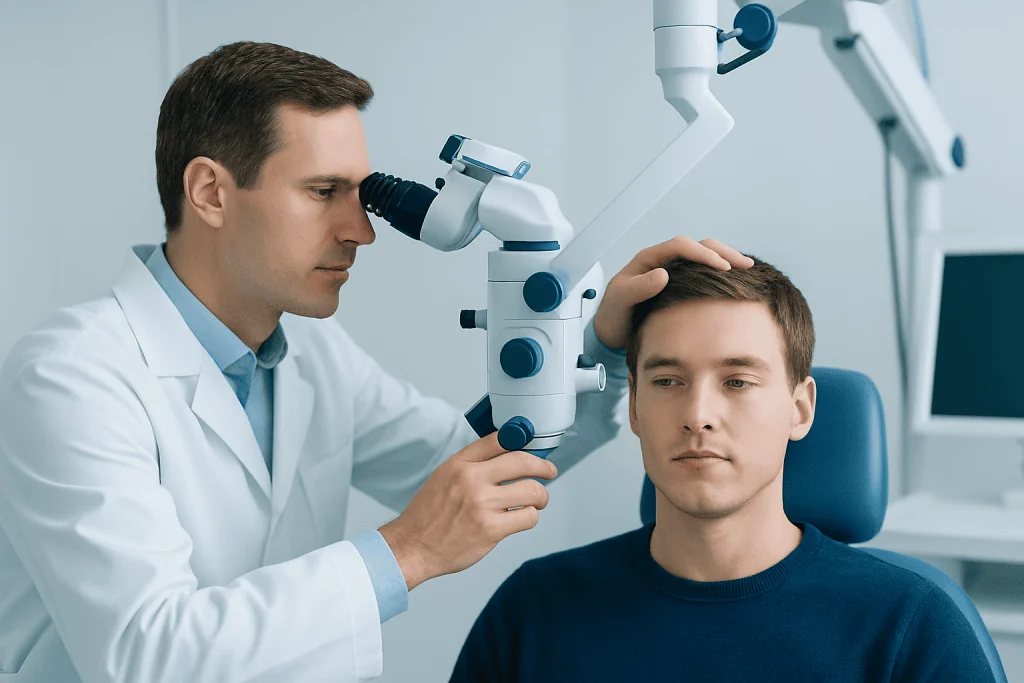
A physical examination includes looking into the ears for wax, infection, or eardrum problems and checking the head, neck, jaw, and nervous system as needed. In many cases, hearing tests are an essential next step. These help show whether tinnitus is linked to hearing loss and can guide treatment planning. Depending on findings, the person may be referred for a detailed hearing test.
If tinnitus is one-sided, pulsatile, or associated with asymmetrical hearing loss or neurological symptoms, additional tests may be needed. These can include blood tests or imaging such as MRI to look for uncommon structural causes. When examination suggests a middle or inner ear problem, evaluation by an ear, nose, and throat specialist is often recommended.
The purpose of testing is not only to rule out serious conditions but also to find reversible causes. For example, identifying conductive hearing problems, infection, or wax blockage may lead directly to treatment. A structured evaluation helps turn an alarming symptom into a manageable clinical problem with a plan.
What the Evidence Says About Treatment
The most effective treatment for tinnitus depends on the cause. If the problem is earwax, infection, medication-related effects, or another identifiable trigger, treating that issue may reduce or stop the tinnitus. If hearing loss is part of the picture, hearing support can make external sounds easier to hear and reduce awareness of internal noise.
For persistent tinnitus without a simple reversible cause, the goal is usually symptom reduction and improved quality of life. Helpful options may include education, hearing aids when appropriate, background sound or sound therapy, sleep support, and counseling-based approaches such as cognitive behavioral therapy. These methods do not claim to erase tinnitus in everyone, but they can make it much less disruptive.
There is limited evidence for many supplements and heavily marketed “miracle cures.” Because tinnitus has many causes, products that promise a universal fix should be approached carefully. Patients should speak with a qualified clinician before trying supplements or devices, especially if they take other medications or have heart, kidney, or neurological conditions.
Some people need evaluation and treatment for related ear disorders, especially when tinnitus appears with hearing loss, pressure, or balance symptoms. In selected situations, clinicians may investigate Meniere’s disease or other ear conditions, and management may involve specialist-led ear surgery or non-surgical treatment when clearly indicated by the diagnosis.
Self-Care That May Help
Simple daily habits can make tinnitus easier to live with. Protecting the ears from loud noise is one of the most important steps, but overusing earplugs in normal quiet environments is not usually helpful because complete silence can make tinnitus seem louder. Many people benefit from low-level background sound, such as a fan, soft music, or nature sounds, especially at night.
Good sleep habits, regular physical activity, and stress reduction can also help because tiredness and stress often increase awareness of tinnitus. Limiting triggers such as very loud music, nicotine, or excess caffeine may help some people, although triggers vary from person to person. Keeping a symptom diary can reveal patterns without encouraging constant monitoring.
It is also useful to address hearing concerns early rather than waiting. If someone asks “how I cured my tinnitus,” the answer is often that they improved it by treating hearing loss, reducing noise exposure, sleeping better, and learning how to shift attention away from the sound. This does not mean the symptom was imaginary; it means the brain became less burdened by it.
Near the end of the care pathway, some patients benefit from multidisciplinary support. Acibadem International’s specialists in JCI-accredited hospitals diagnose and treat tinnitus and related ear conditions for international patients when further assessment is needed.
A Realistic Outlook
Tinnitus can be frustrating, but the outlook is often better than people fear. Many cases are linked to common, non-dangerous causes, and even when the sound does not disappear completely, people frequently learn to notice it less over time. The combination of explanation, treatment of contributing factors, hearing assessment, and practical coping strategies can make a meaningful difference.
A realistic, evidence-based approach is more helpful than searching for a single guaranteed cure. The key questions are whether there is a treatable cause, whether hearing loss is involved, and which tools can reduce day-to-day impact. With the right evaluation, many people find that tinnitus becomes more manageable, less intrusive, and easier to live with.
If symptoms are persistent or worrying, a qualified doctor or ENT specialist can help create a personalized plan. Reassurance matters, but so does proper assessment when symptoms suggest a specific underlying problem.
Frequently asked questions
Can tinnitus go away on its own?
Yes, temporary tinnitus can settle on its own, especially after short-term noise exposure or a minor ear problem. If it lasts more than a few weeks, becomes bothersome, or comes with hearing changes, medical review is advisable.
Is there one proven cure for tinnitus?
No single cure works for every person because tinnitus has many different causes. The best treatment depends on what is driving the symptom, and many evidence-based options focus on reducing its impact rather than promising complete disappearance.
When is tinnitus an emergency?
Urgent assessment is important if tinnitus starts suddenly with hearing loss, severe dizziness, facial weakness, head injury, or other neurological symptoms. Pulsatile tinnitus or tinnitus in one ear also deserves timely medical evaluation.
Do hearing aids help tinnitus?
They often help when tinnitus is linked to hearing loss. By improving access to outside sounds, hearing aids can reduce how noticeable the internal sound feels and improve communication at the same time.
Can stress cause tinnitus?
Stress may not be the only cause, but it can make tinnitus more noticeable and more distressing. Many people find symptoms improve when sleep, stress management, and general wellbeing are addressed alongside medical evaluation.
Should a person avoid all silence if they have tinnitus?
Complete silence can make tinnitus stand out more for some people. Gentle background sound, especially at bedtime, can help reduce awareness of the noise without being disruptive.
References
- National Institute on Deafness and Other Communication Disorders
- American Academy of Otolaryngology–Head and Neck Surgery
- National Health Service
- Mayo Clinic
- Merck Manual Consumer Version
This article is for general information only and is not a substitute for professional medical advice. Please consult a qualified doctor about your individual situation.
Explore treatments in Turkey — costs, top hospitals & a free quote
JCI-accredited · board-certified surgeons · reply within 24h
Add us as a Preferred Source to see more of our trusted health content across Google Search, AI Overviews and Discover.