

Are Stds Curable? Here Is What the Evidence Says

Bacterial and parasitic STDs are often curable with the right treatment. Viral STDs are usually not curable, but symptoms and transmission risk can often be managed.
Key Takeaways
- Bacterial and parasitic STDs are often curable with the right treatment.
- Viral STDs are usually not curable, but symptoms and transmission risk can often be managed.
- A person can have an STD without obvious symptoms, so testing matters.
- Partners may also need testing and treatment to prevent reinfection.
- Urgent medical review is important for pelvic pain, fever, pregnancy, or genital sores.
Yes—some sexually transmitted diseases are curable, while others are treatable but remain in the body long term. The key is accurate testing, because treatment depends on whether the infection is caused by bacteria, parasites, or viruses.
Overview: Which STDs are curable?
In many cases, sexually transmitted diseases can be treated effectively, and some can be cured completely. In general, STDs caused by bacteria or parasites are often curable, while those caused by viruses are usually not removed from the body but can often be controlled with ongoing care.
This means the answer to “are stds curable” is not simply yes or no. Infections such as chlamydia, gonorrhea, and syphilis are typically curable with appropriate medicines. By contrast, viral infections such as herpes, HIV, and human papillomavirus (HPV) are usually managed rather than cured, although treatment may greatly reduce symptoms, complications, and spread to partners.
Many sexually transmitted infections are common and manageable, and some cause no immediate symptoms at all. That is one reason doctors focus first on testing rather than guessing from symptoms alone. A person may feel well and still have an infection that needs treatment.
Early evaluation is especially important if there are genital sores, unusual discharge, burning with urination, pelvic pain, testicular pain, fever, rectal symptoms, or a recent exposure. Prompt diagnosis helps protect both the individual and their partners and lowers the chance of longer-term complications.
Common STDs: Curable, treatable, or lifelong?
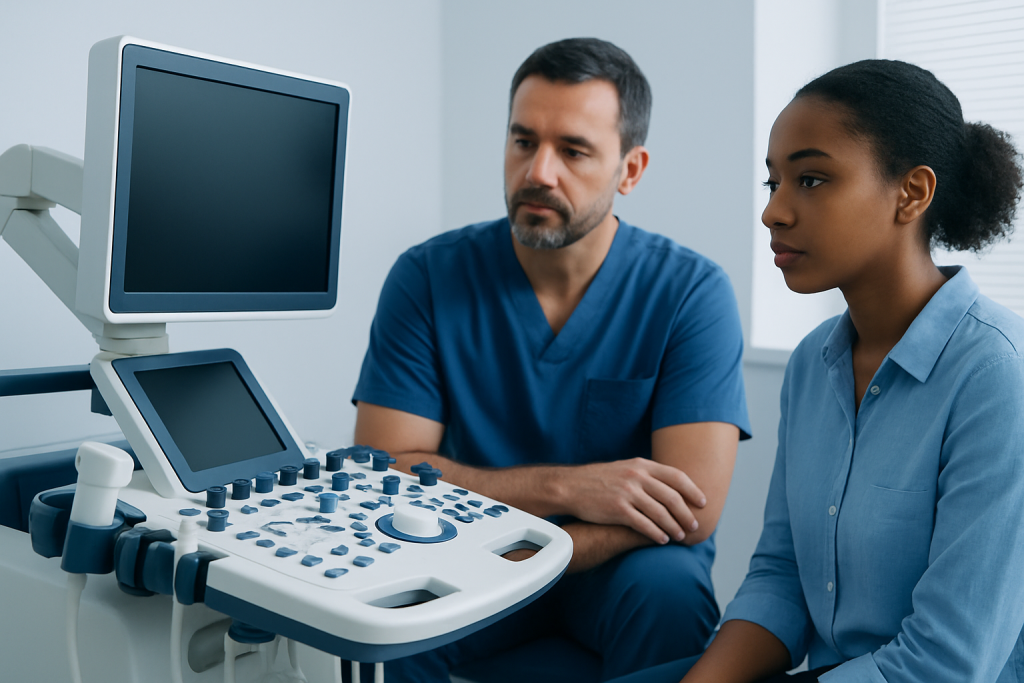
A practical way to understand sexually transmitted infections is to group them by the type of germ involved. Bacterial infections are generally curable. Parasitic infections are also usually curable. Viral infections, however, typically remain in the body even when treatment works well.
Examples of STDs that are often curable include:
- Chlamydia: Usually cured with prescribed antibiotics.
- Gonorrhea: Usually curable, though antibiotic resistance makes correct testing and treatment important.
- Syphilis: Curable, especially when treated early.
- Trichomoniasis: A parasitic infection that is usually curable with medication.
Examples of STDs that are usually treatable but not considered curable include:
- Genital herpes: Antiviral treatment can reduce outbreaks and lower transmission risk.
- HIV: Modern treatment can suppress the virus and support long-term health, but it does not remove the virus from the body.
- HPV: The virus itself may clear naturally in some people, but there is no medicine that specifically cures all HPV infections; treatment focuses on genital warts or cell changes.
- Hepatitis B: Often managed rather than cured, depending on whether the infection becomes chronic.
It is also helpful to distinguish between an infection and its complications. For example, some conditions linked to sexually transmitted viruses may require separate monitoring or treatment. Related conditions may include genital warts or cervical cell changes associated with HPV.
Symptoms and signs that may suggest an STD
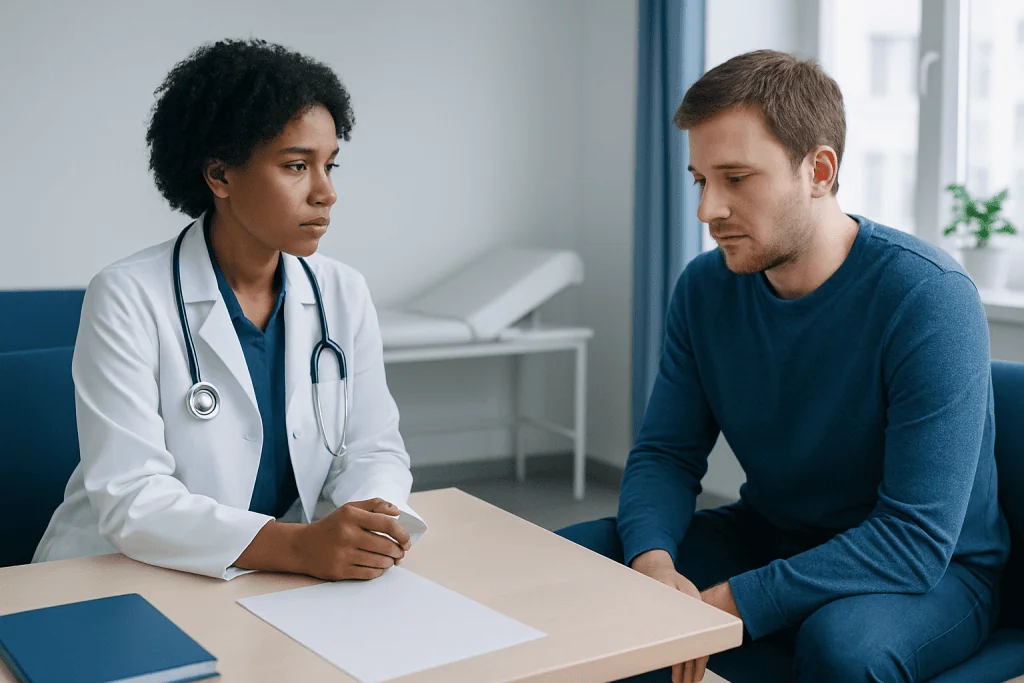
Many STDs do not cause symptoms right away, and some never cause obvious symptoms. Even so, there are several warning signs that should prompt testing. These include burning or pain when urinating, discharge from the penis or vagina, genital itching, pelvic discomfort, rectal pain, bleeding after sex, or pain during sex.
Some infections cause sores, blisters, rashes, or lumps in the genital or anal area. For example, herpes may cause painful blisters or ulcers, while syphilis can begin with a single sore that may be easy to miss. HPV-related changes may appear as small genital warts, though HPV can also be present without visible changes.
Symptoms are not a reliable guide to which infection is present. Chlamydia and gonorrhea may look very similar, and irritation can also come from non-STD causes such as urinary tract infection, yeast infection, skin conditions, or irritation from products. That is why self-diagnosis is often inaccurate.
Reassuringly, many symptoms turn out to be treatable, and early review usually makes care more straightforward. Still, certain red flags deserve faster medical attention, especially severe pelvic or abdominal pain, fever, a spreading rash, swelling or pain in a testicle, symptoms during pregnancy, or any genital sore.
Causes, transmission, and risk factors
STDs are caused by bacteria, viruses, or parasites passed mainly through vaginal, anal, or oral sexual contact. Some can also spread through skin-to-skin genital contact, blood exposure, or from a pregnant person to a baby during pregnancy or birth.
Risk depends on exposure, not on appearance, lifestyle assumptions, or whether a partner has symptoms. A person may have an infection without knowing it. New or multiple sexual partners, sex without barrier protection, a partner with a known infection, and a past history of STDs can all increase the chance of transmission.
Age can matter too, because some STDs are especially common in younger sexually active people. Certain infections can become easier to catch or more difficult to clear if the immune system is weakened. In addition, one STD may increase susceptibility to another, especially when sores or inflammation are present.
Understanding the cause matters because it predicts whether the condition is likely to be curable. Bacterial and parasitic infections usually respond to specific medicines. Viral infections may improve, become inactive, or be suppressed, but they generally require monitoring, symptom management, preventive strategies, or both.
How doctors diagnose STDs
Diagnosis usually starts with a conversation about symptoms, timing, recent sexual contact, condom use, and any prior infections or treatments. Doctors may ask about the type of sexual contact because this helps determine which body sites should be tested, such as the throat, rectum, urine, cervix, or urethra.
A physical examination may be recommended if there are sores, discharge, rashes, pelvic pain, or swollen lymph nodes. The next step is laboratory testing. Depending on the situation, this may include urine tests, swabs, blood tests, or samples from visible sores. Some infections are best detected soon after exposure, while others may require repeat testing if the first test is done too early.
Accurate diagnosis is essential because treatments differ. For example, antibiotics may cure chlamydia or gonorrhea, but they do not help herpes or HPV. If symptoms suggest a complication, a doctor may also assess for conditions such as pelvic inflammatory disease, which can need more involved care and may be linked to gynecologic evaluation and treatment.
Testing is also important after treatment in some cases, especially if symptoms persist, a partner was not treated, reinfection is possible, or a doctor recommends follow-up to confirm cure. Public health guidance may also support partner notification and treatment to reduce spread.
Treatment options: What cure and control really mean
When an STD is curable, treatment aims to eliminate the infection from the body. This is most often the case for bacterial infections such as chlamydia, gonorrhea, and syphilis, and for parasitic infections such as trichomoniasis. It is important to complete treatment exactly as prescribed and to avoid sexual contact until a clinician says it is safe, because symptoms may improve before the infection is fully cleared.
For viral STDs, treatment focuses on control rather than cure. Antiviral medicines can reduce herpes outbreaks and help lower transmission risk. HIV treatment suppresses the virus and helps protect immune health. Management of HPV may include observation, treatment of visible warts, or monitoring and treatment of abnormal cell changes when needed.
Partner treatment is often a key part of success. If one person is treated but a current partner is not, reinfection can happen. Doctors may recommend that recent partners be tested and treated even if they feel well.
Treatment may also involve specialist care when complications develop. Depending on the condition, this can include support from infectious diseases specialists, screening or procedures in urology care for urinary or male reproductive symptoms, or gynecologic follow-up for pelvic symptoms and cervical health. Near the end of the care pathway, some international patients choose centers such as Acibadem International, where multidisciplinary specialists in JCI-accredited hospitals evaluate and treat sexually transmitted infections and their complications.
Prevention, self-care, and protecting partners
Prevention starts with regular testing based on personal risk, because many STDs have no symptoms. Barrier methods such as condoms and dental dams lower the risk of many infections, though they do not fully prevent those spread by skin-to-skin contact. Limiting the number of partners and having open conversations about testing can also help reduce risk.
Vaccination is an important preventive tool for some infections. HPV vaccination helps protect against several high-risk and wart-causing strains, and hepatitis B vaccination offers strong protection against hepatitis B infection. These vaccines do not treat an existing infection, but they can prevent future disease.
Self-care during treatment includes taking medicines exactly as prescribed, avoiding sex until advised, and returning for follow-up if symptoms continue. People should not use leftover antibiotics or rely on home remedies to treat a suspected STD, because the wrong treatment may delay diagnosis and allow complications or ongoing transmission.
It is also wise to remember that one diagnosed STD can be a reason to test for others. A clinician may recommend broader screening based on exposure history. This can be especially important for infections such as HIV or hepatitis, which may need ongoing medical follow-up even when a person feels well.
When to seek medical care
Medical care should be sought promptly after a known exposure to an STD, when a partner is diagnosed, or when symptoms such as sores, discharge, painful urination, pelvic pain, or testicular pain appear. A person should also arrange testing if they have had unprotected sex and are unsure of their status, even if they feel completely well.
More urgent care is important for fever with genital symptoms, severe lower abdominal or pelvic pain, rapidly worsening rash, painful swollen testicle, signs of dehydration, or symptoms during pregnancy. These features may suggest a complication or a condition needing prompt treatment.
People should also seek review if symptoms continue after treatment, if they are concerned about reinfection, or if a previous infection may have exposed a current partner. Timely assessment helps reduce complications, clarify whether the infection is curable or manageable, and support a safer plan for both the patient and their partners.
Overall, the evidence is reassuring: many STDs can be cured, and even those that cannot usually can be managed effectively. The most important step is not guessing, but getting the right test at the right time and following professional advice.
Frequently asked questions
Are all STDs curable?
No. Some STDs are curable, especially those caused by bacteria or parasites, while viral STDs are usually managed rather than cured. Testing is needed to know which infection is present and what treatment is appropriate.
Which STDs are usually curable?
Chlamydia, gonorrhea, syphilis, and trichomoniasis are commonly curable with the right prescribed treatment. Cure depends on accurate diagnosis, timely care, and completing the recommended medicine.
Can herpes be cured?
Genital herpes is not usually considered curable because the virus remains in the body. However, antiviral treatment can reduce outbreaks, ease symptoms, and lower the chance of passing it to a partner.
Can HPV go away on its own?
Yes, some HPV infections clear naturally over time, especially when the immune system controls the virus. Still, there is no single medicine that cures all HPV infections, and some cases need monitoring or treatment for warts or abnormal cells.
If symptoms go away, does that mean the STD is gone?
Not necessarily. Symptoms may improve even when the infection is still present, and some STDs cause no symptoms at all. Follow-up testing or medical review may be needed depending on the infection and the treatment used.
Do both partners need treatment?
Often, yes. If only one partner is treated, the infection can pass back and forth again. A clinician may advise testing and treatment for recent partners even if they feel well.
When should someone get tested after possible exposure?
The best timing depends on the infection, because different tests become accurate at different points after exposure. A healthcare professional can advise when to test right away, when to repeat testing, and whether any early treatment is recommended.
References
- Centers for Disease Control and Prevention
- World Health Organization
- National Institutes of Health
- American Sexual Health Association
- European Centre for Disease Prevention and Control
This article is for general information only and is not a substitute for professional medical advice. Please consult a qualified doctor about your individual situation.
Explore treatments in Turkey — costs, top hospitals & a free quote
JCI-accredited · board-certified surgeons · reply within 24h
Add us as a Preferred Source to see more of our trusted health content across Google Search, AI Overviews and Discover.

More from the Health Library


Related Specialists

Assoc. Prof. Dr. Mehmet Özgür Akkurt
Gynecology & Obstetrics
Prof. Dr. Nur Dilek Bakan
Pulmonology
Prof. Dr. Veli Yalçın
Urology
Prof. Dr. A. Sibel Erdamar Çetin
Gastrointestinal Oncology Unit Clinical Service