Viginal Pain During Pregnancy: Common Causes, Related Conditions, and When to See a Doctor
Mild vaginal or pelvic pain in pregnancy is often related to pressure, posture, ligament strain, or increased blood flow. Pain may feel sharp, aching, throbbing, heavy, or like pressure, and the exact pattern can help guide evaluation.
Key Takeaways
- Mild vaginal or pelvic pain in pregnancy is often related to pressure, posture, ligament strain, or increased blood flow.
- Pain may feel sharp, aching, throbbing, heavy, or like pressure, and the exact pattern can help guide evaluation.
- Infections, urinary problems, preterm labor, and certain pregnancy complications can also cause pain and need prompt review.
- Warning signs include bleeding, fever, strong cramping, regular contractions, decreased fetal movement, or sudden severe pain.
- Self-care measures may help mild discomfort, but new or worsening symptoms should be discussed with an obstetric clinician.
Viginal pain during pregnancy is common and is often caused by normal body changes such as increased pelvic pressure, ligament stretching, or sensitivity in the vaginal and vulvar tissues. However, pain that is severe, one-sided, comes with bleeding, fever, fluid leakage, contractions, or urinary symptoms should be assessed by a qualified doctor.
Overview: Is viginal pain during pregnancy normal?
Viginal pain during pregnancy can be unsettling, but it is not always a sign of a serious problem. Many pregnant women notice pressure, soreness, or brief sharp pains in or around the vagina as the body adapts to hormonal changes, pelvic ligament stretching, increased blood flow, and the growing weight of the uterus and baby.
The term may describe pain felt inside the vagina, at the vaginal opening, in the vulva, or deeper in the pelvis. Some people mean a stabbing sensation, while others describe heaviness, throbbing, burning, aching, or a feeling that the baby is “pushing down.” Because these sensations can come from different structures, the cause is not always the vagina itself.
Most mild discomfort improves with rest, changing position, hydration, and avoiding strain. Still, pregnancy pain should be taken seriously when it is severe, persistent, or accompanied by symptoms such as vaginal bleeding, fluid leakage, fever, painful urination, contractions, or dizziness. A clinician can help distinguish normal pregnancy-related discomfort from conditions that need treatment.
How the pain may feel and when it tends to happen
Viginal pain during pregnancy does not feel the same for everyone. It may be brief and sharp when standing up, rolling in bed, coughing, or walking. Others feel a dull ache, pressure low in the pelvis, burning around the vulva, or tenderness during movement or sexual activity. Some symptoms are more noticeable later in pregnancy, when the baby’s position places greater pressure on the pelvic floor.
Timing can offer clues. Short-lived pain with movement may suggest ligament or pelvic joint strain. A heavy, downward sensation later in pregnancy may come from normal pelvic pressure. Burning, itching, or soreness may point more toward infection or skin irritation. Cramping that comes and goes in a regular pattern may be more concerning for uterine contractions.
Keeping track of when the pain occurs can be helpful. Noting whether it appears with walking, after standing, after sex, during urination, or together with discharge or bleeding gives useful information to the doctor or midwife.
- Sharp or stabbing pain: may occur with movement or fetal position changes
- Pressure or heaviness: often related to pelvic floor strain or the baby’s descent
- Burning or irritation: may suggest infection, skin sensitivity, or urinary causes
- Cramping or rhythmic pain: may require assessment for labor or uterine activity
Common causes of viginal pain during pregnancy
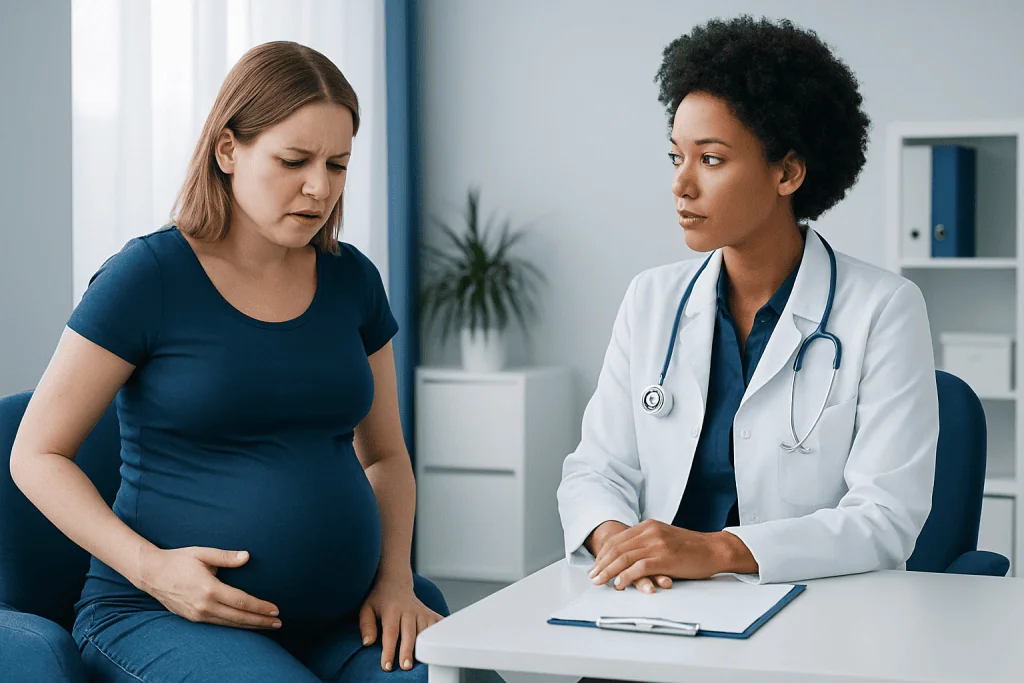
One of the most common explanations is normal pelvic pressure. As the uterus grows, it places more weight on the pelvic floor, bladder, cervix, and vaginal tissues. Increased blood flow and hormonal changes can also make the area feel swollen, tender, or more sensitive than usual. This tends to become more noticeable in the second and third trimesters.
Round ligament pain can sometimes be felt low in the pelvis and may be interpreted as vaginal pain. It is usually brief, sharp, and linked to sudden movement. Pelvic girdle or symphysis pubis dysfunction may also cause pain that seems to radiate toward the vagina, groin, or inner thighs, especially with walking, climbing stairs, or turning in bed.
The baby’s position can contribute as well. A low-lying baby or pressure from the head may create a “lightning” type pain, often called lightning crotch, which feels sudden and electric-like. This is usually brief but can be intense. Braxton Hicks contractions may cause pelvic discomfort too, though they are generally irregular and settle with hydration or rest.
Vaginal pain can also come from causes unrelated to normal pregnancy mechanics. Infections such as yeast infections, bacterial vaginosis, or urinary tract infections may cause pain, burning, itching, discharge, or irritation. Less commonly, vulvar varicosities, hemorrhoids, constipation, trauma, or skin conditions can contribute to discomfort in the vaginal or vulvar area.
Related conditions that may need medical evaluation
Although many cases are benign, some conditions associated with pelvic or vaginal pain need prompt attention. Urinary tract infections are common in pregnancy and can cause burning, pelvic pain, frequent urination, and discomfort low in the abdomen. Because untreated infection can sometimes spread or affect pregnancy, persistent urinary symptoms should be assessed. General information about urinary tract infection may help patients recognize the pattern.
Vaginal infections can also cause pain, especially when combined with unusual discharge, odor, itching, or irritation. These are usually treatable, but diagnosis is important because symptoms can overlap. Sexually transmitted infections, although not the most common cause, may also present with pelvic discomfort or abnormal discharge and should be evaluated appropriately.
Preterm labor is a more urgent possibility when pain occurs before 37 weeks along with regular tightening, low back pain, pelvic pressure, or fluid leakage. Placental problems, miscarriage in early pregnancy, or ectopic pregnancy early on can also present with pain, often together with bleeding or one-sided symptoms. If a clinician suspects pregnancy complications, further examination and imaging may be needed, including obstetric ultrasound.
In late pregnancy, a clinician may also consider cervical changes, vulvar varicosities, or pelvic floor strain. If pain is due to a non-obstetric cause such as severe urinary disease or another gynecologic issue, referral for gynecology care may be appropriate. Symptoms suggesting an active infection may sometimes lead to focused assessment and treatment through pregnancy follow-up and tests.
How doctors diagnose the cause
Diagnosis begins with a careful history. The clinician will usually ask where the pain is felt, how long it lasts, what it feels like, and whether it comes with bleeding, discharge, fever, contractions, urinary symptoms, bowel changes, or reduced fetal movement. Gestational age matters because some causes are more likely in early pregnancy and others later on.
A physical examination may include checking the abdomen, pelvis, vulva, and sometimes the cervix, depending on the symptoms and stage of pregnancy. Urine testing can help identify infection. Vaginal swabs may be used if infection is suspected. In some cases, the doctor may assess for uterine contractions or signs of labor.
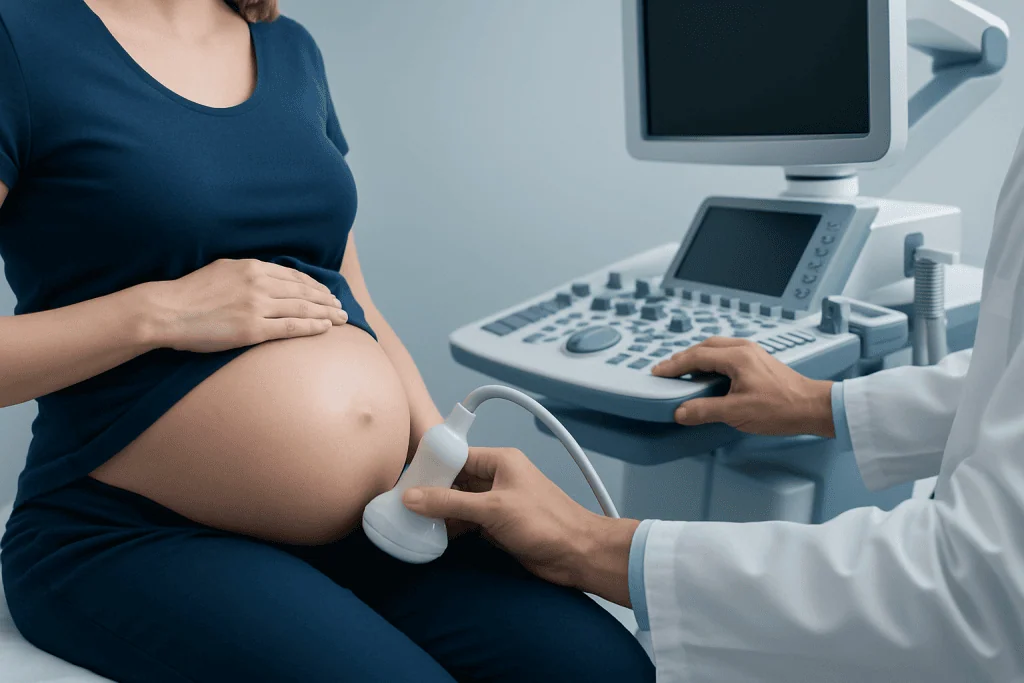
Ultrasound is a common and safe tool during pregnancy when clinicians need to check the baby, placenta, cervix, or pelvic structures. Blood tests are sometimes used if there are signs of infection, bleeding, or pregnancy complications. The goal is not only to find the cause of pain but also to confirm that both mother and baby are well.
Treatment and safe ways to relieve discomfort
Treatment depends on the cause. If the pain is due to normal pressure, pelvic strain, or ligament discomfort, supportive measures are often enough. These may include resting, changing position slowly, avoiding prolonged standing, using a pregnancy support belt if recommended, sleeping with a pillow between the knees, and staying well hydrated. Gentle stretching or guided pelvic floor physiotherapy may help some patients.
If infection is responsible, the clinician may prescribe treatment that is considered appropriate during pregnancy. Self-treating without a diagnosis is not ideal because symptoms can overlap and some products may not be suitable. Pain related to constipation or hemorrhoids may improve with fluids, fiber, and other pregnancy-safe measures recommended by a doctor.
For pelvic girdle pain or significant pressure symptoms, individualized assessment is useful. Some women benefit from posture changes, activity modification, or supervised exercise. If pain affects daily life, walking, or sleep, it deserves review rather than simply enduring it.
When a more specific issue is identified, treatment is directed toward that cause. In some situations, specialist assessment in obstetrics and gynecology is helpful. Near the end of pregnancy, Acibadem International’s multidisciplinary specialists in JCI-accredited hospitals also diagnose and treat pregnancy-related pain concerns for international patients when further evaluation is needed.
Prevention and self-care during pregnancy
Not all viginal pain during pregnancy can be prevented, because many causes are related to normal body changes. Still, practical habits may reduce strain on the pelvis and lower the chance of irritation or infection. Good hydration, regular gentle movement, and attention to posture can be useful throughout pregnancy.
It may help to avoid sudden twisting movements, lift carefully, and take breaks from prolonged standing. Supportive footwear and sleeping on the side with pillows for hip and pelvic support can improve comfort. Wearing breathable underwear and avoiding heavily scented soaps or products in the genital area may reduce irritation.
Patients should also follow routine prenatal care, since many pregnancy-related problems are easier to identify early during regular checkups. If symptoms change noticeably, become more frequent, or begin interfering with normal activity, it is sensible to contact the maternity team rather than waiting for the next appointment.
- Stay hydrated and rest when pain increases
- Change positions slowly and avoid overexertion
- Use pregnancy-safe support measures advised by a clinician
- Seek assessment for itching, unusual discharge, burning, or urinary symptoms
When to seek medical care
A prompt medical review is important if vaginal or pelvic pain is severe, sudden, worsening, or does not improve with rest. Care is also needed if pain is accompanied by vaginal bleeding, leaking fluid, fever, chills, faintness, painful urination, foul-smelling discharge, or regular contractions. These symptoms can signal infection, labor, or another condition that should not be evaluated at home.
Early pregnancy pain deserves particular attention when it is one-sided, intense, or associated with bleeding. Later in pregnancy, urgent assessment is recommended if there is decreased fetal movement, strong pelvic pressure before term, or pain that comes in a repeated pattern. When in doubt, contacting an obstetric clinician is the safest approach.
Even if the cause turns out to be a normal pregnancy change, reassurance from a qualified professional can be valuable. Pregnancy symptoms do not need to be dramatic to justify asking for advice, especially when they are new, confusing, or affecting daily comfort.
Frequently asked questions
Is viginal pain during pregnancy common?
Yes. Many pregnant women notice pressure, soreness, or brief sharp pains in the vaginal or pelvic area, especially as pregnancy progresses. These symptoms are often related to normal changes such as increased pelvic pressure, ligament stretching, and greater blood flow.
Can the baby's position cause vaginal pain?
Yes. As the baby moves lower or presses on pelvic nerves and tissues, some women feel sudden sharp or electric-like pains. This can be uncomfortable, but it is often brief and linked to normal late-pregnancy pressure rather than a dangerous problem.
How can someone tell whether the pain is normal or serious?
Mild discomfort that comes with movement, improves with rest, and is not associated with other symptoms is often less concerning. Pain should be checked promptly if it is severe, regular, one-sided, or comes with bleeding, fever, fluid leakage, painful urination, or decreased fetal movement.
Can an infection cause vaginal pain during pregnancy?
Yes. Yeast infections, bacterial vaginosis, sexually transmitted infections, and urinary tract infections can all cause pain or burning. They may also cause itching, abnormal discharge, odor, or urinary symptoms, and they should be diagnosed by a clinician.
What helps relieve vaginal or pelvic pain in pregnancy?
Helpful measures may include rest, hydration, changing position slowly, avoiding prolonged standing, and using supportive pillows or a maternity support belt if recommended. However, treatment depends on the cause, so persistent or worsening pain should be medically reviewed.
Should vaginal pain in early pregnancy be evaluated?
It often should, especially if it is strong, one-sided, or accompanied by bleeding. While early pregnancy discomfort can have harmless explanations, it can also be linked to conditions such as miscarriage or ectopic pregnancy that need urgent assessment.
References
- American College of Obstetricians and Gynecologists
- National Health Service
- Mayo Clinic
- Centers for Disease Control and Prevention
- World Health Organization
This article is for general information only and is not a substitute for professional medical advice. Please consult a qualified doctor about your individual situation.
Joint and spine care in Turkey — expert assessment & treatment
JCI-accredited · board-certified surgeons · reply within 24h
Add us as a Preferred Source to see more of our trusted health content across Google Search, AI Overviews and Discover.