Man Eating Pus: A Complete Medical Overview

“Man eating pus” most often refers to necrotizing fasciitis or another serious deep skin and soft tissue infection. These infections can worsen quickly and need emergency evaluation, often with antibiotics and surgery.
Key Takeaways
- “Man eating pus” most often refers to necrotizing fasciitis or another serious deep skin and soft tissue infection.
- These infections can worsen quickly and need emergency evaluation, often with antibiotics and surgery.
- Early warning signs include severe pain, spreading redness, swelling, fever, and skin changes such as blisters or discoloration.
- People with diabetes, weakened immunity, recent injury, or surgery may have a higher risk.
- Good wound care and prompt treatment of skin infections can help lower risk.
“Man eating pus” is not a medical diagnosis. It is commonly used to describe a severe, rapidly spreading infection such as necrotizing fasciitis, in which bacteria destroy skin, fat, and deeper soft tissues and require urgent medical care.
Overview: what “man eating pus” means medically
“Man eating pus” is a non-medical phrase people may use when searching for a serious infection that seems to spread aggressively through the skin and tissues. In medical practice, the concern is usually necrotizing fasciitis, a rare but dangerous soft tissue infection that can destroy tissue quickly. It is sometimes called a “flesh-eating infection,” although the bacteria do not literally eat flesh.
Necrotizing fasciitis usually begins when bacteria enter the body through a break in the skin. The infection can spread along deeper tissue layers under the skin, causing inflammation, tissue death, and severe illness. Because symptoms may worsen over hours rather than days, prompt diagnosis and treatment are essential.
Not every painful or draining wound is necrotizing fasciitis. More common conditions such as cellulitis, abscesses, or infected cuts can also cause pus, redness, and swelling. However, when pain is severe, the infection spreads rapidly, or a person feels very unwell, doctors must urgently rule out a deeper infection such as necrotizing fasciitis.
Symptoms and warning signs
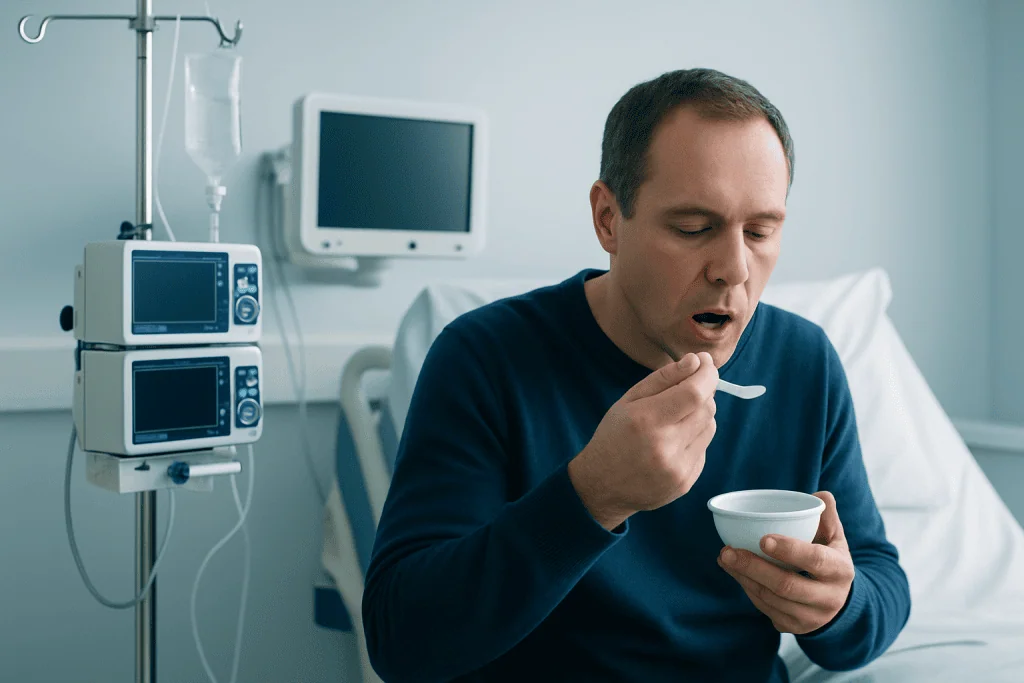
The earliest signs can look similar to an ordinary skin infection. A person may notice redness, warmth, swelling, tenderness, and pain around a cut, scrape, insect bite, surgical wound, or other skin injury. What often makes this condition different is that the pain may feel much worse than the skin changes appear to suggest.
As the infection progresses, symptoms may include rapidly spreading redness, increasing swelling, fever, chills, weakness, nausea, or confusion. The skin may become shiny, tight, dark, purple, or blistered. Some people develop drainage, a foul smell, or areas that begin to look numb as tissue damage progresses.
Doctors pay close attention when symptoms spread quickly or when a person looks systemically ill. Warning signs that suggest an emergency include:
- Severe pain that is out of proportion to the visible wound
- Fast-growing swelling or redness
- Fever, chills, dizziness, or a racing heartbeat
- Blisters, blackened skin, or purple discoloration
- Confusion, extreme weakness, or difficulty staying awake
These signs do not always mean necrotizing fasciitis, but they do mean urgent medical assessment is needed. Early treatment can make a major difference.
What causes it and who is at higher risk

Necrotizing fasciitis can be caused by different bacteria. Group A Streptococcus is one well-known cause, but other bacteria may also be involved, including Staphylococcus, Clostridium, Aeromonas, Vibrio, or mixed infections with several organisms. Sometimes the infection follows a visible injury, but in other cases the skin opening may be very small or hard to identify.
Bacteria can enter through cuts, burns, puncture wounds, surgical incisions, injection sites, ulcers, or trauma. In some people, the infection appears after water exposure, animal bites, or contact with contaminated wounds. Rarely, it may begin after a muscle strain or bruise if deeper tissue injury is present.
Anyone can develop a severe soft tissue infection, but some people have a higher risk. Risk factors include diabetes, peripheral vascular disease, chronic kidney disease, obesity, liver disease, cancer treatment, steroid use, and other causes of a weakened immune system. Poorly healing wounds and chronic skin breakdown also increase risk.
It is important to remember that having a risk factor does not mean a person will develop this infection, and healthy people can occasionally be affected too. If there is concern for a spreading skin infection, timely evaluation matters more than trying to guess the cause at home.
How doctors diagnose a severe soft tissue infection
Diagnosis begins with a physical examination and a careful review of symptoms, recent injuries, surgeries, illnesses, and medications. Doctors look for signs of rapidly spreading infection, severe tenderness, skin breakdown, fever, low blood pressure, and evidence that deeper tissues may be involved.
Blood tests can help show inflammation, infection severity, and organ function. Imaging such as ultrasound, CT, or MRI may help identify gas in the tissues, fluid collections, or deep tissue involvement. However, imaging should not delay urgent treatment if the condition strongly suggests necrotizing fasciitis.
In many cases, the diagnosis is confirmed during surgery, when the surgeon can directly assess the tissue and remove samples for testing. This is one reason why suspected cases are treated as emergencies. Conditions that may need to be distinguished include cellulitis, abscesses, severe wound infections, blood clots, and other causes of painful swelling.
Because these infections can affect the whole body, doctors also assess for sepsis, dehydration, and signs of shock. The goal is not only to identify the infection but also to determine how urgently the person needs antibiotics, surgery, and supportive hospital care.
Treatment options and why speed matters
Treatment usually starts immediately once a severe deep tissue infection is suspected. Most patients need hospital care, intravenous antibiotics, fluids, pain control, and close monitoring. Because several types of bacteria may be involved, doctors often begin with broad-spectrum antibiotics and later adjust them when culture results become available.
Surgery is often the most important part of treatment for necrotizing fasciitis. The surgeon removes infected and dead tissue to stop the spread of bacteria and improve the chance of healing. More than one operation may be needed, depending on how extensive the infection is and how the tissues respond.
After the infection is controlled, some patients need advanced wound care or reconstructive procedures to help the area heal. This may include specialized wound care, hyperbaric oxygen therapy in selected cases, or plastic and reconstructive surgery when tissue loss is significant. The exact treatment plan depends on the location of the infection, the person’s overall health, and how much tissue is involved.
Recovery can take time, especially if the infection was extensive or if the patient developed sepsis. Even so, early recognition and rapid treatment give the best chance for controlling the infection and limiting complications.
Prevention and self-care for skin wounds
There is no guaranteed way to prevent every severe infection, but careful skin and wound care lowers risk. Minor cuts and scrapes should be washed with clean water, kept dry and covered when needed, and monitored for redness, swelling, worsening pain, or drainage. Hands should be cleaned before and after touching a wound.
People should avoid soaking open wounds in pools, hot tubs, lakes, or seawater unless a clinician says it is safe. After surgery or a procedure, wound care instructions should be followed closely. If a wound dressing becomes wet, dirty, or loose, it should be changed as directed.
Managing long-term health conditions is also important. Good blood sugar control in diabetes, smoking cessation, proper nutrition, and regular care for ulcers or chronic skin problems can reduce the likelihood of serious infection. People with reduced immunity should be especially cautious with skin injuries and seek advice early if they notice changes.
Home care has limits. A person should not try to drain a deep or painful infection at home, apply harsh chemicals to a wound, or rely only on over-the-counter products when symptoms are spreading. Worsening redness, increasing pain, fever, or foul-smelling drainage should be assessed by a qualified clinician.
When to seek medical care
Medical care should be sought promptly for any wound or skin infection that is becoming more painful, more swollen, or more red over a short period of time. Pus, fever, or a general feeling of being unwell may mean the infection is no longer minor and needs professional treatment.
Emergency care is needed if there is severe pain, rapidly spreading redness, black or purple skin, blisters, confusion, dizziness, fainting, or trouble breathing. These symptoms may indicate a serious infection or sepsis, which requires immediate hospital treatment.
People with diabetes, poor circulation, cancer treatment, or a weakened immune system should have a lower threshold for getting checked. What seems like a small wound can become more complicated in these groups. If there is uncertainty, it is safest to contact a doctor or go to urgent care or the emergency department.
For international patients needing evaluation of complex infections and wound-related complications, Acibadem International’s multidisciplinary specialists and JCI-accredited hospitals provide diagnosis and treatment, including coordinated care with infectious diseases and surgical teams when appropriate.
Frequently asked questions
Is “man eating pus” a real medical term?
No. It is an informal phrase rather than a medical diagnosis. Doctors would usually evaluate for conditions such as necrotizing fasciitis, severe cellulitis, or a deep abscess depending on the symptoms.
Does necrotizing fasciitis always produce pus?
Not always. Some people have drainage or pus, while others mainly have severe pain, swelling, fever, and skin discoloration. The infection often spreads in deeper tissues where surface drainage may be limited at first.
How quickly can a flesh-eating infection spread?
It can progress very quickly, sometimes over hours. That is why severe pain, rapid swelling, and spreading redness should be treated as urgent warning signs.
Can a small cut lead to a serious infection?
Yes, although this is uncommon. Bacteria can enter through even a small break in the skin, especially if a person has diabetes, reduced immunity, or poor wound healing.
Is necrotizing fasciitis contagious?
It is not usually spread casually from person to person. The main problem is bacteria entering through a wound, but good hand hygiene and proper wound care are still important around infected skin.
Can antibiotics alone treat this condition?
Often not. While antibiotics are essential, necrotizing fasciitis frequently also requires urgent surgery to remove infected and dead tissue. Doctors decide on treatment based on how deep and extensive the infection is.
This article is for general information only and is not a substitute for professional medical advice. Please consult a qualified doctor about your individual situation.
Explore treatments in Turkey — costs, top hospitals & a free quote
JCI-accredited · board-certified surgeons · reply within 24h
Add us as a Preferred Source to see more of our trusted health content across Google Search, AI Overviews and Discover.
Check your numbers in seconds
BMI, calories, due date, blood pressure and 30+ more clinical calculators — free, instant, doctor-reviewed ranges.

More from the Health Library

Aching Thumb and Wrist: A Complete Medical Overview

Neoplasm: What Patients Need to Know

Liver Ultrasound Photos: A Complete Medical Overview

Pedal Pulse: What Patients Need to Know

Chambers Are in the Heart: A Complete Medical Overview