Neoplasm: What Patients Need to Know

Neoplasm is a broad medical term for an abnormal growth of cells. Not all neoplasms are cancer; some are benign and may only need monitoring.
Key Takeaways
- Neoplasm is a broad medical term for an abnormal growth of cells.
- Not all neoplasms are cancer; some are benign and may only need monitoring.
- Symptoms vary widely depending on the organ involved and the size of the growth.
- Diagnosis often includes imaging, laboratory tests, and sometimes a biopsy.
- Treatment can range from observation to surgery, medicines, or radiation therapy.
- Prompt medical review is important for persistent symptoms, a new lump, or unexplained bleeding.
A neoplasm is an abnormal growth of cells, often called a tumor, that may be benign, premalignant, or malignant. What it means for a patient depends on where it starts, how it behaves, and whether testing shows it is likely to grow, spread, or affect nearby organs.
Overview: what a neoplasm means
A neoplasm is an abnormal mass of tissue formed when cells grow and divide more than they should, or do not die when they normally would. In everyday language, people often use the word “tumor,” but medically, neoplasm is the broader term. Some neoplasms are harmless and slow-growing, while others can invade nearby tissue or spread to other parts of the body.
Doctors generally classify neoplasms into three main groups: benign, premalignant, and malignant. A benign neoplasm does not spread to distant parts of the body, although it can still cause problems if it presses on nerves, blocks an organ, or affects hormone production. A premalignant neoplasm shows changes that may develop into cancer over time. A malignant neoplasm is cancer, meaning it has the ability to invade surrounding tissue and sometimes metastasize.
For patients, the most important point is that the word neoplasm alone does not describe how serious the condition is. The location, size, growth pattern, and laboratory findings all matter. A small benign skin neoplasm and an aggressive malignant neoplasm are very different conditions, even though both fit the same broad medical definition.
How neoplasms are classified
Neoplasms are often classified by behavior and by the type of tissue where they begin. Behavior refers to whether the growth is benign, premalignant, or malignant. Tissue type refers to whether it started in epithelial tissue, connective tissue, blood-forming cells, gland tissue, or another body structure. This helps doctors choose the right tests and treatment plan.
Common examples include adenomas, which arise in glandular tissue and are often benign; carcinomas, which are malignant tumors that begin in epithelial cells; and sarcomas, which start in bone, muscle, fat, or other connective tissues. Blood-related malignancies such as leukemia and lymphoma are also neoplastic diseases, even though they may not form a single solid mass.
Pathology is central to this classification. When tissue is examined under a microscope, specialists look at how the cells are arranged, how abnormal they appear, how quickly they seem to be growing, and whether they invade nearby structures. These details help determine prognosis and whether a growth needs simple monitoring, removal, or more intensive cancer care such as medical oncology or radiation therapy.
Possible symptoms and warning signs

Neoplasm symptoms vary because these growths can develop almost anywhere in the body. Some people have no symptoms at all, and the neoplasm is found incidentally during an imaging test, blood test, or routine screening exam. Others notice symptoms related to pressure on nearby tissues, bleeding, pain, changes in bowel or bladder habits, or a visible lump.
Possible symptoms can include a new or enlarging mass, unexplained weight loss, persistent fatigue, abnormal bleeding, skin changes, chronic cough, trouble swallowing, headaches, or recurring pain in one area. However, these symptoms do not automatically mean cancer. Many noncancerous conditions can cause similar problems, which is why a proper medical evaluation is important.
The location often shapes the symptom pattern. For example, a growth in the digestive tract may lead to bleeding or obstruction, while one in the brain may cause headaches, weakness, or seizures. A breast lump might turn out to be benign or it may require further testing for breast cancer. Any symptom that is persistent, worsening, or unexplained deserves timely attention rather than self-diagnosis.
- New lump or swelling
- Unexplained bleeding or discharge
- Changes in appetite or weight
- Persistent pain or pressure
- Changes in skin, moles, or sores that do not heal
- Ongoing cough, hoarseness, or trouble swallowing
Causes and risk factors
Neoplasms develop when normal controls over cell growth are disrupted. This can happen because of changes in DNA, environmental exposures, chronic inflammation, certain infections, hormone influences, inherited conditions, or aging. In many cases, there is no single clear cause, and several factors may contribute over time.
Risk factors differ by neoplasm type. Tobacco use is strongly linked with several malignant neoplasms, while excess ultraviolet exposure increases the risk of skin tumors. Some viral and bacterial infections are associated with certain cancers. Family history can also matter, especially when multiple relatives have had related cancers or when disease occurs at younger-than-expected ages.
It is also important to understand that benign neoplasms can arise without obvious risk factors and may never become dangerous. At the same time, some premalignant lesions deserve close follow-up because they may progress if left untreated. Doctors assess the whole picture, including age, symptoms, imaging findings, and pathology results, before estimating risk.
How doctors diagnose a neoplasm
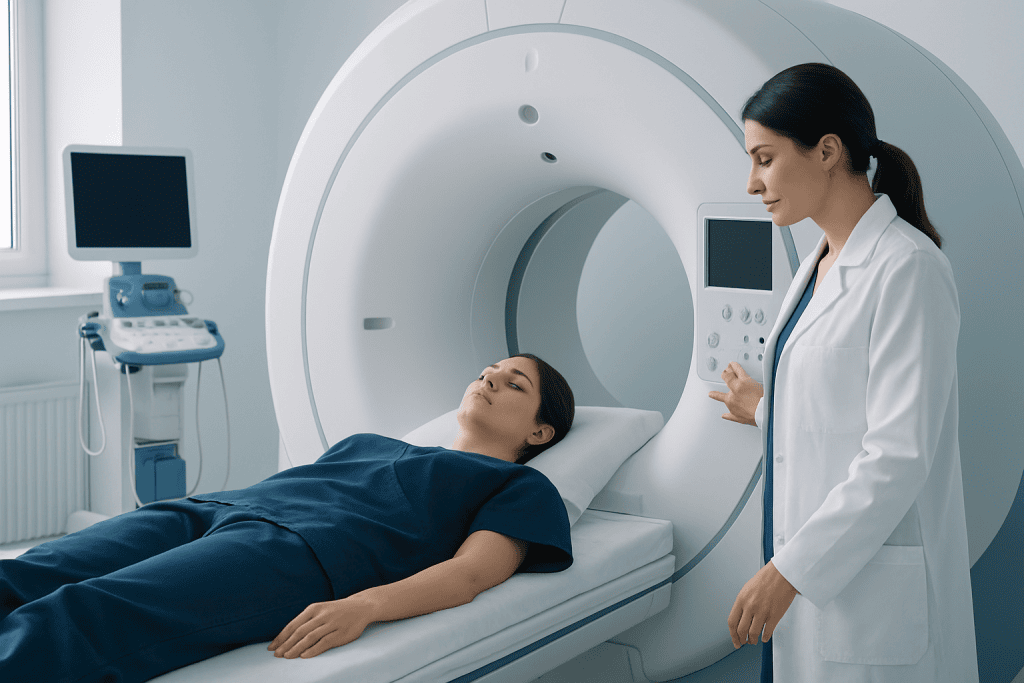
Diagnosis usually starts with a medical history and physical examination. A doctor asks about symptoms, duration, recent changes, family history, smoking, occupational exposures, and other health conditions. The next step depends on the location of the suspected neoplasm and may include blood tests, ultrasound, X-ray, CT, MRI, or endoscopy.
Imaging helps show the size, shape, and location of a mass, but imaging alone cannot always determine whether a neoplasm is benign or malignant. In many cases, a biopsy is needed. During a biopsy, a sample of tissue or cells is removed and examined by a pathologist. This is often the most reliable way to confirm the diagnosis and guide treatment decisions.
Some patients may also need staging tests if cancer is suspected or confirmed. Staging describes how far a malignant neoplasm has spread and is essential for choosing treatment. Depending on the organ involved, evaluation may include PET-CT, specialized pathology, or consultation with oncology and surgical teams. Doctors may also compare the findings with known diseases such as colon cancer when symptoms or imaging suggest a specific source.
Treatment options and what they depend on
Treatment for a neoplasm depends on whether it is benign, premalignant, or malignant, as well as its size, location, growth rate, and effect on surrounding organs. Some benign neoplasms do not need immediate treatment and can be monitored with regular exams or imaging. Others may need removal if they cause pain, bleeding, cosmetic concerns, blockage, or uncertainty about the diagnosis.
Premalignant neoplasms are often treated to reduce the chance of progression. This may involve removing the lesion, treating the affected area locally, or increasing surveillance. Malignant neoplasms often require one or more therapies used together, such as surgery, chemotherapy, radiation therapy, targeted therapy, hormone therapy, or immunotherapy. The plan is individualized to the patient and the specific tumor type.
Surgery is a common option when a neoplasm is localized and can be removed safely. Some patients may also need systemic treatment before or after surgery to shrink a tumor or lower the risk of recurrence. Multidisciplinary discussion is especially important for complex cases because it brings together pathology, radiology, surgery, and cancer specialists to choose the most suitable approach. Near the end of the care pathway, patients may also seek coordinated evaluation at centers such as Acibadem International, where multidisciplinary specialists in JCI-accredited hospitals diagnose and treat neoplastic conditions for international patients.
Self-care, monitoring, and follow-up
Self-care does not replace medical treatment, but it can support overall health during diagnosis and recovery. Patients are often advised to keep follow-up appointments, report new symptoms, and ask for clear explanations of test results. Understanding whether a neoplasm is benign, premalignant, or malignant can reduce uncertainty and help patients take an active role in decisions.
General healthy habits may also be useful, particularly for long-term prevention and recovery. These include avoiding tobacco, limiting excessive alcohol use, protecting the skin from ultraviolet exposure, staying physically active, eating a balanced diet, and taking part in age-appropriate screening. Screening can help detect some neoplasms before symptoms begin, especially in the breast, colon, cervix, prostate, and skin.
Emotional support is also important. Waiting for biopsy results or starting treatment can be stressful, and many patients benefit from family support, counseling, or patient education resources. Follow-up schedules vary widely, but they may include repeat imaging, blood tests, physical exams, or surveillance procedures to watch for growth, recurrence, or treatment effects.
When to seek medical care
Medical care should be sought if a person notices a new lump, persistent swelling, unexplained bleeding, a sore that does not heal, or ongoing symptoms such as pain, fatigue, cough, or changes in bowel habits. These symptoms are not always caused by a neoplasm, but they should not be ignored if they persist or worsen.
Prompt evaluation is especially important when there is rapid growth of a mass, difficulty breathing or swallowing, black or bloody stools, coughing up blood, unexplained weight loss, or neurological symptoms such as weakness, seizures, or severe new headaches. These signs do not confirm a serious diagnosis, but they do require timely medical assessment.
Anyone with a personal history of cancer, a strong family history of certain tumors, or a known premalignant condition should also keep regular follow-up appointments. Early assessment gives doctors the best chance to determine what a neoplasm is and whether it needs observation, further testing, or treatment.
Frequently asked questions
Is a neoplasm always cancer?
No. Neoplasm is a broad term that includes benign, premalignant, and malignant growths. Only malignant neoplasms are cancer, while benign neoplasms do not spread to distant organs.
What is the difference between a tumor and a neoplasm?
The two words are often used similarly, but neoplasm is the broader medical term for abnormal new growth of cells. Tumor usually refers to a lump or mass, while some neoplastic diseases, such as certain blood cancers, may not form a solid tumor.
Can a benign neoplasm become malignant?
Some benign neoplasms remain harmless and never turn into cancer. However, certain lesions can have premalignant potential or develop changes over time, which is why doctors may recommend monitoring or removal in selected cases.
How is a neoplasm confirmed?
Imaging tests can show that a mass is present, but a biopsy is often needed to confirm exactly what it is. A pathologist examines the sample under a microscope to determine the cell type and whether the growth is benign or malignant.
What treatments are used for neoplasms?
Treatment depends on the type and behavior of the neoplasm. Options may include observation, surgery, medicines such as chemotherapy or targeted therapy, radiation therapy, or a combination of these approaches.
Can neoplasms be prevented?
Not all neoplasms can be prevented, but some risks can be lowered. Avoiding tobacco, protecting the skin from too much sun, maintaining healthy habits, and attending recommended screening tests can reduce the chance of certain neoplastic diseases or help find them earlier.
References
This article is for general information only and is not a substitute for professional medical advice. Please consult a qualified doctor about your individual situation.
Oncology care in Turkey — second opinion and treatment plan
JCI-accredited · board-certified surgeons · reply within 24h
Add us as a Preferred Source to see more of our trusted health content across Google Search, AI Overviews and Discover.