Brush Hair Brushes: A Complete Medical Overview

Hair brushes do not usually cause disease, but poor brush choice or hygiene can worsen breakage, tangling, and scalp irritation. Different brush types work better for different hair textures, styling goals, and scalp sensitivities.
Key Takeaways
- Hair brushes do not usually cause disease, but poor brush choice or hygiene can worsen breakage, tangling, and scalp irritation.
- Different brush types work better for different hair textures, styling goals, and scalp sensitivities.
- A brush should be cleaned regularly to remove shed hair, oil, skin cells, and product residue.
- Pain, redness, scaling, patchy hair loss, or signs of infection should be assessed by a qualified doctor.
- Gentle technique matters as much as the brush itself, especially for wet, fragile, or chemically treated hair.
Brush hair brushes are everyday tools, but they can influence hair breakage, scalp comfort, oil distribution, and product buildup. Choosing the right brush, cleaning it regularly, and watching for scalp symptoms can help support healthier hair and skin.
Overview: what brush hair brushes means for health
Brush hair brushes refers to the use, selection, and care of hair brushes as part of daily grooming. For most people, a hair brush is simply a styling tool, but it also affects scalp comfort, friction on the hair shaft, and the spread of oils and product residue through the hair. In that sense, hair brushing has a small but meaningful role in general hair and scalp health.
A brush does not directly treat hair loss or scalp disease. However, the wrong brush, rough brushing, or poor cleaning habits may contribute to tangles, split ends, breakage, scalp sensitivity, and buildup. For people with underlying scalp conditions, brushing can sometimes make symptoms more noticeable.
Healthy brushing usually means matching the brush to the person’s hair type, brushing with light pressure, and cleaning the brush often enough to keep debris from collecting. This practical approach can help reduce unnecessary damage while making hair easier to manage.
How hair brushes affect hair and scalp
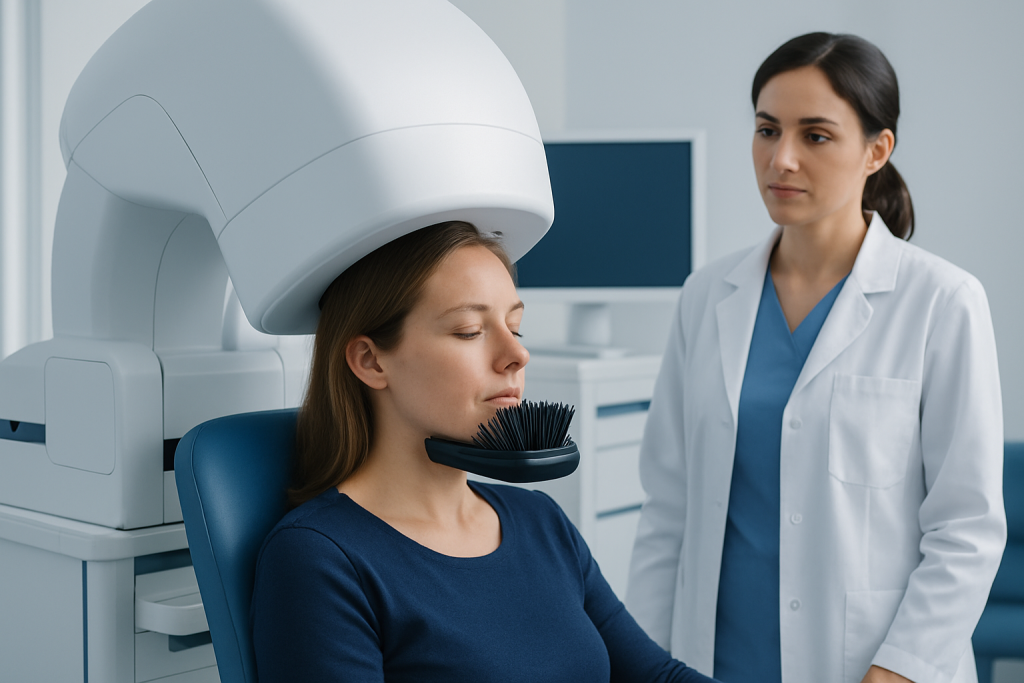
Hair fibers are strongest when handled gently and become more vulnerable when wet, chemically treated, heat-styled, or naturally fine. Brushing creates friction. A brush that pulls too hard, catches easily, or is used aggressively may cause mechanical damage to the hair shaft. Over time, this can show up as frizz, broken ends, and shorter hairs that look like shedding.
The scalp can also respond to brushing. Gentle brushing may help move natural oils from the scalp through the hair, which some people find improves shine and manageability. But firm, repeated brushing can irritate sensitive skin, especially if there is dandruff, eczema, psoriasis, or inflammation already present.
Brushes also collect shed hair, skin flakes, sebum, and styling products. If not cleaned regularly, these materials can transfer back onto the scalp and hair. This does not mean a dirty brush always causes disease, but it can worsen scalp discomfort and make hair look oily or dull more quickly.
In some cases, symptoms blamed on a brush may actually reflect an underlying condition such as hair loss, seborrheic dermatitis, contact irritation, or fungal infection. That is why persistent symptoms deserve medical attention rather than repeated changes in grooming products alone.
Choosing the right brush for different hair types
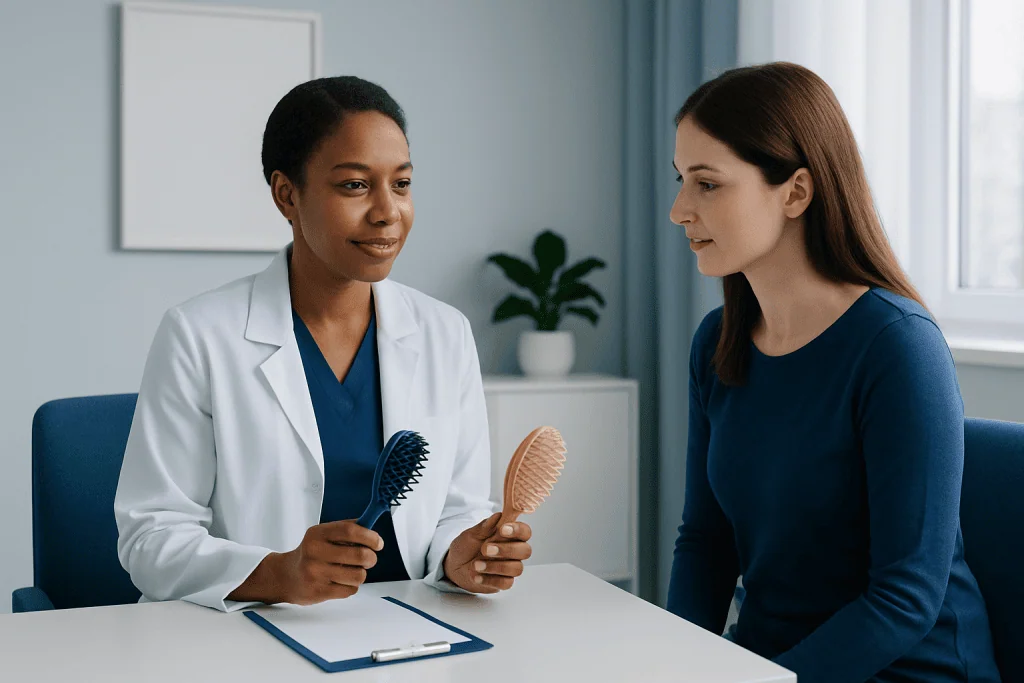
No single brush is best for everyone. People with fine or fragile hair often do better with soft, flexible bristles that reduce tension. Those with thick or long hair may benefit from a wider brush that detangles in sections. Curly, coily, or tightly textured hair often requires extra care because brushing dry hair can increase breakage and disrupt the curl pattern.
Common options include paddle brushes for smoothing and general detangling, round brushes for blow-drying and shaping, vented brushes for faster airflow, and widely spaced detangling brushes for knot-prone hair. Bristle firmness, cushion flexibility, and brush size all matter. A very stiff brush may feel efficient but can be too harsh for a sensitive scalp.
Technique is as important as design. It is generally kinder to start at the ends and work upward in small sections rather than pulling from roots to ends in one motion. Wet hair should be handled especially carefully because it stretches more easily and may snap under tension.
People who notice significant shedding while brushing should remember that some daily shedding is normal. The key concern is not the sight of hair in the brush alone, but whether there is increasing breakage, thinning, scalp pain, or visible patches of hair loss. If these occur, a dermatologist may recommend an evaluation and, when appropriate, options such as hair transplant treatment for selected causes of lasting hair loss.
Brush hygiene and cleaning habits
Cleaning a hair brush is a simple step that many people overlook. Each use leaves behind loose hairs, oils, dead skin cells, dust, and styling products. Over time, this buildup can make the brush less effective and may contribute to scalp discomfort or make freshly washed hair feel unclean sooner.
A practical routine is to remove trapped hair after each or every few uses. The brush itself can then be washed periodically, depending on how often it is used and how much product is applied to the hair. Many people can clean the brush with warm water and a mild cleanser, then rinse and allow it to dry completely before reuse. Brushes with wood, fabric cushioning, or electrical components may need gentler care according to the manufacturer’s instructions.
Hair brushes should not usually be shared, especially when someone has scalp irritation, dandruff, or a possible infection. Sharing grooming tools can spread organisms such as fungi or lice. If there is a concern for a contagious scalp problem, the person should stop sharing hats, combs, and brushes until a doctor has advised that it is safe.
Regular brush hygiene works best alongside routine scalp care. In people with persistent flaking, itching, or redness, the brush alone is rarely the full answer. The underlying problem may need medical assessment and targeted care, sometimes involving dermatology treatment for the scalp and hair-bearing skin.
Common problems linked to brushing
Several everyday hair complaints are related partly to brushing habits. The most common are breakage, static, frizz, tangling, scalp tenderness, and visible product buildup. These issues may be more noticeable in people who use heat tools frequently, color their hair, bleach it, wear tight hairstyles, or brush very often.
One mechanical problem is traction. Repeated tension from forceful detangling or tight styling can stress the hair roots and scalp. Over time, this may contribute to hair fragility or traction-related thinning. Similarly, scraping the scalp with hard bristles or sharp seams can cause irritation and sometimes minor skin injury.
Some people develop contact sensitivity to materials used in handles, coatings, or hair products that accumulate on the brush. Symptoms can include itching, burning, redness, or rash around the scalp, hairline, ears, or neck. Others may notice worsening flakes because buildup on the brush redistributes oils and skin debris.
Brushes do not usually cause severe scalp disease by themselves, but they can aggravate existing conditions. For example, brushing may make inflammation more uncomfortable in someone with eczema or psoriasis, or increase shedding visibility in a person already affected by alopecia. This is why symptom patterns matter more than the brush alone.
- More likely with harsh brushing: breakage, split ends, scalp tenderness
- More likely with poor cleaning: oily residue, flakes, odor, product buildup
- More likely with underlying disease: patchy hair loss, scaling, pustules, persistent itching
When brushing symptoms need medical evaluation
Most brushing-related concerns improve with gentler technique, a better-matched brush, and regular cleaning. Medical evaluation becomes more important when symptoms are persistent, progressive, or clearly out of proportion to grooming habits. A doctor will look beyond the brush to identify scalp inflammation, infection, hormonal factors, nutritional issues, or true hair disorders.
Warning signs include patchy hair loss, widening part lines, scalp pain, crusting, bleeding, pustules, thick scale, or hair that breaks off in large amounts despite careful handling. Children with scalp scaling or patchy hair loss should also be assessed because some contagious scalp infections need prompt treatment.
During an assessment, a clinician may ask about recent illness, stress, medications, hair treatments, hairstyles, and skin symptoms elsewhere on the body. The scalp and hair shafts may be examined closely, and tests may be considered if there is concern for fungal infection, inflammation, or systemic causes of shedding.
In many cases, patients benefit from specialist input when symptoms continue. If cosmetic procedures are relevant after a diagnosis is made, doctors may discuss options such as hair treatment plans tailored to the person’s hair and scalp condition.
Prevention and self-care for healthier brushing
Supportive hair care usually starts with reducing friction. Hair can be brushed in sections with slow, controlled strokes rather than repeated pulling. Detangling is often easier if the hair is first separated with the fingers, especially after washing or in very textured hair. Using a conditioner or detangling product may also reduce tugging for some people.
Choosing the right moment to brush matters. Some hair types do best when brushed less often, while others are easier to manage with regular gentle brushing. Wet hair should generally be treated carefully, and heat styling should be limited if there is already breakage. Tight hairstyles that place stress on the front hairline should be avoided or alternated.
General scalp care is also important. Washing frequency should suit the scalp’s oiliness, activity level, and product use. If dandruff, itching, or redness is ongoing, self-care has limits and medical advice is sensible. Home remedies may soothe minor dryness, but they should not replace diagnosis when symptoms persist.
Near the end of the care pathway, some people may need multidisciplinary support for persistent scalp or hair concerns. Acibadem International’s multidisciplinary specialists and JCI-accredited hospitals diagnose and treat hair and scalp conditions for international patients when further evaluation is needed.
When to seek medical care
A person should seek medical care if brushing is painful, if the scalp is red or swollen, or if there are signs of infection such as pus, crusting, or a bad odor. Medical advice is also important when hair loss is patchy, sudden, or associated with itching and scaling.
Professional evaluation is recommended if breakage continues despite gentler brushing, if there is unexplained thinning, or if symptoms begin after a new cosmetic product or treatment. People with underlying skin conditions, autoimmune disease, or recent major stress or illness may need a broader assessment.
Urgent care is appropriate if the scalp is severely inflamed, there is fever, or a child develops a rapidly spreading scalp rash with hair loss. In all cases, an accurate diagnosis helps guide the safest treatment and avoids unnecessary trial and error.
Frequently asked questions
Can dirty hair brushes cause hair loss?
A dirty brush does not usually cause true hair loss on its own. However, buildup of oil, skin cells, and products can worsen scalp irritation and make breakage or shedding more noticeable. If thinning is persistent or patchy, a doctor should assess other causes.
How often should a hair brush be cleaned?
Loose hair should ideally be removed often, such as after a few uses. The brush itself can be washed periodically based on use, scalp oiliness, and product buildup. People who use many styling products may need to clean brushes more frequently.
Is brushing hair 100 times a day helpful?
No medical evidence supports excessive daily brushing. Too much brushing can increase friction, static, scalp irritation, and hair breakage, especially in fragile or treated hair. Gentle brushing only as needed is usually better.
What type of brush is best for fragile hair?
Fragile hair often benefits from a brush with soft, flexible bristles and gentle cushioning. The goal is to reduce tugging and friction rather than force hair smooth. A doctor or hair care professional may give more specific advice based on texture and scalp condition.
Can sharing hair brushes spread scalp problems?
Yes, sharing brushes can spread lice and may also spread some fungal organisms or irritants. It is best not to share brushes, combs, hats, or similar items when anyone has scalp symptoms. Good tool hygiene is an important prevention step.
Should hair be brushed when wet or dry?
Wet hair is often more elastic and easier to damage, so it should be handled carefully. Some hair types can be detangled safely while damp with the right tool and conditioner, while others do better with minimal brushing. The safest approach depends on the hair’s texture, fragility, and styling routine.
This article is for general information only and is not a substitute for professional medical advice. Please consult a qualified doctor about your individual situation.
Hair transplant in Turkey — costs, graft counts & a free assessment
JCI-accredited · board-certified surgeons · reply within 24h
Add us as a Preferred Source to see more of our trusted health content across Google Search, AI Overviews and Discover.

More from the Health Library

High fever and chills: A Complete Medical Guide for Patients

ADHD Irritability: What Patients Need to Know

Intermittent: A Complete Medical Overview

Allergic Reaction to Mold: A Complete Medical Overview

Chicken: A Complete Medical Overview