Hypoesthesia: A Complete Medical Overview
Hypoesthesia means decreased sensation, not complete loss of feeling. It may affect the skin, limbs, face, or another body area and can be temporary or persistent.
Key Takeaways
- Hypoesthesia means decreased sensation, not complete loss of feeling.
- It may affect the skin, limbs, face, or another body area and can be temporary or persistent.
- Common causes include nerve compression, diabetes, vitamin deficiencies, stroke, multiple sclerosis, and injury.
- Evaluation often includes a neurological exam, blood tests, and imaging or nerve studies when needed.
- Sudden hypoesthesia, especially with weakness, facial droop, or speech changes, needs urgent medical care.
Hypoesthesia is reduced ability to feel touch, temperature, pain, or vibration in part of the body. It is a symptom rather than a disease, and identifying the cause is the key step toward appropriate treatment and recovery.
What hypoesthesia means
Hypoesthesia is a medical term for reduced sensation. A person with hypoesthesia may notice that part of the body feels less sensitive to touch, temperature, pain, pressure, or vibration than usual. It is not the same as total numbness or complete loss of feeling, although patients often describe it as “numbness” in everyday language.
Because sensation depends on healthy nerves, the spinal cord, and the brain working together, hypoesthesia can happen for many different reasons. The symptom may appear in one finger, one side of the face, a patch of skin, both feet, or a larger area. Some episodes are brief and harmless, such as pressure on a nerve while sitting awkwardly, while others point to an underlying neurological or metabolic problem that should be assessed.
Understanding where the decreased sensation occurs, how quickly it started, and whether it comes with other symptoms helps doctors narrow the cause. In clinical care, hypoesthesia is approached as an important clue rather than a final diagnosis.
How hypoesthesia feels and common symptoms
People experience hypoesthesia in different ways. The affected area may feel dull, “asleep,” padded, tingling, or less aware of contact. Some patients notice they cannot clearly distinguish hot from cold, or they feel pain less strongly than expected. Others recognize it when clothing, shoes, or touch feels unusual on one area of skin.
Hypoesthesia can occur on its own or along with other sensory changes. Tingling, burning, pins-and-needles, or abnormal sensitivity may happen at the same time, especially when nerves are irritated rather than fully impaired. In some conditions, reduced sensation alternates with discomfort or pain.
Symptoms that can accompany hypoesthesia include:
- Weakness in a hand, arm, leg, or face
- Clumsiness or poor coordination
- Balance problems
- Neck or back pain
- Headache or visual changes
- Speech difficulty or confusion
- Changes in bladder or bowel control
The exact pattern matters. For example, reduced sensation in the thumb, index finger, and middle finger may suggest nerve compression at the wrist, while symptoms in both feet can suggest peripheral nerve disease. One-sided facial or body symptoms may indicate a central nervous system problem and deserve prompt attention.
Causes and risk factors

Hypoesthesia can begin anywhere along the sensory pathway, from the skin’s nerve endings to the brain. One common cause is nerve compression. Examples include pressure on a nerve during sleep, a herniated disc affecting a spinal nerve, or entrapment syndromes such as carpal tunnel syndrome treatment when the median nerve is compressed at the wrist.
Peripheral nerve damage is another major cause. This can happen in diabetes, alcohol-related nerve injury, vitamin B12 deficiency, certain infections, autoimmune disease, medication side effects, or after trauma or surgery. If many peripheral nerves are affected, symptoms often start in the feet and gradually move upward. Some patients with reduced sensation in the legs are eventually found to have peripheral neuropathy.
Hypoesthesia may also come from conditions affecting the brain or spinal cord. Stroke, transient ischemic attack, multiple sclerosis, tumors, spinal cord compression, and inflammatory disorders can interfere with normal sensation. When numbness appears suddenly on one side of the body, clinicians consider stroke among the urgent possibilities.
Other contributing factors include poor circulation, exposure to extreme cold, repetitive strain, pregnancy-related swelling, and prolonged pressure on a limb. Risk is higher in people with diabetes, vitamin deficiencies, thyroid disease, autoimmune conditions, a history of neurological illness, or jobs and activities involving repetitive hand or spine stress.
How doctors diagnose hypoesthesia
Diagnosis starts with a careful history. Doctors ask when the symptom began, whether it was sudden or gradual, which body parts are involved, and what makes it better or worse. They also ask about pain, weakness, back or neck problems, headaches, recent infections, injuries, medications, alcohol use, and medical conditions such as diabetes.
A physical and neurological examination is central to the assessment. The clinician may test light touch, pinprick, vibration, joint position sense, temperature awareness, strength, reflexes, coordination, and gait. The pattern can offer valuable clues. For instance, a single nerve distribution differs from the “stocking-and-glove” pattern often seen in generalized peripheral nerve disorders.
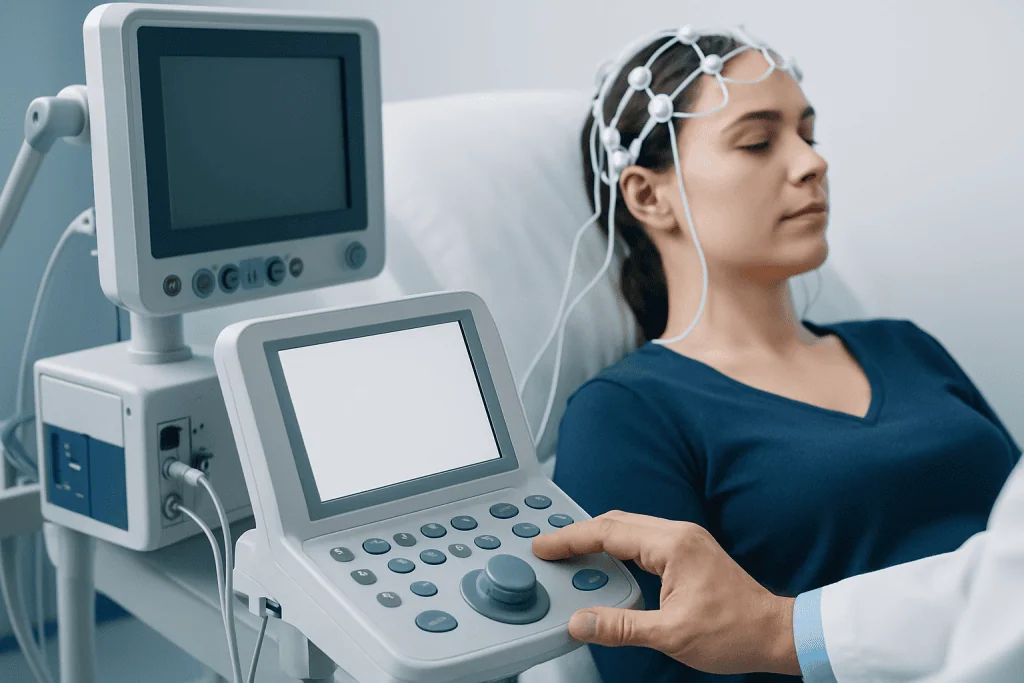
Depending on the suspected cause, further tests may include blood work to look for diabetes, vitamin deficiencies, thyroid problems, infection, or inflammation. Nerve conduction studies and electromyography help evaluate peripheral nerve and muscle function. Imaging such as MRI or CT may be needed if a brain, spine, or structural cause is suspected, and MRI is often especially useful for the brain and spinal cord.
Not every patient needs every test. The workup is tailored to the symptom pattern and the likely causes. The goal is to identify whether the problem is temporary and localized or whether it reflects a broader neurological or medical condition that needs treatment.
Treatment options and recovery
Treatment for hypoesthesia depends on the underlying cause. There is no single medicine that treats all reduced sensation, because hypoesthesia itself is a symptom. In many cases, care focuses on relieving pressure on a nerve, correcting nutritional or metabolic problems, controlling inflammation, or treating a neurological condition.
If diabetes is contributing to nerve damage, improving blood sugar management is an important step. When vitamin deficiency is present, replacing the deficient nutrient may help. Nerve compression may improve with rest, posture changes, splinting, physical therapy, or treatment directed at the compressed nerve or affected spine. People with symptoms from the neck or back sometimes benefit from structured physical therapy and rehabilitation.
When the cause is central nervous system disease, treatment may involve stroke care, immune-modulating therapy, surgery, or other specialized approaches. If a spinal problem is suspected, doctors may investigate conditions such as herniated disc as part of the evaluation. For persistent or progressive symptoms, referral to neurology, spine specialists, or rehabilitation experts may be appropriate.
Recovery varies. Temporary compression may resolve quickly, while nerve healing after injury can take weeks to months. Some long-standing nerve damage may only improve partially. Even when sensation does not fully return, treating the cause can prevent worsening and help protect function and safety.
Self-care, daily safety, and prevention
Because reduced sensation can make it harder to notice injury, everyday safety becomes important. People with hypoesthesia should check the affected area regularly for cuts, blisters, pressure marks, burns, or skin changes, especially on the feet. Water temperature should be tested carefully, and heating pads or ice packs should not be applied directly for long periods to areas with poor sensation.
Simple habits can also help reduce strain on nerves. These include changing positions regularly, avoiding prolonged leaning on elbows or crossing legs, using ergonomic workstations, and taking breaks during repetitive activities. Supportive footwear and attention to foot care are especially useful for those with diabetes or peripheral nerve symptoms.
General prevention focuses on the causes that can be modified. Good control of diabetes, balanced nutrition, limiting alcohol, regular exercise, healthy body weight, and prompt treatment of neck, back, or wrist overuse problems may lower risk. People taking medicines that can affect nerves should discuss symptoms early with their doctor rather than stopping medication on their own.
Self-care can support recovery, but new or unexplained hypoesthesia should not be ignored. Persistent symptoms deserve professional assessment to confirm the cause and prevent complications.
When to seek medical care
Urgent medical attention is important if hypoesthesia starts suddenly, especially if it affects one side of the body or comes with weakness, facial drooping, trouble speaking, severe headache, vision loss, confusion, or difficulty walking. These features can suggest stroke or another emergency and should be assessed immediately.
Medical review is also advised if reduced sensation follows an injury, spreads, keeps returning, interferes with daily activities, or is associated with severe neck or back pain. Progressive symptoms, loss of coordination, bladder or bowel changes, or numbness in the saddle area around the buttocks and inner thighs also need prompt evaluation.
For milder but persistent symptoms, a scheduled appointment with a qualified doctor is appropriate. A thoughtful assessment can identify treatable causes early, which may improve the chance of recovery and reduce the risk of further nerve damage.
For international patients who need multidisciplinary evaluation, Acibadem International’s specialists and JCI-accredited hospitals diagnose and treat neurological, spinal, and nerve-related conditions with coordinated care.
Frequently asked questions
Is hypoesthesia the same as numbness?
Hypoesthesia is the medical term for reduced sensation. Many people describe it as numbness, but medically it means decreased feeling rather than complete absence of feeling. The exact sensation can include dullness, reduced touch awareness, or decreased temperature perception.
Can hypoesthesia go away on its own?
Sometimes it can, especially if it is caused by temporary pressure on a nerve, minor swelling, or an awkward position. However, persistent, recurrent, or worsening hypoesthesia should be evaluated because it may reflect nerve injury, a metabolic disorder, or a neurological condition.
What is the difference between hypoesthesia and paresthesia?
Hypoesthesia means reduced normal sensation. Paresthesia refers to abnormal sensations such as tingling, pins-and-needles, crawling, or burning. Some people experience both at the same time if a nerve is irritated or damaged.
Is hypoesthesia a sign of stroke?
It can be, especially when reduced sensation begins suddenly and affects one side of the face or body. Stroke is more likely if there is also weakness, facial droop, speech difficulty, severe headache, or balance problems. Sudden symptoms need emergency assessment.
Which doctor treats hypoesthesia?
The right specialist depends on the suspected cause. Primary care doctors often begin the evaluation, and neurologists commonly assess nerve, brain, and spinal causes. Orthopedic, spine, rehabilitation, or endocrinology specialists may also be involved when the symptom relates to the musculoskeletal system, diabetes, or another underlying condition.
How is hypoesthesia tested?
Doctors usually begin with a neurological examination that checks touch, pain, vibration, reflexes, strength, and coordination. Depending on the pattern of symptoms, blood tests, nerve conduction studies, electromyography, or imaging such as MRI may be recommended to identify the cause.
This article is for general information only and is not a substitute for professional medical advice. Please consult a qualified doctor about your individual situation.
Explore treatments in Turkey — costs, top hospitals & a free quote
JCI-accredited · board-certified surgeons · reply within 24h
Add us as a Preferred Source to see more of our trusted health content across Google Search, AI Overviews and Discover.

More from the Health Library

Diastolic Heart Failure: A Complete Medical Overview

Treating Baldness in Females: What Patients Need to Know

Water From Bottle: A Complete Medical Overview

Jeringa: What Patients Need to Know

Momo Twins: An Evidence-Based Guide for Patients