

Is Broccoli Good for You? Causes, Explanations, and Next Steps

Broccoli is generally a healthy food that provides fiber, vitamin C, vitamin K, folate, and beneficial plant compounds. For many people, eating broccoli is harmless and part of a balanced diet.
Key Takeaways
- Broccoli is generally a healthy food that provides fiber, vitamin C, vitamin K, folate, and beneficial plant compounds.
- For many people, eating broccoli is harmless and part of a balanced diet.
- Some people notice gas, bloating, or stomach discomfort after eating broccoli, especially in large amounts or when it is eaten raw.
- People taking blood thinners, those with certain digestive conditions, or those with thyroid concerns may need individualized advice.
- Medical review is appropriate if symptoms are persistent, severe, or associated with weight loss, bleeding, or difficulty swallowing.
Yes, broccoli is good for most people. It is rich in fiber, vitamins, minerals, and plant compounds that support overall health, but it may cause digestive discomfort in some people or need special attention in certain medical situations.
Overview: Is broccoli good for you?
Yes. Broccoli is considered a highly nutritious vegetable and is a healthy choice for most people. It provides fiber, vitamins, minerals, and naturally occurring plant compounds that support normal body functions, including digestion, immune health, and cell protection.
For many people, eating broccoli causes no problems at all. When symptoms do happen, they are often mild and temporary, such as gas or bloating after a large serving, especially if the broccoli is raw. That means the answer to the question is usually reassuring: broccoli is good for you, but the best amount and preparation can vary from person to person.
It is also helpful to separate general nutrition advice from individual medical needs. A food can be healthy overall and still not suit everyone equally well. People with digestive sensitivity, certain medication needs, or specific health conditions may benefit from adjusting portion size, cooking method, or timing, rather than avoiding broccoli completely.
Why broccoli is considered a healthy food
Broccoli belongs to the cruciferous vegetable family. It is low in calories yet rich in important nutrients, making it a nutrient-dense food. In practical terms, this means it delivers a lot of nutritional value without adding much energy intake.
Broccoli contains fiber, which supports digestive health and can help with fullness after meals. It is also a source of vitamin C, vitamin K, folate, potassium, and other micronutrients needed for everyday health. Along with these nutrients, broccoli contains plant compounds such as glucosinolates and antioxidants, which are being studied for their role in supporting healthy cells.
Potential benefits of broccoli as part of a balanced eating pattern include:
- Supporting regular digestion through fiber
- Contributing to immune function with vitamin C
- Helping normal bone and blood-clotting processes through vitamin K
- Adding volume and satisfaction to meals with relatively few calories
- Increasing overall vegetable intake, which is linked with long-term health benefits
These benefits are strongest when broccoli is one part of an overall healthy lifestyle that also includes a varied diet, physical activity, sleep, and routine medical care. No single food can prevent disease on its own, but broccoli can be a useful part of a health-supportive diet.
Why broccoli sometimes causes symptoms
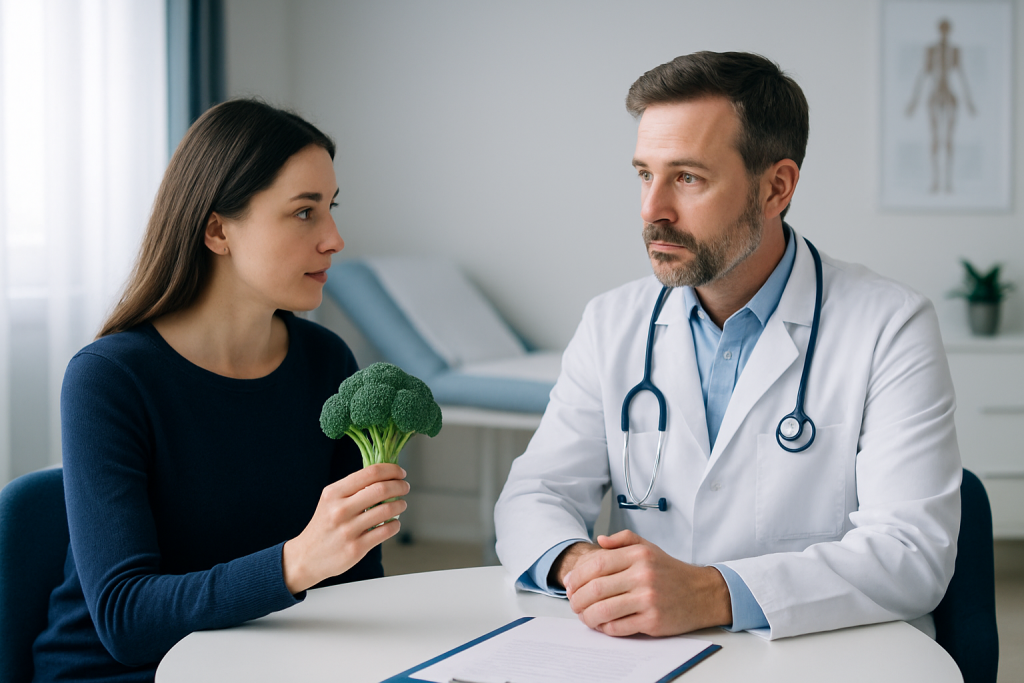
If broccoli is good for you, why does it sometimes seem to cause discomfort? The most common explanation is fermentation of certain carbohydrates in the digestive tract. Broccoli contains fiber and natural compounds that gut bacteria break down, which can lead to gas, bloating, and changes in bowel habits in some people.
Raw broccoli is more likely to cause digestive symptoms than cooked broccoli for some individuals. Cooking can soften the fiber structure and make it easier to tolerate. Large portions, eating quickly, or suddenly increasing vegetable intake may also contribute to discomfort.
Some people are more sensitive because of an underlying digestive condition. For example, symptoms may be more noticeable in people with irritable bowel syndrome or other causes of food-related bloating. In these situations, the issue is not that broccoli is harmful in general, but that the digestive system may react more strongly to it.
Less commonly, a person may notice throat itching, hives, or swelling after eating broccoli. That pattern suggests a possible food allergy or cross-reaction and should not be ignored, especially if breathing symptoms are present.
Who may need extra caution with broccoli
Although broccoli is healthy for most people, a few groups may need personalized guidance. One example is people who take warfarin or similar blood-thinning medicines. Because broccoli contains vitamin K, large swings in intake may affect how these medicines work. The goal is usually consistency rather than complete avoidance, but this should be discussed with the prescribing clinician.
People with thyroid conditions sometimes hear that cruciferous vegetables should be avoided. In reality, moderate amounts of broccoli are usually fine, especially when it is cooked and when iodine intake is adequate. Someone with a known thyroid disorder, however, may want individualized advice from a doctor or dietitian, especially if they are making major diet changes or have questions related to thyroid disease evaluation.
Digestive conditions can also influence tolerance. People with ongoing bloating, abdominal pain, diarrhea, constipation, or reflux may need a broader medical review to look for causes such as food intolerance, IBS, inflammatory conditions, or other gastrointestinal disorders. If symptoms continue, a specialist may recommend further assessment through a gastroenterology evaluation.
Finally, anyone with swallowing difficulty, repeated vomiting, or severe pain after eating should seek medical advice. Those symptoms point beyond ordinary food sensitivity and deserve proper assessment.
What doctors consider when symptoms happen after eating broccoli
When a person feels unwell after eating broccoli, doctors usually start by looking at the pattern rather than blaming the food immediately. They ask what symptoms occur, how soon they begin, how often they happen, whether the broccoli was raw or cooked, and what other foods were eaten at the same time. They also ask about medicines, bowel habits, weight changes, and family history.
The most common possibilities include normal gas production, food intolerance, flare-ups of an existing digestive condition, acid reflux, or less commonly allergy. If symptoms include abdominal cramping, diarrhea, and bloating across multiple foods, a doctor may look more broadly at digestive triggers rather than focusing only on broccoli.
Depending on the history, evaluation may include blood tests, stool tests, allergy assessment, or imaging and endoscopic procedures when appropriate. If ongoing upper digestive symptoms such as trouble swallowing, persistent reflux, or unexplained pain are present, doctors may consider a more detailed workup, including endoscopy in selected cases.
This stepwise approach is helpful because it keeps the focus on the whole clinical picture. In many cases, the explanation is benign and manageable. If another condition is found, identifying it early can guide more effective treatment.
Practical ways to eat broccoli more comfortably
Many people who feel uncomfortable after eating broccoli do better with a few simple adjustments. The easiest first step is to reduce the portion size and reintroduce it gradually. This gives the digestive system time to adapt, especially if fiber intake has been low.
Cooking methods can also make a difference. Steaming, roasting, or lightly sautéing broccoli may improve tolerance compared with eating it raw. Some people find that the stalks are harder to digest than the florets, while others tolerate small, well-cooked portions best.
Helpful self-care strategies include:
- Start with small servings rather than large portions
- Chew thoroughly and eat slowly
- Try cooked broccoli instead of raw
- Keep a food and symptom diary if patterns are unclear
- Increase overall fiber gradually and drink adequate fluids
If broccoli consistently causes symptoms, it may help to review the wider diet with a clinician or dietitian. Sometimes the issue is not one single food but a broader sensitivity pattern. Persistent symptoms may need medical assessment to rule out conditions such as gastroesophageal reflux disease or other digestive disorders.
When to seek medical care
Most mild gas or bloating after eating broccoli does not require urgent care. However, medical review is a good idea if symptoms are frequent, worsening, or interfering with daily life. This is especially true when the discomfort is not limited to broccoli and happens with many foods.
Red flags that should prompt medical attention include unexplained weight loss, blood in the stool, persistent vomiting, severe abdominal pain, ongoing diarrhea, new constipation that does not improve, trouble swallowing, or symptoms that wake a person from sleep. Signs of an allergic reaction, such as swelling of the lips or throat, wheezing, or breathing difficulty, need urgent medical attention.
Doctors may recommend nutrition changes, treatment for reflux or bowel symptoms, allergy review, or referral for further testing. In some cases, a broader digestive workup is needed, which may include colonoscopy or other investigations based on age, symptoms, and medical history.
For international patients who need evaluation, Acibadem International’s multidisciplinary specialists and JCI-accredited hospitals diagnose and treat digestive and nutrition-related concerns using an individualized approach.
Frequently asked questions
Is broccoli good for you every day?
For many people, broccoli can be part of a healthy daily diet. The key is variety, reasonable portions, and paying attention to individual tolerance rather than relying too heavily on any one food.
Why does broccoli make some people gassy?
Broccoli contains fiber and naturally occurring carbohydrates that can be fermented by gut bacteria. This process can create gas and bloating, especially if a person eats large amounts or is sensitive to certain vegetables.
Is raw broccoli healthier than cooked broccoli?
Both raw and cooked broccoli can be nutritious. Cooking may slightly change some nutrients, but it can also improve digestibility and make broccoli easier to tolerate for people who develop bloating with raw vegetables.
Can people with thyroid problems eat broccoli?
In moderate amounts, broccoli is usually acceptable for people with thyroid conditions, especially when it is cooked. Anyone with a diagnosed thyroid disorder or questions about diet changes should ask their doctor or dietitian for individualized advice.
Should people taking blood thinners avoid broccoli?
Not necessarily. Because broccoli contains vitamin K, people taking warfarin are often advised to keep their intake consistent rather than avoiding it completely. Medication management should always be guided by the prescribing clinician.
When is broccoli-related stomach upset a reason to see a doctor?
Occasional mild gas is common and often harmless. A doctor should review symptoms that are severe, frequent, associated with weight loss or bleeding, or accompanied by swallowing problems, vomiting, or persistent bowel changes.
References
- World Health Organization
- U.S. Department of Agriculture
- National Institutes of Health
- Academy of Nutrition and Dietetics
- National Institute of Diabetes and Digestive and Kidney Diseases
This article is for general information only and is not a substitute for professional medical advice. Please consult a qualified doctor about your individual situation.
Persistent digestive symptoms? Get evaluated in Turkey
JCI-accredited · board-certified surgeons · reply within 24h
Add us as a Preferred Source to see more of our trusted health content across Google Search, AI Overviews and Discover.

More from the Health Library



Related Specialists

Ody. Rabia Aktaş
Audiology
Dr. Fatih Pehlivan
Inpatient Clinic Physicians
Prof. Dr. Tolga Tüzüner
Orthopedic Surgery & Traumatology
Dr. Anil Karaağaç
Cardiovascular Surgery