F Cup: A Complete Medical Overview

An f cup is a sizing term based on the difference between bust and band measurements. Cup letters are not absolute; an F cup looks different on different band sizes.
Key Takeaways
- An f cup is a sizing term based on the difference between bust and band measurements.
- Cup letters are not absolute; an F cup looks different on different band sizes.
- Large breasts may contribute to pain, posture strain, skin irritation, or exercise discomfort in some people.
- A well-fitted supportive bra can improve comfort and function.
- Persistent symptoms should be assessed by a qualified doctor to rule out other causes and discuss treatment options.
An f cup is a bra cup-size label that describes breast volume relative to band size, not a single universal breast size. For some people, an f cup causes no medical issues, while for others it may contribute to back, neck, shoulder, skin, or activity-related symptoms that deserve attention.
Overview: What an F Cup Means
An f cup is a bra sizing term, not a diagnosis or a medical category. In practical terms, it describes breast volume in relation to the measurement around the chest under the breasts, called the band size. This is why an F cup does not represent one fixed breast size: a 32F, 36F, and 40F all have different overall proportions and fit differently on the body.
From a health perspective, having an f cup can be completely normal. Breast size varies widely because of genetics, body weight, hormonal changes, pregnancy, aging, and overall body composition. Some people with an F cup have no symptoms at all, while others notice physical strain or lifestyle limitations related to breast weight and movement.
It is also important to separate clothing size from health concerns. Bra labels can differ by brand and country, and many people wear the wrong size for years. When symptoms such as neck pain, shoulder grooving, skin irritation, or exercise discomfort are present, the issue may be partly related to breast size, partly related to bra fit, or both.
How Bra Sizing Works
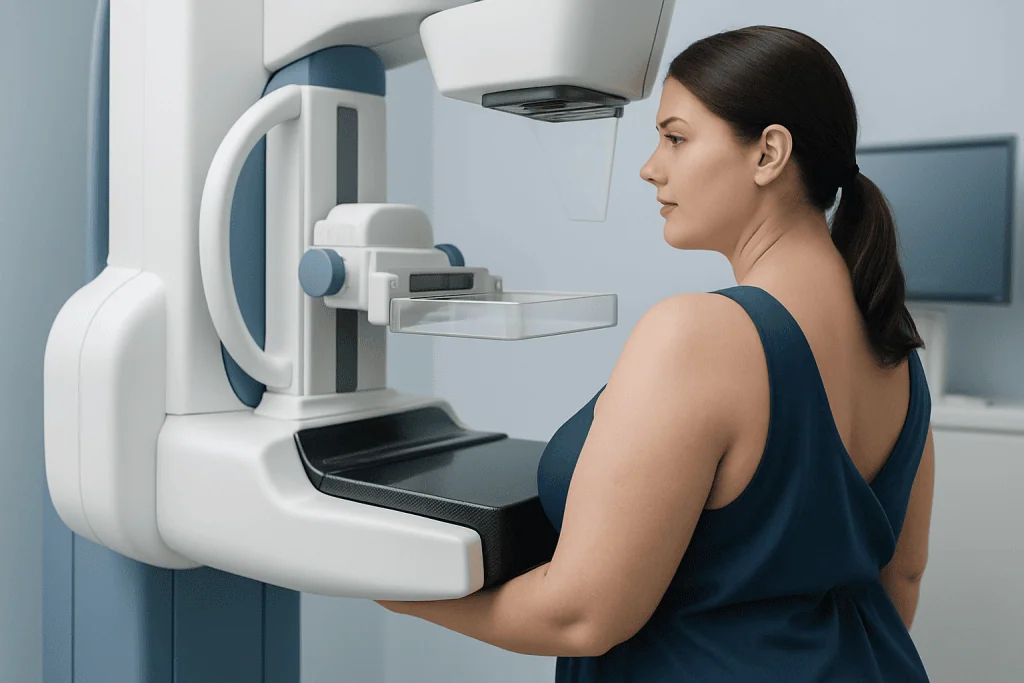
Bra size includes two parts: the band number and the cup letter. The band is based on the ribcage measurement, while the cup reflects the difference between the bust measurement and the band measurement. Because cup size is relative to band size, the same cup letter does not have the same volume across all bands.
This relative system explains why discussing an f cup without the band size can be misleading. For example, someone with a smaller ribcage and an F cup may have a different body shape and total breast volume than someone with a larger ribcage and the same cup letter. In daily life, this affects comfort, support needs, clothing fit, and the likelihood of strain symptoms.
Many people benefit from a professional fitting or careful home measurement. Signs of poor fit include straps digging into the shoulders, the band riding up in the back, breast tissue spilling out of the cups, underwires sitting on breast tissue, or frequent need to adjust the bra during the day. Better fit alone can noticeably reduce discomfort.
Possible Physical Effects of an F Cup

Breast size itself is not an illness, but larger breasts can change how force is distributed across the neck, shoulders, chest wall, and upper back. Some individuals with an f cup report aching in the neck or upper back, shoulder grooves from bra straps, poor exercise tolerance, or discomfort when lying face down or running. Symptoms vary with posture, core strength, occupation, and body frame.
Skin-related issues are also common in people with heavier breasts. Friction, heat, and trapped moisture under the breast fold can lead to redness, itching, chafing, or recurrent rash. This may sometimes overlap with fungal or irritant skin problems, especially in hot weather, during exercise, or when bras do not breathe well.
In addition, larger breasts can influence emotional well-being. Some people feel self-conscious, struggle to find supportive clothing, or avoid sports and social activities because of unwanted attention or discomfort. These concerns are valid health issues because they can affect function, confidence, sleep, and quality of life.
- Common concerns include neck, shoulder, and upper-back pain
- Bra strap grooves or pressure marks
- Under-breast rash, irritation, or sweating
- Difficulty with high-impact exercise
- Posture-related muscle fatigue
Causes and Factors That Influence Breast Size
Breast size is influenced mainly by genetics and hormones. Breasts contain glandular tissue, connective tissue, and fat, so overall body composition can affect size as well. During puberty, menstrual cycles, pregnancy, breastfeeding, and menopause, breast volume and tenderness may change naturally.
Weight changes can also alter breast size because breasts often contain a significant amount of fatty tissue. Some people notice breast enlargement with weight gain and reduction with weight loss, while others experience less change because their breast composition is more glandular than fatty. Medications and hormonal contraception may also affect fullness in some cases.
Occasionally, very large or rapidly enlarging breasts deserve medical evaluation. Marked asymmetry, a new lump, skin dimpling, nipple discharge, or sudden one-sided change should not be assumed to be part of normal size variation. These signs may need breast assessment, imaging, or specialist review. Related breast concerns can be evaluated in the context of breast health symptoms when warning signs are present.
Assessment and Diagnosis When Symptoms Are Present
There is no medical test to diagnose an f cup, because it is simply a clothing size. Medical evaluation becomes relevant when breast size is associated with pain, skin problems, posture strain, activity limitation, numbness from bra pressure, or emotional distress. A clinician will usually ask about symptom pattern, bra fit, exercise habits, weight changes, pregnancy history, and any breast-specific symptoms.
The physical examination may include the neck, shoulders, spine, posture, skin under the breasts, and the breasts themselves. The goal is to determine whether symptoms are likely related to breast weight, poor support, skin irritation, muscle strain, or another condition such as spinal disease, shoulder pathology, or a skin infection. In some cases, doctors may recommend imaging or referral if there are focal breast symptoms or concerns unrelated to size alone.
For people with chronic pain or severe skin irritation, assessment is also used to plan treatment. This may include supportive garments, physical therapy strategies, weight management if appropriate, skin care measures, or consultation with specialists in breast and body contour procedures. If there are signs of a skin condition rather than simple friction, a doctor may consider evaluation similar to other concerning skin changes to exclude less common causes.
Treatment and Management Options
Management depends on whether the issue is mainly fit, symptoms, or both. The first step is often practical: a well-fitted, supportive bra with a firm band, full cup support, and wider straps can reduce shoulder strain and breast movement. Sports bras designed for higher-impact activity may make exercise more comfortable and support participation in a healthier, more active lifestyle.
Conservative care may also include posture training, strengthening of the upper back and core, stretching, weight management when relevant, and treatment of skin irritation. Keeping the area under the breasts dry, using breathable fabrics, and changing out of sweaty bras promptly can help reduce chafing and rash. If rashes recur, a clinician can advise whether there may be fungal infection, eczema, or another treatable cause.
When symptoms are persistent and significantly affect daily life, a specialist may discuss procedural options. In selected patients, breast reduction surgery can reduce breast volume and help relieve strain-related symptoms. Some individuals also seek advice within plastic and reconstructive surgery services to understand the risks, benefits, recovery, and expected outcomes. If posture or musculoskeletal pain is a major concern, supportive rehabilitation measures may be part of a broader plan alongside physical therapy and rehabilitation.
Self-care, Support, and Daily Comfort
Everyday habits can make a meaningful difference. A supportive bra should do most of the lifting through the band rather than the shoulder straps. Replacing worn bras, rotating between several supportive options, and choosing sports bras for activity can improve comfort. Soft seams, moisture-wicking fabrics, and correct cup coverage may also reduce skin friction.
For posture and muscle comfort, regular movement is helpful. Gentle strengthening of the back, shoulders, and core can improve endurance and reduce fatigue from prolonged sitting or standing. Ergonomic adjustments at work, such as chair support and screen height, may also reduce secondary strain that larger breasts can aggravate.
Skin care matters as well. After bathing or exercise, the area under the breasts should be dried carefully. Loose, breathable clothing may help in warm climates. If redness, odor, soreness, or cracking develops repeatedly, it is sensible to seek medical advice rather than rely only on over-the-counter products.
Near the end of the care pathway, some people benefit from specialist review to discuss persistent symptoms in a multidisciplinary setting. Acibadem International’s multidisciplinary specialists and JCI-accredited hospitals evaluate and treat breast-related symptoms for international patients when assessment or procedural care is needed.
When to Seek Medical Care
Medical care is appropriate when breast size is linked to ongoing pain, recurrent rash, numbness from bra pressure, sleep disturbance, or limitation in exercise and daily activities. A doctor can help confirm whether symptoms are related to breast weight, bra fit, posture, skin problems, or another condition that needs separate treatment.
Urgent evaluation is especially important for a new breast lump, one-sided enlargement, nipple discharge, skin dimpling, fever with breast redness, or unexplained weight loss. These findings do not necessarily mean something serious, but they should not be ignored. A prompt professional assessment is the safest next step.
People should also seek care if self-management is not enough. If repeated fittings, supportive bras, exercise adjustments, and skin care measures still do not control symptoms, a qualified clinician can discuss additional options, including specialist referral.
Frequently asked questions
Is an F cup considered large?
An F cup is generally considered a larger cup size, but it is not a fixed breast size on its own. The overall size depends on the band measurement, so a 32F and a 40F are not equivalent in volume or appearance.
Can an F cup cause back or shoulder pain?
It can in some people, especially if breast weight, posture, muscle strain, or poor bra support are contributing factors. However, back and shoulder pain have many possible causes, so a medical assessment may be helpful if symptoms persist.
Does weight loss always reduce an F cup size?
Not always. Breasts contain both fatty and glandular tissue, so the amount of change with weight loss varies from person to person. Some people notice a clear reduction, while others see little change.
How can someone tell if their bra size is wrong?
Common signs include straps digging in, the back band riding up, cups overflowing or gaping, underwires sitting on breast tissue, and frequent adjustment during the day. A professional fitting or careful home measurement can often improve comfort significantly.
When is breast reduction considered?
Breast reduction may be considered when large breasts cause ongoing physical symptoms such as pain, skin irritation, posture problems, or limitations in activity despite supportive measures. A specialist can explain whether a person is a suitable candidate and review benefits and risks.
Should a person with an F cup have more breast cancer screening?
Breast size alone does not automatically change standard screening recommendations. Screening is usually based on age, personal history, family history, symptoms, and risk factors, so a doctor can advise on the right plan.
This article is for general information only and is not a substitute for professional medical advice. Please consult a qualified doctor about your individual situation.
Joint and spine care in Turkey — expert assessment & treatment
JCI-accredited · board-certified surgeons · reply within 24h
Add us as a Preferred Source to see more of our trusted health content across Google Search, AI Overviews and Discover.

More from the Health Library

Water Vape: A Complete Medical Overview

Leukonychia: Symptoms, Causes, and Treatment — Complete Patient Guide

Depression: An Evidence-Based Guide for Patients

Semaglutide: An Evidence-Based Guide for Patients

Enlarged Pituitary Gland: An Evidence-Based Guide for Patients