Foot Mask: A Complete Medical Overview

Foot masks are not all the same; some mainly moisturize, while others exfoliate and cause peeling over several days. They may help with rough, dry heels, but they do not treat every foot problem and can irritate damaged or sensitive skin.
Key Takeaways
- Foot masks are not all the same; some mainly moisturize, while others exfoliate and cause peeling over several days.
- They may help with rough, dry heels, but they do not treat every foot problem and can irritate damaged or sensitive skin.
- People with diabetes, poor circulation, eczema, open cracks, or foot infections should speak with a doctor before using a foot mask.
- A patch test, careful ingredient review, and following product instructions can reduce the risk of irritation.
- Persistent pain, redness, swelling, rash, odor, or skin breakdown should be medically assessed.
A foot mask is a topical product designed to moisturize, soften, or exfoliate the skin of the feet. It can be helpful for dryness and rough skin, but safe use depends on the ingredients, the condition of the skin, and whether there are underlying foot or skin problems.
What is a foot mask?
A foot mask is a skin-care product applied to the feet to improve dryness, roughness, or buildup of dead skin. In simple terms, a foot mask can moisturize the feet or loosen thick outer skin so it sheds gradually. The best choice depends on the person’s skin type, symptoms, and whether the feet are healthy or already irritated.
Most foot masks fall into two broad groups. Moisturizing masks contain ingredients such as glycerin, urea, oils, or occlusive emollients that help soften dry skin. Exfoliating masks, sometimes called peel masks, often contain acids such as lactic, glycolic, or salicylic acid, which can cause visible peeling several days after use.
These products are widely available, but they are not suitable for every situation. A foot mask may improve cosmetic dryness or rough texture, yet it is not a substitute for medical care when there is pain, infection, severe cracking, or an underlying skin disease. Understanding what a product is designed to do helps people use it more safely and with more realistic expectations.
How foot masks work and who may benefit

Moisturizing foot masks work by increasing water content in the outer layer of skin and reducing moisture loss. This can make the feet feel smoother and more comfortable, especially in people with mild dryness from weather, frequent standing, aging skin, or regular friction from shoes. Results are usually short term unless daily foot care is continued.
Exfoliating foot masks work differently. They weaken the bonds between old surface skin cells, allowing thicker dead skin to shed over the following days. This may help people with rough, callused skin on the soles or heels, but the process can look dramatic and may temporarily leave the skin more sensitive.
A foot mask may be most useful for people with uncomplicated dry feet, rough heels, or mild calluses. It is less likely to help if the real problem is athlete’s foot, eczema, psoriasis, contact dermatitis, or painful fissures. In those cases, identifying the cause matters more than simply removing skin.
For some people, regular moisturizing after bathing and gentle filing of thickened skin may work as well as, or better than, occasional mask use. A healthcare professional may suggest more structured treatment if dryness is severe or recurrent, especially when the feet are painful or the skin barrier is broken.
Possible risks, side effects, and who should be cautious
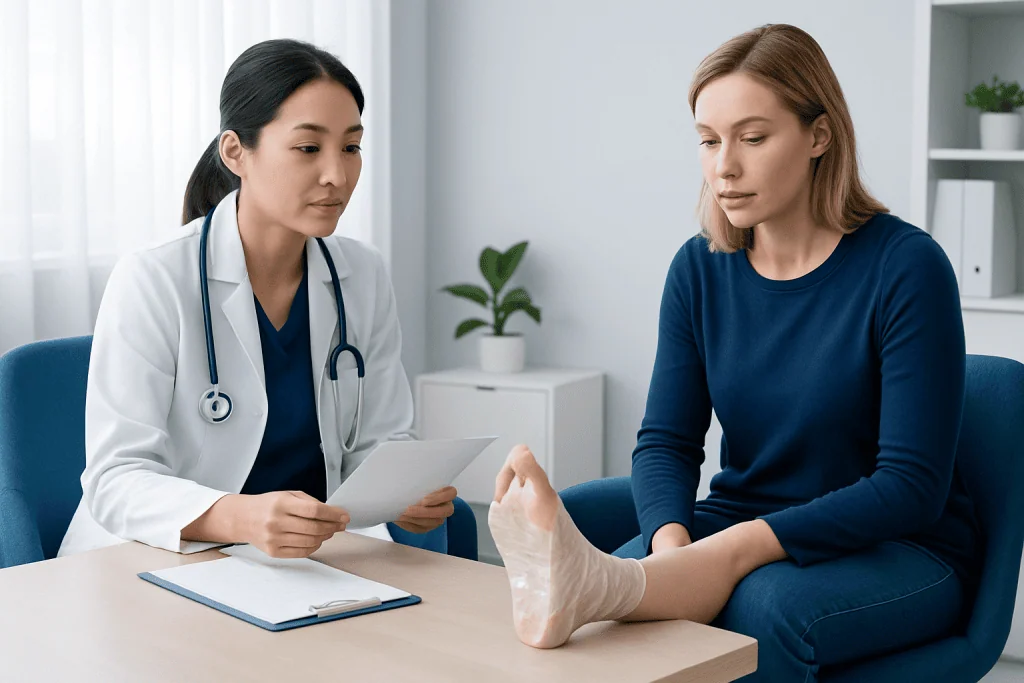
Although many products are marketed as simple beauty treatments, a foot mask can cause side effects. The most common are burning, stinging, redness, itching, peeling that is stronger than expected, and worsening dryness if the skin barrier becomes irritated. Fragrances, preservatives, essential oils, and exfoliating acids are frequent triggers for sensitive skin.
Using an exfoliating mask on already cracked, inflamed, or infected feet can make symptoms worse. Acids may enter small breaks in the skin and cause pain or chemical irritation. Some people also mistake fungal infection for dry skin and apply heavy moisturizers or peels, which may delay proper care.
Extra caution is important for people with diabetes, peripheral neuropathy, poor circulation, immune suppression, or reduced ability to feel pain in the feet. In these groups, even minor skin injury can become a larger problem. Anyone with a history of eczema, psoriasis, allergies, or repeated foot rashes should also be careful.
A foot mask should usually be avoided on skin with open cuts, bleeding cracks, ulcers, blisters, severe sunburn, or active infection. If there is uncertainty about whether rough feet are only dryness or part of a skin condition, a doctor or dermatologist can help clarify the cause before treatment is started.
How to choose and use a foot mask safely
The safest approach begins with reading the ingredient list and selecting a product that matches the concern. For dry, tight, flaky feet, a moisturizing mask is often the gentler option. For thicker rough skin without cracks or irritation, an exfoliating mask may be considered, but only if the skin is otherwise healthy.
Before full use, a small patch test can help identify irritation. Applying a little product to a limited area and waiting as directed may reduce the chance of a stronger reaction across the whole foot. It is also wise to avoid using a new foot mask right after shaving, vigorous scrubbing, or using other acid-based skin products.
Basic safe-use steps include:
- Follow the product instructions exactly, especially contact time.
- Do not leave the mask on longer in hopes of faster results.
- Do not apply to broken, inflamed, or infected skin.
- Wash hands after use and avoid touching the eyes or face.
- After an exfoliating mask, do not forcibly peel skin off.
- Use plain moisturizer afterward if the skin feels dry or tight.
If thick calluses or painful heels are persistent, professional foot care may be more appropriate than repeated home peeling. In some cases, a clinician may recommend a medical-grade emollient, careful debridement, or treatment of an underlying condition rather than repeated cosmetic products.
Foot masks and common foot conditions
Dry, peeling feet can have many causes, and a foot mask addresses only some of them. Simple xerosis, or dry skin, often improves with regular moisturization and protection from friction. However, itching between the toes, odor, scaling on one foot, or involvement of the nails can suggest fungal infection rather than ordinary dryness.
Athlete’s foot may need antifungal treatment instead of a cosmetic peel. If symptoms suggest infection, a person may need evaluation for athlete's foot and, when appropriate, targeted fungal infection treatment. Similarly, inflamed, itchy, or recurrent rashes may reflect eczema, allergic contact dermatitis, or another inflammatory skin problem rather than rough skin alone.
Very thick calluses, corns, or painful pressure points can be linked to foot shape, gait, or shoe fit. In those cases, removing surface skin without addressing the cause may provide only temporary relief. Supportive footwear, pressure reduction, and podiatric or orthopedic assessment may be more helpful than frequent home masking.
If dryness is severe enough to split the skin, management may include medical creams and treatment of inflammation or infection. Some people with chronic skin disease benefit from specialist care in dermatology rather than repeated over-the-counter products. A more complete evaluation is especially important when symptoms keep returning despite careful home care.
Daily foot care that often matters more than the mask
For long-term comfort, everyday foot care usually matters more than occasional intensive treatments. Washing the feet gently, drying well between the toes, and applying a fragrance-free moisturizer to the tops and soles can help maintain the skin barrier. Thick creams or ointments may be especially useful for heels, while the spaces between the toes should generally be kept dry.
Footwear also plays a major role. Shoes that rub, trap sweat, or create repeated pressure can contribute to calluses, cracks, and irritation. Breathable socks, well-fitted shoes, and changing out of damp footwear can reduce both friction and moisture-related problems.
Helpful prevention and self-care habits include:
- Moisturize dry feet daily, especially after bathing.
- Use gentle exfoliation rather than aggressive scraping.
- Avoid sharing nail or foot-care tools.
- Choose shoes with enough room and support.
- Seek care for persistent corns, calluses, or nail changes.
Some people with painful foot structure problems, recurrent pressure points, or difficulty walking may benefit from a broader foot assessment. Depending on the cause, management can include shoe advice, orthotics, or specialist review in orthopedics and traumatology. The aim is to protect the skin while also addressing the mechanical reason the problem developed.
When to seek medical care
Medical advice is appropriate if a foot mask causes significant burning, swelling, blistering, widespread rash, or skin breakdown. Care is also important if redness spreads, the area feels warm, there is pus or odor, or walking becomes painful. These symptoms may suggest irritation, infection, or another condition that should not be managed only at home.
A doctor should also assess foot problems that are persistent, recurrent, or unclear in cause. This includes cracked heels that bleed, thick scaling that does not improve, nail changes, one-sided rash, or symptoms that keep returning after over-the-counter care. People with diabetes, nerve problems, poor circulation, or immune system conditions should seek earlier advice even for seemingly minor foot changes.
Evaluation may involve a skin examination and, in some cases, testing to distinguish dryness from fungal infection, dermatitis, or inflammatory skin disease. Near the end of the care pathway, some patients may need coordinated input from dermatology, endocrinology, orthopedics, or wound-care teams. Acibadem International’s multidisciplinary specialists and JCI-accredited hospitals diagnose and treat foot skin and structural problems for international patients when expert assessment is needed.
Frequently asked questions
Is a foot mask good for dry feet?
A foot mask can help dry feet, especially if it is a moisturizing formula designed to support the skin barrier. However, the benefit is usually greatest when it is combined with regular daily moisturizing and good footwear habits. If dryness is severe, painful, or recurrent, a medical cause should be considered.
What is the difference between a moisturizing foot mask and a foot peel mask?
A moisturizing foot mask mainly softens and hydrates the skin. A foot peel mask uses exfoliating ingredients that can cause dead skin to shed over several days. Peel masks are stronger and are more likely to irritate sensitive, cracked, or inflamed skin.
Can a foot mask treat athlete's foot?
No, a foot mask is not a reliable treatment for athlete's foot. Fungal infection usually needs appropriate antifungal care, and some cosmetic products may even worsen irritation or delay correct treatment. Itching between the toes, odor, and scaling that keeps returning should be assessed.
Are foot masks safe for people with diabetes?
People with diabetes should be cautious and should usually ask a doctor before using a foot mask, especially an exfoliating one. Diabetes can affect circulation and sensation, which may make irritation or skin injury harder to notice and slower to heal. Even small breaks in the skin deserve careful attention.
Why do feet peel after using a foot mask?
Peeling happens mainly with exfoliating foot masks that loosen the outer layer of dead skin. This process may start a few days after use and can continue for several days. Skin should not be forcibly pulled off, because doing so can injure healthy skin underneath.
How often should a foot mask be used?
The right frequency depends on the type of mask and the condition of the skin. Moisturizing masks may be used more often than exfoliating masks, but all products should be used according to their instructions. Frequent use is not always better and can lead to dryness or irritation.
When should someone stop using a foot mask?
Use should be stopped if there is burning, pain, severe redness, swelling, blistering, or worsening cracks. A person should also stop if the skin looks infected or if symptoms do not match simple dryness. In those situations, a healthcare professional can advise on safer treatment.
This article is for general information only and is not a substitute for professional medical advice. Please consult a qualified doctor about your individual situation.
Explore treatments in Turkey — costs, top hospitals & a free quote
JCI-accredited · board-certified surgeons · reply within 24h
Add us as a Preferred Source to see more of our trusted health content across Google Search, AI Overviews and Discover.

More from the Health Library

Arnica: What Patients Need to Know

Testosterone — Explained by Medical Evidence, Not Myths

Women’s Health News Today: An Evidence-Based Guide for Patients

Caudal: An Evidence-Based Guide for Patients

Lokelma Uses: An Evidence-Based Guide for Patients