Thyroid Eye Disease Symptoms: Possible Causes and When to Seek Care

Thyroid eye disease can affect the tissues and muscles around the eyes, not just the thyroid gland itself. Common symptoms include gritty or dry eyes, redness, eyelid swelling, eye pressure, bulging eyes, and double vision.
Key Takeaways
- Thyroid eye disease can affect the tissues and muscles around the eyes, not just the thyroid gland itself.
- Common symptoms include gritty or dry eyes, redness, eyelid swelling, eye pressure, bulging eyes, and double vision.
- Symptoms may occur even when thyroid hormone levels are normal or already being treated.
- Smoking is a major risk factor and can worsen disease activity and treatment response.
- Urgent medical attention is needed for sudden vision changes, severe eye pain, color vision changes, or inability to close the eyes.
Thyroid eye disease symptoms often begin with eye dryness, irritation, swelling around the eyes, or a feeling of pressure, and may progress to bulging eyes, light sensitivity, or double vision. Because symptoms can change over time and do not always match thyroid hormone levels, timely assessment by an eye specialist and an endocrinologist is important.
Overview: what thyroid eye disease symptoms usually mean
Thyroid eye disease symptoms are changes caused by inflammation in the tissues, fat, and muscles around the eyes. People may notice dryness, watering, puffiness, redness, pressure behind the eyes, or that the eyes seem to stare or bulge more than before. In some cases, the first changes are subtle and are mistaken for allergies, tiredness, or ordinary eye strain.
This condition is most often linked to autoimmune thyroid disease, especially Graves’ disease, but it can also occur in people whose thyroid hormone levels are normal or who have an underactive thyroid. The eye symptoms happen because the immune system mistakenly targets tissues around the eyes, leading to swelling and, over time, scarring or muscle tightness in some people.
Thyroid eye disease usually has an active inflammatory phase followed by a more stable phase. That pattern matters because treatment may be different depending on whether the disease is actively inflamed or has become inactive but left structural changes behind. Recognizing symptoms early can help reduce discomfort and lower the chance of vision-related complications.
Common symptoms and how they may feel day to day
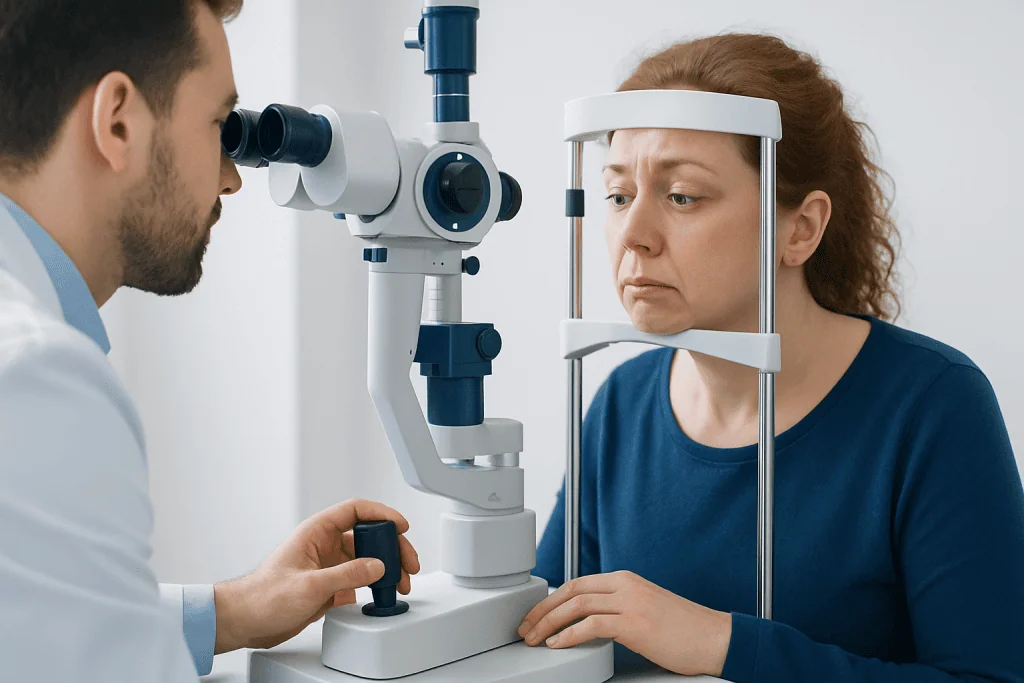
The most common thyroid eye disease symptoms include dry eyes, a gritty or sandy sensation, excessive tearing, redness, and swelling of the eyelids. Some people feel pressure or aching around the eyes, especially when looking up, down, or to the sides. Light sensitivity can also make reading, driving, or screen use less comfortable.
As swelling affects the tissues behind the eyes, the eyes may appear more prominent or bulging. The eyelids may pull back, creating a wide-eyed look or making it hard to close the eyes fully during sleep. This incomplete closure can worsen dryness and irritation, particularly overnight or in air-conditioned environments.
If the eye muscles become involved, double vision may develop. At first, this may happen only when looking in certain directions, but it can become more frequent. Visual blur can occur from dryness, while more serious visual symptoms can happen if the optic nerve is compressed, although that is less common and needs urgent evaluation.
- Dryness, burning, or grittiness
- Watery or red eyes
- Puffy eyelids or swelling around the eyes
- A feeling of pressure behind the eyes
- Bulging eyes or a staring appearance
- Light sensitivity
- Double vision
- Difficulty closing the eyes completely
Why symptoms happen: causes and risk factors

The underlying cause is usually an autoimmune process. In autoimmune thyroid disease, the immune system makes antibodies that react not only with the thyroid gland but also with tissues around the eyes. This triggers inflammation, fluid buildup, and enlargement of the muscles and fat behind the eye. Over time, the swollen tissues can push the eye forward or restrict normal eye movement.
The condition is strongly associated with Graves’ disease, though not everyone with Graves’ disease develops eye symptoms. Importantly, eye disease activity does not always parallel thyroid blood test results. A person may have eye symptoms before a thyroid diagnosis, during a period of overactive thyroid, or after thyroid function has been brought under control.
Smoking is one of the clearest risk factors. People who smoke are more likely to develop thyroid eye disease, may have more severe symptoms, and often respond less well to treatment. Other factors that may influence risk or severity include radioactive iodine treatment in some patients, poorly controlled thyroid function, and a personal history of autoimmune disease. Doctors often coordinate evaluation with specialists in endocrinology and eye care.
How doctors diagnose thyroid eye disease
Diagnosis begins with a careful history and eye examination. A doctor will ask when symptoms started, whether they are getting worse, and whether there is eye pain, double vision, color changes, or blurred vision. The examination may assess eyelid position, eye protrusion, eye movements, corneal exposure, visual acuity, and pressure within or around the eyes.
Blood tests may be used to check thyroid hormone levels and thyroid-related antibodies. These tests help identify associated thyroid disease, but normal blood results do not completely rule out thyroid eye disease. That is one reason symptoms and examination findings remain central to diagnosis.
Imaging can be helpful when the diagnosis is uncertain or when doctors need to assess severity. Orbital CT or MRI may show enlarged eye muscles and swelling behind the eyes. Imaging is especially important if there is concern about compression of the optic nerve, asymmetry that suggests another cause, or planning for specialist treatment through eye care and orbital services.
Treatment options: from symptom relief to specialist care
Treatment depends on how active the disease is and how much it is affecting comfort, appearance, and vision. Mild disease may be managed with lubricating eye drops, gels or ointments at night, protective eyewear, and practical steps to reduce exposure and dryness. Sleeping with the head elevated may help morning swelling, and some people benefit from prisms in glasses if double vision is limited.
When inflammation is moderate to severe, doctors may consider medicines that reduce immune-driven swelling. These can include corticosteroids or other targeted therapies selected by specialists. The aim is to control active inflammation, protect the cornea, preserve optic nerve function, and improve day-to-day symptoms. Thyroid levels should also be brought into a stable range, usually with coordinated care between ophthalmology and endocrinology.
In the inactive phase, surgery may sometimes be recommended if there is persistent bulging, eyelid retraction, or troublesome double vision. Depending on the problem, treatment may involve orbital decompression, eye muscle surgery, or eyelid procedures. If doctors suspect vision-threatening disease, prompt referral for ophthalmology assessment is important.
Self-care and prevention: what can help between visits
Self-care does not replace treatment, but it can make a meaningful difference in comfort. The most important preventive step is stopping smoking and avoiding secondhand smoke. Smoking cessation is one of the few actions consistently linked with better outcomes in thyroid eye disease.
Preservative-free artificial tears can help during the day, while thicker gels or ointments may be useful at night if the eyes do not close fully. Sunglasses may reduce light sensitivity and wind irritation. People who wake with dry or painful eyes may benefit from asking a clinician about nighttime moisture strategies or taping techniques, used only with proper guidance.
General thyroid care also matters. Keeping thyroid hormone levels stable, attending follow-up appointments, and reporting new symptoms early can support better control. Some patients with autoimmune thyroid problems may already be under care for hyperthyroidism or related hormone issues; coordinated management can help address the thyroid and the eyes together.
When to seek medical care
Medical evaluation is appropriate if eye irritation, puffiness, pressure, or a change in appearance lasts more than a short time, especially in someone with current or past thyroid disease. Assessment is also sensible if symptoms are affecting sleep, reading, driving, work, or use of digital screens. Early review helps doctors confirm whether symptoms are due to thyroid eye disease or another eye condition.
Urgent care is needed if there is sudden blurred vision, loss of color vision, new or worsening double vision, severe eye pain, marked difficulty moving the eyes, or an inability to close the eyelids that leaves the cornea exposed. These symptoms can signal more serious involvement that needs prompt specialist attention.
For international patients who need multidisciplinary evaluation, Acibadem International’s specialists in endocrinology and ophthalmology at JCI-accredited hospitals diagnose and treat thyroid-related eye conditions with coordinated care plans. A qualified clinician can advise which tests or treatments are most appropriate for the individual situation.
Frequently asked questions
What are the first signs of thyroid eye disease?
Early signs often include dry or watery eyes, redness, puffiness around the eyelids, and a gritty sensation. Some people also notice pressure behind the eyes or that their eyes look more open or prominent than before.
Can thyroid eye disease happen if thyroid blood tests are normal?
Yes. Thyroid eye disease can occur even when thyroid hormone levels are normal, and symptoms do not always match blood test results. Doctors look at the whole picture, including symptoms, examination findings, and thyroid antibody tests when needed.
Is thyroid eye disease the same as Graves’ disease?
Not exactly. Graves’ disease is an autoimmune thyroid disorder, while thyroid eye disease is an eye-related autoimmune condition that is often associated with Graves’ disease. A person can have Graves’ disease without significant eye involvement, and eye disease severity can vary widely.
Will thyroid eye disease go away on its own?
Symptoms may improve after the active inflammatory phase settles, but they do not always fully disappear on their own. Some people are left with ongoing dryness, eyelid retraction, bulging, or double vision that may need treatment.
Does smoking make thyroid eye disease worse?
Yes. Smoking is a major risk factor and is linked with more severe disease and poorer response to treatment. Stopping smoking is one of the most important steps a person can take to help protect their eye health.
When is thyroid eye disease an emergency?
It needs urgent medical attention if there is sudden vision loss or blur, reduced color vision, severe eye pain, rapidly worsening double vision, or trouble closing the eyes that leaves them exposed. These signs can indicate vision-threatening complications and should be assessed promptly.
References
- American Academy of Ophthalmology
- National Eye Institute
- American Thyroid Association
- European Group on Graves' Orbitopathy
- National Institute of Diabetes and Digestive and Kidney Diseases
This article is for general information only and is not a substitute for professional medical advice. Please consult a qualified doctor about your individual situation.
Explore treatments in Turkey — costs, top hospitals & a free quote
JCI-accredited · board-certified surgeons · reply within 24h
Add us as a Preferred Source to see more of our trusted health content across Google Search, AI Overviews and Discover.