Herpes Cold Sore: A Complete Medical Overview

Herpes cold sores are most often caused by herpes simplex virus type 1 (HSV-1). Cold sores usually start with tingling or burning before blisters appear on or around the lips.
Key Takeaways
- Herpes cold sores are most often caused by herpes simplex virus type 1 (HSV-1).
- Cold sores usually start with tingling or burning before blisters appear on or around the lips.
- The virus stays in the body after the first infection and may reactivate during stress, illness, or sun exposure.
- Antiviral medicines can shorten symptoms and may help reduce recurrences in some people.
- Medical evaluation is important for severe, frequent, or unusual sores, and for symptoms in babies or people with weakened immune systems.
A herpes cold sore is a common viral infection, usually caused by herpes simplex virus type 1, that leads to small painful blisters around the lips or mouth. Although cold sores can come back over time, they are often manageable with self-care, trigger awareness, and antiviral treatment when needed.
Overview: what a herpes cold sore is
A herpes cold sore is a cluster of small blisters that usually appears on the lips, around the mouth, or sometimes on nearby facial skin. It is most commonly caused by herpes simplex virus type 1 (HSV-1). The sore may feel tender, burn, or tingle before the blister becomes visible. In many people, the blister breaks, crusts, and heals on its own over one to two weeks.
Cold sores are extremely common and are different from canker sores, which form inside the mouth and are not caused by herpes viruses. A person can develop a first episode after contact with the virus, then experience no further symptoms for long periods. In others, cold sores return from time to time because the virus remains inactive in nerve tissue and can reactivate later.
Most herpes cold sore episodes are uncomfortable but not dangerous in otherwise healthy adults. Still, the infection is contagious, especially when blisters are present, and it can spread through close skin contact, kissing, or sharing items that touch the mouth. Understanding typical symptoms, triggers, and treatment options can help reduce discomfort and lower the chance of passing the virus to others.
How cold sores develop and spread
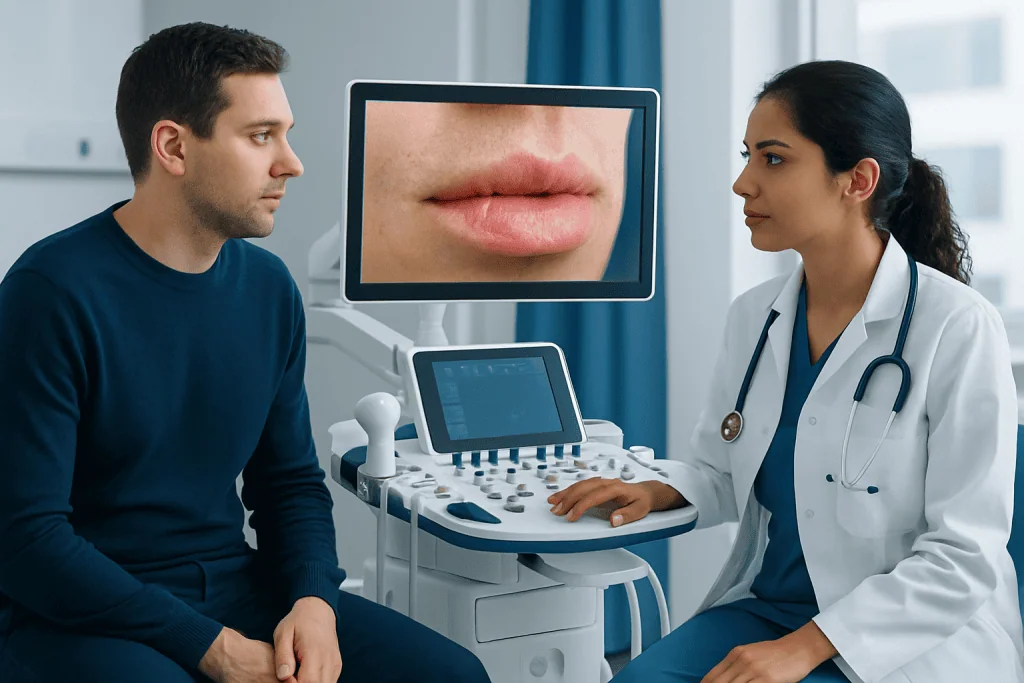
After a person is first exposed to HSV-1, the virus enters the skin or mucous membrane and begins to multiply. Some people never notice this first infection, while others develop more pronounced symptoms such as mouth pain, fever, swollen gums, or multiple sores inside and around the mouth. After the initial infection improves, the virus does not leave the body. Instead, it becomes dormant in nearby nerve cells.
At a later time, the virus may reactivate and travel back to the skin, causing a recurrent herpes cold sore in the same general area. These repeat episodes are often milder and shorter than the first outbreak. Many people notice a warning stage, called a prodrome, with tingling, itching, tightness, or burning before a blister appears.
HSV-1 spreads most easily through direct contact with infected saliva or skin, particularly during an active outbreak. However, a person may occasionally spread the virus even when no sore is visible. Good hygiene, avoiding direct contact during outbreaks, and not sharing lip products, utensils, or towels can help limit transmission.
Symptoms and the stages of a cold sore

A herpes cold sore often follows a recognizable pattern. The first sign may be tingling, itching, burning, or tenderness on the lip or nearby skin. Within hours to a day or two, small fluid-filled blisters can appear. These blisters may cluster together, break open, ooze briefly, and then form a yellowish or brownish crust as healing begins.
Common symptoms include pain, sensitivity while eating, dryness, and mild swelling in the affected area. During a first infection, symptoms can be more noticeable and may include fever, sore throat, swollen lymph nodes, gum irritation, bad breath, or difficulty drinking because of mouth pain. Recurrent episodes tend to stay localized and heal more quickly.
Cold sores can sometimes be confused with other conditions. These may include lip irritation, impetigo, angular cheilitis, or skin conditions such as eczema affecting the mouth area. In some cases, doctors may consider related viral conditions such as shingles in the differential diagnosis if the rash pattern or pain is unusual, although shingles is caused by a different virus and behaves differently.
- Prodrome: tingling, itching, burning, or tightness
- Blister stage: small painful fluid-filled bumps
- Ulcer stage: blisters break and may ooze
- Crusting stage: sores dry and scab
- Healing stage: skin closes and discomfort fades
Causes, triggers, and risk factors
The direct cause of a herpes cold sore is infection with HSV-1, though HSV-2 can occasionally affect the mouth as well. Once the virus is in the body, certain triggers may reactivate it. These triggers differ from person to person, and some people notice clear patterns while others do not.
Common triggers include emotional stress, fever or another illness, sun exposure, fatigue, menstrual hormonal changes, and skin irritation around the lips. Dental work or minor trauma to the mouth area may also trigger an outbreak in some individuals. Learning personal triggers can help reduce how often cold sores return.
Anyone can get HSV-1, but some people are more likely to have frequent or more severe outbreaks. This includes people with weakened immune systems, those with significant skin conditions such as eczema, and people whose lips are frequently exposed to intense sunlight or dryness. Conditions that affect immunity may make infections more persistent and may require closer medical follow-up. If doctors suspect immune-related concerns, they may also evaluate broader health issues and, when relevant, conditions such as immune system disorders.
How doctors diagnose a herpes cold sore
In many cases, doctors diagnose a herpes cold sore by examining the lesion and asking about symptoms such as tingling followed by blisters on or around the lips. The appearance and pattern of recurrence are often distinctive enough that no testing is needed, especially in otherwise healthy adults with typical sores.
Testing may be useful when the diagnosis is uncertain, the sores are severe, the patient has a weakened immune system, or the infection is affecting the eye or extensive areas of skin. A doctor may take a swab from a fresh blister for laboratory testing. Blood tests can show past exposure to herpes viruses, but they are less useful for confirming the exact cause of an individual sore.
Medical evaluation is especially important if sores do not heal as expected, keep returning very often, or involve widespread pain, fever, dehydration, or eye symptoms. If an eye is affected, urgent specialist assessment may be needed because herpes infection can damage the cornea. In selected cases, diagnosis and follow-up may involve dermatology evaluation or other specialty care, depending on symptom location and severity.
Treatment options and supportive care
There is no cure that removes HSV-1 from the body, but treatment can help shorten symptoms, reduce discomfort, and lower the chance of recurrence in some patients. For mild cold sores, supportive care may be enough. This can include keeping the area clean, avoiding picking at the scab, drinking enough fluids, and using lip protection to reduce cracking and irritation.
Antiviral medicines are most effective when started early, ideally during the tingling or burning stage before blisters fully develop. A doctor may recommend antiviral creams or oral antiviral tablets, depending on how severe or frequent the outbreaks are. People who have frequent recurrences or particularly disruptive symptoms may benefit from episodic treatment at the first sign of an outbreak or, in some cases, suppressive antiviral therapy under medical guidance.
Pain relief may include cool compresses and general over-the-counter pain medicines when appropriate. However, not every lip sore should be self-treated without an evaluation, especially if it is severe, persistent, or unusual. If a cold sore is complicated by significant skin involvement, doctors may coordinate care with infectious diseases specialists or other clinicians. Near the end of the care journey, some international patients may seek assessment at Acibadem International, where multidisciplinary specialists in JCI-accredited hospitals diagnose and treat herpes-related conditions according to individual needs.
Prevention and day-to-day self-care
Preventing herpes cold sore recurrences often starts with recognizing triggers and protecting the lips and surrounding skin. Using a lip balm with sun protection, staying hydrated, managing stress, and getting enough rest may help some people reduce outbreaks. If a person knows that sun exposure often triggers cold sores, consistent sun protection is especially important.
During an active outbreak, simple precautions can help avoid spreading the virus. A person should avoid kissing, oral contact, and sharing lip balm, drinking glasses, utensils, razors, or towels until the sore has healed. Handwashing is important after touching the face or applying cream. Contact with babies, people with eczema, and individuals with weakened immune systems deserves extra caution because they may be more vulnerable to complications.
People who wear contact lenses should be especially careful not to touch their eyes after touching a cold sore. If eye redness, pain, tearing, or light sensitivity occurs, urgent evaluation is needed. In some settings, clinicians may also involve eye assessment if there is concern about herpes affecting the eye surface.
When to seek medical care
Many cold sores heal without complications, but medical care is important in certain situations. A doctor should evaluate sores that are unusually painful, very large, spreading, or not improving within about two weeks. Frequent recurrences, severe symptoms during a first outbreak, or difficulty eating and drinking also warrant professional advice.
Urgent care is needed if a person develops eye pain, eye redness, blurred vision, or sensitivity to light, because herpes infection can affect the eye. Babies, pregnant people with concerning symptoms, and anyone with weakened immunity should seek medical advice promptly if a cold sore develops. This also applies to people receiving cancer treatment, transplant medicines, or other treatments that suppress the immune system.
Anyone who is unsure whether a lip lesion is truly a herpes cold sore should speak with a qualified clinician. A proper diagnosis can rule out other infections or skin disorders and help guide the safest treatment plan.
Frequently asked questions
Is a herpes cold sore the same as genital herpes?
Not exactly. Most cold sores around the mouth are caused by HSV-1, while genital herpes is more commonly caused by HSV-2, although either virus can infect either area. A doctor can explain testing and transmission risk if there is uncertainty about the type or location of infection.
How long does a herpes cold sore usually last?
A typical recurrent cold sore often heals within one to two weeks. The first infection can last longer and may cause more widespread mouth symptoms. Starting antiviral treatment early can sometimes shorten the course.
Can a person spread herpes cold sore infection when no blister is visible?
Yes, this can happen sometimes because HSV-1 may be shed from the skin or saliva even without an active sore. The risk is highest when a blister is present, but it is not limited to visible outbreaks. Avoiding sharing personal items and close contact during symptoms remains important.
What is the difference between a cold sore and a canker sore?
A cold sore is caused by herpes simplex virus and usually appears on the lips or outside the mouth as blisters. A canker sore is not caused by herpes and typically forms inside the mouth on the cheeks, lips, or tongue. The two conditions have different causes and patterns.
Can stress trigger recurrent cold sores?
Yes, stress is a common trigger for some people. Illness, fatigue, sun exposure, and hormonal changes can also reactivate the virus. Keeping track of outbreaks may help identify personal patterns and support prevention.
When are antiviral medicines recommended for cold sores?
Antiviral medicines are often considered when outbreaks are severe, frequent, especially painful, or caught early in the tingling stage. They may also be used more proactively in people with repeated recurrences. A doctor can decide which approach is most appropriate based on symptoms and medical history.
This article is for general information only and is not a substitute for professional medical advice. Please consult a qualified doctor about your individual situation.
Explore treatments in Turkey — costs, top hospitals & a free quote
JCI-accredited · board-certified surgeons · reply within 24h
Add us as a Preferred Source to see more of our trusted health content across Google Search, AI Overviews and Discover.

More from the Health Library

Keto Flu: An Evidence-Based Guide for Patients

Nuclara — Explained by Medical Evidence, Not Myths

Decongestant for Kids: What Patients Need to Know

Oral Fixation — Explained by Medical Evidence, Not Myths

Photic Sneeze Reflex: An Evidence-Based Guide for Patients