Medical Pedicure: An Evidence-Based Guide for Patients

A medical pedicure focuses on foot health, hygiene, and prevention rather than beauty treatments. It may help with thick nails, calluses, dry cracked skin, and basic nail care, but it does not replace medical diagnosis or treatment.
Key Takeaways
- A medical pedicure focuses on foot health, hygiene, and prevention rather than beauty treatments.
- It may help with thick nails, calluses, dry cracked skin, and basic nail care, but it does not replace medical diagnosis or treatment.
- People with diabetes, poor circulation, neuropathy, or immune suppression should choose foot care carefully and ask a doctor what is safe.
- Sterile instruments, proper assessment, and avoidance of aggressive skin cutting are important safety features.
- Redness, swelling, drainage, severe pain, or a non-healing wound should be assessed by a qualified clinician.
A medical pedicure is a foot care service centered on nail, skin, and overall foot health rather than cosmetic polish or spa treatments. It can be a helpful option for people with thick nails, calluses, ingrown nails, diabetes, circulation problems, or simply a need for more hygienic, clinically oriented foot care.
Overview: What a Medical Pedicure Is
A medical pedicure is a foot care service designed to support nail and skin health in a more clinical, hygiene-focused way than a standard salon pedicure. In general, it aims to clean and trim nails safely, reduce non-infected thickened skin such as calluses, and identify signs that may need medical assessment. It usually avoids decorative elements like nail polish, whirlpool soaking, or aggressive scraping when these could increase risk.
For many people, the appeal of a medical pedicure is not cosmetic. It is the combination of careful technique, attention to infection control, and a stronger focus on prevention. This can be especially relevant for older adults, athletes, people with recurring ingrown nails, and those living with conditions that make the feet more vulnerable.
The term can mean slightly different things depending on the country, setting, and professional background of the provider. In some places, medical foot care may be offered by podiatrists or specially trained foot care nurses; elsewhere, it may be provided in a clinic-like environment by professionals with advanced foot care training. Because standards vary, patients benefit from asking exactly what the service includes and what qualifications the provider holds.
How It Differs From a Standard Pedicure
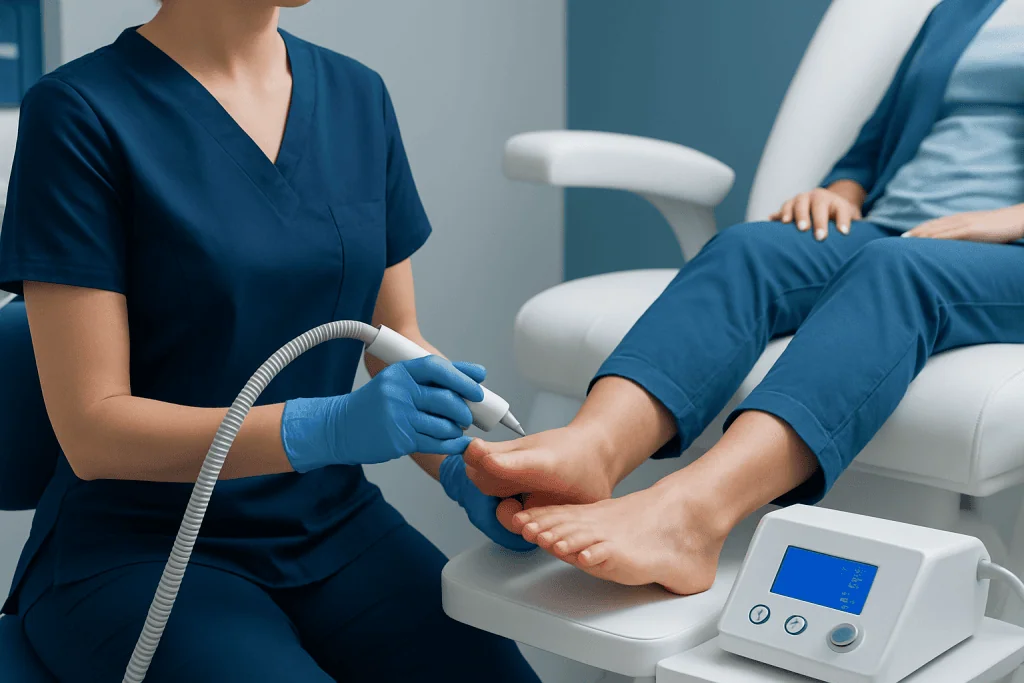
The main difference is purpose. A standard pedicure is usually intended for grooming and appearance, while a medical pedicure focuses on reducing risk and maintaining foot health. This means the appointment often starts with a closer look at the skin, nails, pressure areas, circulation clues, and any symptoms such as pain, numbness, or repeated irritation from footwear.
A medical pedicure may include careful nail trimming, thinning of thick nails, gentle reduction of callused skin, moisturizing advice, and practical guidance on footwear and home care. It generally avoids cutting live skin, using blades too aggressively, or masking signs of disease with cosmetic products. If suspicious changes are seen, the provider may recommend assessment by a doctor rather than trying to treat the problem cosmetically.
This distinction is important because some foot problems look minor at first but can reflect a wider health issue. Nail discoloration may relate to trauma or fungus, heel cracks may deepen and become painful, and repeated corns may point to shoe fit or foot mechanics. In people with diabetes or nerve damage, even a small break in the skin can become significant. For related background, patients may also read about diabetes.
Who May Benefit Most

A medical pedicure can be useful for people who find routine nail and skin care difficult or risky. This includes those with thick or curved nails, recurring calluses, dry fissured heels, reduced flexibility, poor eyesight, or trouble reaching the feet safely. It may also help people whose work or sport puts repeated pressure on the feet, leading to buildup of hard skin or nail changes.
Some groups need extra caution. People with diabetes, peripheral neuropathy, circulation problems, immune suppression, rheumatoid disease, or a history of foot ulcers should not assume any form of pedicure is automatically safe. They may benefit from clinician-led foot care or from asking their treating doctor whether a medical pedicure is appropriate and what precautions are needed.
Patients with fungal concerns may also need formal evaluation instead of cosmetic care alone. Thickened yellow nails, scaling between the toes, odor, or recurrent peeling can suggest infection. In that setting, assessment for nail fungus or athlete’s foot may be more useful than repeated grooming, because treatment depends on the cause.
What Happens During an Appointment
A typical appointment begins with a brief history. The provider may ask about diabetes, circulation problems, blood thinners, allergies, prior ingrown nails, infections, recent surgery, or foot pain. They may also ask about footwear, sports, and whether there are symptoms such as numbness, burning, swelling, or wounds that are slow to heal.
The foot care itself often includes cleaning the feet, trimming nails straight across when appropriate, smoothing rough nail edges, reducing thickened nails, and gently managing callused areas. Dry skin may be addressed with emollients and home care advice. The emphasis should be on protecting the skin barrier, not removing as much hard skin as possible in one session.
Depending on the person’s needs, the provider may recommend follow-up with a specialist for problems such as chronic ingrown nails, persistent thickening, pain with walking, structural deformity, or infection concerns. In some cases, targeted medical care such as ingrown toenail treatment or fungal nail treatment may be more appropriate than repeated maintenance visits.
Safety, Hygiene, and Red Flags to Ask About
Safety is one of the most important reasons patients seek a medical pedicure. Good practice should include hand hygiene, single-use items where appropriate, sterilized reusable instruments, and a clean environment. Instruments that contact nails or skin should not simply be wiped and reused. Patients can ask how tools are sterilized, whether files or buffers are disposable, and how the provider manages high-risk clients.
Whirlpool foot baths deserve particular caution because they can be hard to disinfect fully. Many medically oriented services prefer methods that reduce cross-contamination risk. Patients should also ask whether the provider will avoid cutting cuticles deeply or using aggressive blades, both of which can create entry points for infection.
It is also reasonable to ask what the provider does if they notice signs of disease. A safe answer is not to promise cosmetic correction of every problem, but to explain when they refer to a doctor. Warning signs include spreading redness, warmth, drainage, bleeding that does not stop, severe tenderness, blackened tissue, or a sore that is not healing. These need medical evaluation, not routine pedicure care.
Limits of a Medical Pedicure and When Treatment Is Needed
A medical pedicure may improve comfort and foot hygiene, but it is not a cure for every nail or skin problem. Some conditions require diagnosis because similar-looking symptoms can have different causes. For example, a thick nail could be due to fungus, repeated trauma, psoriasis, or age-related change; treatment depends on the underlying reason.
Likewise, corns and calluses can return if pressure from footwear or foot shape is not addressed. An ingrown toenail may settle temporarily after careful trimming, but repeated inflammation may need a dedicated procedure. A painful wart, draining nail fold, or open crack in the heel should not be managed as routine cosmetic care.
If ongoing or more complex management is needed, clinicians may suggest evaluation by dermatology, podiatry, endocrinology, vascular care, or orthopedics depending on the problem. In selected cases, services such as dermatology assessment can help confirm whether nail and skin changes are infectious, inflammatory, or related to another medical condition.
Prevention and Self-Care Between Visits
Daily foot care habits can reduce the need for intensive treatment. Patients can wash and dry the feet gently, especially between the toes, moisturize dry skin except in the toe webs, and inspect the soles and nails regularly. Nails are usually safest when trimmed straight across rather than rounded deeply into the corners, which may encourage ingrown nails.
Footwear also matters. Shoes should fit in length and width, allow room for the toes, and limit repetitive pressure points. Clean, moisture-wicking socks may help reduce friction and dampness. People who sweat heavily or exercise often may benefit from changing socks during the day and letting shoes dry fully between uses.
Self-treatment should be cautious. It is safer to avoid razors, corn plasters with strong acids, or forceful digging at the nail corners, particularly for people with diabetes, neuropathy, or poor circulation. Anyone with reduced sensation may not notice injury until it becomes more serious. For international patients who need broader assessment, Acibadem International’s multidisciplinary specialists in JCI-accredited hospitals diagnose and treat foot, skin, and nail conditions with an individualized approach.
When to Seek Medical Care
A medical pedicure is not the right setting for every foot concern. A person should seek medical care promptly if there is increasing redness, swelling, warmth, pus, fever, severe pain, a bad odor, black or blue discoloration, or a wound that is not healing. These signs can suggest infection, poor circulation, or tissue injury that needs professional evaluation.
Medical review is also important for people with diabetes, numbness, known circulation disease, or a history of foot ulcers if they develop any new blister, cut, crack, or pressure sore. Waiting for a routine foot care visit may allow a small problem to become larger. New deformity, persistent pain when walking, or repeated ingrown nails also deserves assessment.
Even without urgent symptoms, a person should consider asking a doctor if nail thickening, discoloration, scaling, or heel cracking keeps returning despite careful care. A diagnosis can guide safer, more effective treatment and help prevent complications.
Frequently asked questions
What is a medical pedicure?
A medical pedicure is a foot care service that focuses on nail hygiene, skin health, and prevention rather than cosmetic appearance. It often includes careful nail trimming, reduction of thickened skin, and checking for changes that may need medical evaluation.
Is a medical pedicure safe for people with diabetes?
It can be, but safety depends on the person's foot health and on who provides the care. People with diabetes should be especially careful because reduced sensation, poor circulation, and slower healing can raise the risk of complications. It is wise to ask a doctor what type of foot care is appropriate and to choose a provider with strong hygiene practices and experience with high-risk feet.
Can a medical pedicure treat nail fungus?
A medical pedicure can improve nail appearance and hygiene, but it does not replace diagnosis or full medical treatment for fungal infection. Nail thickening and discoloration can have several causes, so a clinician may need to confirm what is happening before treatment is chosen.
How often should someone get a medical pedicure?
There is no single schedule that suits everyone. The right interval depends on nail growth, callus buildup, underlying health conditions, and whether the person can safely do routine foot care at home. A qualified provider can suggest a schedule based on individual needs.
Should a medical pedicure hurt?
It should not be significantly painful. Some tender areas may feel sensitive, especially if there are thick nails or pressure points, but sharp pain, bleeding, or worsening discomfort is a sign to stop and reassess. Persistent pain after the visit should be discussed with a clinician.
What should patients look for in a provider?
Patients should look for clear hygiene standards, sterilized instruments, and a provider who asks about medical conditions and knows when to refer to a doctor. It is also helpful if the service avoids aggressive skin cutting and explains what it can and cannot safely manage.
This article is for general information only and is not a substitute for professional medical advice. Please consult a qualified doctor about your individual situation.
Explore treatments in Turkey — costs, top hospitals & a free quote
JCI-accredited · board-certified surgeons · reply within 24h
Add us as a Preferred Source to see more of our trusted health content across Google Search, AI Overviews and Discover.

More from the Health Library

Type 4 Diabetes as a Research Concept

Topiramate Weight Loss: What Patients Need to Know

Methylchloroisothiazolinone: An Evidence-Based Guide for Patients

Algae Cooking Oil — Explained by Medical Evidence, Not Myths

Dextromethorphan Hydrobromide: What Patients Need to Know