Stroke Symptoms in Men: Common Causes, Related Conditions, and When to See a Doctor
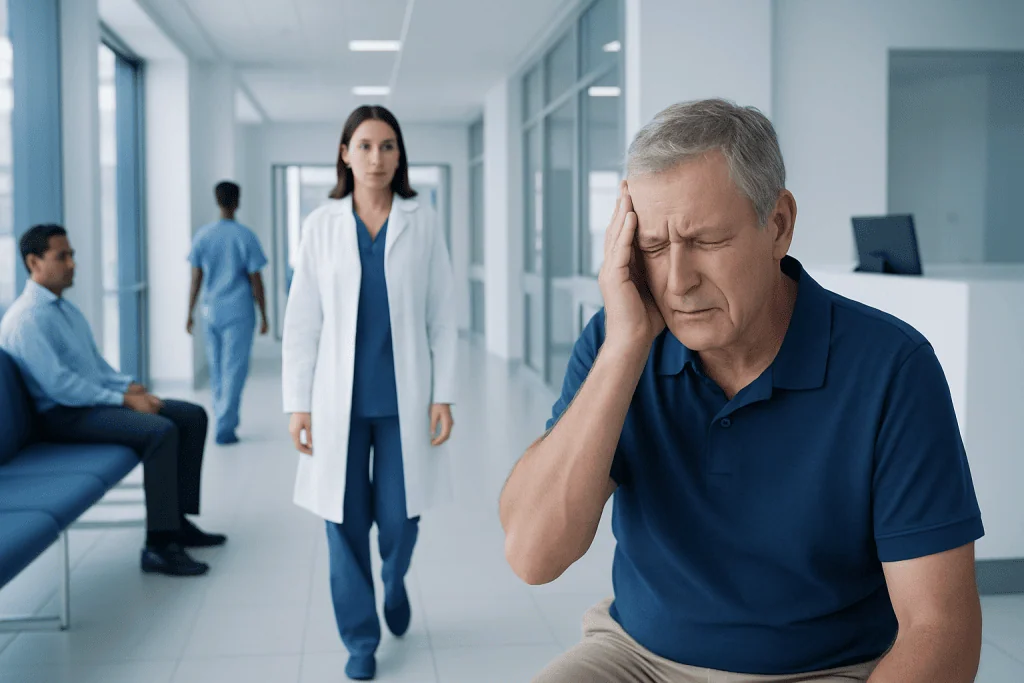
Stroke symptoms in men often start suddenly and should never be ignored. Common warning signs include face drooping, arm weakness, speech difficulty, vision changes, and sudden balance problems.
Key Takeaways
- Stroke symptoms in men often start suddenly and should never be ignored.
- Common warning signs include face drooping, arm weakness, speech difficulty, vision changes, and sudden balance problems.
- Men may have different risk patterns because of factors such as smoking, high blood pressure, heart disease, and alcohol use.
- A transient ischemic attack, or mini-stroke, is also an emergency and can warn of a future stroke.
- Immediate emergency care is important even if symptoms improve quickly.
Stroke symptoms in men usually begin suddenly and may include facial drooping, weakness on one side, trouble speaking, vision changes, dizziness, or a severe headache. These symptoms are a medical emergency because fast treatment can reduce brain injury and improve recovery.
Overview: What stroke symptoms in men look like
Stroke symptoms in men most often include sudden numbness or weakness of the face, arm, or leg, especially on one side of the body; sudden confusion; trouble speaking or understanding speech; sudden vision loss or double vision; difficulty walking; dizziness; loss of balance; or a sudden severe headache. The key pattern is that symptoms usually begin suddenly and reflect a problem in the brain’s blood supply.
A stroke happens when part of the brain is injured because blood flow is blocked or a blood vessel bursts. The most common type is ischemic stroke, caused by a blocked artery. Hemorrhagic stroke is less common and happens when bleeding occurs in or around the brain. In both cases, the brain needs urgent medical attention.
Although men and women can experience many of the same stroke warning signs, men may come to medical care with a different risk profile. For example, smoking, high blood pressure, heavy alcohol use, diabetes, sleep apnea, and certain heart conditions are common contributors in men. Some men also delay getting help, especially if symptoms seem mild or improve after a few minutes.
Stroke is not simply a condition of older age. While risk rises with age, younger and middle-aged men can also have strokes. Recognizing symptoms early and calling emergency services right away can make a major difference in treatment options and long-term recovery.
Common stroke warning signs men should not ignore
The most widely used memory aid is FAST: Face drooping, Arm weakness, Speech difficulty, Time to call emergency services. If one side of the face droops when a person smiles, one arm drifts downward when both arms are raised, or speech is slurred or hard to understand, urgent evaluation is needed.
Other symptoms are also important because not every stroke follows the FAST pattern. Some men notice sudden blurred vision, loss of vision in one eye, double vision, or trouble seeing on one side. Others develop sudden dizziness, trouble walking, poor coordination, or a feeling of being off balance. A severe headache that comes on abruptly, especially with vomiting, confusion, or neck stiffness, may point to bleeding in the brain.
Symptoms can vary depending on the area of the brain involved. A stroke affecting language areas may mainly cause word-finding difficulty or confusion. A stroke in the back part of the brain may cause vision problems, dizziness, or imbalance. Small strokes may seem subtle at first but still need the same urgent response.
- Sudden face drooping or uneven smile
- Weakness or numbness, usually on one side
- Slurred speech or trouble understanding words
- Sudden vision loss, blurred vision, or double vision
- New trouble walking, dizziness, or poor coordination
- Sudden severe headache with no clear cause
Why these symptoms happen: common causes and risk factors in men

Most strokes happen because blood flow to the brain is interrupted. A clot may form inside an artery already narrowed by atherosclerosis, or a clot may travel from the heart or neck arteries to the brain. Less often, a weakened blood vessel leaks or ruptures, causing bleeding and pressure inside the skull.
In men, several risk factors can make stroke more likely. High blood pressure is one of the strongest and most important because it damages blood vessels over time. Smoking, diabetes, high cholesterol, obesity, physical inactivity, and heavy alcohol use also raise risk. Irregular heart rhythms such as atrial fibrillation can allow blood clots to form and travel to the brain.
Some causes are less obvious. Sleep apnea, stimulant drug use, chronic kidney disease, and a personal history of heart disease or prior stroke all increase risk. Family history also matters. While men are not protected by being active or younger, risk can often be lowered by controlling blood pressure, managing diabetes, stopping smoking, and treating heart conditions early.
Related conditions sometimes overlap with stroke symptoms or increase stroke risk. A transient ischemic attack, often called a mini-stroke, causes temporary neurologic symptoms without lasting brain injury, but it is still a medical emergency because it can be a warning sign of a future stroke. Men with stroke risk factors may also be evaluated for associated vascular or heart problems that influence prevention and treatment.
Related conditions that can look similar
Not every sudden neurologic symptom is a stroke, but it is safest to treat it like one until a clinician says otherwise. A transient ischemic attack can cause the same symptoms as a stroke, except they resolve completely, often within minutes to hours. Because the early risk of a true stroke is higher after a TIA, urgent assessment is essential.
Other conditions can mimic stroke. These include migraine with aura, seizures followed by temporary weakness, very low blood sugar, inner ear disorders causing severe vertigo, multiple sclerosis, brain tumors, and certain infections. In some cases, anxiety or panic may cause tingling or trouble speaking, but doctors do not assume this until serious causes are ruled out.
The difference cannot be made reliably at home. Even trained clinicians usually need a neurological examination and brain imaging. If symptoms started suddenly, especially if one side of the body is affected or speech is abnormal, emergency evaluation is the safest approach.
Men who have repeated episodes of temporary weakness, numbness, or speech problems may need assessment for narrowing in the neck arteries, heart rhythm problems, or other vascular disease. This kind of workup helps identify not just the event itself, but the underlying reason it happened.
How doctors diagnose stroke
Diagnosis starts with time. Doctors ask exactly when symptoms began or when the person was last known to be well, because treatment choices depend heavily on timing. They then assess breathing, blood pressure, blood sugar, and neurologic function, including speech, strength, sensation, eye movements, and coordination.
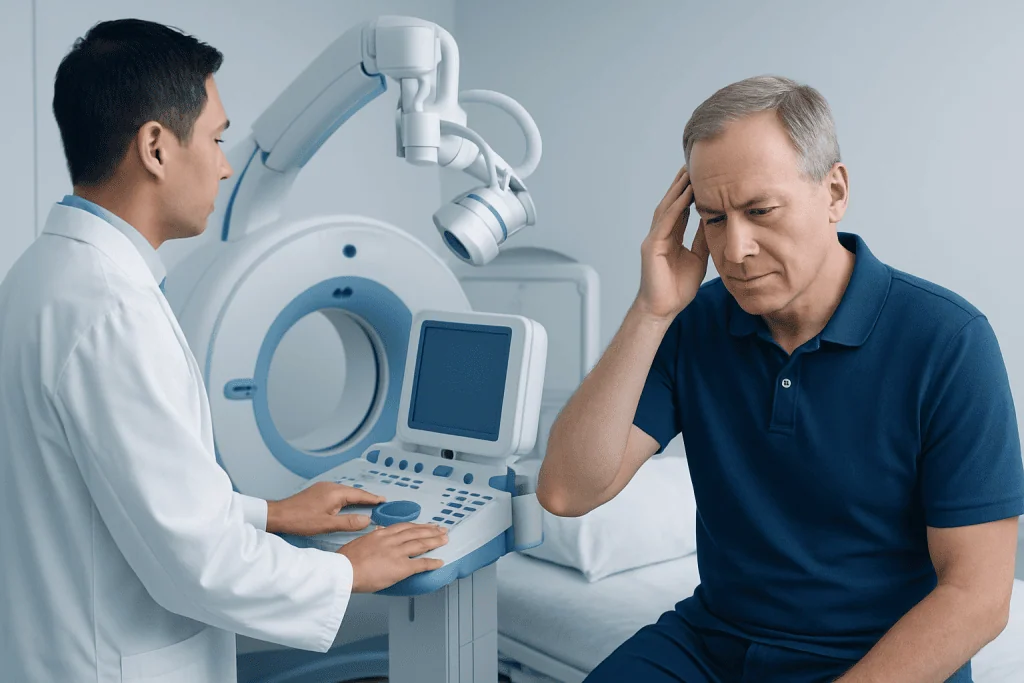
Brain imaging is central to diagnosis. A non-contrast CT scan is often the first test because it can quickly show whether there is bleeding in the brain. MRI may provide more detail in some situations. Blood tests, heart monitoring, and an electrocardiogram can help identify contributing factors such as abnormal heart rhythm or metabolic problems.
Some patients need imaging of the blood vessels in the neck and brain, such as CT angiography, to look for a blocked large artery. This is important because some ischemic strokes may benefit from urgent clot-removal procedures in addition to medication. In selected cases, echocardiography is used to look for a heart source of clots.
Hospitals with organized stroke pathways can move rapidly from symptom recognition to imaging and treatment decisions. If a stroke is confirmed, care may involve neurologists, emergency physicians, radiologists, intensive care teams, and rehabilitation specialists working together from the earliest stage.
Treatment options and early recovery
Treatment depends on the type of stroke. In ischemic stroke, the goal is to restore blood flow as quickly and safely as possible. Some patients may be candidates for clot-busting medicine if they arrive within the appropriate time window and meet safety criteria. Others, especially those with a large blocked artery, may benefit from mechanical thrombectomy to remove the clot.
For hemorrhagic stroke, treatment focuses on controlling bleeding, reducing pressure in the brain, and managing blood pressure and other complications. Some people need close intensive monitoring, and some require procedures led by neurosurgery or interventional teams. Supportive care is also important, including breathing support, swallowing assessment, and prevention of complications such as pneumonia or blood clots in the legs.
After the emergency phase, the focus shifts to preventing another stroke and helping recovery. This may include medicines to reduce clotting risk, lower cholesterol, or control blood pressure, along with treatment of underlying conditions such as atrial fibrillation. Selected patients may also need vascular procedures depending on the cause of the stroke and artery findings, including forms of carotid artery treatment.
Rehabilitation often starts early. Physical therapy, occupational therapy, and speech-language therapy help improve movement, self-care, communication, and swallowing. Recovery varies widely, but early treatment and steady rehabilitation give the best chance of regaining function. In experienced centers, stroke rehabilitation is tailored to each person’s symptoms and goals.
Prevention and self-care for men at risk
The most effective way to lower stroke risk is to manage the conditions that damage blood vessels. Keeping blood pressure in a healthy range is especially important. Men with diabetes, high cholesterol, or heart disease should follow their care plan closely and attend regular checkups.
Lifestyle changes matter at every age. Stopping smoking, limiting alcohol, staying physically active, maintaining a healthy weight, and eating a balanced diet can all reduce stroke risk. Good sleep also matters, and men with loud snoring, daytime sleepiness, or witnessed pauses in breathing may need evaluation for sleep apnea.
Self-care after a stroke or TIA includes taking prescribed medicines consistently and learning personal warning signs. Home blood pressure monitoring, medication reminders, and family support can improve adherence. It also helps to understand that recurring symptoms, even if brief, are never routine and should be assessed promptly.
Near the end of follow-up planning, some patients seek comprehensive evaluation in specialized centers. Acibadem International’s multidisciplinary specialists and JCI-accredited hospitals diagnose and treat stroke and related vascular conditions for international patients, with care plans that may include neurology, interventional procedures, and rehabilitation when appropriate.
When to seek medical care
Any sudden stroke-like symptom requires emergency medical care right away. Men should call emergency services immediately for face drooping, one-sided weakness or numbness, slurred speech, new confusion, sudden vision changes, severe dizziness, loss of balance, or a sudden severe headache. It is important not to drive oneself if emergency transport is available.
Medical help is still needed even if symptoms improve within minutes. A transient ischemic attack can be a warning sign of a larger stroke, and the risk of another event may be highest soon after the first one. Waiting for symptoms to return can delay treatment that might prevent serious harm.
Men should also arrange prompt medical review if they have repeated brief neurologic symptoms, uncontrolled high blood pressure, irregular heartbeat, or a recent episode that was never evaluated. If there is uncertainty, it is safer to be checked urgently than to assume the symptoms are from stress, fatigue, or a migraine.
Family members and coworkers can play a key role. If someone suddenly cannot speak clearly, seems confused, has a crooked smile, or cannot move one side normally, they should call for help immediately and note the time symptoms started. That information can guide emergency treatment decisions.
Frequently asked questions
What are the first stroke symptoms in men?
The first stroke symptoms in men are usually sudden, not gradual. Common early signs include face drooping, weakness or numbness on one side, slurred speech, confusion, vision changes, dizziness, or a sudden severe headache.
Do stroke symptoms in men differ from women?
Many classic stroke symptoms are the same in men and women, especially one-sided weakness, facial drooping, and speech problems. However, risk patterns and how symptoms are recognized may differ, so any sudden neurologic change should be treated as urgent regardless of sex.
Can stroke symptoms go away on their own?
Symptoms can improve or disappear if the event is a transient ischemic attack, sometimes called a mini-stroke. Even then, urgent medical care is still necessary because a TIA can be an early warning of a future stroke.
What causes stroke in younger men?
Younger men can have strokes due to high blood pressure, smoking, heart rhythm problems, diabetes, high cholesterol, sleep apnea, or substance use. Less common causes include inherited clotting disorders, artery tears, and certain structural heart conditions.
How quickly should a man get help for possible stroke symptoms?
Help should be sought immediately. Emergency treatment is time-sensitive, and rapid evaluation can affect whether a person is eligible for clot-busting medicine or other urgent procedures.
What should someone do while waiting for emergency help?
The person should stay in a safe place, avoid eating or drinking, and be observed closely. If possible, note the time symptoms began, gather a list of medications, and keep the person calm until emergency professionals arrive.
References
- American Stroke Association
- National Institute of Neurological Disorders and Stroke
- Centers for Disease Control and Prevention
- World Stroke Organization
- National Health Service
This article is for general information only and is not a substitute for professional medical advice. Please consult a qualified doctor about your individual situation.
Explore treatments in Turkey — costs, top hospitals & a free quote
JCI-accredited · board-certified surgeons · reply within 24h
Add us as a Preferred Source to see more of our trusted health content across Google Search, AI Overviews and Discover.
Check your numbers in seconds
BMI, calories, due date, blood pressure and 30+ more clinical calculators — free, instant, doctor-reviewed ranges.