Cowper’s Gland — Explained by Medical Evidence, Not Myths

The cowper's gland is a normal part of male reproductive anatomy and supports sperm passage through the urethra. It produces a small amount of clear pre-ejaculate fluid before ejaculation.
Key Takeaways
- The cowper's gland is a normal part of male reproductive anatomy and supports sperm passage through the urethra.
- It produces a small amount of clear pre-ejaculate fluid before ejaculation.
- Problems involving the cowper's gland are uncommon but can include inflammation, blockage, cysts, stones, or rarely tumors.
- Symptoms such as pain, swelling, urinary problems, or blood in semen or urine should be assessed by a doctor.
- Diagnosis may involve a physical exam, urine tests, and imaging studies when needed.
- Treatment depends on the cause and may range from observation and antibiotics to drainage or surgery.
The cowper's gland, also called the bulbourethral gland, is a small paired gland in the male reproductive system. Its main job is to release a clear fluid before ejaculation that helps lubricate the urethra and reduce acidity, and most concerns related to it are uncommon but treatable.
What is the cowper's gland?
The cowper’s gland is a pair of small glands in the male reproductive system. Doctors also call them the bulbourethral glands. They sit below the prostate and beside the urethra, the tube that carries urine and semen out of the body.
Their main role is to produce a small amount of clear, slippery fluid just before ejaculation. This fluid is commonly called pre-ejaculate or pre-seminal fluid. It helps prepare the urethra for semen to pass through more easily.
There are many myths about the cowper’s gland, but medically its function is straightforward. It supports lubrication and helps neutralize some of the natural acidity left in the urethra after urination, creating a more favorable pathway for sperm.
What does the cowper's gland do?
Before ejaculation, the cowper’s glands release a small amount of alkaline mucus-like fluid into the urethra. This fluid can help lubricate the tip of the urethra and reduce friction during sexual activity. It may also help counter residual acidity in the urethra, which could otherwise be less favorable for sperm.
Although this secretion is small in volume compared with semen, it is still part of normal reproductive physiology. Its amount varies from person to person and even from one situation to another. A clear discharge before ejaculation is often normal when it occurs without pain, odor, burning, or other symptoms.
The cowper’s glands do not make most of the semen. Semen is produced with contributions from several structures, including the testes, seminal vesicles, and prostate. Understanding this helps separate normal anatomy from misconceptions that may cause unnecessary worry.
Common myths and what medical evidence says

One common myth is that the cowper’s gland has a major role in hormone production or sexual performance. In fact, it is not a testosterone-producing gland and is not the main driver of libido, erections, or fertility. Its role is local and supportive within the reproductive tract.
Another misunderstanding is that any pre-ejaculate automatically means disease. Clear pre-ejaculate is usually a normal body function. However, discharge that is cloudy, foul-smelling, bloody, or linked to pain or burning may point to infection or another condition and should be checked.
People may also assume that all pelvic or urethral symptoms come from the prostate. While prostate conditions are more common, the cowper’s gland can occasionally be involved in inflammation, cysts, or blockage. A careful urologic evaluation can help tell these possibilities apart, including from prostate conditions and urinary tract infection.
Symptoms of cowper's gland problems
Most people never notice their cowper’s glands, and many cowper’s gland problems cause no symptoms at all. When symptoms do occur, they usually relate to inflammation, blockage, infection, or pressure on nearby structures such as the urethra.
Possible symptoms can include discomfort in the perineum, the area between the scrotum and anus, pain during urination, pain with ejaculation, or a feeling of fullness deep in the pelvis. Some people may notice unusual urethral discharge, blood in semen, recurrent urinary tract symptoms, or difficulty starting the urine stream.
In rare cases, a duct cyst or enlarged gland may press on the urethra and cause obstructive urinary symptoms. These may include weak urine flow, straining, dribbling, or a feeling that the bladder is not fully empty. Because these symptoms overlap with other urologic conditions, diagnosis should not be based on symptoms alone.
- Pelvic or perineal pain
- Burning or pain during urination
- Pain with ejaculation
- Clear, cloudy, or bloody discharge from the urethra
- Weak stream or trouble emptying the bladder
- Recurrent urinary infections or irritation
Causes, risk factors, and related conditions
Cowper’s gland disorders are uncommon, but several medical issues can affect this area. Inflammation or infection, sometimes called cowperitis, may occur along with urethritis or other lower urinary tract infections. Blockage of the gland’s duct can lead to fluid buildup and cyst formation, and rarely stones may form.
Congenital abnormalities can also affect the duct or surrounding structures, especially when symptoms begin early in life. In adults, infection, scarring, trauma, prior instrumentation of the urinary tract, or chronic inflammation may contribute to symptoms. Rarely, benign or malignant growths can arise in or near the gland.
Because the cowper’s glands sit close to the urethra, symptoms may overlap with conditions involving the prostate, bladder, or urethra. Doctors may evaluate for problems such as prostatitis or urethral narrowing if the pattern suggests them. Risk tends to be related less to the gland itself and more to the presence of infection, urinary tract abnormalities, or pelvic inflammation.
How doctors diagnose cowper's gland conditions
Diagnosis starts with a medical history and physical examination. A doctor will ask about pain, urinary symptoms, ejaculation-related symptoms, discharge, fever, prior infections, and any recent procedures involving the urinary tract. This helps narrow down whether the source is likely the cowper’s gland, prostate, urethra, or another pelvic structure.
Basic tests often include a urine analysis and urine culture to look for infection or blood. Depending on the symptoms, the doctor may recommend tests for sexually transmitted infections, semen evaluation, or blood tests. Imaging may be useful when a cyst, duct blockage, abscess, or another structural problem is suspected.
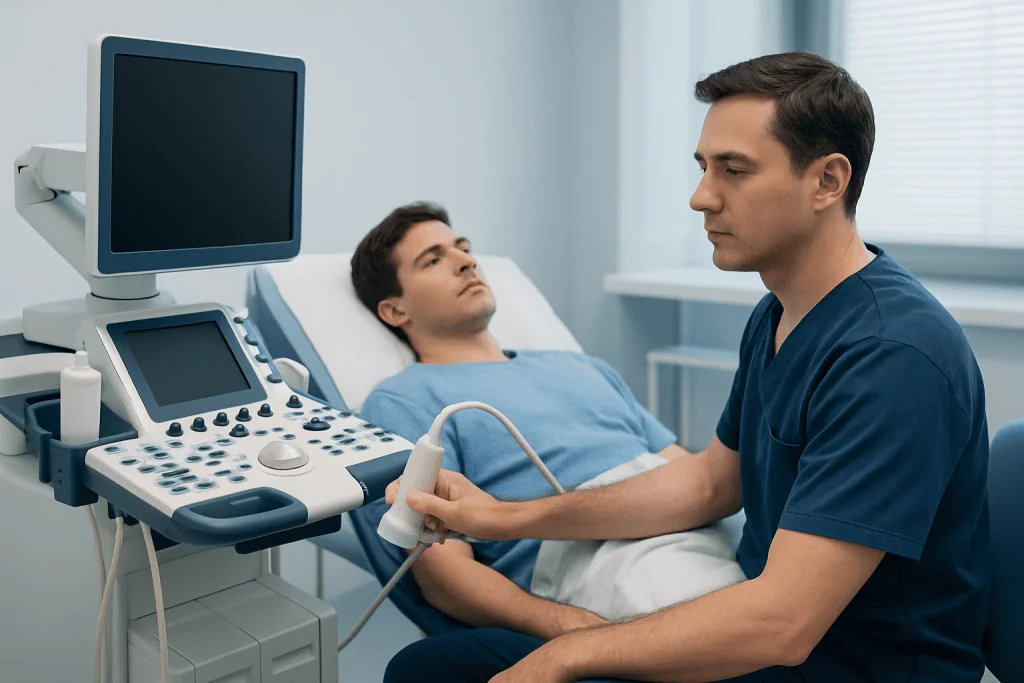
Ultrasound, MRI, or endoscopic evaluation of the urethra may be used in selected cases. If there is a visible mass, persistent bleeding, or ongoing obstruction, a urologist may consider more detailed assessment. In people with unexplained urinary blockage or recurrent symptoms, tests related to urology evaluation can help identify the exact cause and guide treatment.
Treatment options and what recovery may involve
Treatment depends on the underlying problem, not simply on the gland’s name. If symptoms are caused by a bacterial infection, treatment may include antibiotics and supportive care. Pain relief, hydration, and temporary avoidance of activities that worsen symptoms may also be recommended.
If there is a blocked duct, cyst, or abscess, management may range from observation to drainage or surgery, depending on the size, symptoms, and effect on urination. A structural problem causing urinary obstruction may need endoscopic or reconstructive treatment. If another diagnosis better explains the symptoms, treatment is directed there instead.
Recovery varies by cause. Mild inflammation may improve within days to weeks, while structural issues can require longer follow-up with a urologist. When urinary blockage or ongoing urethral symptoms are present, doctors may discuss options related to endoscopic urologic treatment or, if narrowing is found, urethral reconstruction. Near the end of the care pathway, some patients seek multidisciplinary assessment at centers such as Acibadem International, where JCI-accredited hospitals evaluate and treat urologic conditions for international patients.
Self-care, prevention, and when to seek medical care
There is no special routine needed to keep the cowper’s glands healthy, but general urinary and sexual health measures can help reduce risk of irritation and infection. These include staying well hydrated, practicing safer sex, seeking prompt treatment for urinary symptoms, and following medical advice after any urinary procedure. Good genital hygiene is sensible, but harsh cleansers or unnecessary products should be avoided.
People with recurrent urinary tract symptoms, pelvic pain, or sexually transmitted infection risk should not ignore ongoing symptoms. Trying to self-diagnose online can be misleading because the same symptoms may come from the urethra, bladder, prostate, or pelvic floor. A clinician can help sort out these possibilities and recommend the right tests.
Medical care is appropriate if there is pain with urination or ejaculation, persistent urethral discharge, fever, swelling, blood in urine or semen, or difficulty passing urine. Urgent care is especially important for severe pain, inability to urinate, high fever, or rapidly worsening swelling. Early assessment usually makes treatment simpler and can help prevent complications.
Frequently asked questions
Is the cowper's gland the same as the prostate?
No. The cowper's glands and the prostate are different structures, although both are part of the male reproductive system. The cowper's glands are smaller and mainly produce pre-ejaculate, while the prostate contributes a larger portion of fluid to semen.
What is pre-ejaculate, and does it come from the cowper's gland?
Pre-ejaculate is a clear fluid that may be released before ejaculation. It is produced mainly by the cowper's glands and helps lubricate the urethra and reduce acidity. Its presence is often normal if there are no other symptoms.
Can the cowper's gland cause pain?
Yes, but this is uncommon. Inflammation, infection, blockage, or a cyst in the gland or its duct can sometimes cause pain in the perineum, pain with urination, or discomfort during ejaculation. Because similar symptoms can come from other pelvic organs, a medical evaluation is important.
Are cowper's gland problems serious?
Most issues involving the cowper's gland are not dangerous and can be treated effectively once the cause is identified. However, symptoms such as fever, blood in urine, severe pain, or trouble urinating should not be ignored. These signs need timely medical attention.
Can imaging tests show a cowper's gland problem?
Yes. Ultrasound or MRI may help show a cyst, blockage, abscess, or another structural issue when symptoms suggest one. Imaging is usually not needed for everyone, but it can be useful when symptoms persist or the diagnosis is unclear.
Does a problem in the cowper's gland affect fertility?
Usually not in a major way, because the gland provides only a small part of the reproductive fluid environment. However, associated infection, urethral blockage, or other reproductive tract conditions may affect comfort, ejaculation, or sperm transport. A urologist can explain whether any specific finding is likely to matter for fertility.
References
- National Institute of Diabetes and Digestive and Kidney Diseases
- Urology Care Foundation
- Merck Manual Professional Edition
- Cleveland Clinic
- Mayo Clinic
This article is for general information only and is not a substitute for professional medical advice. Please consult a qualified doctor about your individual situation.
Explore treatments in Turkey — costs, top hospitals & a free quote
JCI-accredited · board-certified surgeons · reply within 24h
Add us as a Preferred Source to see more of our trusted health content across Google Search, AI Overviews and Discover.

More from the Health Library

Lactate Dehydrogenase Low — Explained by Medical Evidence, Not Myths

Tightening Anus: An Evidence-Based Guide for Patients

Earring Is Infected: A Complete Medical Overview

Nitrite Positive Urine: An Evidence-Based Guide for Patients

Buling — Explained by Medical Evidence, Not Myths