Lactate Dehydrogenase Low — Explained by Medical Evidence, Not Myths

Low LDH is far less commonly clinically significant than high LDH. LDH is an enzyme found in many tissues, including red blood cells, muscles, liver, kidneys, lungs, and heart.
Key Takeaways
- Low LDH is far less commonly clinically significant than high LDH.
- LDH is an enzyme found in many tissues, including red blood cells, muscles, liver, kidneys, lungs, and heart.
- Reference ranges vary between laboratories, so a result should be compared with the range printed on the report.
- Rare inherited LDH deficiencies can affect exercise tolerance or cause muscle-related symptoms.
- Persistent symptoms or several abnormal blood tests warrant medical assessment rather than self-diagnosis.
A lactate dehydrogenase low result is usually not medically concerning on its own. LDH levels are best interpreted alongside the laboratory reference range, a person’s symptoms, medicines, nutrition, and other blood test findings.
What Does Lactate Dehydrogenase Low Mean?
A lactate dehydrogenase low result means the amount of lactate dehydrogenase (LDH) measured in the blood is below that laboratory’s reference range. In most people, a mildly low LDH level by itself is not considered a sign of a serious health problem and does not usually require treatment.
LDH is an enzyme involved in how cells convert energy from glucose. It is present throughout the body, particularly in red blood cells, skeletal muscle, heart muscle, liver, kidneys, lungs, and other tissues. Blood LDH testing is used more often to help assess tissue injury or cell breakdown when levels are elevated than to investigate low values.
A test result is not a diagnosis. Laboratories may use different testing methods and reference intervals, and an apparently low result may simply reflect normal biological variation. A clinician considers the result in context, including the reason for testing, medical history, symptoms, and other laboratory findings.
Understanding the LDH Blood Test
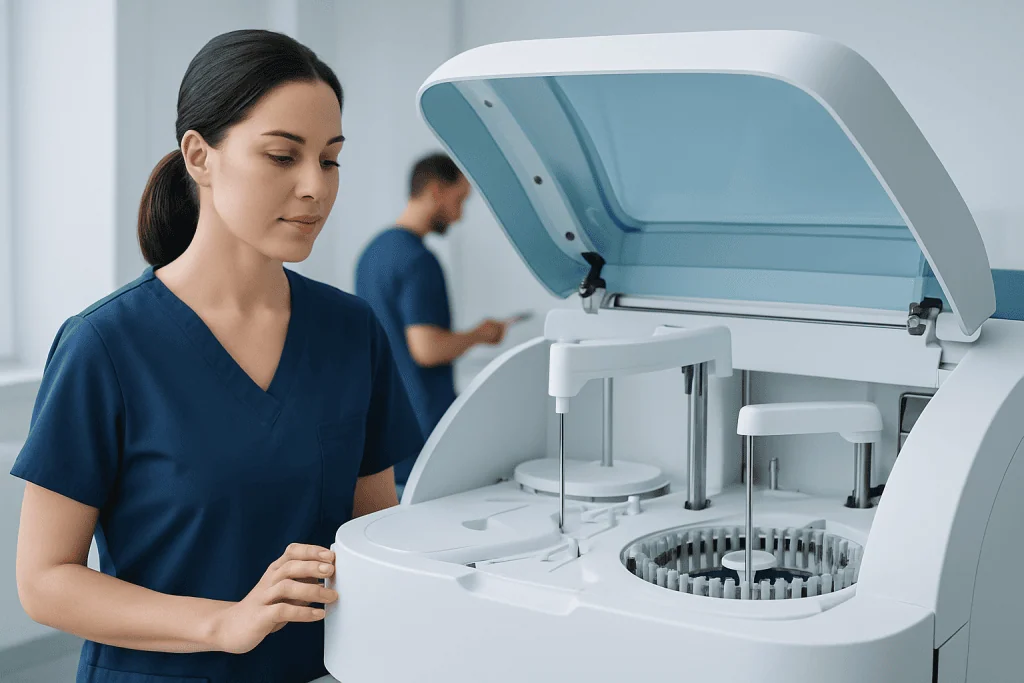
An LDH blood test measures the total amount of the enzyme in a blood sample. In the past, some laboratories also measured LDH isoenzymes, which are forms of LDH found in different proportions in different tissues. Today, total LDH is commonly used as a general, nonspecific marker that may rise when cells are damaged or broken down.
Because LDH is found in so many parts of the body, it cannot identify the exact cause or location of a problem by itself. A high result may lead clinicians to review other tests, such as a complete blood count, liver tests, kidney tests, muscle enzymes, or imaging studies when appropriate. Conversely, a low result generally provides limited diagnostic information.
Sample handling can influence LDH testing. For example, red blood cells may break during or after blood collection, a process called hemolysis, which can falsely raise LDH. This is one reason clinicians interpret laboratory values carefully and may repeat a test if a result does not fit the clinical picture.
Why Can LDH Be Low?

For many people, no clear cause is found for a slightly low LDH result. Levels can vary naturally from day to day and between individuals. A value just below a reference range, especially when other results are normal and there are no symptoms, may not have clinical importance.
Rarely, low LDH can be associated with inherited disorders affecting LDH production or function. LDH-A deficiency, also called glycogen storage disease type XI, may cause exercise intolerance, muscle pain, cramps, fatigue, or dark urine after strenuous activity in some affected people. LDH-B deficiency is often discovered incidentally and may not cause symptoms.
Nutrition and overall health may also be relevant in selected situations. Some research and clinical references note that marked vitamin C intake can interfere with certain laboratory measurements, and severe nutritional problems may affect many body processes. However, low LDH alone should not be used to diagnose a nutrient deficiency or any specific disease.
It is important not to assume that low LDH means the same thing as high LDH. Elevated LDH can occur with many conditions involving cell injury, whereas low LDH usually does not indicate tissue damage. If a clinician is evaluating unexplained symptoms, they will look beyond LDH to identify more informative tests.
Symptoms: Is Low LDH Responsible?
A low LDH result does not typically cause symptoms. The test measures an enzyme level; it does not usually explain common concerns such as tiredness, weakness, dizziness, weight change, or pain on its own. These symptoms have many possible causes and deserve an individual assessment when persistent, worsening, or affecting daily life.
In the uncommon situation of an inherited LDH deficiency, symptoms may become noticeable during or after intense exercise. Possible features include muscle cramps, muscle pain, unusual fatigue with activity, reduced exercise capacity, or dark-colored urine after strenuous exertion. These symptoms are not specific to LDH deficiency and can also occur with dehydration, muscle injury, medication effects, or other metabolic and muscle conditions.
People should avoid drawing conclusions from an isolated laboratory value found on a screening panel. A doctor may ask about exercise habits, recent illness, alcohol intake, nutrition, supplements, family history, and medicines. They may also review related concerns, including anemia or muscle symptoms, using targeted blood tests and clinical examination.
How Doctors Interpret a Low LDH Result
Doctors begin by checking the laboratory’s stated reference range and confirming whether the result is only slightly low or clearly below the expected interval. They also consider why the test was ordered. If LDH was included as part of a broader evaluation and all other findings are reassuring, no additional testing may be needed.
If there are symptoms, a relevant family history, or other abnormal results, a clinician may repeat the LDH test or request additional investigations. These can include a complete blood count, liver and kidney function tests, creatine kinase for muscle injury, blood glucose testing, nutritional assessments when indicated, or urine testing after exercise-related symptoms.
Genetic evaluation or specialist referral may be considered when an inherited metabolic or muscle disorder is suspected. This is more likely when symptoms begin early in life, repeatedly follow vigorous exercise, or occur in close relatives. Assessment is individualized; testing is not routinely needed for everyone with a mildly low LDH result.
For people who have multiple abnormal blood values, the priority is to understand the overall pattern rather than focus on LDH alone. A clinician can explain whether follow-up is appropriate and help distinguish a benign variation from a finding that needs further evaluation.
Treatment and Everyday Self-Care
There is no treatment aimed at raising LDH when a low result is isolated and a person is well. Treating a laboratory number without identifying a medical need is not helpful. Supplements, restrictive diets, and unproven detox programs should not be started solely because of a low LDH result.
General health habits support normal metabolism and overall wellbeing: eating a varied diet with adequate protein, fruits, vegetables, whole grains, and healthy fats; drinking enough fluids; sleeping regularly; and keeping physically active within a comfortable level. Anyone with recurrent pain, profound fatigue, or dark urine after exercise should discuss activity levels with a doctor before pushing through symptoms.
When a rare inherited LDH disorder is confirmed, management may focus on reducing symptom-triggering activity, planning safe exercise, maintaining hydration, and receiving guidance from specialists familiar with metabolic or neuromuscular conditions. Care is tailored to the individual and may involve primary care, internal medicine, neurology, genetics, or rehabilitation professionals.
Acibadem International’s multidisciplinary specialists and JCI-accredited hospitals can assess unexplained laboratory abnormalities and related symptoms for international patients when further evaluation is needed.
When to Seek Medical Care
It is reasonable to arrange a routine medical appointment if a low LDH result persists on repeat testing, occurs with other abnormal laboratory findings, or causes concern. A clinician can review the complete report, medications and supplements, personal and family history, and whether repeat testing is useful.
Medical advice is particularly important for unexplained muscle pain or cramps with exercise, a major reduction in exercise tolerance, repeated dark urine after exertion, or ongoing weakness. These symptoms can have a range of causes, and prompt assessment helps guide appropriate testing and care.
Urgent medical care is appropriate for severe muscle pain or weakness, dark urine together with reduced urination, chest pain, trouble breathing, fainting, or sudden severe illness. These symptoms are not specific to low LDH, but they should not be ignored.
Frequently asked questions
Is low lactate dehydrogenase dangerous?
Usually, no. A mildly low LDH value on its own is commonly not considered medically significant, especially when a person feels well and other blood tests are normal. A clinician can interpret the result according to the laboratory range and the individual situation.
What is a normal LDH level?
Normal LDH ranges differ by laboratory, testing method, age, and sometimes sex. The most relevant range is the reference interval printed beside the result on the laboratory report. A doctor can clarify whether a value is meaningfully outside the expected range.
Can vitamin deficiency cause low LDH?
Low LDH is not a reliable standalone marker of vitamin deficiency. Nutritional status can affect health and laboratory results in many ways, but a clinician would use symptoms, diet history, and specific blood tests to assess possible deficiencies. Self-treating with high-dose supplements is not recommended without advice.
Can exercise lower LDH levels?
Exercise does not usually explain a low LDH result. Strenuous activity and muscle injury are more often associated with temporary increases in LDH, although results vary depending on timing and sample handling. People with repeated exercise-related muscle symptoms should seek medical advice.
Should an LDH test be repeated if it is low?
A repeat test may be considered if the result is unexpected, markedly low, accompanied by symptoms, or part of a wider pattern of abnormal findings. If the result is only slightly low and there are no concerns, repeat testing may not be necessary. The decision should be made with a qualified clinician.
What is LDH deficiency?
LDH deficiency refers to rare inherited conditions in which the body has reduced activity of a particular LDH enzyme form. Some people may have exercise intolerance, muscle pain, cramps, or dark urine after intense exercise, while others have few or no symptoms. Diagnosis requires specialist assessment and may include enzyme or genetic testing.
References
- MedlinePlus
- National Library of Medicine
- Merck Manual Consumer Version
- Mayo Clinic Laboratories
- National Organization for Rare Disorders
This article is for general information only and is not a substitute for professional medical advice. Please consult a qualified doctor about your individual situation.
Explore treatments in Turkey — costs, top hospitals & a free quote
JCI-accredited · board-certified surgeons · reply within 24h
Add us as a Preferred Source to see more of our trusted health content across Google Search, AI Overviews and Discover.